Only one in five GPs in England now works full-time, while just 11 per cent of younger doctors work the equivalent of a full week, an investigation has found.NHS figures show that family doctors appear to be shunning longer working hours after the Covid pandemic, despite the average wait time for a routine appointment being 10 days.More than a quarter of GPs worked the equivalent of a full-time week - above 37.5 hours - in 2019, but this has drastically come down to 18.7 per cent. In real terms, this means just 7,314 of England's 39,044 NHS GPs - excluding trainees and locums - now work full-time.Among younger doctors aged between 30 and 40, just over a tenth now work the equivalent of a full-time week, a figure down from 19 per cent in 2019.Polls have found that younger doctors are struggling to handle the stress of the profession and are suffering burnout.Posts on online forums reveal some young medics are pursuing other forms of employment in their free time to boost their income. These include taking on locum work - filling in at practices temporarily - as well as tutoring medical students, working in private healthcare and taking up consultancy roles for medical companies. NHS figures show that doctors appear to be shunning longer working hours despite the average wait time for a routine appointment being 10 daysOne doctor wrote on the forum website Reddit last month: 'I found a private healthcare job for [one] day a week that's self employed - mainly health screens. But indemnity goes up massively. Haven't started yet though! Also I wanted to try something different as the NHS workload is +++.'By contrast to the younger doctors, the data, analysed by The Telegraph, shows that around a third of GPs aged over 60 still work full-time, a proportion that has remained broadly unchanged since the pandemic.The decline comes as millions of Britons struggle to access routine GP care, with the average wait time being a week-and-a-half. Before the pandemic, however, access to GPs appeared considerably easier. In 2019, 42 per cent of appointments took place on the same day they were booked, while a further 20 per cent were held within two to seven days.It also comes amid fears experienced GPs are leaving the NHS behind. A poll by the Royal College of GPs last year found that nearly a third of GPs did not expect to still be working in general practice by 2030.Stress was identified as the main driver behind the 'mass exodus', fuelling fears that the NHS will be left with inexperienced doctors on reduced working hours.At the time of the polling, Professor Kamila Hawthorne, chair of the Royal College of GPs, said: 'Nobody goes into general practice for an easy ride, but the fact that so many GPs feel so stressed and are worried about the impact this is having on their patients shows just how precarious the situation in general practice has become. It requires urgent action.'It has been suggested that if every GP currently working three days a week or fewer increased their workload by just one additional day, England would effectively gain the equivalent of around 2,000 GPs. But Victoria Tzortziou Brown, president of the Royal College of GPs, argued that the figures underestimate GPs' true workload.She told The Telegraph: 'The term 'part-time' can be misleading because it often refers only to the number of face-to-face clinical sessions a GP undertakes, not the total hours they work. Modern general practice extends far beyond the consulting room.'Around one third of GPs are believed to spend their time on paperwork, reducing face-to-face time. The new data also revealed how GP working hours are split across the country.For example, fewer than one in 10 GPs work full-time in the Bristol, North Somerset and South Gloucestershire area. Even in Essex, which has the highest proportion of full-time GPs, the figure is only 33 per cent.Although average waiting times have fallen from 19 days to 10 days, millions of patients continue to struggle to secure face-to-face appointments. There has been a 12 per cent increase in telephone appointments, according to NHS England, which has reduced the number of patients seeing their GP in person by 8 per cent. Ms Brown added: 'Every patient consultation generates significant follow-up work, including reviewing test results, managing correspondence, making referrals, issuing prescriptions, supervising colleagues, teaching, quality improvement and other clinical and administrative responsibilities. 'Many GPs who work fewer clinical sessions are nevertheless working the equivalent of full-time hours.'A Department of Health and Social Care spokesman said: 'We are fixing the front door of the NHS, and have recruited 2,000 extra GPs since July 2024, invested £1.7bn over two years, and placed them at the heart of our 10-year health plan.'Thanks to the changes we've made together with GPs, figures released this week show 77pc of patients are now reporting a 'good' overall experience, with major improvements in patient access to general practice from the rollout of online services and the use of the NHS app.'
One in five GPs now work full time - trend fuelled by young medics
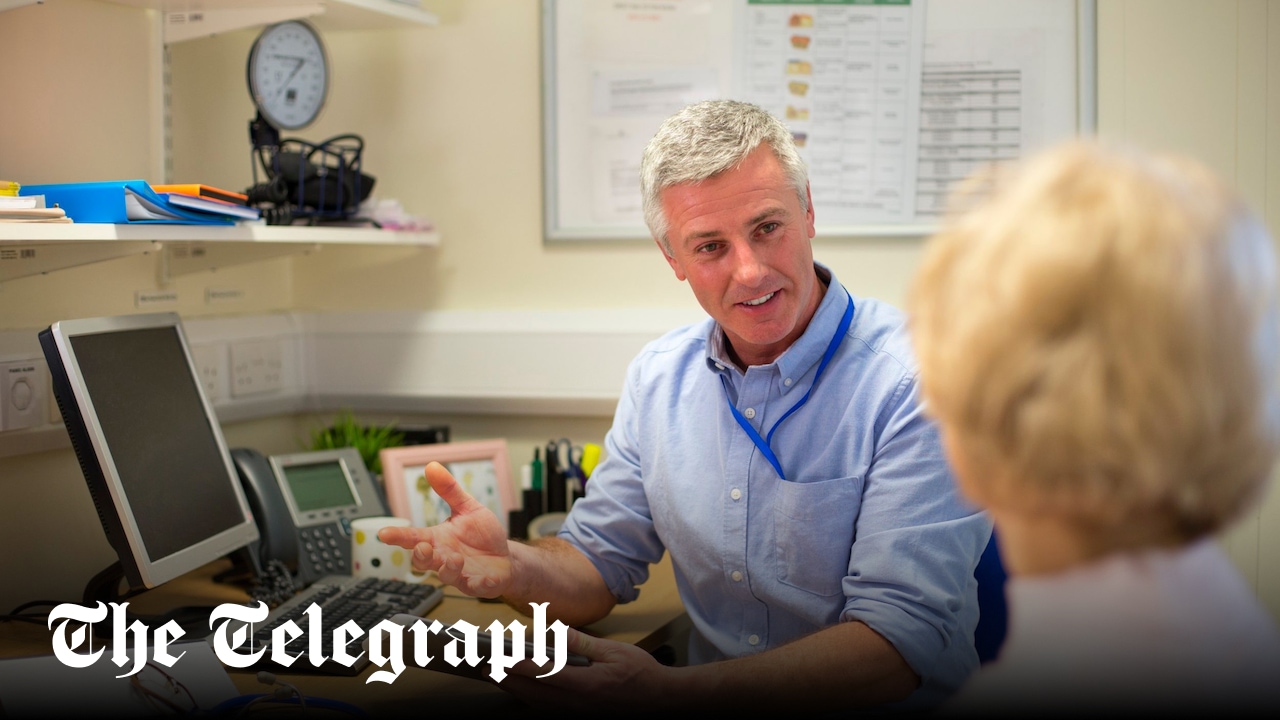
NHS figures show that doctors appear to be shunning longer working hours after the COVID pandemic, despite the average wait time for a routine appointment being 10 days.
839 words~4 min read