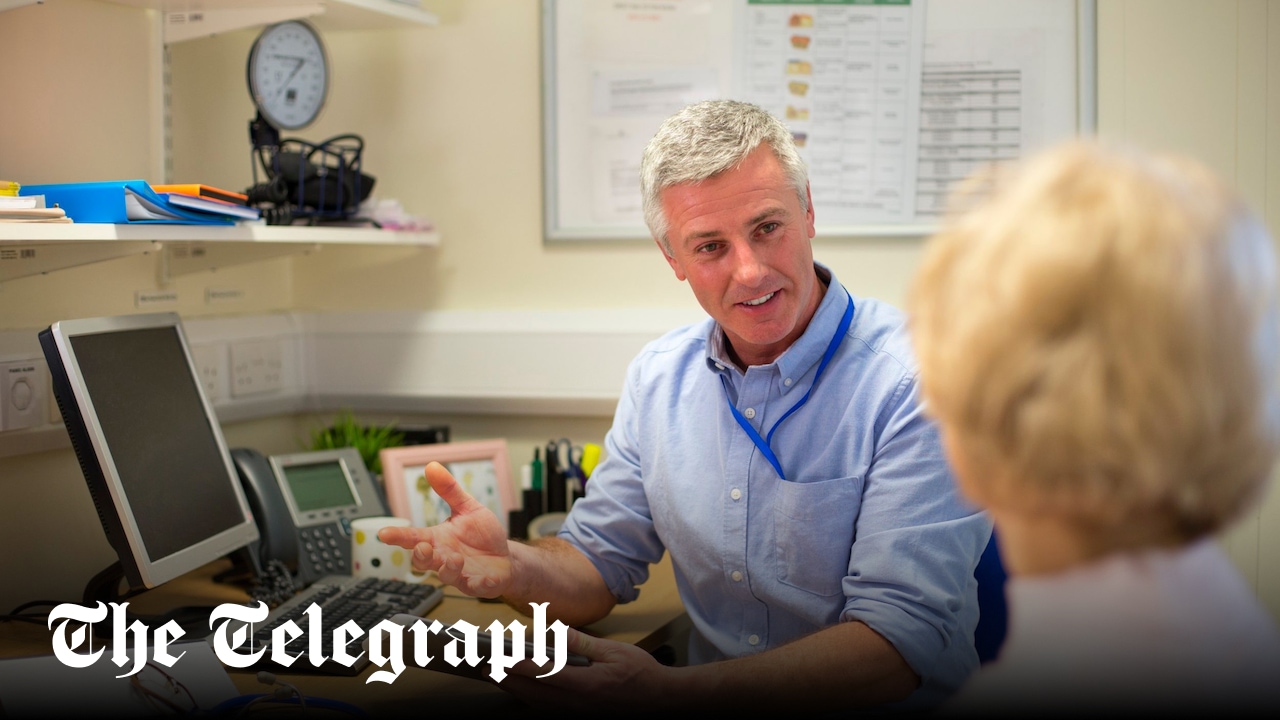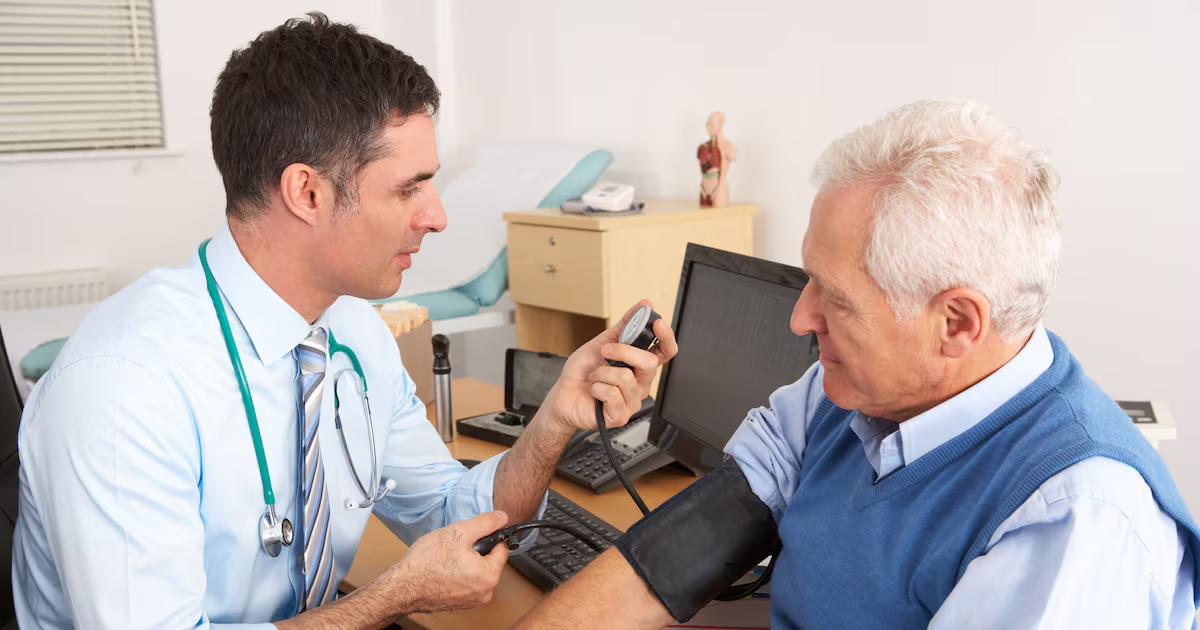
One in three GPs do not work in NHS general practice with younger doctors increasingly turning their backs on it, a study suggests.Despite rising demand and commitments to strengthen primary care, a third of those with a licence to practice in England are not working in NHS surgeries.The issue is particularly pronounced among newly qualified and female GPs, with significant numbers either not entering the GP workforce or leaving within a decade.Experts suggest many leave the profession citing burnout or stress while funding issues mean some cannot find placements after qualifying.Others are choosing private practices, jobs in academia and industry, an editorial suggests.Analysis of the data, published in the British Medical Journal (BMJ), found that, on average, for every five additional GPs licensed by the General Medical Council (GMC), NHS general practice lost one full-time equivalent GP each year for the period 2015 to 2024.As a result, the proportion of licensed GPs not working in NHS general practice increased from 27 per cent (13,492) in 2015 to 34 per cent (19,922) in 2024 by headcount, and from 41 per cent (20,210) to 52 per cent (30,351) by full-time equivalent GPs.Taking population growth into account, the number of NHS patients for each full-time equivalent GP in NHS general practice increased by 15 per cent, whereas the number of patients for each full-time equivalent NHS consultant fell by 18 per cent, the study showed. Experts suggest many young doctors leave the profession citing burnout or stress while funding issues mean some cannot find placements after qualifying Professor Kamila Hawthorne, chairman of the Royal College of GPs, said: 'This study shows there is no doubt about it, we need thousands more GPs'By the end of 2024, there were twice as many NHS patients for each full-time equivalent GP in NHS general practice (2,260) than for each full-time equivalent NHS consultant (1,092).The findings are likely to come as a blow to health chiefs, with better access to a GP often cited as a priority for NHS reforms by the public.Professor Kamila Hawthorne, chairman of the Royal College of GPs, said: 'This study shows there is no doubt about it, we need thousands more GPs - and we need to see genuine efforts to keep them working in the NHS, delivering patient care.'In England, a fully qualified, full-time GP is now responsible for the care of hundreds more patients than they were ten years ago, and it's our patients who bear the brunt when they struggle to access our services.'But despite the increasing patient need for GP care, cash-strapped practices are struggling to fund the GP roles necessary to deliver it - and many members are reporting difficulties finding appropriate work upon qualification as a result.'She added: 'We look to the forthcoming review of the NHS Long Term Workforce Plan to see how this will be addressed.Katie Bramall, chairman of the British Medical Association's GP committee, said: 'The fact that a third of licensed GPs in England are not working in NHS general practice represents a significant loss of talent and capacity at a time when each GP in England looks after over 2,000 patients.'GPs across England already deliver an unprecedented 1.42million appointments a day, yet demand continues to grow.'We simply cannot afford the brain drain and loss of potential these GPs represent.'The public's number one health priority is general practice so the Government must heed our proposed solutions to fund more GP roles to deliver more appointments to more patients, lest the crippling workload drive away more colleagues.'It is crazy that we have GPs, ready to work and serve their communities, with too few NHS roles available.'Earlier this month, the Royal College of GPs wrote to Home Secretary Shabana Mahmood to ask for a meeting to discuss barriers to GPs securing visas to work in the UK.The letter said: 'While the Government has committed to a long-term plan to expand medical school places and rely less on immigration, in the short to medium term the NHS would fall apart without GPs who are originally from outside the UK.'A Department of Health and Social Care spokesman said: 'We are making progress to reverse more than a decade of neglect in primary care - recruiting more than 2,000 extra GPs in the past year, delivering a record £1billion boost and funding vital upgrades to surgeries, as well as cutting red tape so doctors can spend more time caring for patients.'July 2025 saw the highest ever headcount of fully qualified GPs and patient satisfaction with GP services is rising.'We are putting GPs at the heart of our shift to neighbourhood health services as part of our 10-year health plan.'The Department of Health said the highest ever headcount of fully qualified GPs was recorded in July at 38,960.
One in three GPs are not working in NHS surgeries, study suggests
Despite rising demand and commitments to strengthen primary care, a third of those with a licence to practice in England are not working in NHS surgeries.
790 words~4 min read