in Architecture, History | March 26th, 2026 Leave a Comment
The artificial language of Esperanto was conceived with high ideals in mind. In the eighteen-eighties, its creator L. L. Zamenhof envisioned it as the universal second language of humanity, and if it hasn’t achieved that status by now, it at least remains the world’s most widely spoken constructed auxiliary language. One factor complicating its spread is that no language, even one guided by internationalism, can remain the same for long enough in two different cultures. As in spoken and written languages, so in the concrete one of architecture — and in the case of the style known as Brutalism, that would be literal concrete. Meant to make humanity whole again after the Second World War, its buildings ended up being rather more particular, and less utopian, than their architects intended.
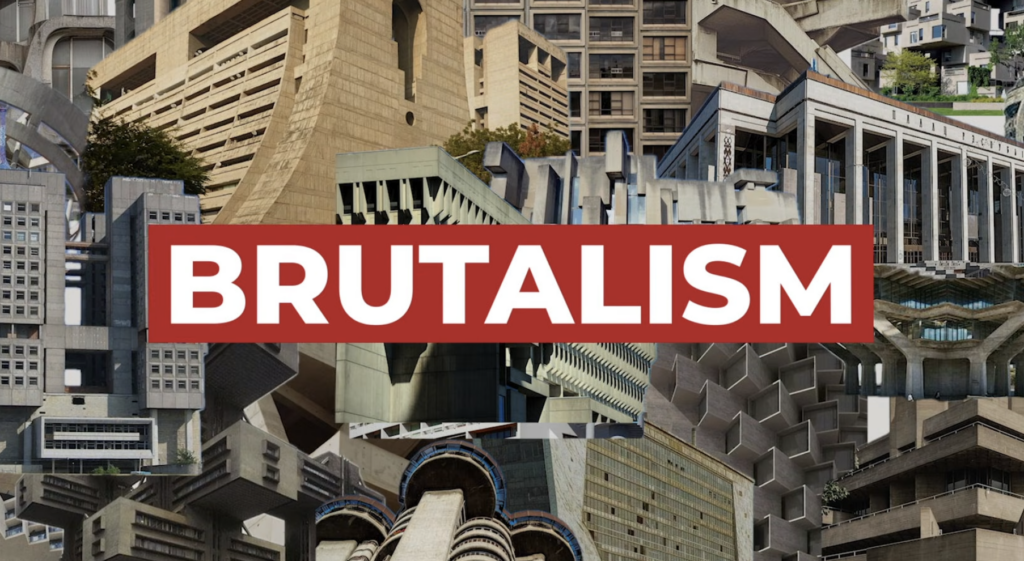
Examples aplenty appear in the new video above from Built Narrative, which offers what amounts to a postcard tour of Brutalist (and Brutalism-adjacent) buildings from around the world. Named for its main material béton brut, or raw concrete, the style came into its own during the rebuilding of war-ruined sections of British and continental European cities — and, over in the U.S., the rapid proliferation and expansion of college campuses — which had to be done quickly and under less-than-extravagant budgets.