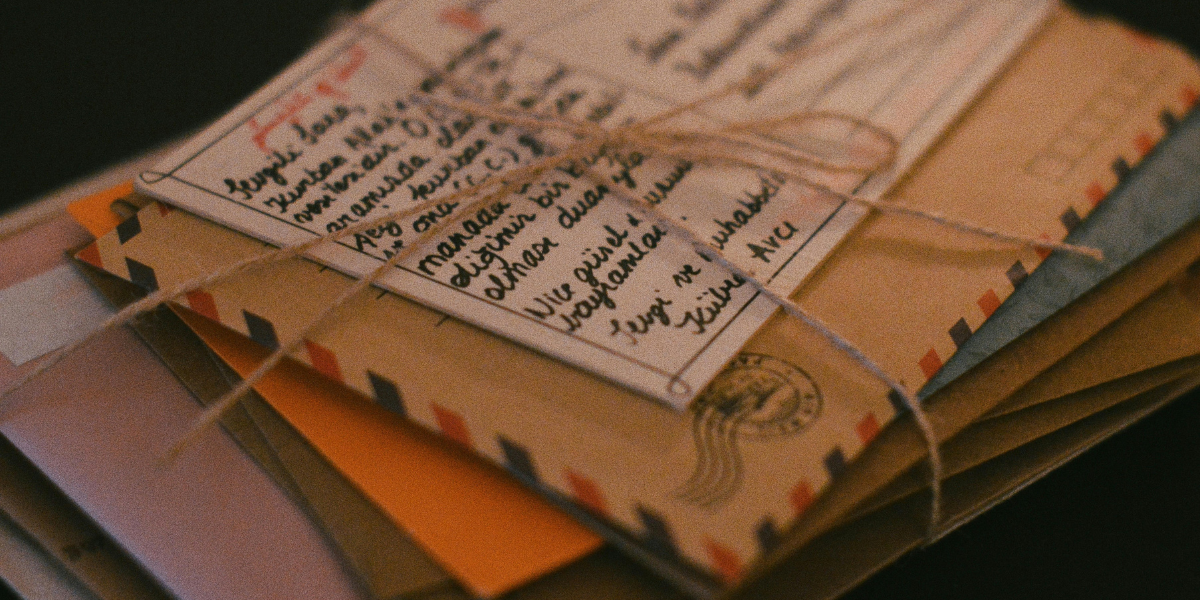
For most of my life I didn’t read books of letters. I wanted what I read to be deliberately shaped. I wanted art. And in middle age, I lost some vision. I read more slowly, so every word had to be right. Letter writers, I assumed, would not work at their writing. Then I had a surprising experience: a scholar, Chad Wriglesworth, asked to compile a book of letters that a friend and I had written thirty to forty years earlier. She was the poet Jane Kenyon, who died of leukemia in 1995 at the age of forty-seven. My letters, which I didn’t remember, were in an archive. I feared they were boring and foolish, but I put that thought aside. I had Jane’s letters. They’re observant, honest, loving, quarrelsome, funny.Article continues after advertisement
Jane was remarkably open, even with strangers. However, she emphatically did not want her husband, Donald Hall, to know some secrets she’d told me. And even apart from the secrets, her letters were private. As her literary executor, Don gave permission for them to be published, but I didn’t know if Jane would have agreed. Legally, I could prevent publication only of my own writing. But if I said no, there would be no book. I said yes, not at all sure I was making the ethical choice. I taped over some paragraphs, copied Jane’s letters, and sent the copies to Chad. When Don died, three years later, I sent Chad what I’d omitted. Meanwhile, he went to the archive and copied my letters. After he put the whole correspondence into chronological order and had it typed, I read it. My letters were not as bad as I’d feared. Over years of judicious choosing and cutting, Chad turned our heap of mail into a book.