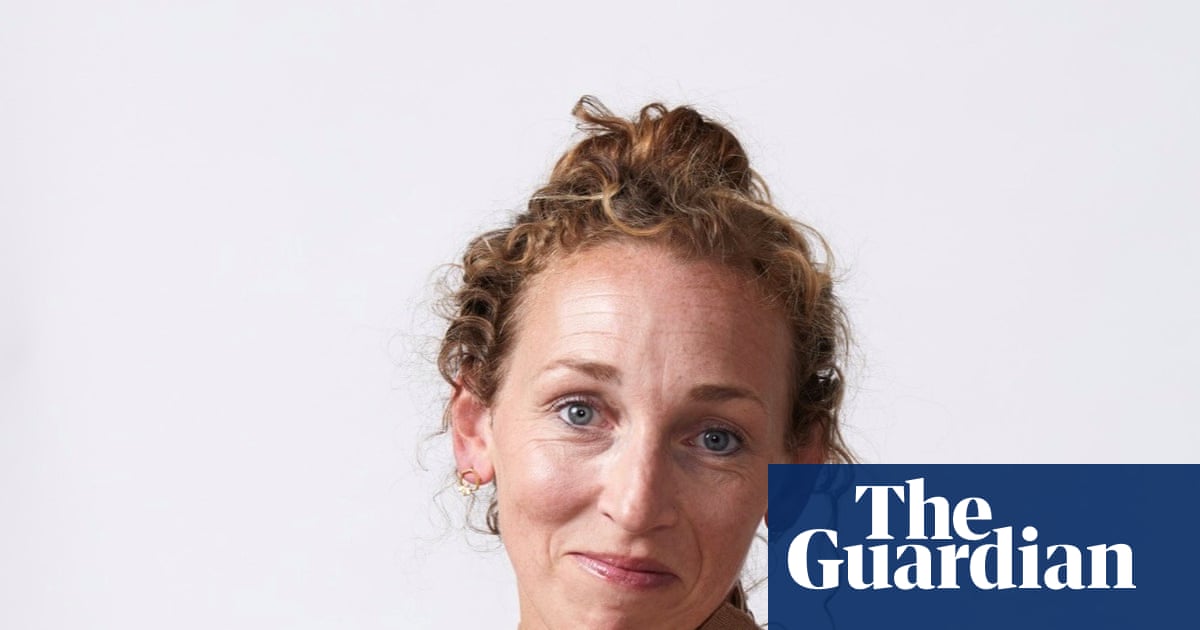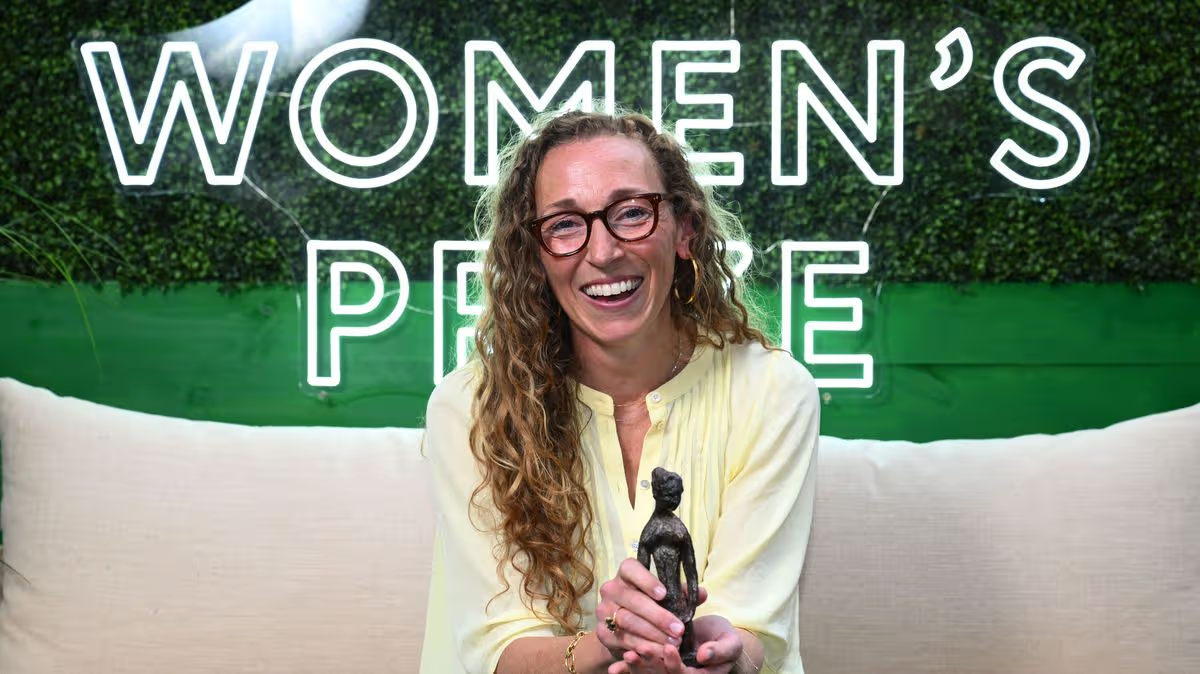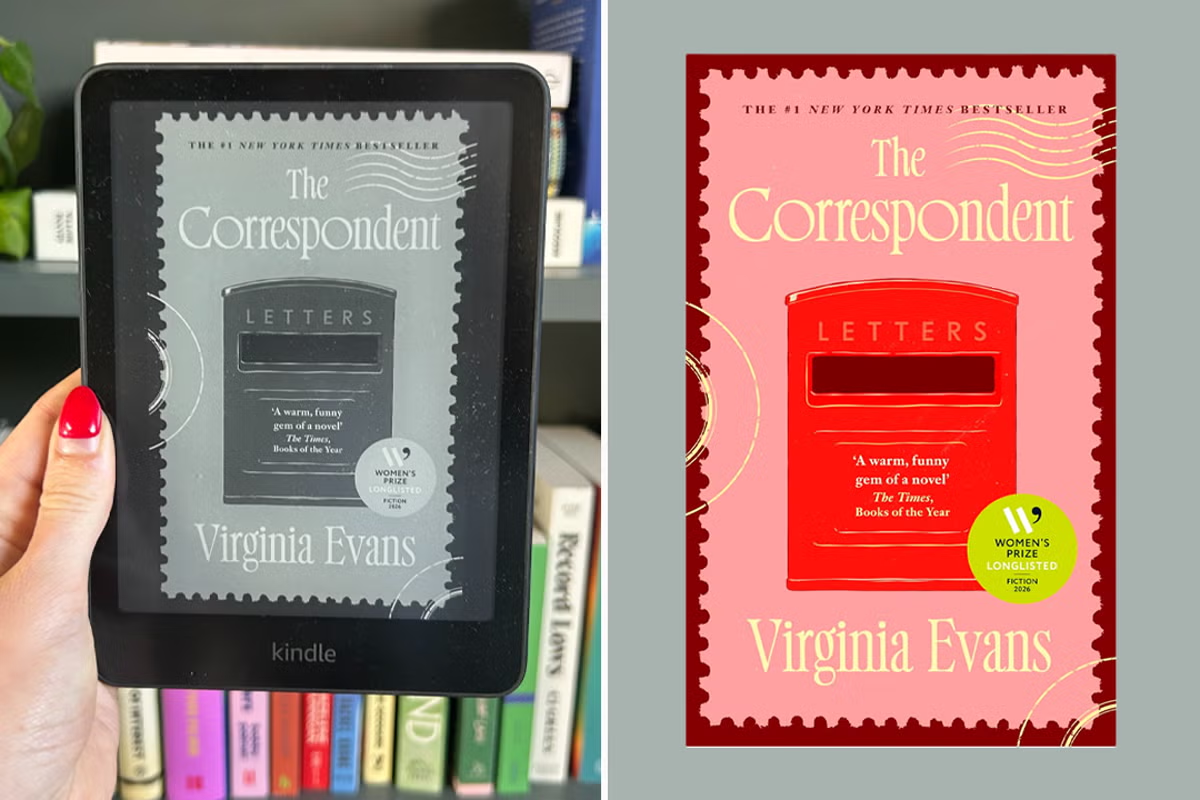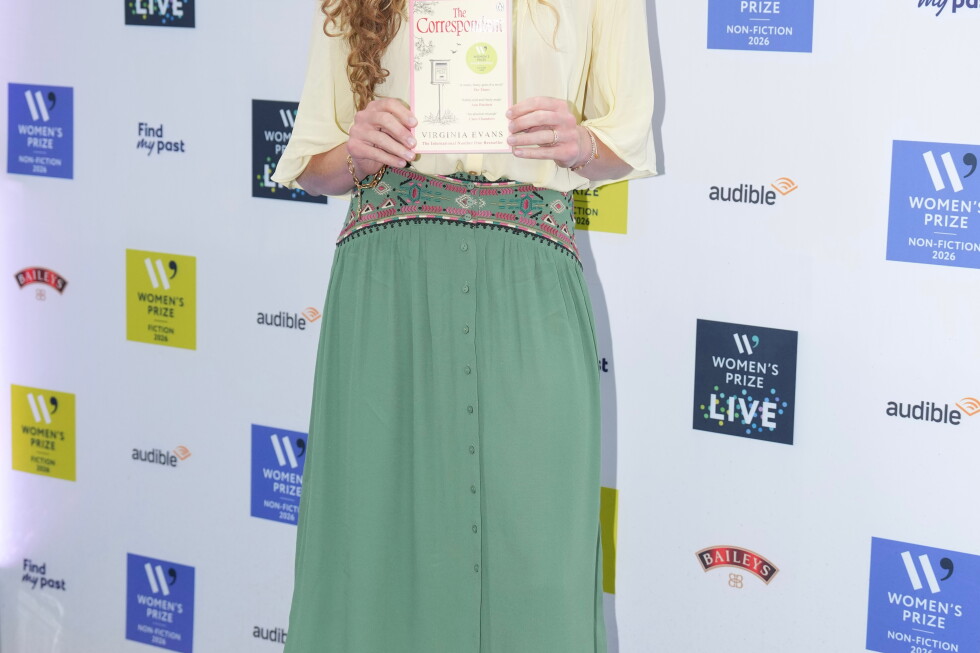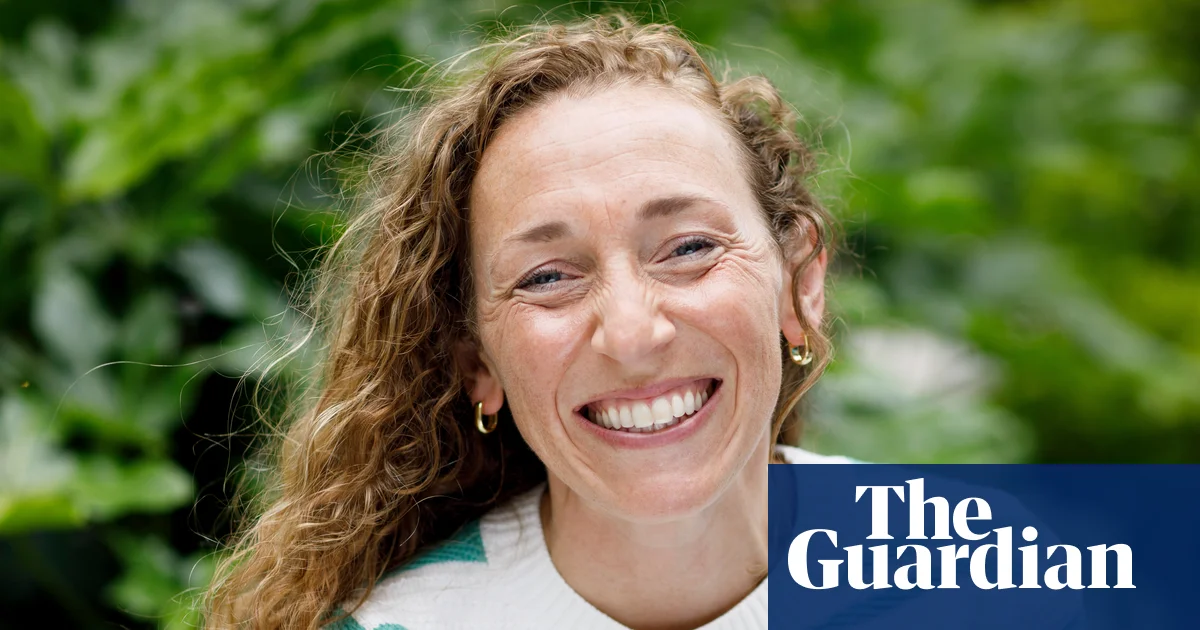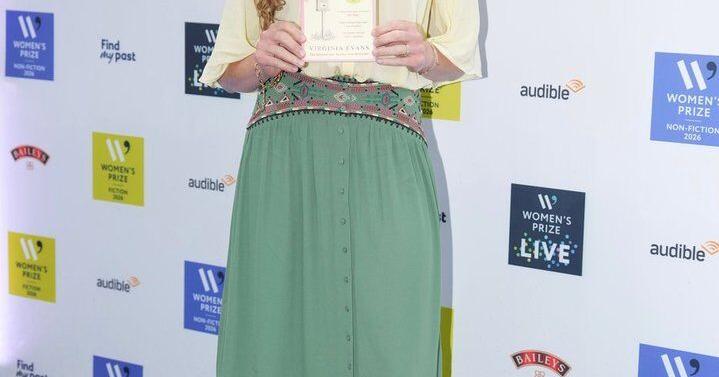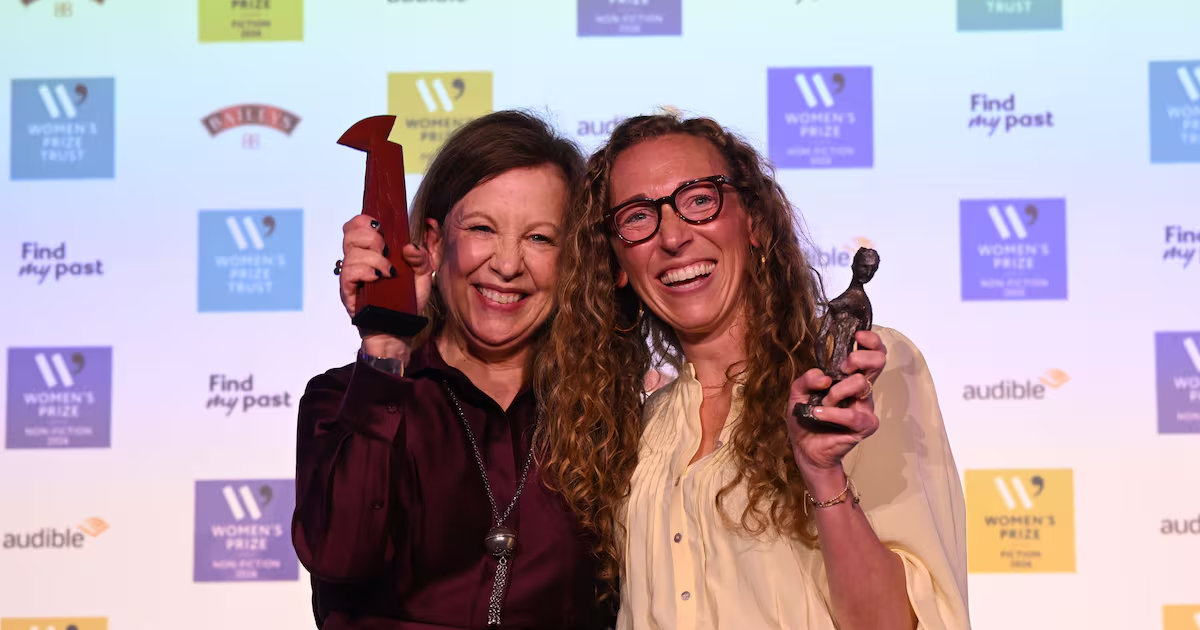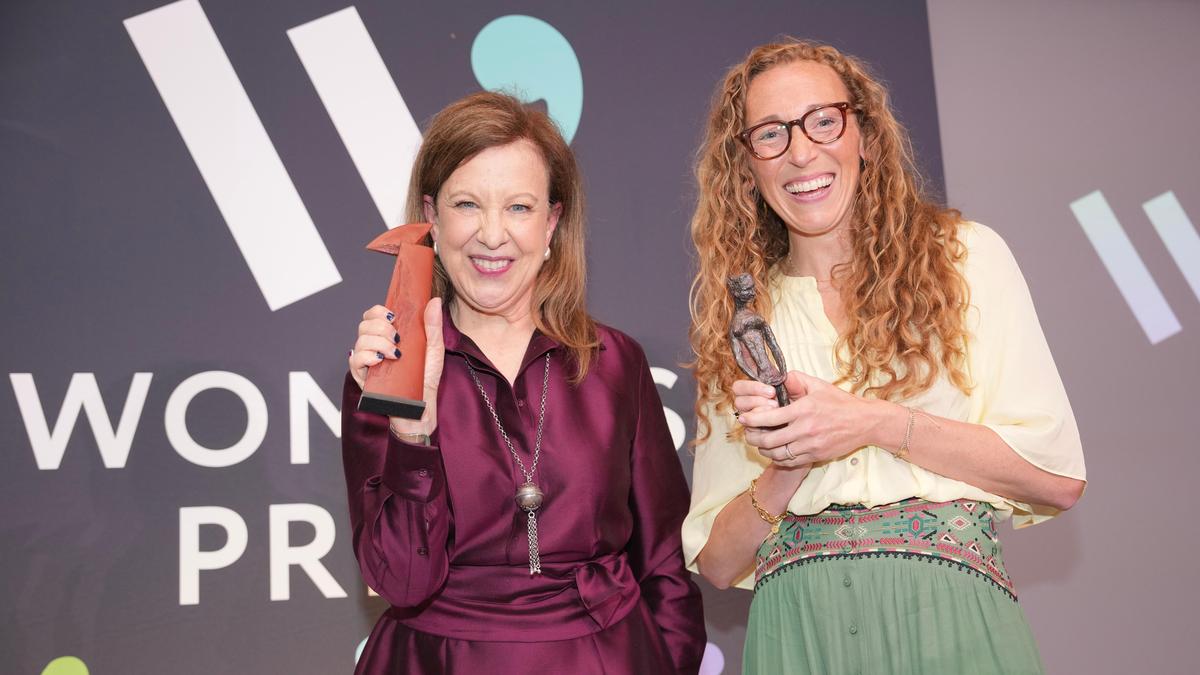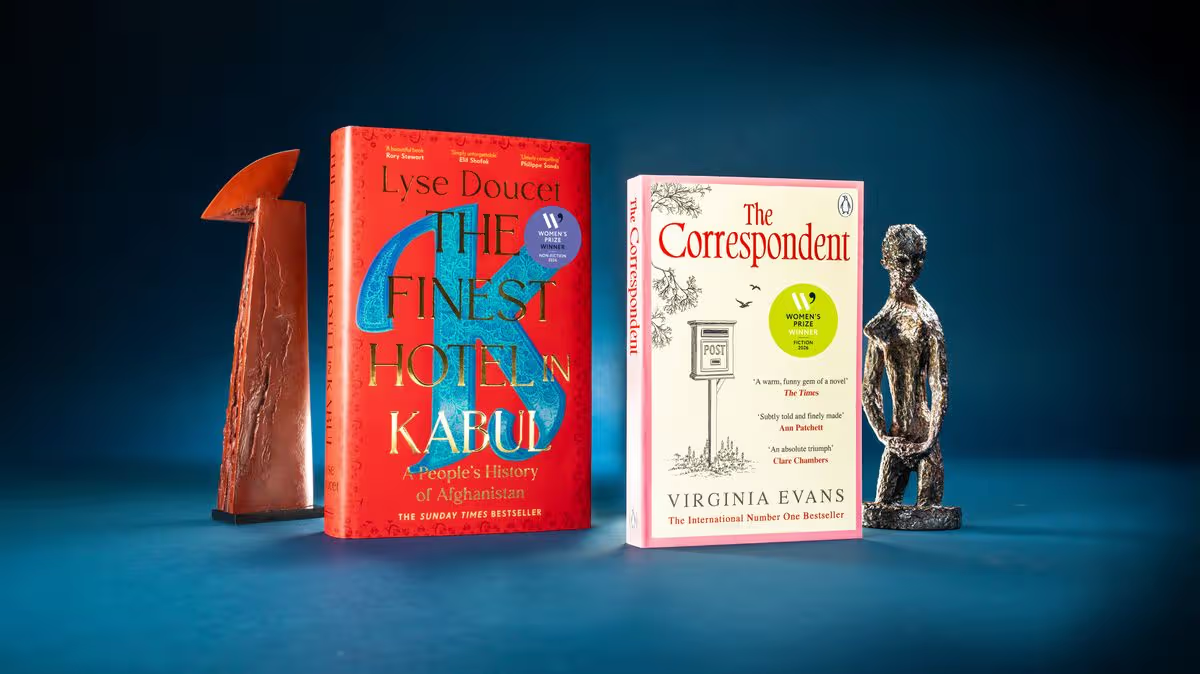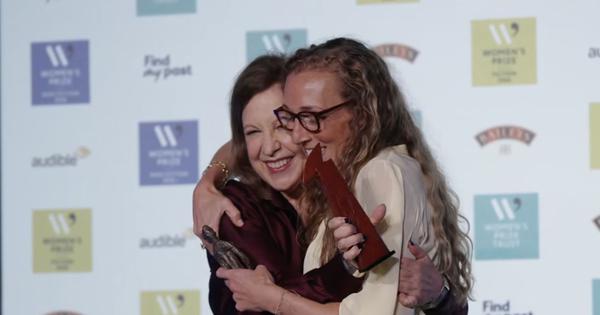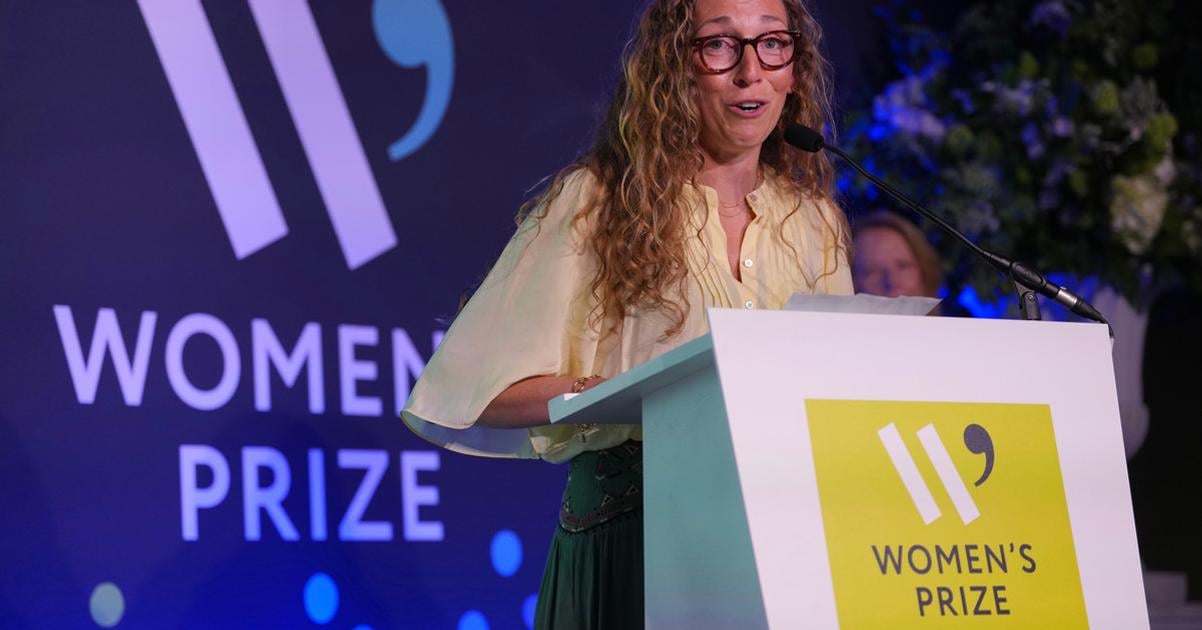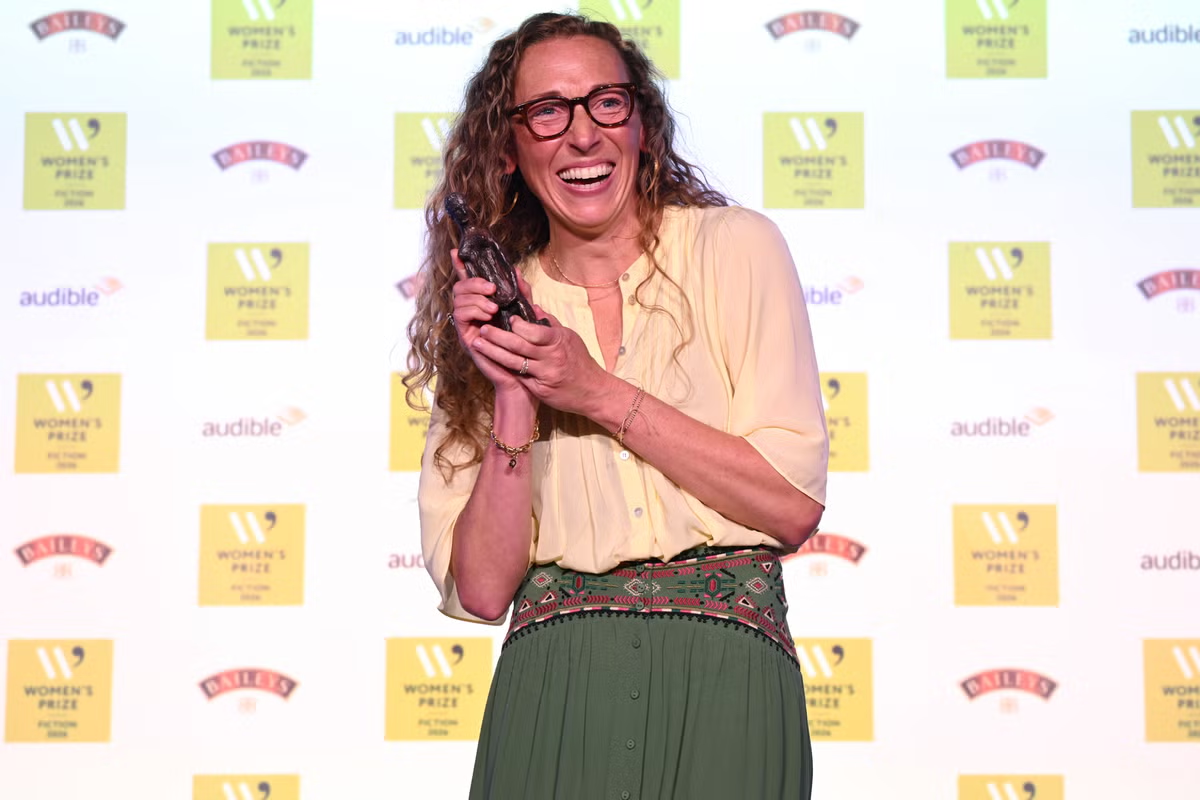
Women’s Prize for Fiction winner Virginia Evans has called for the revival of letter writing, lamenting that “the volume of what circulates the world is probably at an all-time low at this point”. The American author’s debut novel, The Correspondent, was named this year’s winner of the prestigious prize at a ceremony held in London on Thursday night (11 June). An epistolary tale, the book follows the written correspondence of witty Sybil Van Antwerp, a woman in her seventies who has spent her life writing letters to family, friends and even famous authors. Speaking to The Independent after her victory, Evans said that letter-writing “exists in a certain demographic and age of people from a time when letters were necessary and they’re not necessary anymore”. She continued: “But I almost think, are we having a bit of a moment of people realising that it could stand to be lost, and then people trying to pick it back up again? Maybe. “I don't know that it will ever go away, but I do think the volume of what circulates the world is probably at an all-time low at this point.” ‘The Correspondent’ is an epistolary book, told entirely through the written correspondence of its seventysomething protagonist Sybil (Women's Prize)Evans noted that while “the steep rise of technology really does change so much culturally and socially, there’s this value of handwritten communication, which is kind of how we have history”. “If you really want to figure out what was happening at any given time in history with real people living, you probably find that digging up old letters is your best way to understand the temperature of any given time,” she said. “And so I do think there’s something very, very irreplaceable in it.” The Correspondent, which became a word-of-mouth hit in the months after it was published in April last year, has inspired many readers to pick up a pen again. “I even had someone come up to me at the Women's Prize reading and say that she and her best friend had written letters when they were little girls, but they stopped,” Evans said. “But after they read The Correspondent, they started writing letters again, so I do think it might be poking people to do that. “I hope that’s true, because there’s just no better feeling than finding a handwritten letter in the post box.”Virginia Evans and fellow Women's Prize winner Lyse Doucet (PA)The Women’s Prize judging panel described The Correspondent as “exemplary”, with its chair, former Australian prime minister Julia Gillard, stating: “It is no mean feat to write a life in letters, but Evans makes this feel effortless, asking the reader to consider the choices we make, whilst elevating an ordinary life in the most heartfelt of ways.” Thursday night’s ceremony also saw BBC foreign correspondent Lyse Doucet win the Women’s Prize for Non-Fiction, for The Finest Hotel in Kabul. Doucet’s book offers a sweeping social history of the InterContinental hotel in Kabul, where staff have faced conflict and upheaval, including a Soviet evacuation, civil war, the US invasion, and the rise of the Taliban.
Women’s Prize winner Virginia Evans calls for letter-writing to make a comeback
The American author’s epistolary debut, about a witty, letter-loving woman in her seventies, has inspired readers across the world to pick up a pen
518 words~2 min read