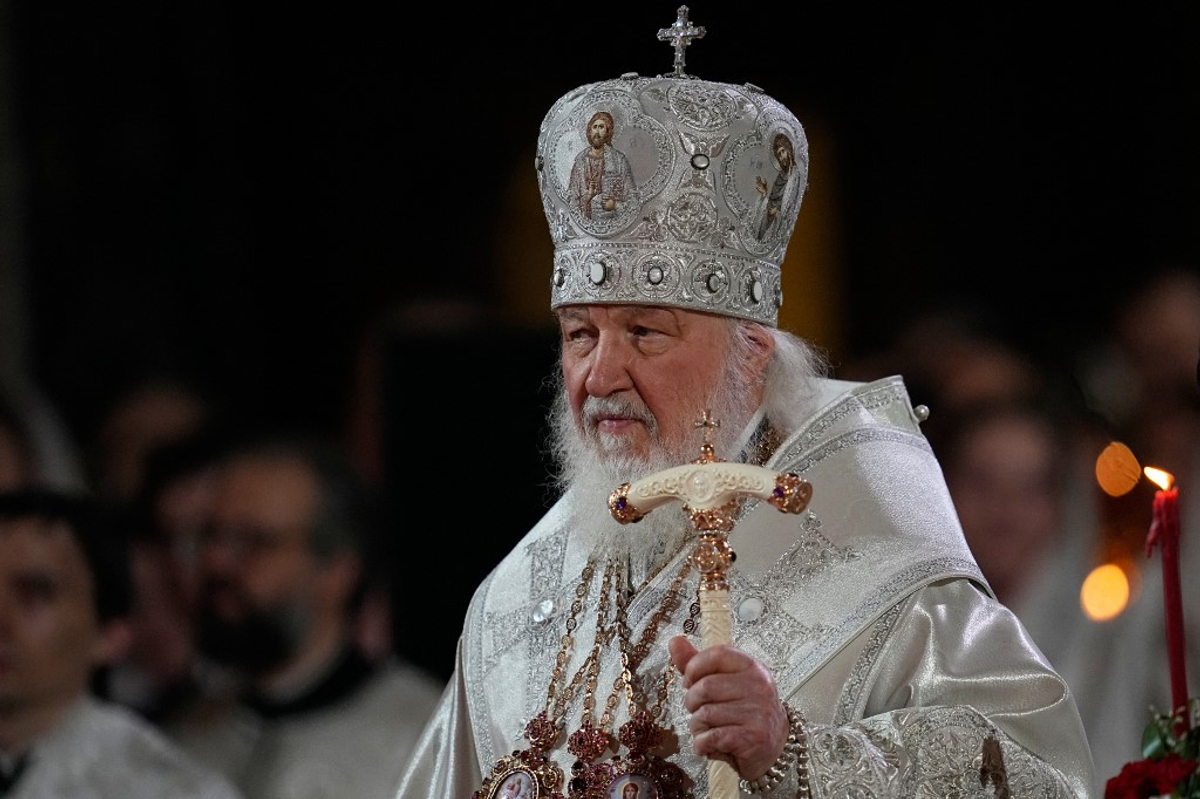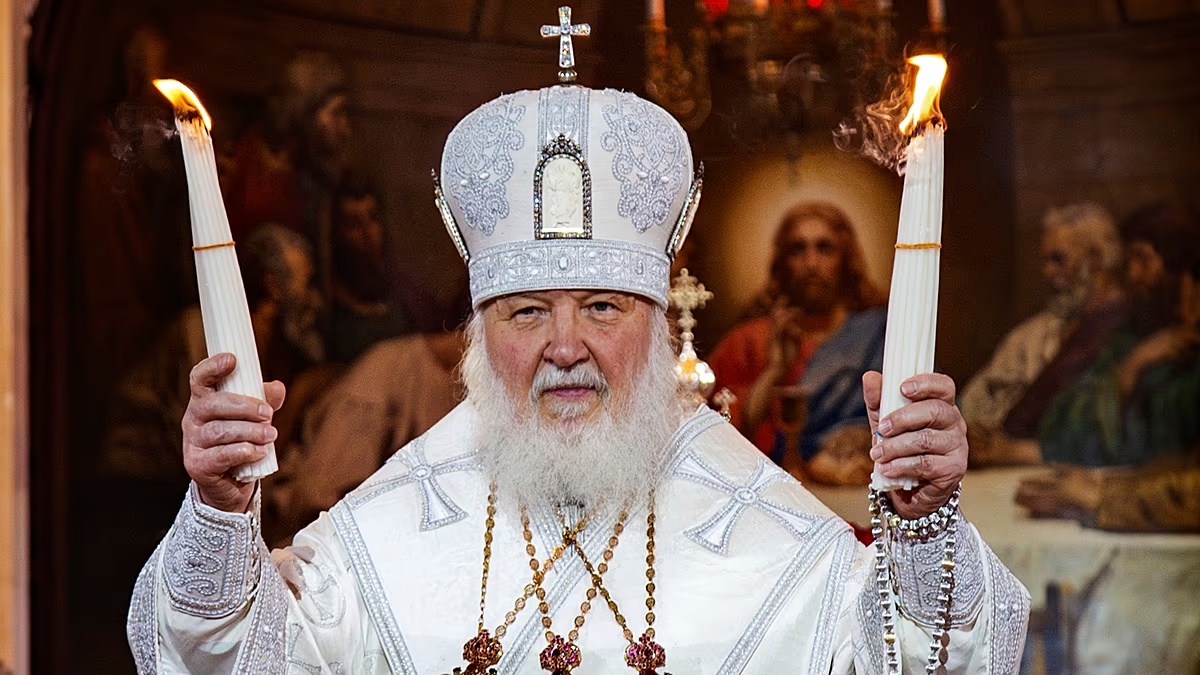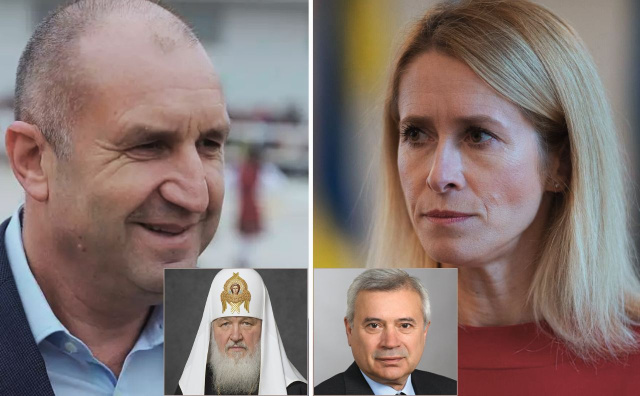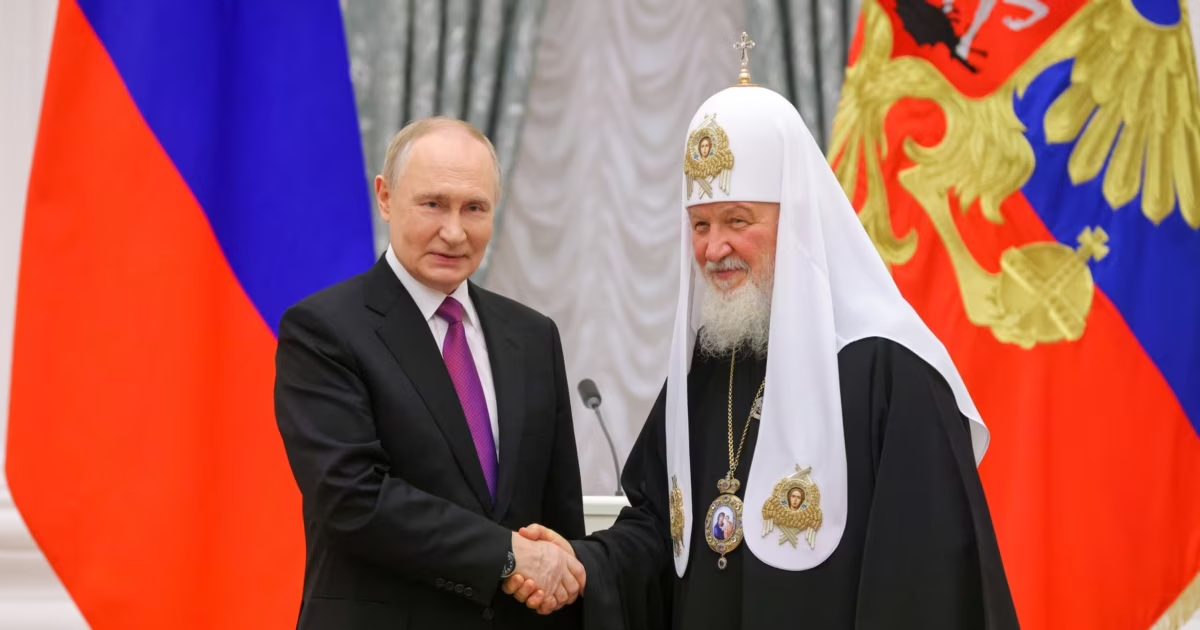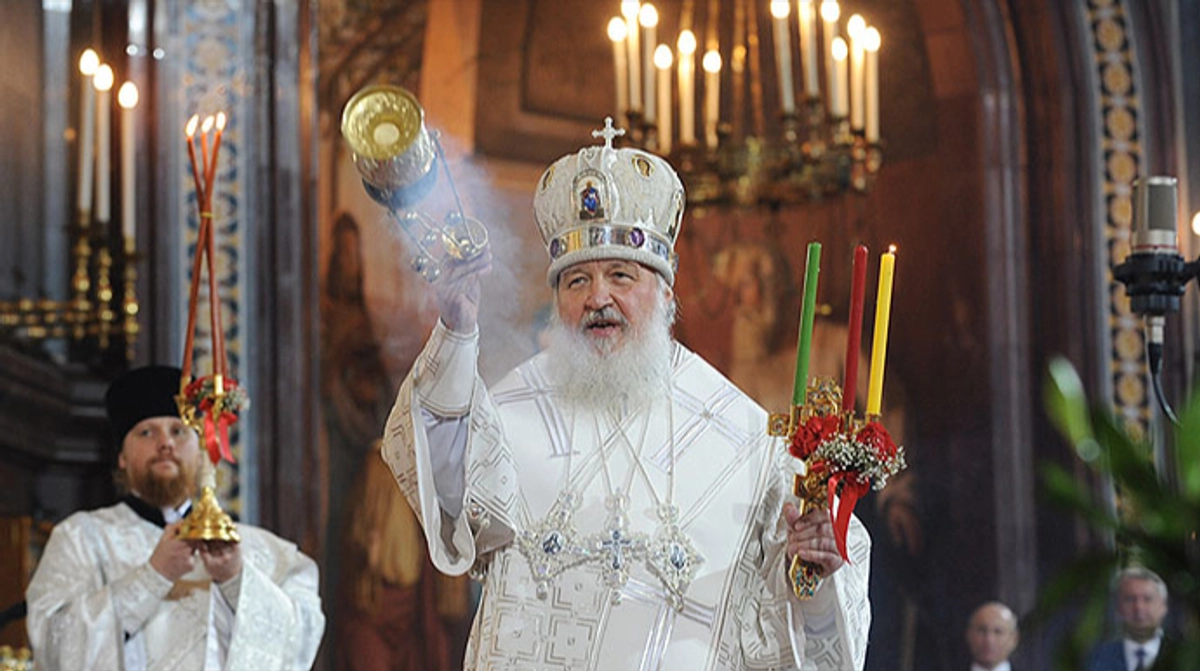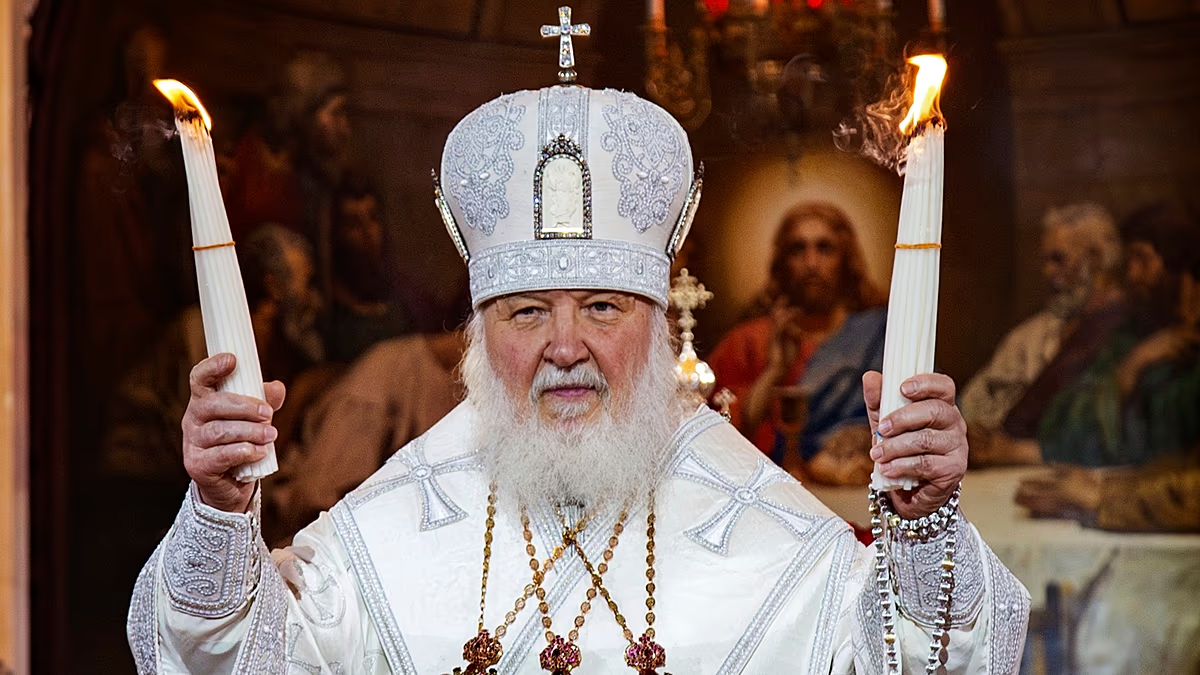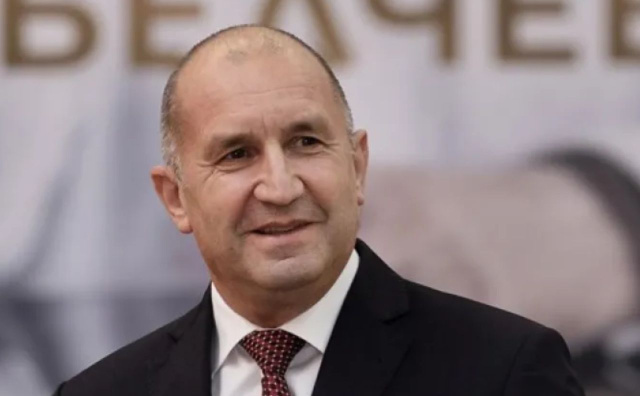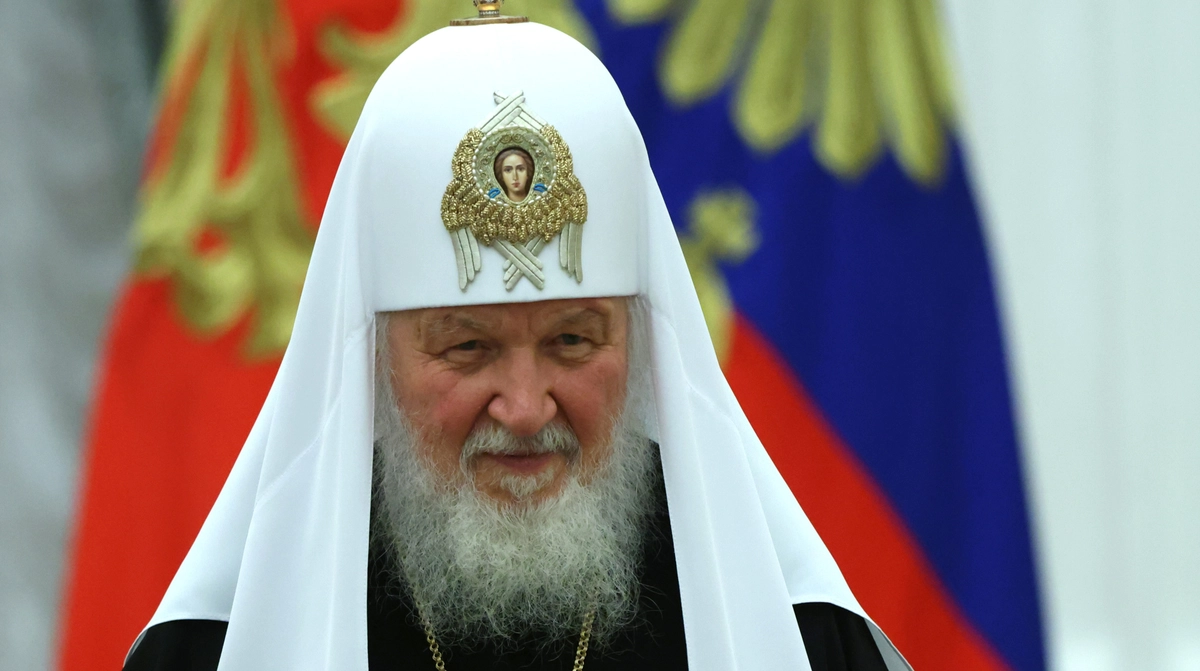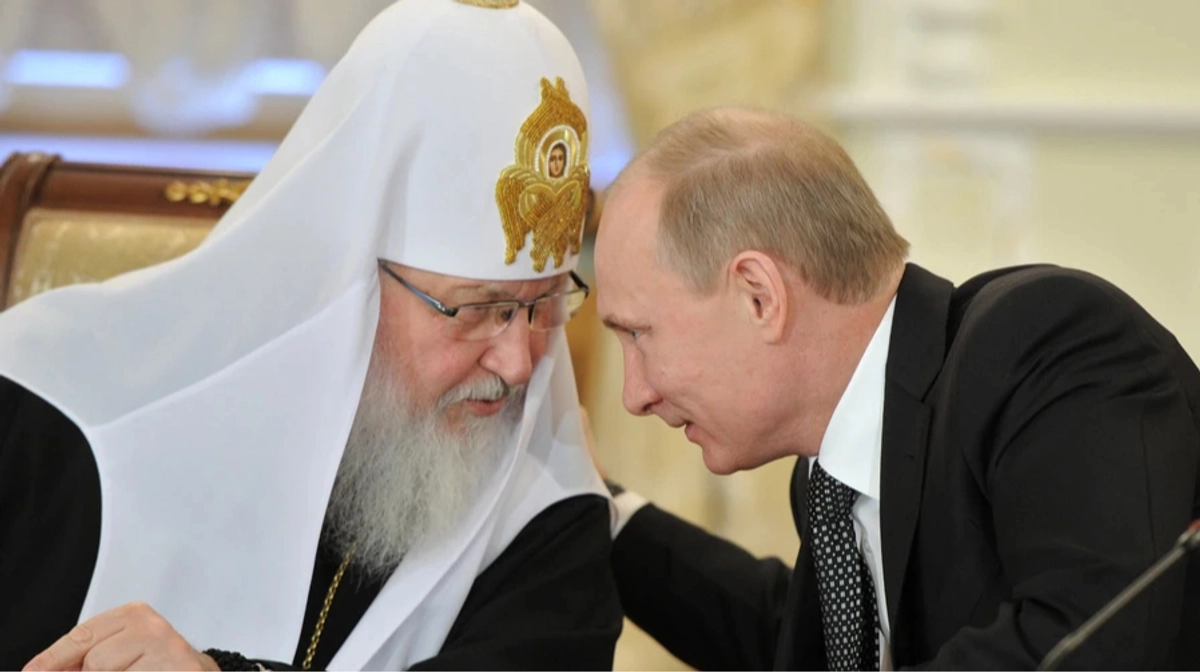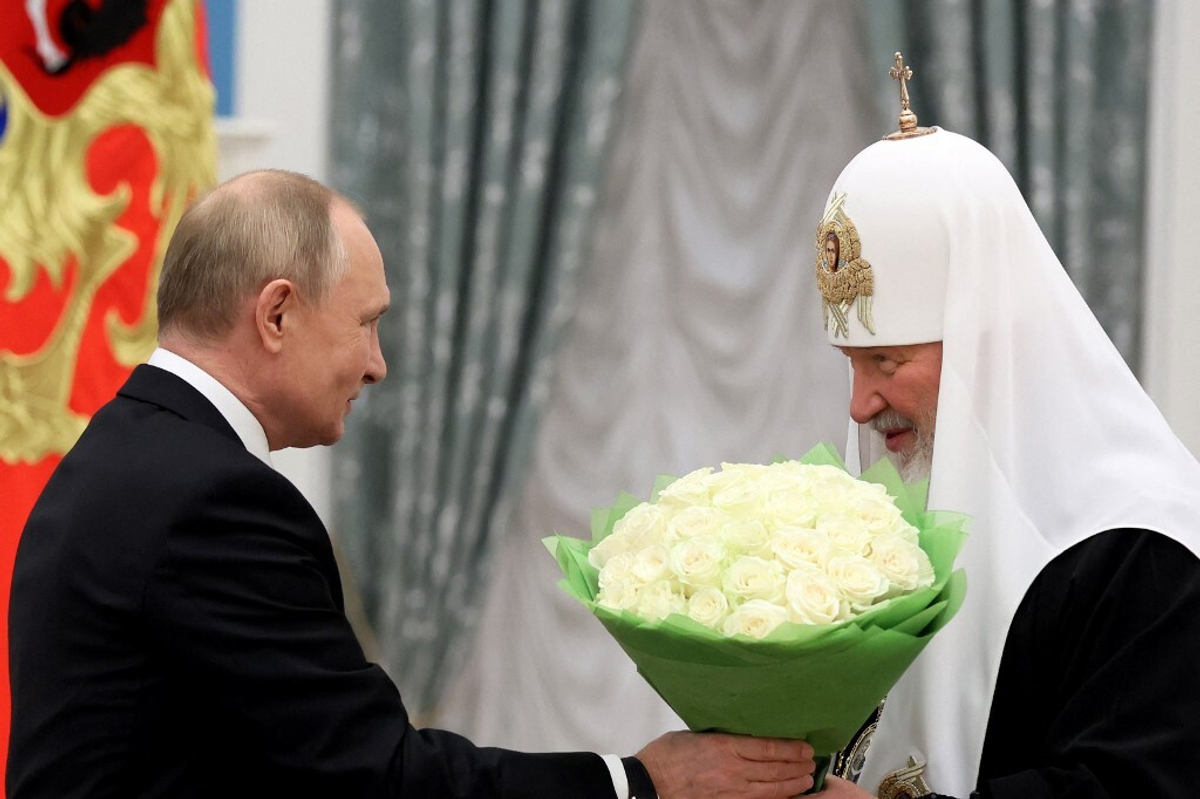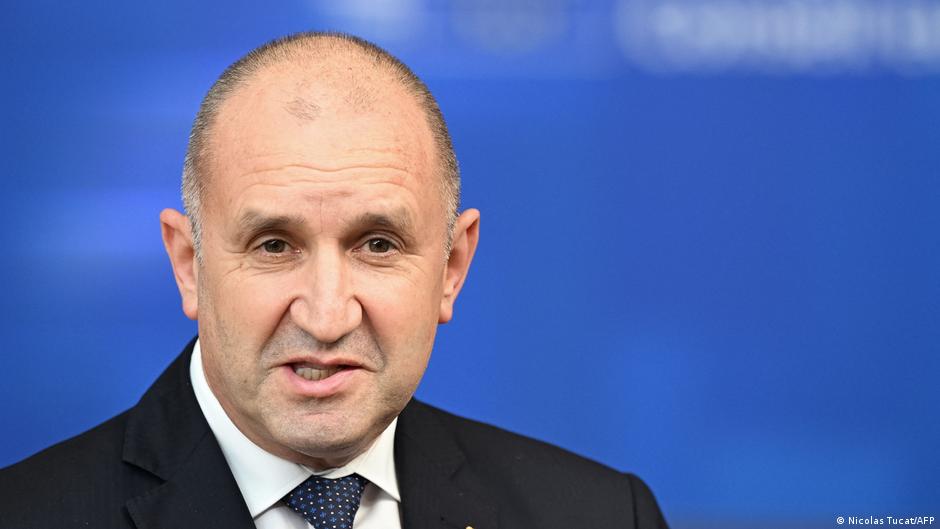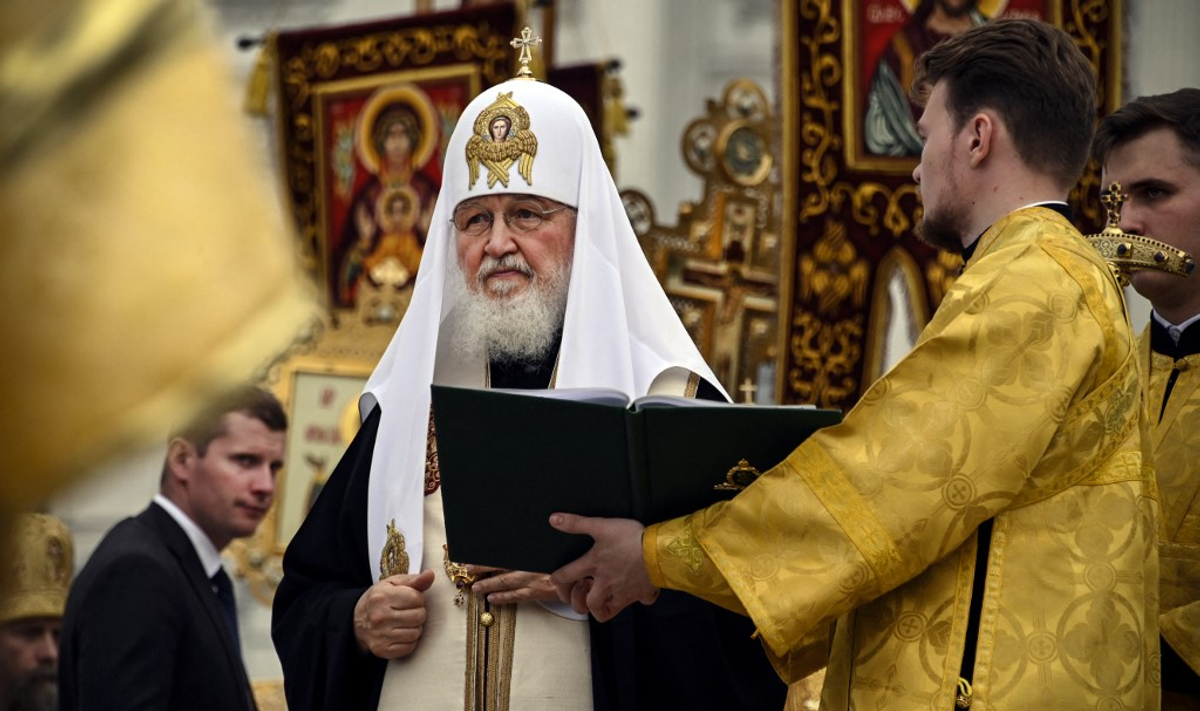
The European Union’s latest attempt to enforce sanctions against Patriarch Kirill, leader of the Russian Orthodox Church, has been thwarted by Bulgaria’s veto. Bulgaria objected to the blacklisting of Kirill and Vagit Alekperov, a prominent shareholder in Lukoil, citing concerns over religious freedom and national energy interests. This development represents a significant hurdle in the EU’s ongoing efforts to impose a unified sanctions package against Russia in response to its invasion of Ukraine. The necessity for unanimous approval among the 27 EU member states for sanctions has allowed Bulgaria to exercise its growing diplomatic influence, replacing Hungary as a key opponent in this context.
Key Takeaways
Bulgaria’s veto appears to highlight fragmentation within the EU regarding its sanctions strategy against Russia, suggesting potential challenges in achieving consensus.
The decision may indicate a shift in EU dynamics, with Bulgaria leveraging its position to protect its national interests, including energy security.
Market pricing suggests that this lack of EU unity could be interpreted as supportive of scenarios where Russian military actions might continue with less resistance.