In 2018, Kristine Fifer was lucky to avoid bankruptcy.
Her son, Eddie, had lost the nurse provided to him by the state after he turned 22. Maryland health officials told Fifer that he didn’t qualify for nursing care, even though Eddie’s cerebral palsy, feeding tube, and other complex medical conditions require around-the-clock care. Fifer spiraled as she sought to pay for the care Eddie needed. She lost her job, took on heaps of debt as bills piled up, and eventually called a lawyer about filing for bankruptcy.
“I lost everything,” said Fifer, who also has a 13-year-old son.
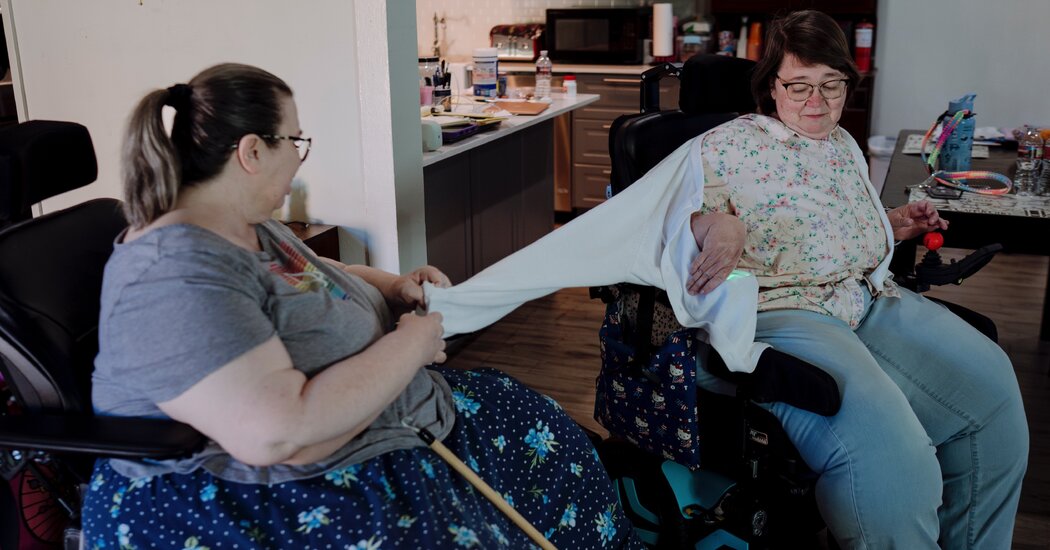
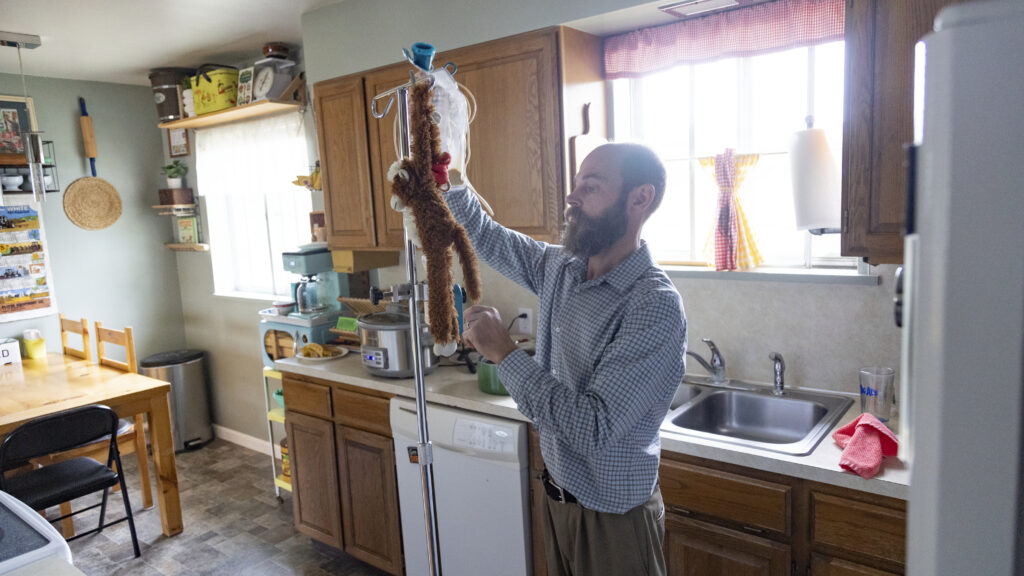
Then Fifer found out about self-direction, under which the Centers for Medicare and Medicaid Services allows Medicaid waiver participants like Eddie and their families to manage their own care and even receive payment from the state for their caregiving. The program wasn’t perfect and her debt didn’t dwindle, but Fifer was able to catch her breath as she employed her mother and a family friend to look after her son as well. The calls about foreclosing her home stopped.
But eight years later, Fifer’s luck has run out.