Some days are quiet and peaceful. Other days, Jenise Griffin’s brother Michael Griffin spends hours talking to himself out loud or laughing uncontrollably. Auditory hallucinations, episodes of paranoia and other outbursts also aren’t uncommon throughout the day.
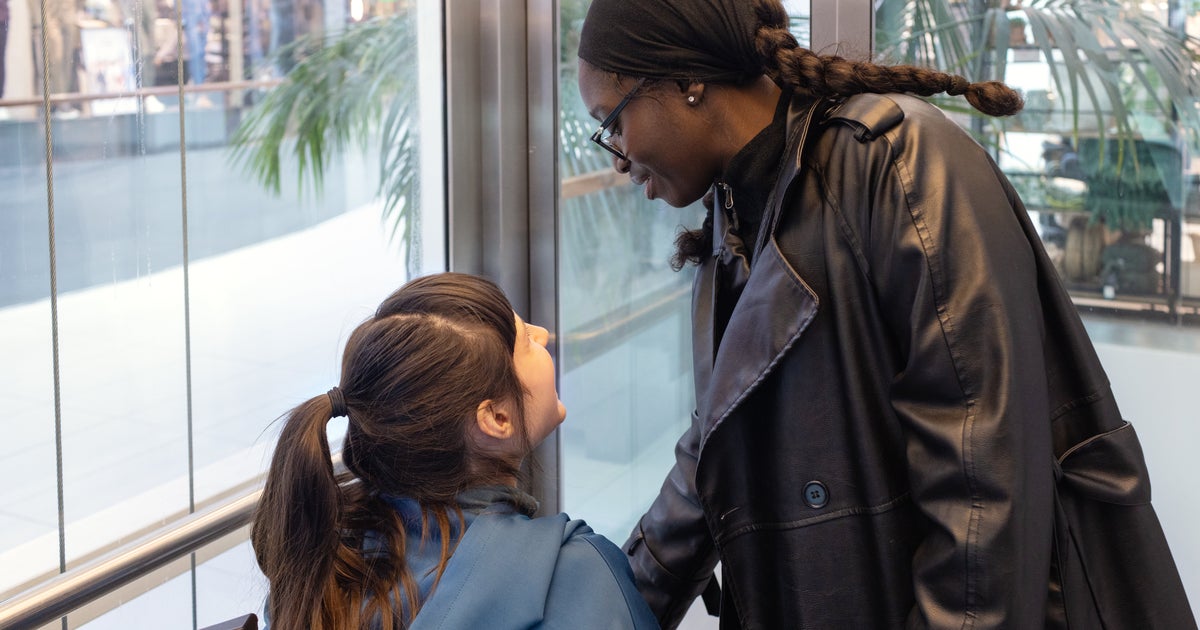
Michael, 59, was diagnosed with schizophrenia in the 1990s, and spent 23 years at state hospitals and jails, including one in their hometown of Naples, Florida. For the past three years he has lived with Jenise, 67, in Riverview, a small city about 20 minutes from Tampa, where she has been his full-time caregiver.
Even though she works from home, balancing caregiving for Michael with her own busy work schedule has been a challenge for Jenise. “I have to take care of his medications, doctors’ appointments, therapists and case worker schedules, so his needs constantly interrupt my day,” she said. It has also taken a toll on her health: Jenise was diagnosed with bradycardia —a heart rate that’s slower than normal — in December 2023 and had to get a pacemaker. She has moderate asthma and takes medication to manage her depression. “The stress of taking care of him has made me sick,” she said.
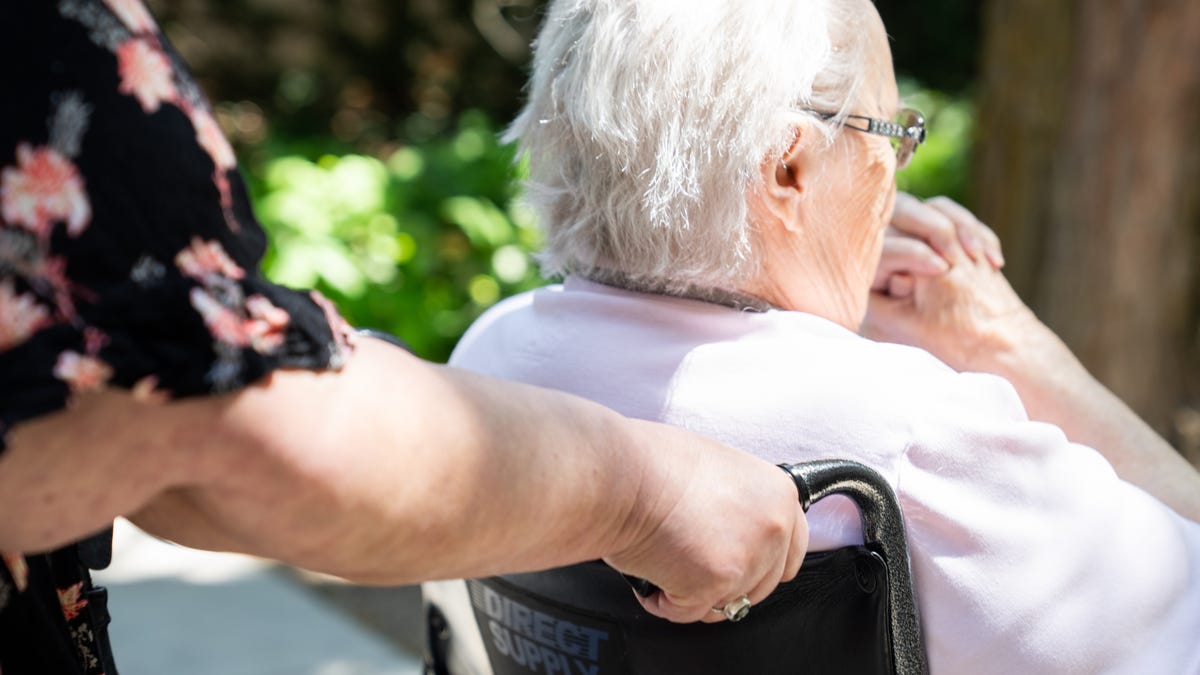
Jenise is far from alone. Although it’s difficult to determine how many caregivers there are in the United States, AARP estimates that there were 53 million in 2020. Caregivers can be family members or hired professionals, paid or unpaid, full time or part time. But unlike professional home health aides, the labor family caregivers provide is unpaid, and often invisible yet expected by other members of the family.