There are definitive moments in regional politics when a single cultural event ceases to be just an isolated incident and becomes the volatile starting point for a much larger institutional conversation.
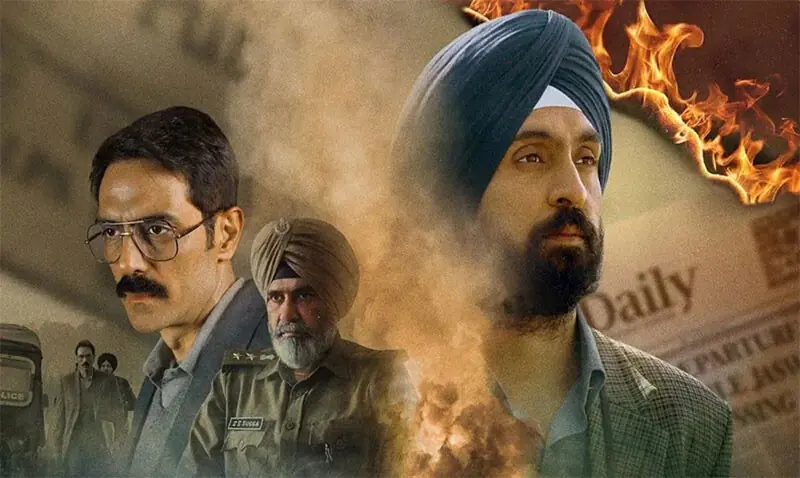
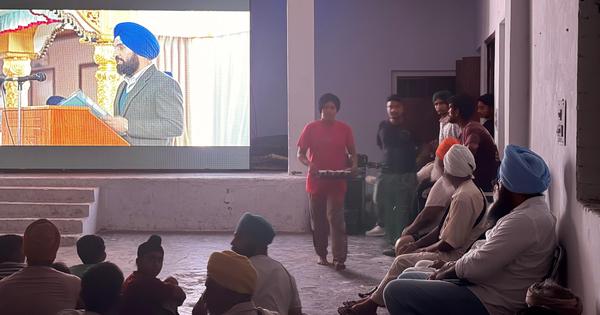
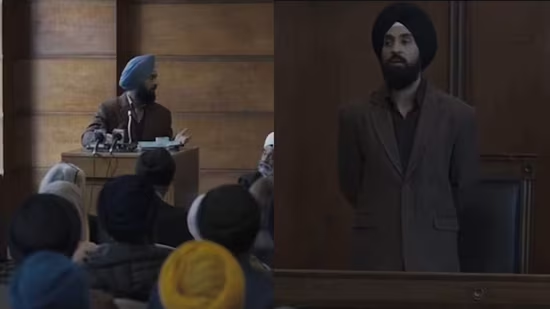
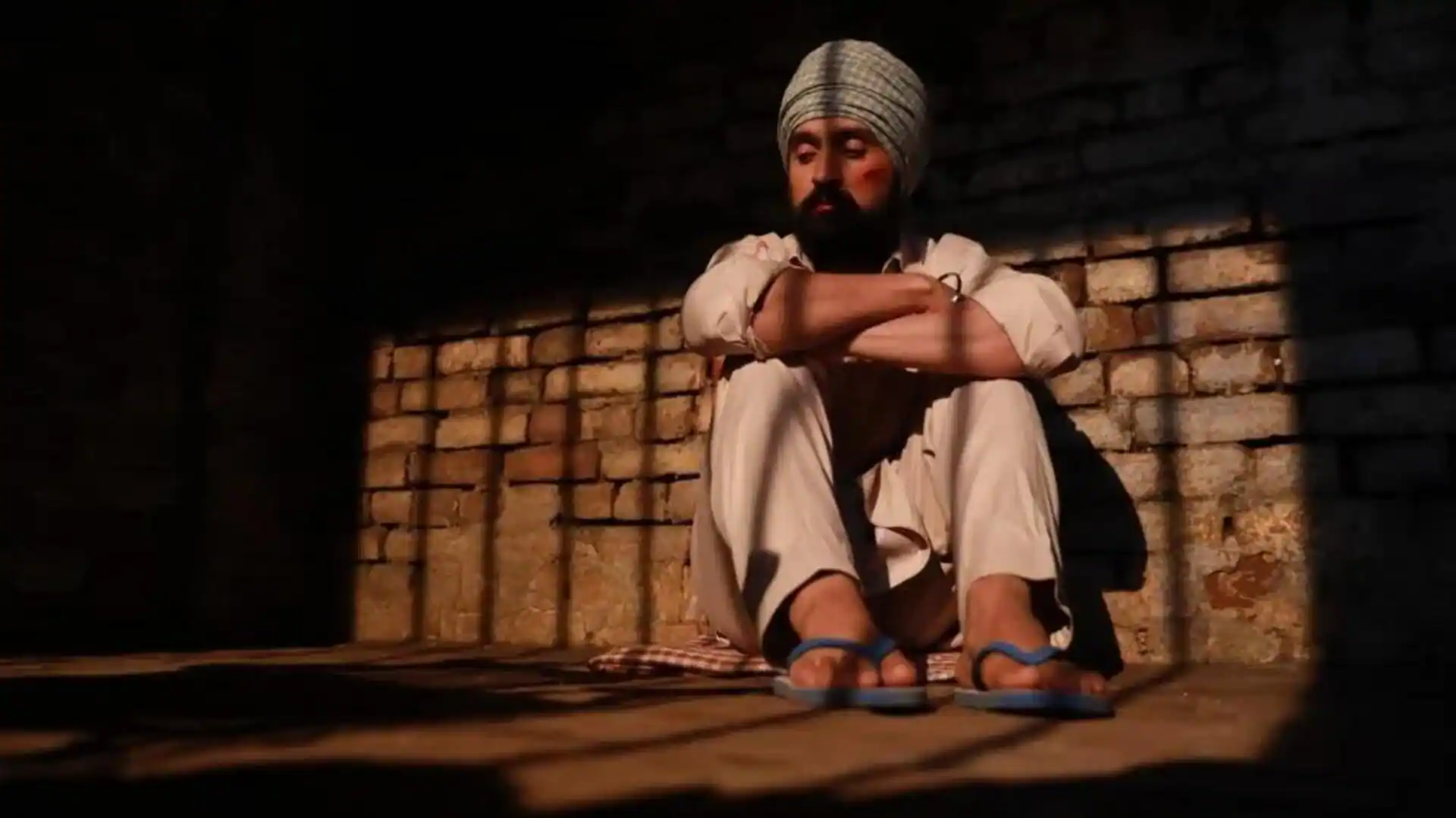
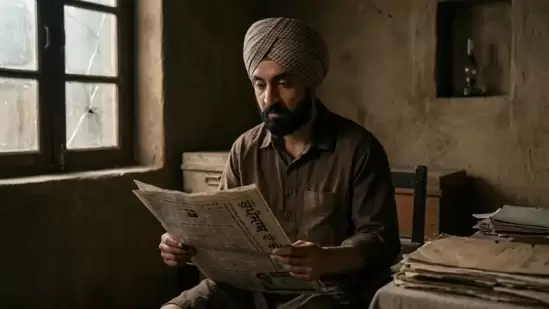
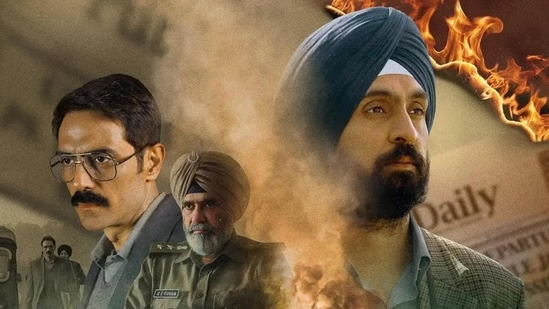
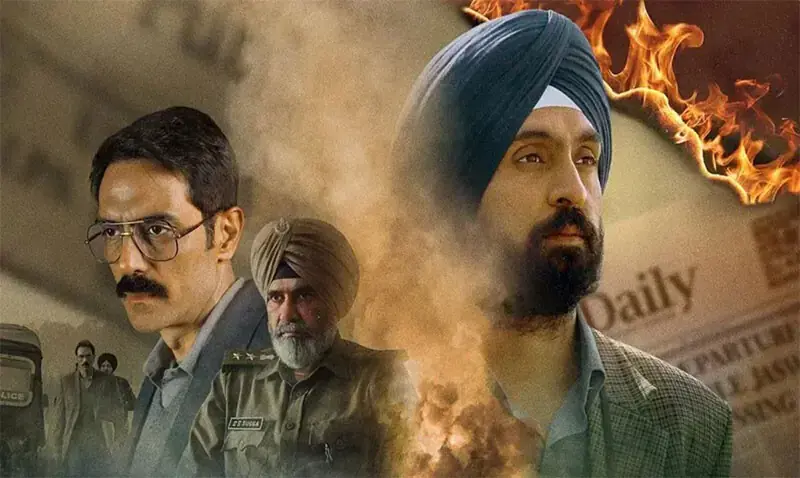
India’s strategic northern border state of East Punjab is currently witnessing one such structural shift. What began as an administrative and creative dispute over the Punjabi feature film Satluj has rapidly broken past the boundaries of cinema, censorship, and artistic freedom. Within days of the film’s abrupt removal from a prominent digital platform following federal interventions under Section 69A of the IT Act citing public order risks, this has triggered a cascade of political reactions that extend far beyond the entertainment industry.
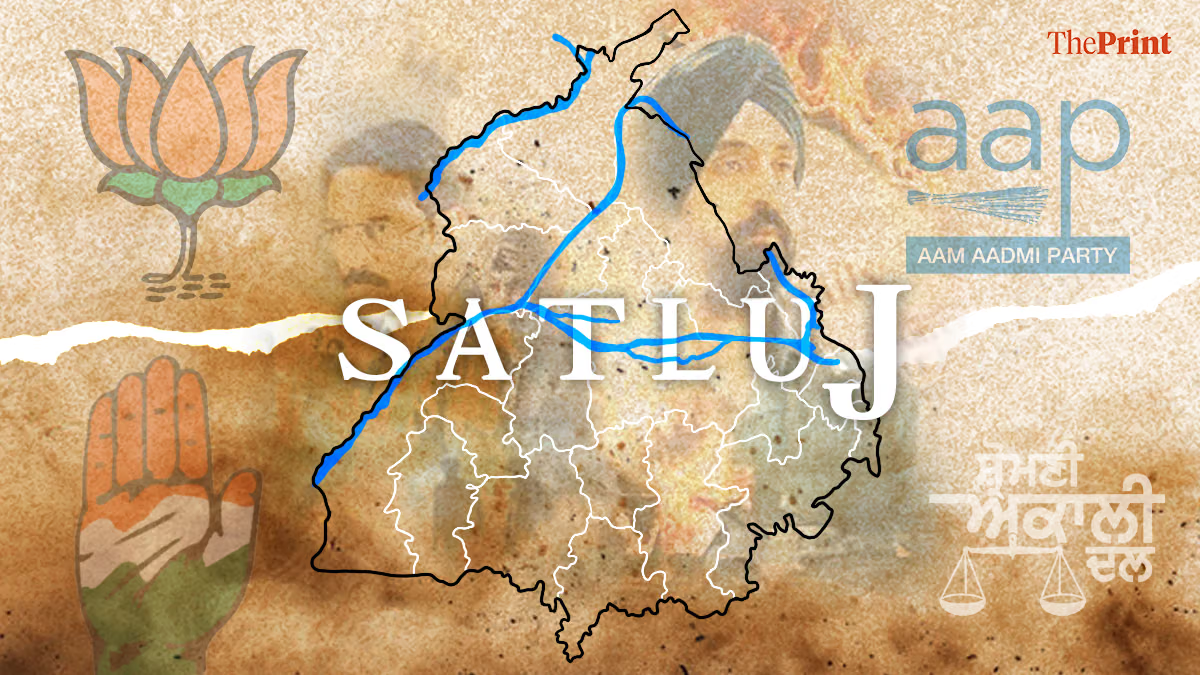
The development has systematically reopened deep-seated historical wounds, bringing competing ideological narratives directly into the mainstream discourse as the state begins its long, volatile transition towards the crucial 2027 Assembly elections.
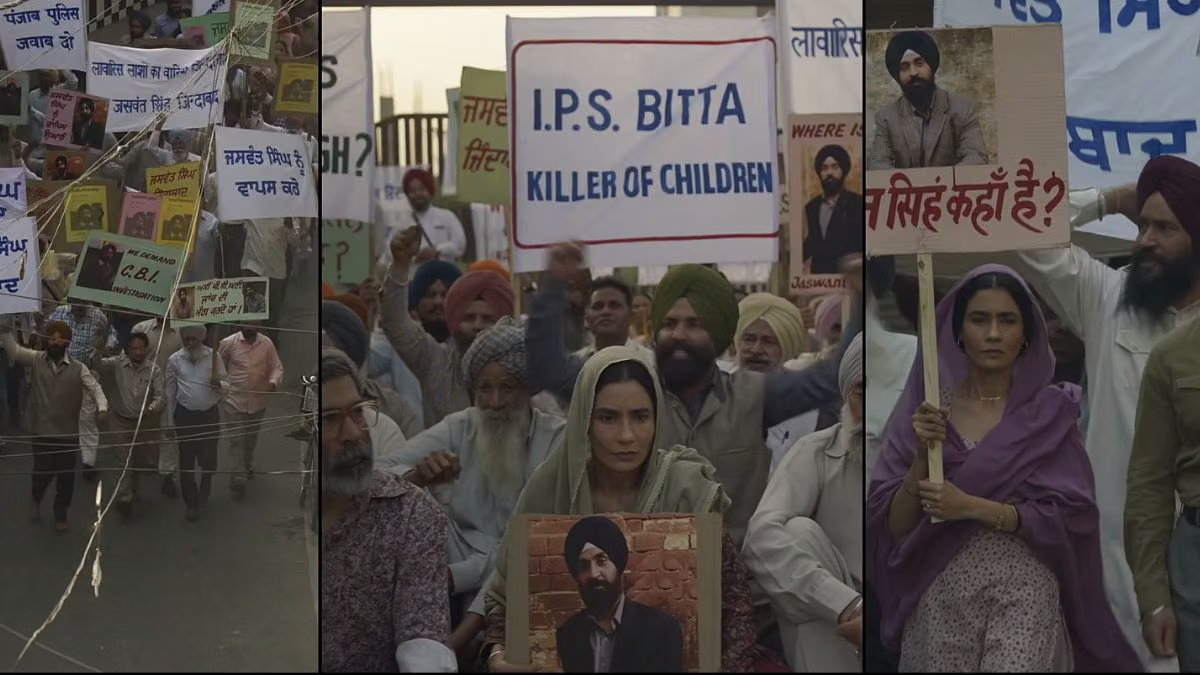
The immediate flashpoint centers on the radical shift from creative license to legal and historical accountability. Federal Minister of State Ravneet Singh Bittu, a prominent leader of the ruling Bharatiya Janata Party (BJP) and the grandson of former Punjab Chief Minister Beant Singh, who was assassinated by an insurgent car bomb in 1995, has aggressively fronted the state’s counter-narrative. By directly challenging the filmmakers to produce official judicial records, authenticated findings, and verified institutional evidence to substantiate the film’s central depiction of 25,000 missing or illegally cremated individuals during the counter-insurgency era, Bittu has shifted the debate from simple censorship to strict evidentiary proof. Warning the producers of impending structural legal action for propagating unauthenticated and inflammatory claims as settled history, Bittu effectively questioned the deliberate omission of the systemic, targeted massacres of thousands of innocent civilians and minority Hindu families by militant groups during the state’s darkest years of terrorism.