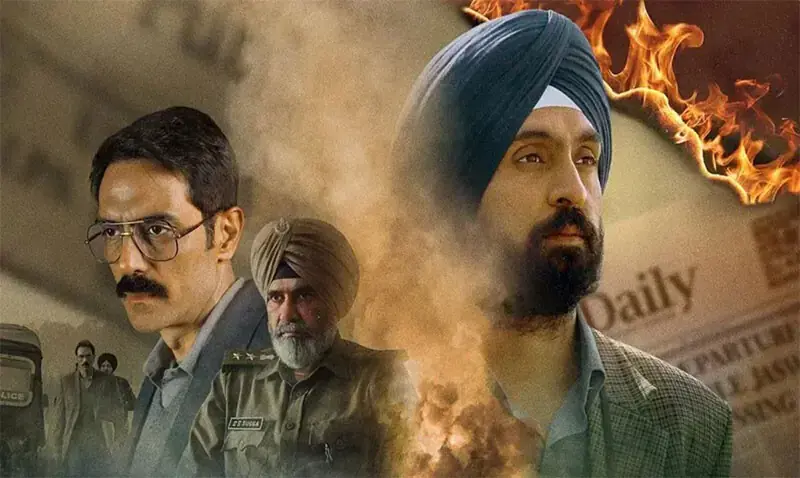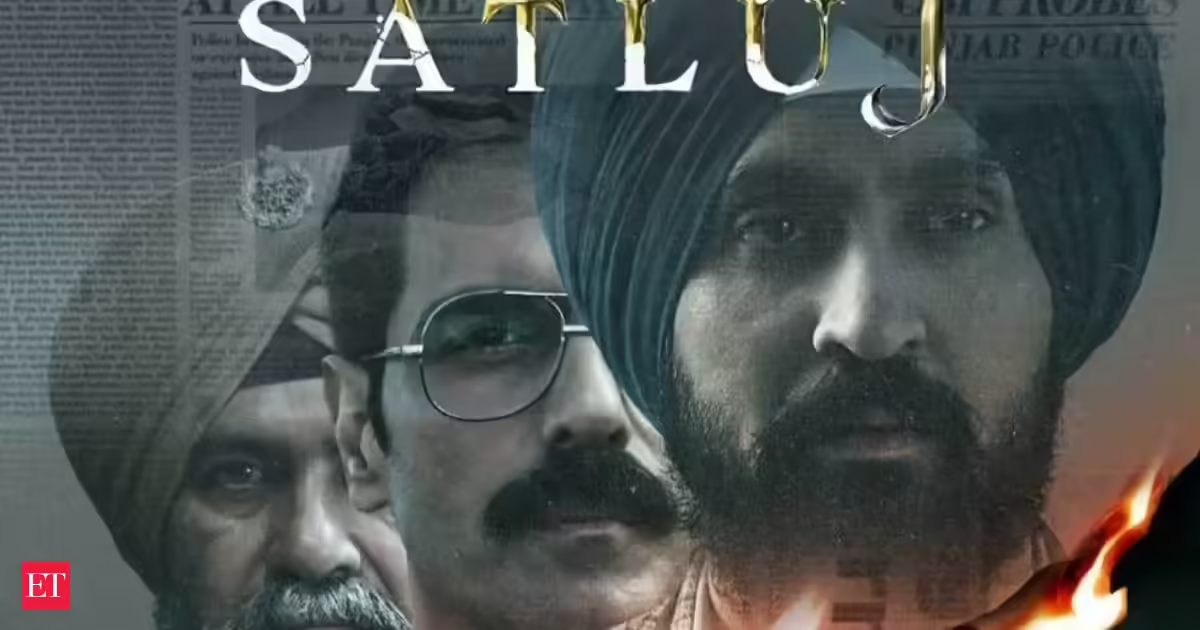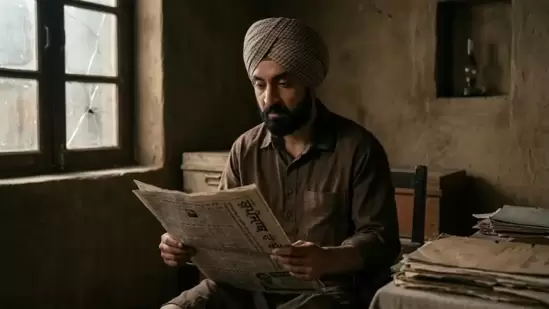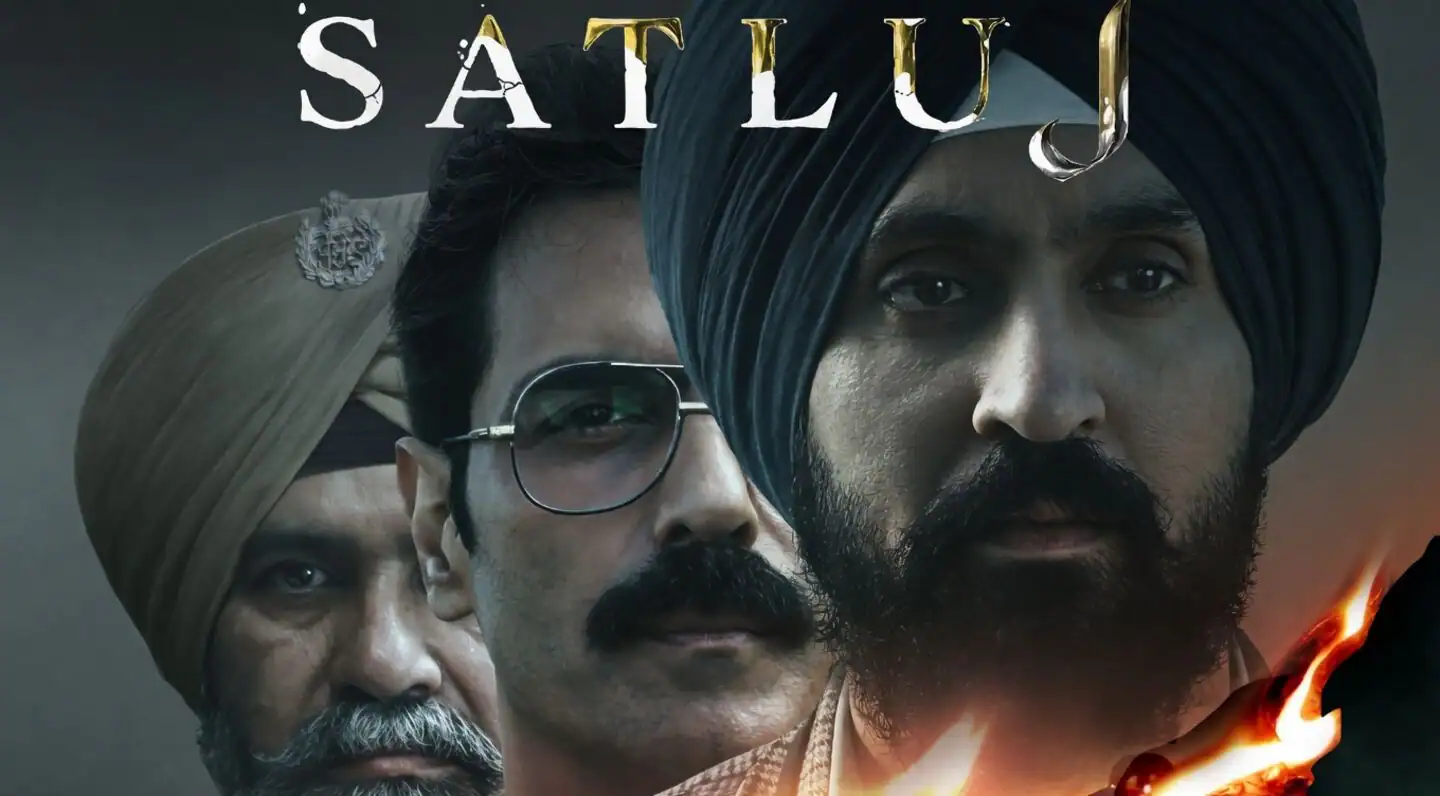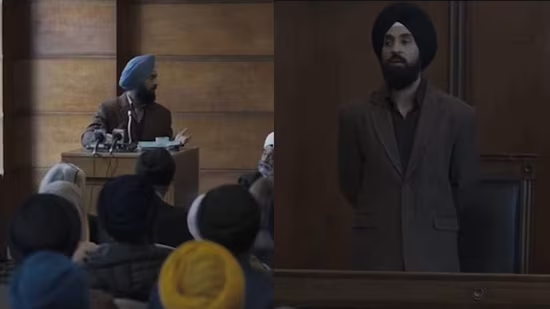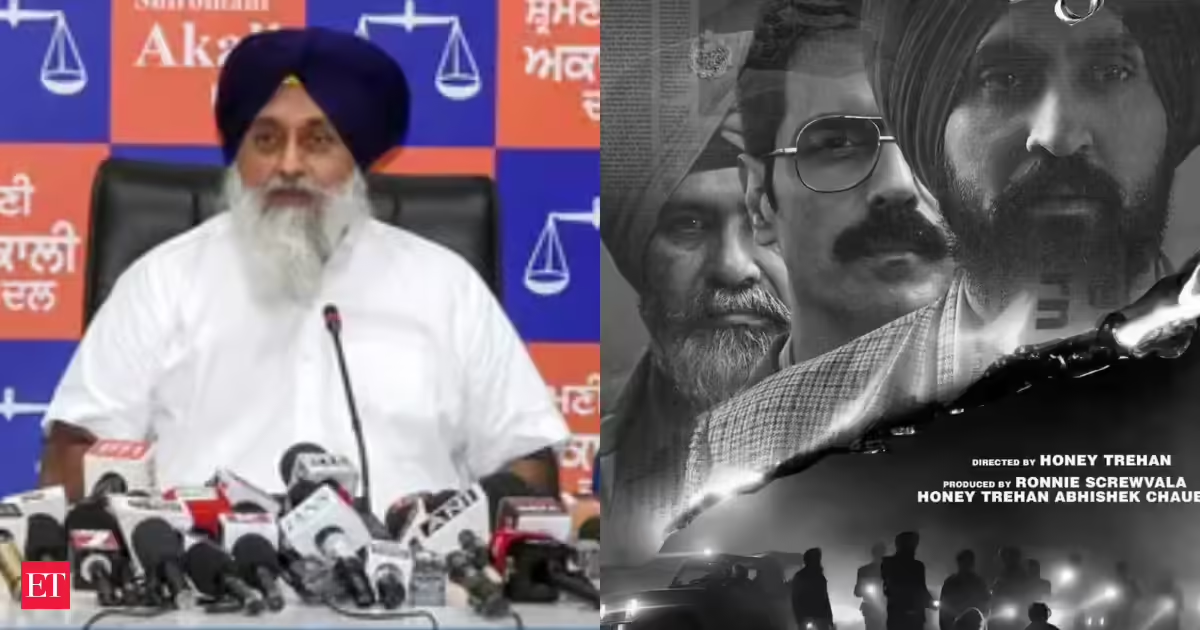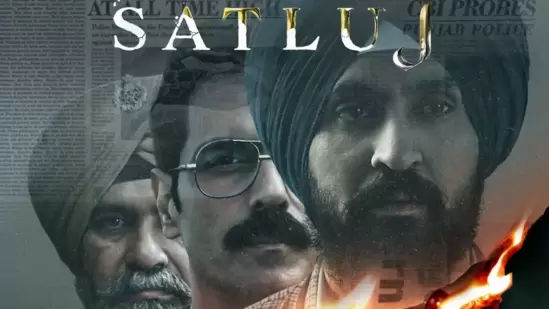
Even in the most innocent times nobody in Punjab would believe that the OTT release and then sudden withdrawal of Honey Trehan/Diljit Dosanjh’s Satluj was without political motives.
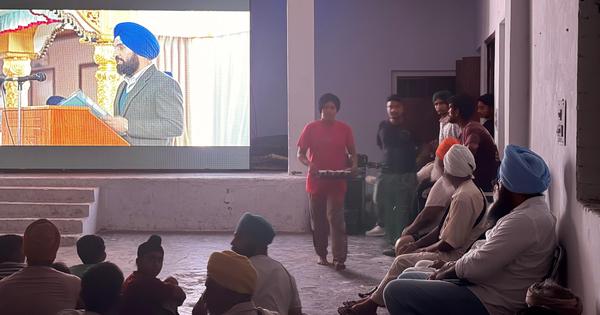
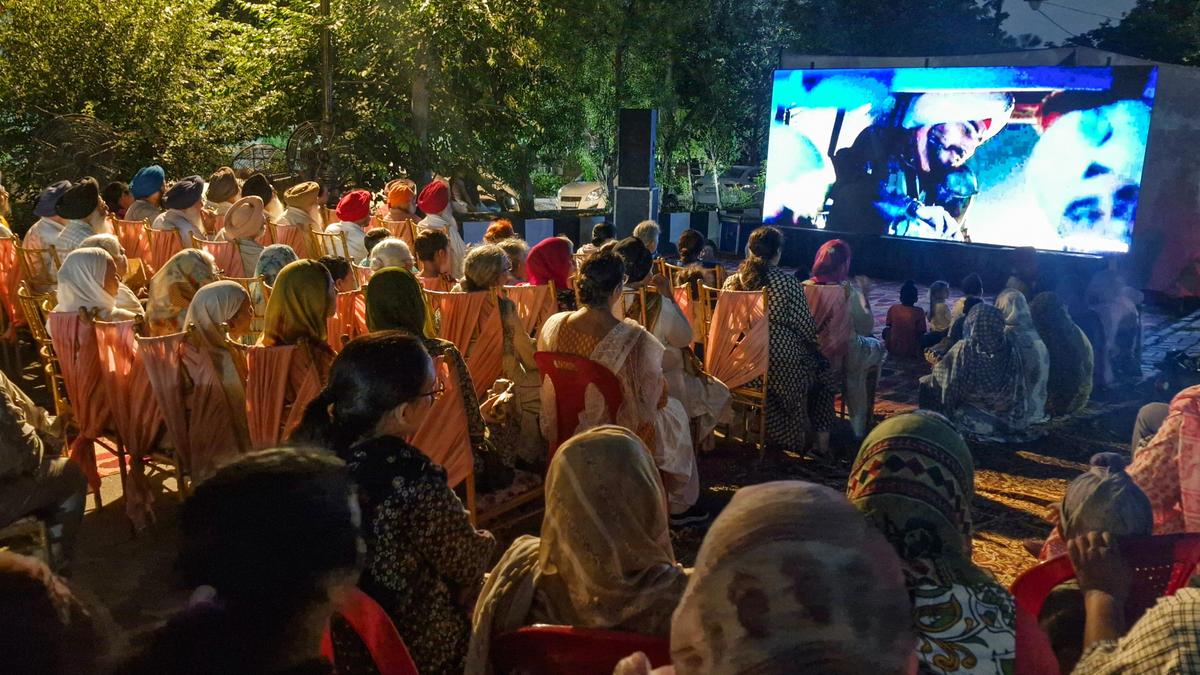
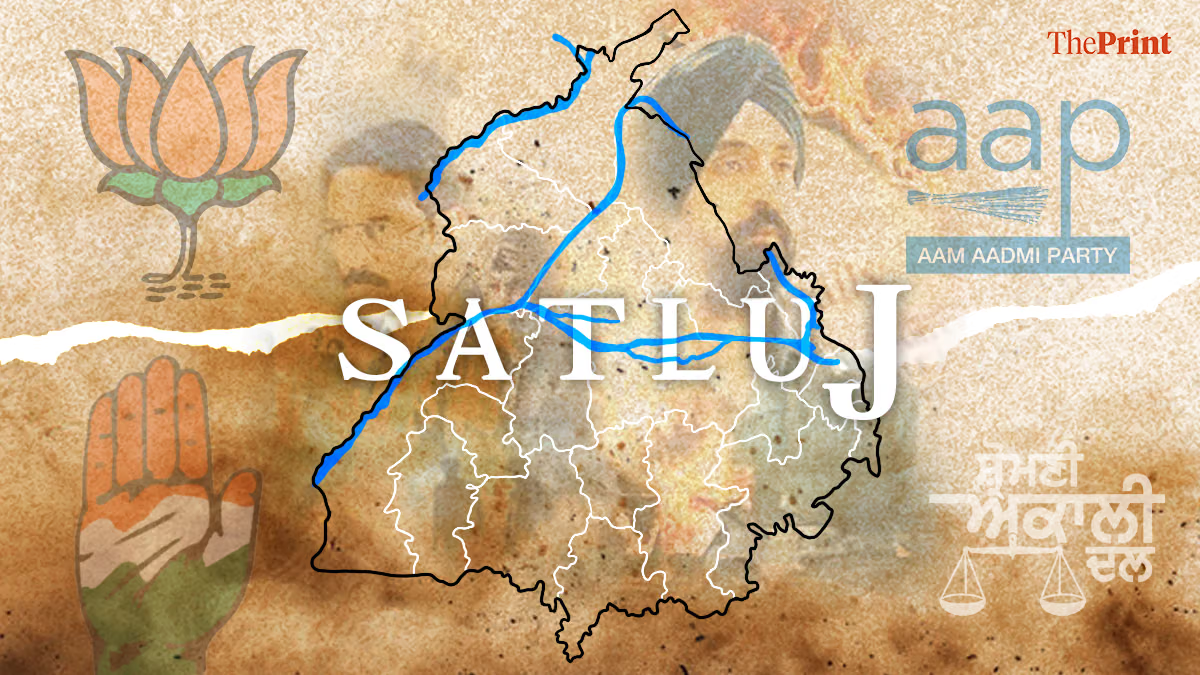
In this era of conspiracy theories, everybody in Punjab seems to have their own ‘insight’ into this. If the BJP wanted to stop the film, as CBFC’s 127 proposed cuts showed, it could’ve easily made sure Zee wouldn’t release it. It’s also owned by somebody close to it politically.Then, why would he pull it in 48 hours? Everybody would’ve known that once out in digital form, it will be shown widely. If anything, the controversy will give it more fire and fury. The buzz in Punjab headed for elections early next year is: who benefits the most from this controversy? Or who will it hurt the most? As usually happens, one outcome leads to the other.
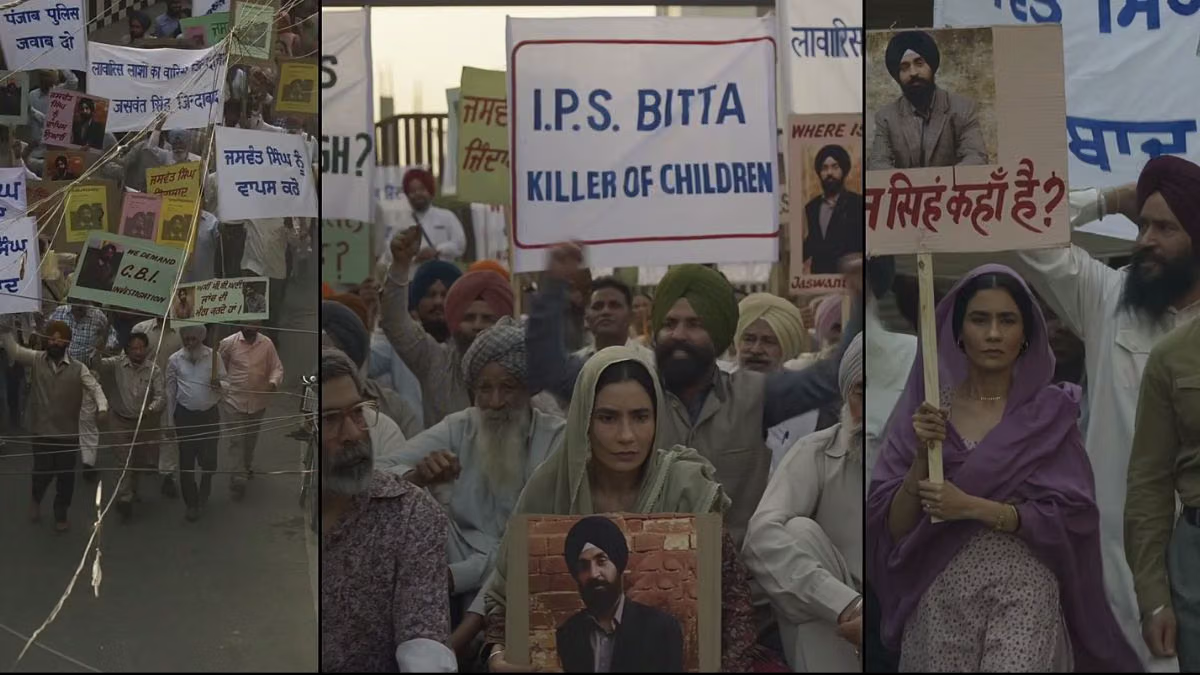
Let’s list four things the film does.One, by focusing on just the man who investigated ‘fake’ encounters after the militancy was over, it’s playing into a generation-old grievance. The film will rekindle fresh anger with its revisionism.Two, in a hardly subtle way, there is heroism bestowed upon the militants. Watch the way the 31 August, 1995 human bomb assassination of Chief Minister Beant Singh is portrayed. In the background plays the foremost Sikh verse of martyrdom in battle.Three, while it’s bound to anger many younger Sikhs with no lived experience of the decade of terror, those particularly affected will be the Jats (‘Jutt’ in Punjab), especially among the more religious and conservative sections. A critical mass of them, in terms of a percentage of overall demographics or voter base, live in Punjab’s border districts and traditional strongholds of the Shiromani Akali Dal.And four, overtly the film is so apolitical as to be anodyne. It’s as if this was a private war between the militants and the police.We only know the demographic it’s bound to trigger the most. They’re the relatively conservative sections of the Jutt Sikhs, especially in rural constituencies.