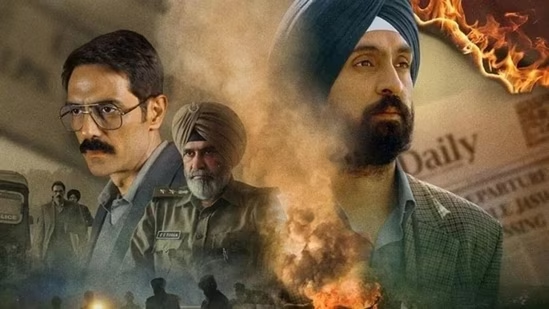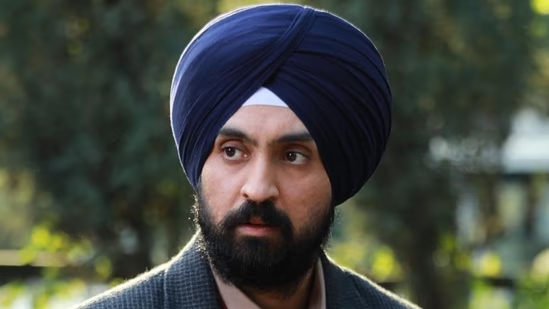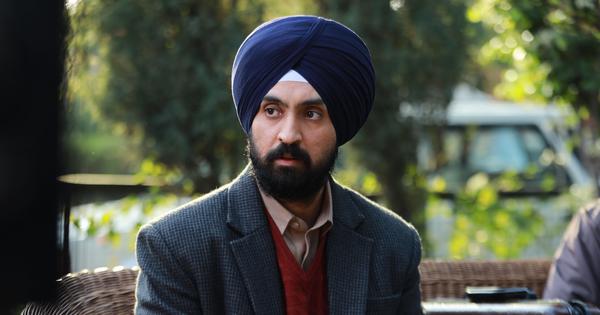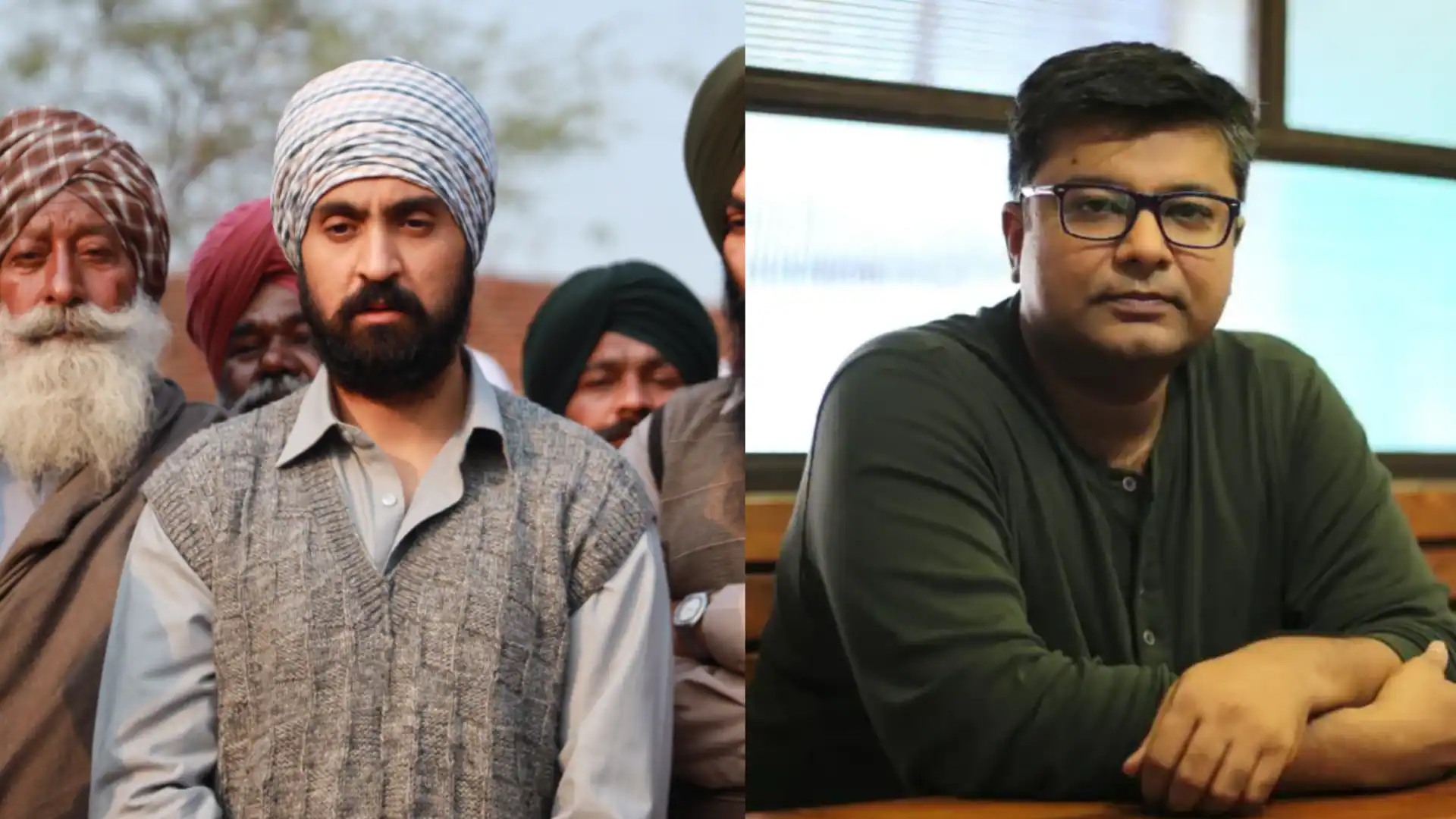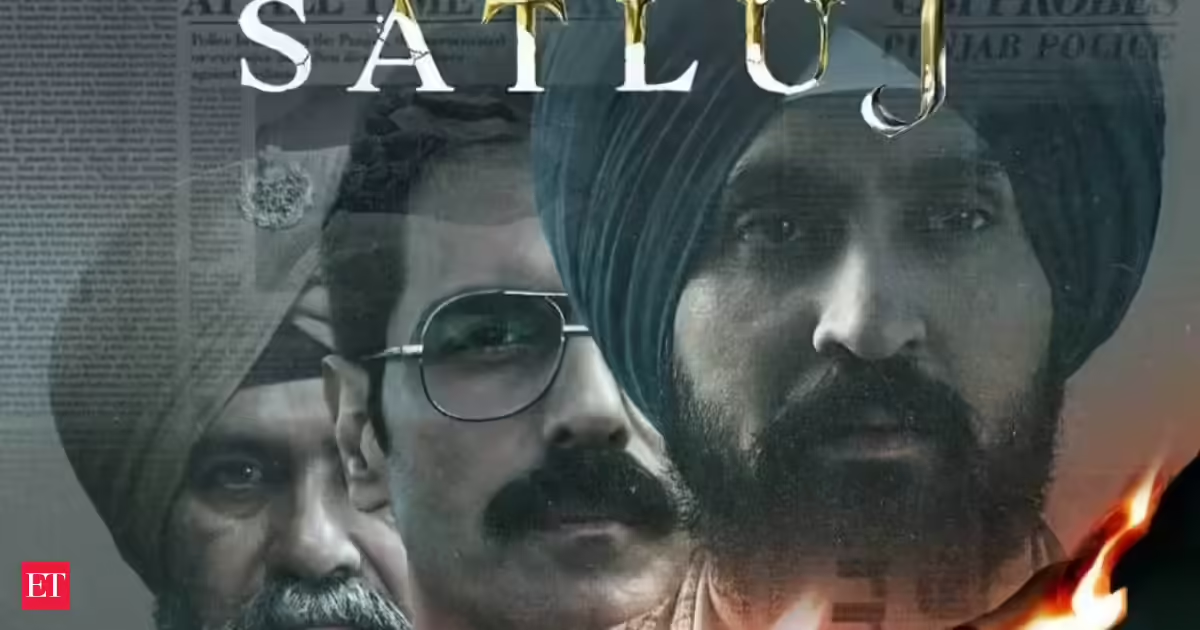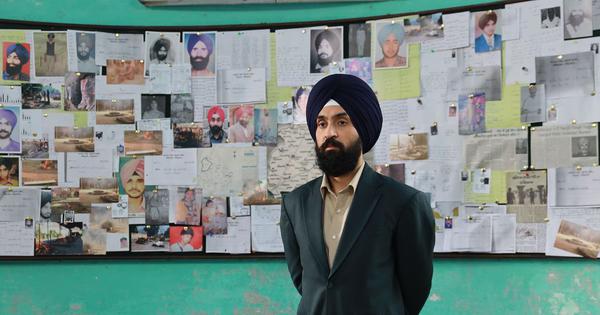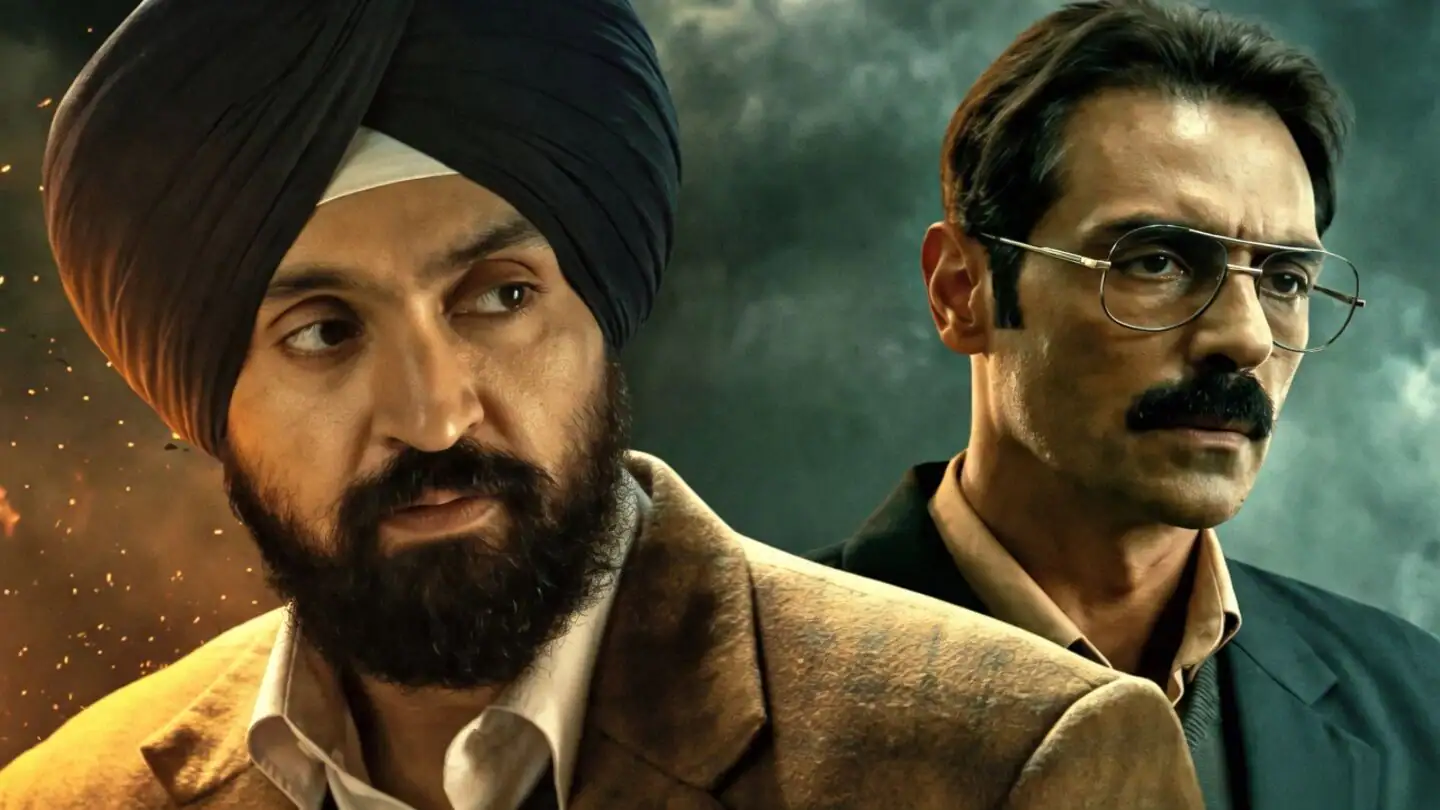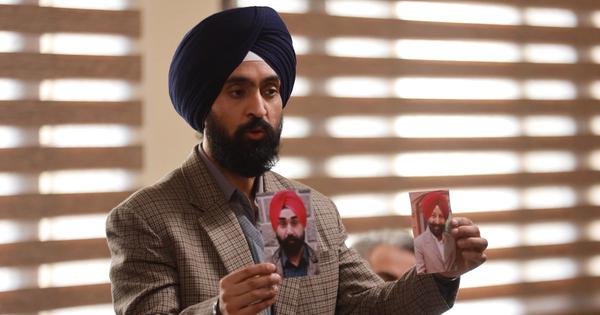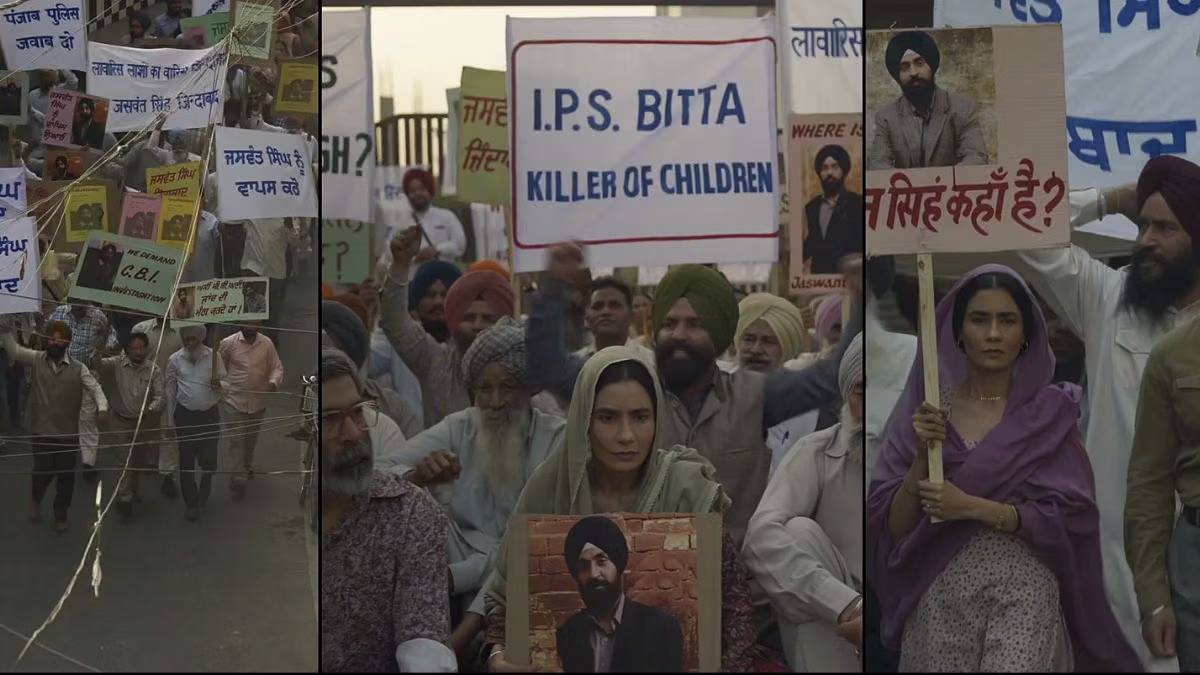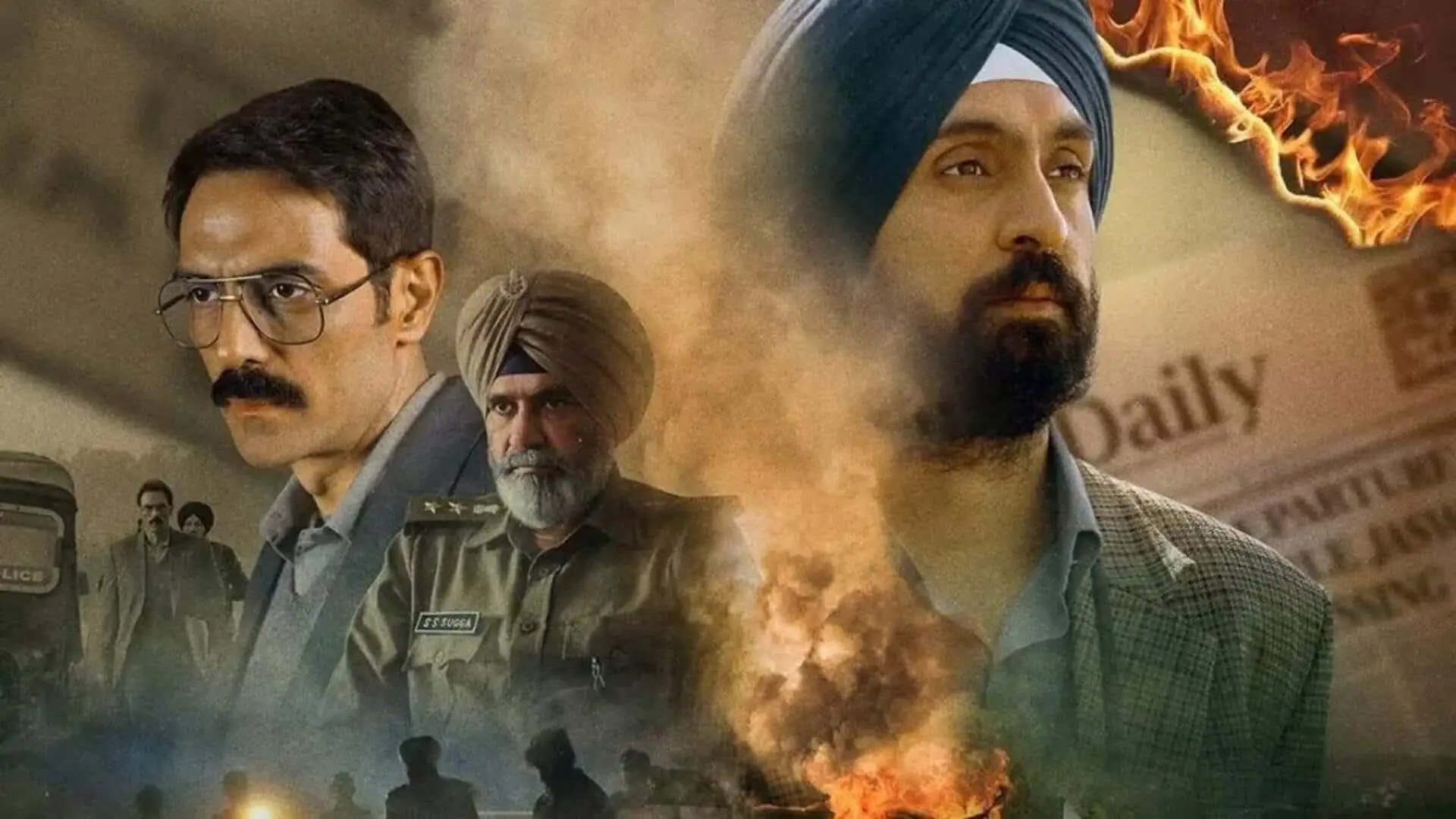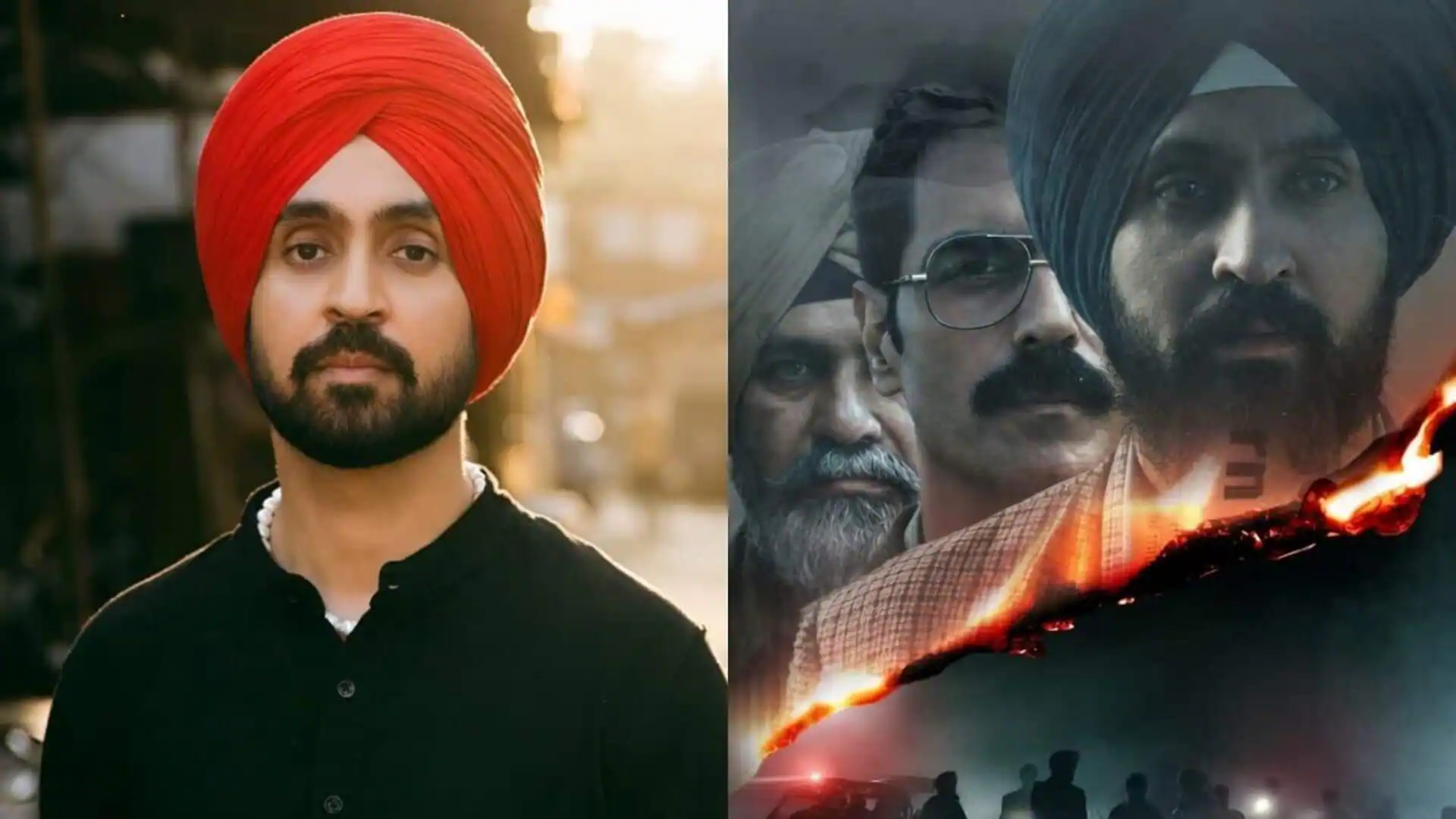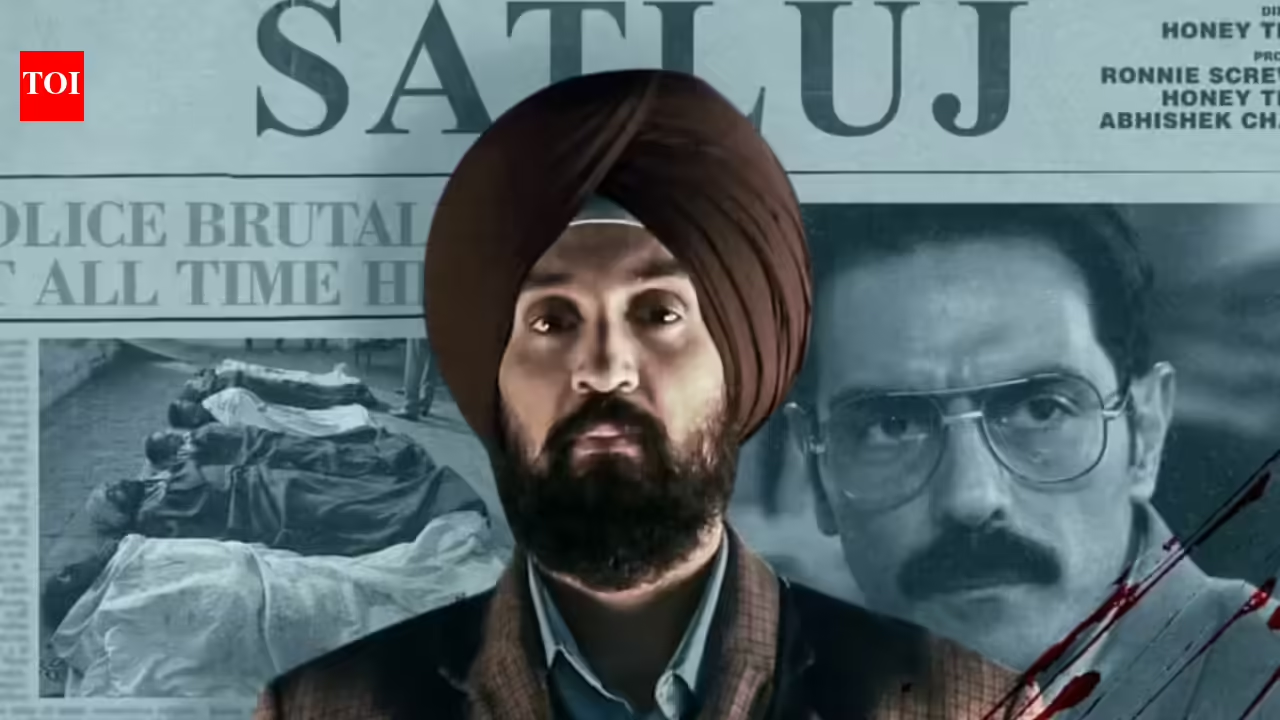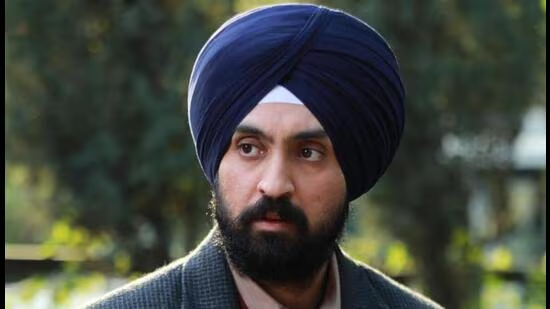
The government and the system have shot themselves in the foot over both the much-delayed release and the prompt takedown of the Diljit Dosanjh-starrer Satluj. Ironically, the BJP government has been on a feverish spree of backing and even sponsoring politically loaded movies on sensitive subjects, including Kashmir. It even smiled patronisingly on the celluloid jingoism of a rank low-calibre commercial like Dhurandhar. So, it is amusing to watch the system acting so sensitive over a film that has an extreme political sensitivity in another direction.Diljit Dosanjh as Jaswant Singh Khalra in a still from Satluj.True, political bosses and the system don’t generally act in harmony. At times, political bosses may not even know how the bureaucracy is taking decisions for which the buck will eventually stop at political doors. Still, on Satluj, it is hard to believe that the government knew nothing about the film while clearing it for screening—particularly as the clearance itself followed years of controversy. The sudden takedown midway through only the second day of screening symbolises a muddle-headed approach to issues that require administrative and ideological clarity.One layer of tragedyAbout the film itself, it seeks to tell the truth on only one layer of the multi-dimensional reality of a tragic era in Punjab: The brutality of police excesses. The film portrays that dimension to perfection. For that, it easily gets a top rating. No one should see any hidden agenda behind its unfiltered depiction of reality in its chosen area. If it makes us feel uncomfortable about ourselves, that discomfort must be taken as a cue for collective introspection and correction.That said, a comprehensive, impartial, and unbiased depiction of the full story of Punjab’s tragedy will still have to wait. In all probability, the whole truth will never be told. What we will keep getting are just bits of the truth viewed from one or another vantage point. But these bits still belong to a larger truth which no one wants to face as a whole. The limited scope of the film need not be held as an argument to stop its release.It is perhaps a genetic human itch to treat one’s favourite version of truth as the whole truth. Satluj is no exception. Some will see in it a vindication of their view. Others will feel uncomfortable because they know this part is actually an undeniable reality. Still others will feel that their portion of the tragedy does not find a mention in a story which “pretends to be history.” And all of them will be right.The film honestly tells the story it claims to tell; it does not claim to tell the whole story of an epic tragedy. That would require a William Wyler, a David Lean, or a Richard Attenborough. And even if they could tell Punjab’s epic tale, no one here would be ready to accept it. No one wants to face the un-pitying sky in its terrifying nakedness; everyone is happy in their narrow dungeons.Self-defeating logic of banRegardless of the merits of the movie, its self-declared limitations, or how much it disturbs our governmental conscience, banning it makes no sense. It is actually counterproductive. The ban will vindicate what it seeks to refute and amplify what it seeks to suppress. Like a banned book—à la The Satanic Verses—a ban on a film generally has an impact which is the opposite of what it seeks to achieve. It doesn’t require a genius to understand that. Actually, it requires another kind of genius not to understand what is so obvious to a layman.The closest anyone ever came to the whole truth of Punjab was in Mark Tully’s book, Amritsar: Mrs Gandhi’s Last Battle. Predictably, that book annoyed all the dramatis personae of the tragedy and their loyal supporters on both sides. It met the expectations of common, innocent Punjabis, including the Sikhs, but its brutal impartiality hurt the radical fringes on both sides who insist on seeing only their version of events.Everyone loves to speak about the whole truth, but no one has the courage to face it. The reason is simple: The whole truth forgives no one—not me, not you. Therefore, what everyone wants is to hear their side of the truth presented as the whole truth. We don’t want to see scars on our own faces. No one wants to invest in an honest mirror.This unwillingness to invest in truth is behind stopping the screening of Satluj, too. The takedown makes no sense, especially after editorial cuts. This decision paints the system as utterly confused and clueless about its long-term policies on stability, security, peace, and harmony. The country would do itself a favour by appearing honest about its mistakes and courageous in accepting them. Otherwise, the film will end up as a grim archival commentary titled, Satluj: India 2026. bains.bains@gmail.comThe author is a freelance writer and a long-time adviser to former Punjab chief minister late Parkash Singh Badal. Views expressed are personal.
Guest Column| Satluj: Facing the whole truth
The sudden takedown of the film symbolises a muddle-headed administrative approach. The film honestly tells its chosen story of police excesses, but its suppression proves our collective unwillingness to invest in an honest mirror.
823 words~4 min read