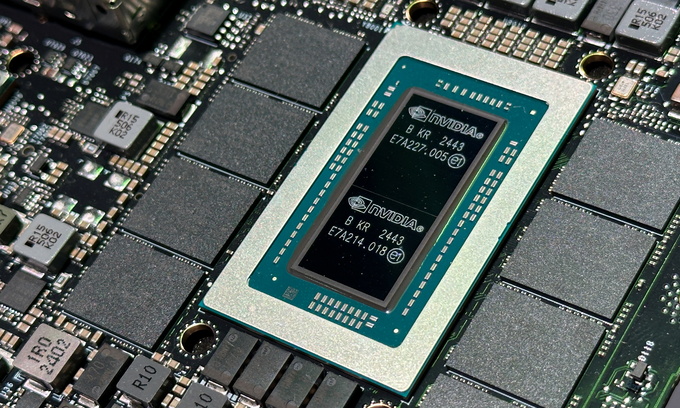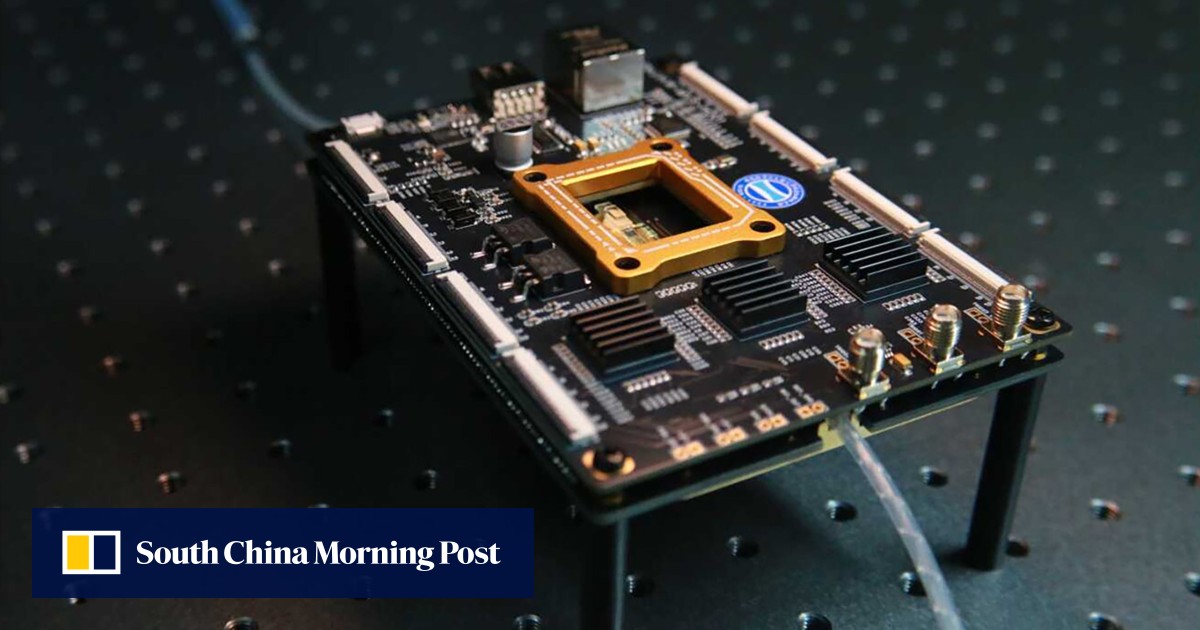
Chinese researchers have developed a new all-optical interconnect system linking standard electronic chips, boosting AI distributed inference speeds by over 100 times while using just one-ninth of the typical computational resources.As AI models permeate ever more applications, the industry’s appetite for computational power has grown insatiable. The conventional response has been to pile on more GPUs and build ever-larger data centres in a seemingly endless race for energy and brute force.But a new study from Peking University suggests a radically different path: by optically linking chips with specific algorithms, they boost inference speeds by a factor of over 100 while slashing compute needs to just one-ninth.The work was published in the journal National Science Review, and its corresponding authors include Shu Haowen and Wang Xingjun from Peking University. (A digital object identifier for the paper appears at the end of the story.)The team’s “Lego” building blocks were Field-Programmable Gate Array (FPGA) chips: programmable devices widely used in fields that demand high parallel-processing capability, such as missile guidance, autonomous driving and data centres.03:51Space computing: what is it, why move computing into orbit and where does China stand?The “joints” connecting these FPGAs are two custom-designed communication hardware components. The first is a silicon photonic transceiver chip running at 400 gigabits per second, responsible for converting electrical signals to optical and vice versa.
China supercharges AI with 100-fold faster optical chip breakthrough
Peking University researchers develop new all-optical interconnect system linking standard electronic chips with specific algorithms.
220 words~1 min read