By ODUNAYO SANYA
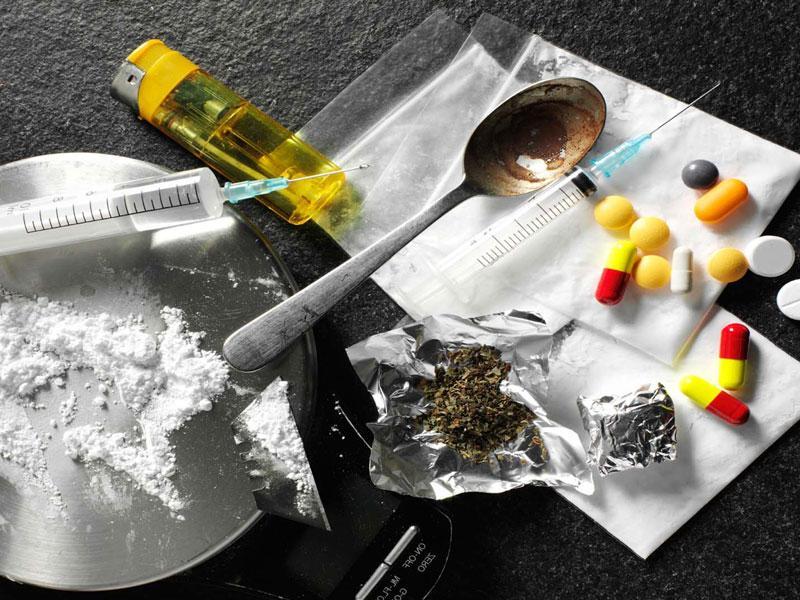
Leadership, in its truest essence, is not about the titles we hold or the executive seats we occupy; it is about the responsibility we assume for the future of our communities. According to John Maxwell, a leader is one who knows the way, shows the way, and goes the way. As we commemorate World Drug Day (June 26), we are collectively confronted with a sobering reality that demands that we intentionally create the conditions for Nigerian youths to thrive. This year’s global theme reminds us that the fight against substance abuse demands a collective response because its consequences extend far beyond the individual, affecting public health, economic productivity, community wellbeing, and national development.
To understand the weight of what is at stake, we must anchor our empathy in empirical truth. The United Nations Office on Drugs and Crime (UNODC) Drug Use in Nigeria Survey (2018), still one of Nigeria’s most comprehensive national assessments of substance abuse, revealed a deeply distressing reality. Nearly 14.3 million Nigerians aged 15 to 64 had used psychoactive substances. While the survey remains an important benchmark, the passage of time since its publication underscores the urgent need for more current data to guide prevention and intervention efforts. Nonetheless, the survey revealed that one in every four drug users in Nigeria was a woman, while the highest concentration of users was found among young people. This is not just a health crisis; it is an economic crisis and a systemic threat to our nation’s future leadership.