“The true measure of a society is not only how it responds to crises, but how effectively it prevents them.”
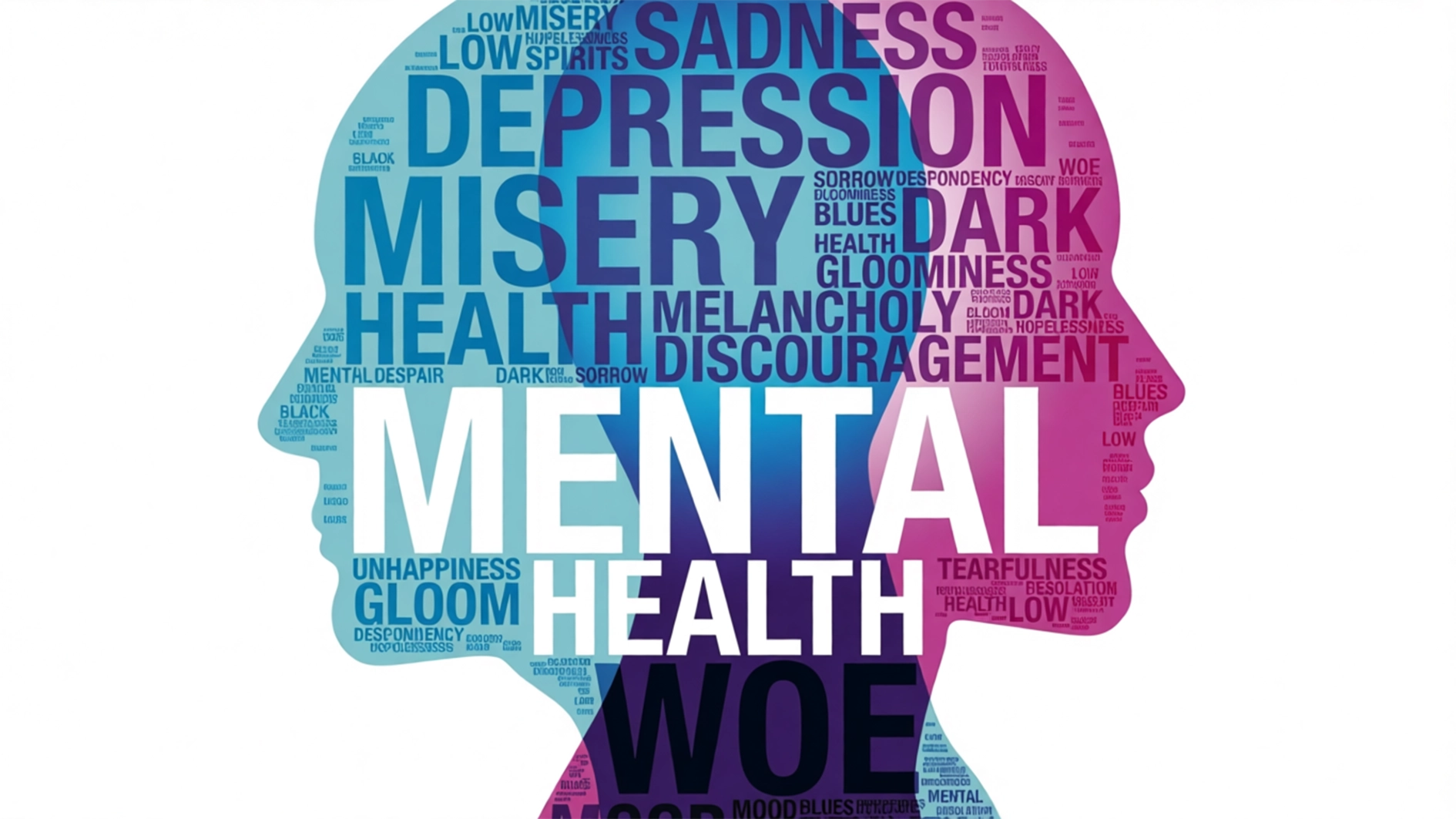
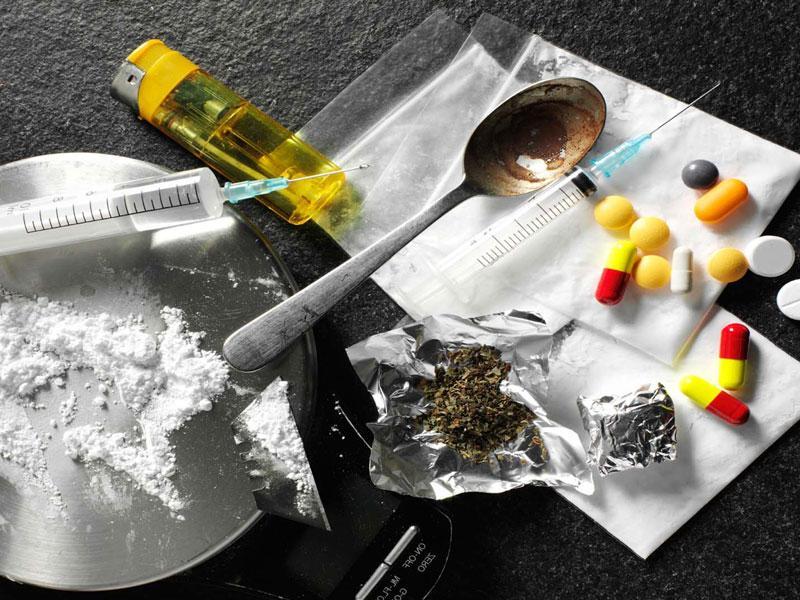
Nigeria’s conversation on drug abuse is evolving, and rightly so. Increasingly, there is recognition that substance use is not solely a law enforcement concern but also a public health and development issue that requires a broader and more coordinated response.
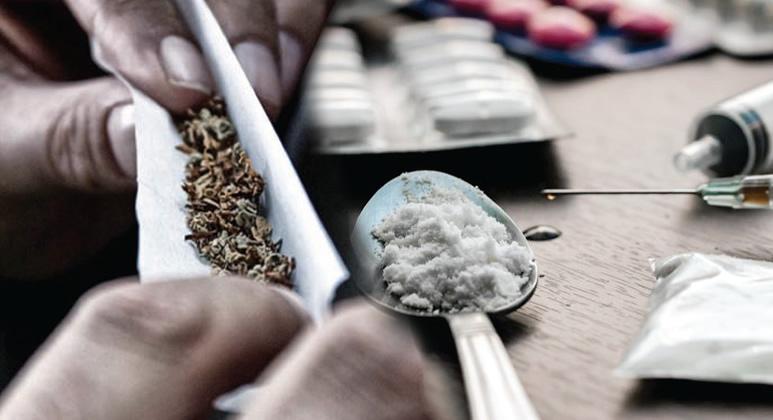
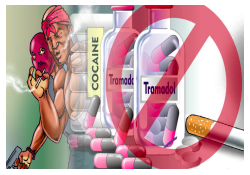
Evidence has long pointed in this direction. Nigeria’s first National Drug Use Survey estimated that 14.3 million Nigerians aged 15–64 had used drugs other than alcohol and tobacco, while over 4.6 million people reported non-medical use of opioids such as tramadol, codeine, and morphine (NBS, 2018). The findings highlighted not only the scale of substance use but also significant gaps in prevention, treatment, and rehabilitation services.
While drug abuse affects individuals, its impact extends further. It influences educational attainment, workforce productivity, family wellbeing, and broader social development. Addressing it therefore requires looking beyond individual behaviour and examining the social, economic, and health factors that can increase vulnerability to substance use.
This does not diminish the importance of enforcement. Efforts to disrupt the supply of illicit substances remain critical. However, international experience consistently shows that sustainable progress is achieved when supply reduction is complemented by investments in prevention, early intervention, treatment, rehabilitation, and community support systems. Related News NDLEA nabs 75-year-old grandma, 2 couples in nationwide drug raids LPG price hike changes how households cook Nigerian pensioners powering growth from the shadows