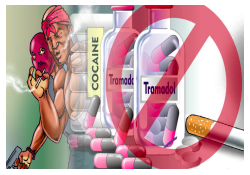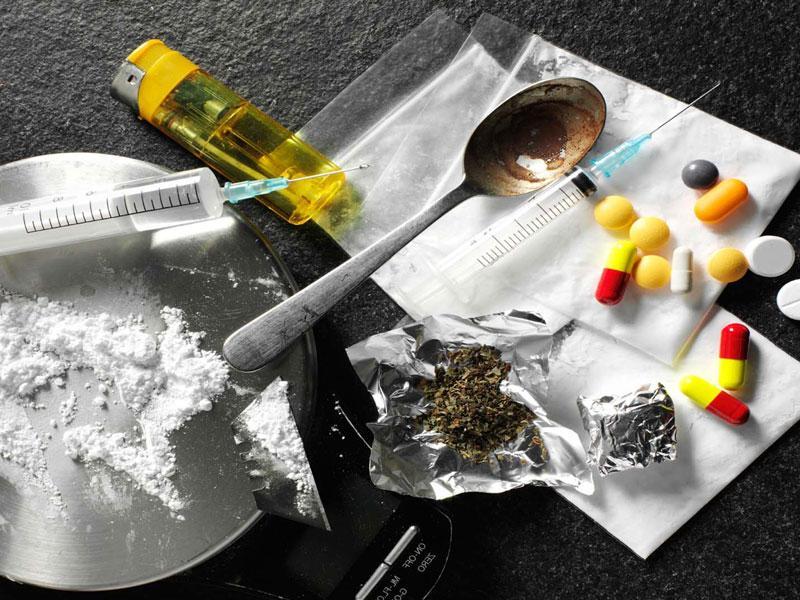
THE observance of this year’s International Day Against Drug Abuse and Illicit Trafficking, themed “The World Drug Problem: Persisting Issues, New Challenges, Innovative Responses,” is a timely reminder of a growing crisis that continues to devastate lives, families, economies, and societies across the globe.
According to the United Nations Office on Drugs and Crime, the observance provides “an opportunity to reflect on the continued and evolving impact of the world drug problem in all its dimensions” and “exchange views on priority concerns and innovative, evidence-based responses.”
The statistics are alarming. Globally, roughly 316 million people, representing about six per cent of the world population aged 15 to 64, use illicit drugs.
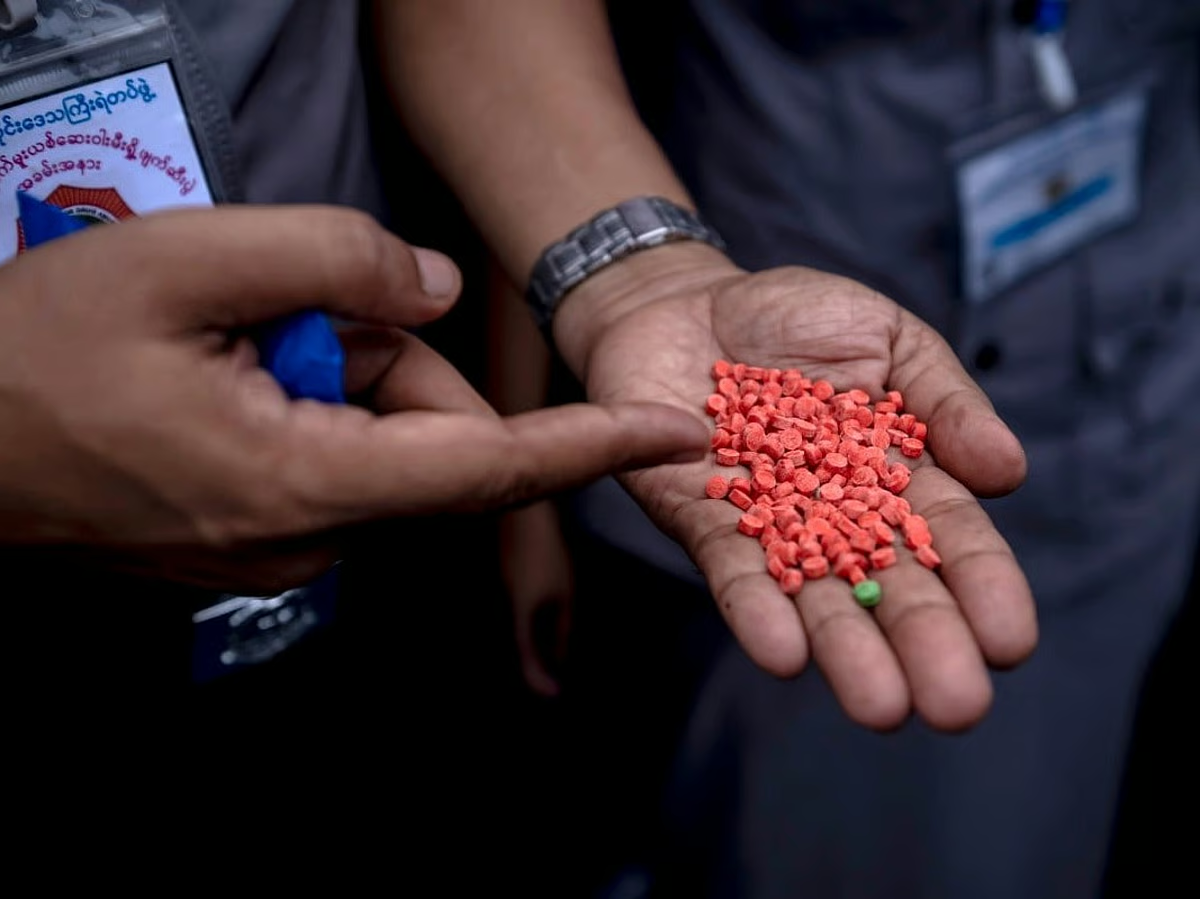
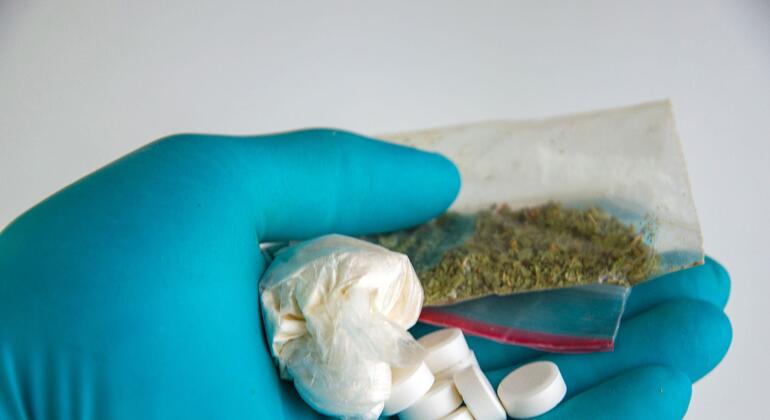
Of this figure, an estimated 64 million people suffer from drug use disorders, otherwise known as clinical addiction. This marks a significant increase over the past decade, fuelled by population growth, expanding synthetic drug markets, and increasingly sophisticated trafficking networks.
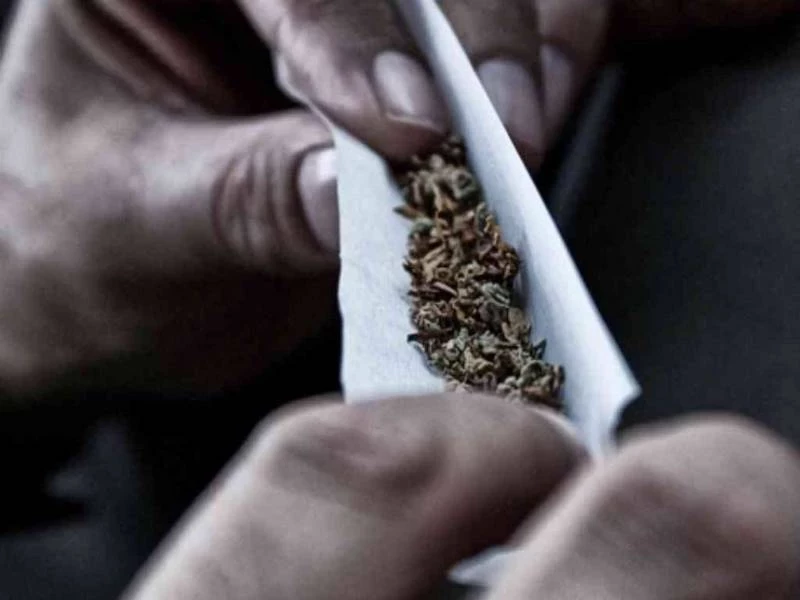
Cannabis remains the most widely consumed illicit substance worldwide, with over 200 million users. Equally troubling is the rapid expansion of the cocaine market, with global production recently reaching a record 3,708 tonnes.