Leading any entity requires more than ambition and opportunity. Nigeria must now rediscover the relevant values, writes MONDAY PHILIPS EKPE
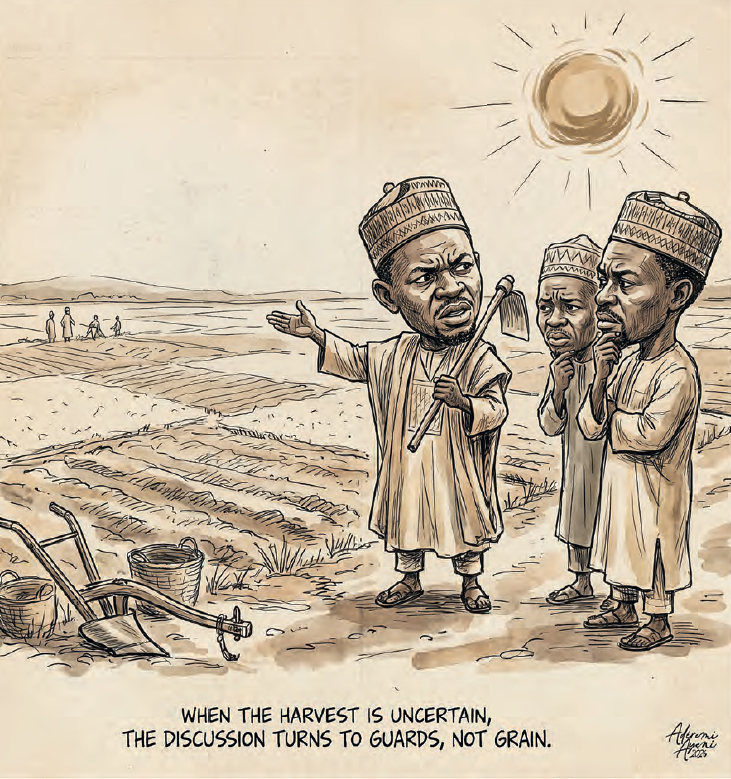
Quagmire. When that word was first used in 1566, it simply meant a ground that couldn’t be trusted to support anything of sizable weight or volume. Stand on it and it’s sure to give way. Slippery, soft, shifty, sneaky. Thereafter, it absorbed several connotations until it morphed into a lexical item with more robust meanings: a precarious situation, predicament, hole, bind, box, something unreliable or worrying. Any random poll amongst Nigerians on the primary dilemma they’re in today would finger political leadership, especially. Try the much you can to explain to them the complicity of followers in the incompetence, mediocrity or callousness of their own leaders, they won’t budge. Blame here is often single dimensional.
“It’s our so-called leaders o!” It’s hard to think or argue otherwise, quite frankly. Now, one man has taken up the challenge to critically look at the present and prospective occupants of political drivers’ seats as the nation prepares for yet another general election cycle. Robert Abdullahi-Johnson, PhD, author, publisher and former university lecturer, has just released some thought-provoking books (unveiled in Abuja on Thursday, June 18). Leadership Renaissance in Nigeria, in particular, is set to be on the front seat of discussions on leadership-related issues in a country destined by nature and geography to, at least, lead Africa with dignity.