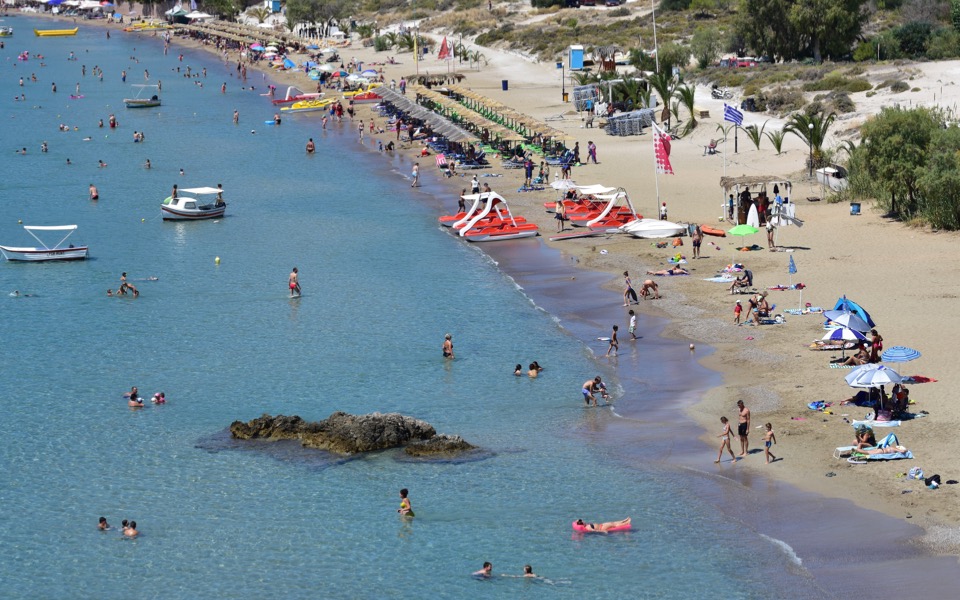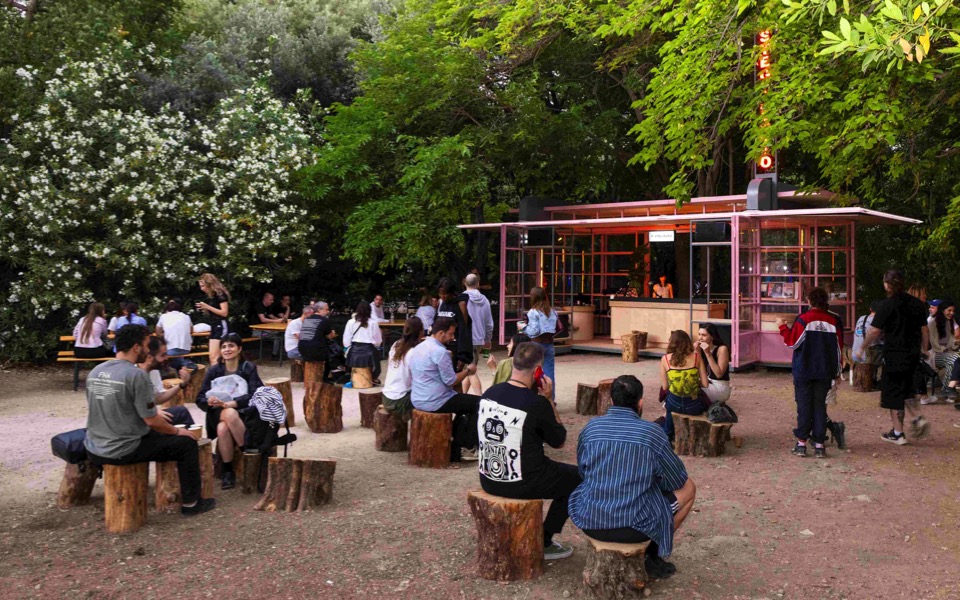
June gave us a reprieve. Athens breathed more easily than it has in recent years. Cafés stayed full well into the evening, children lingered in the squares after dark, and windows were left open through the night letting in a cool breeze. For a few weeks, the familiar rituals of the Mediterranean summer felt, almost improbably, intact. It was just enough to persuade us that perhaps this season had remembered how to behave.
Summer has always been more than a season in Greece. It is a way of organizing life. It dictates when families gather, when villages come alive again, when work loosens its grip and evenings stretch effortlessly toward midnight. We plan our lives around the expectation that summer, however hot, remains fundamentally recognizable. Like the sea itself, we have assumed it will always be there in the form we inherited.
Then July arrived.
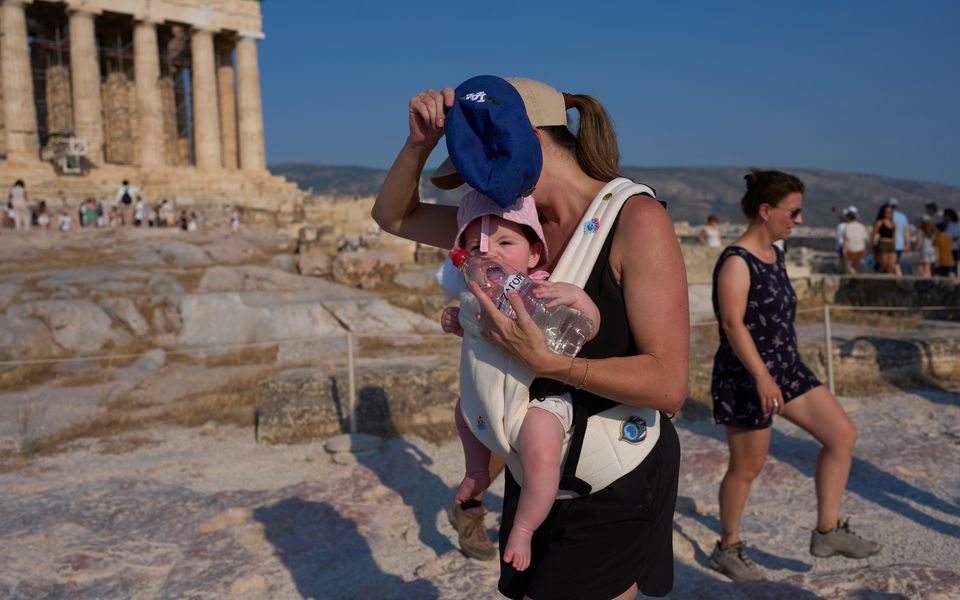
The fires returned. Across Greece, smoke once again settled over landscapes that have barely recovered from previous summers. Heat spread across much of Europe, pushing temperatures to levels once thought exceptional. Countries in northern Europe, unaccustomed to prolonged heat, found themselves confronting overloaded hospitals, disrupted transport, buckling infrastructure and homes designed to keep warmth in rather than out. Scientists confirmed what has become both familiar and unsettling: these conditions would have been virtually impossible without climate change. Spain’s South burned. Portugal deployed twelve hundred firefighters and lost ground. Canada entered its fourth consecutive severe wildfire season. One leading scientist has quietly stopped saying bad years alternate with quiet ones. Most years, he now believes, are going to be bad years.