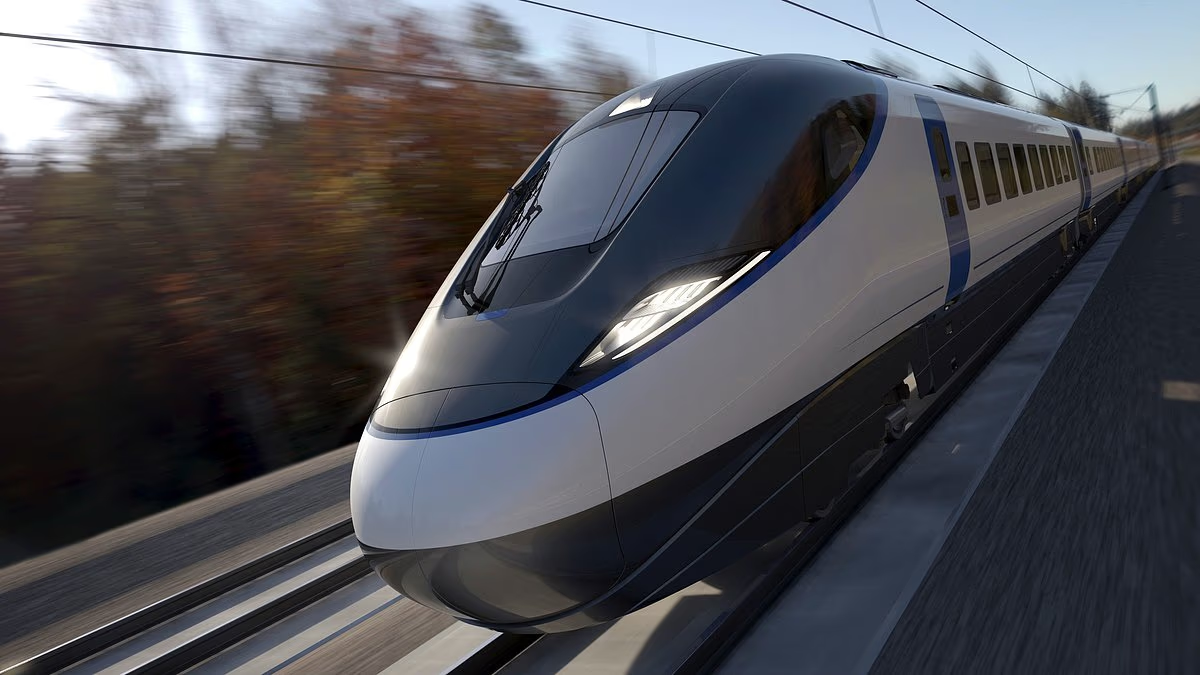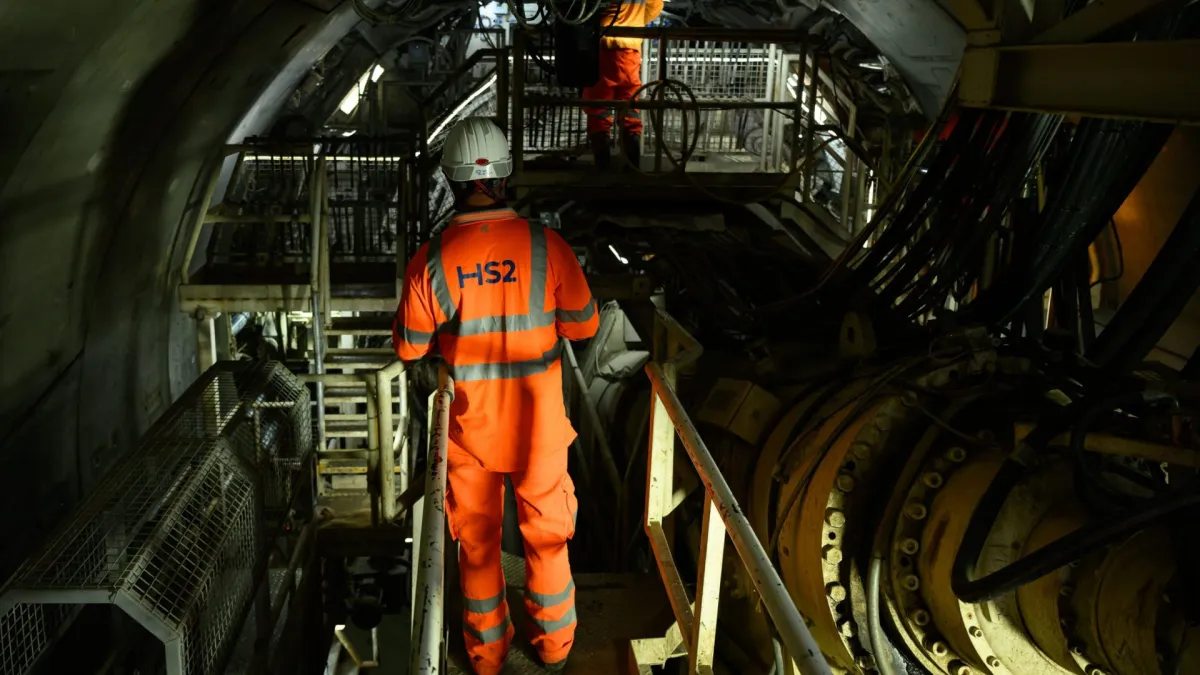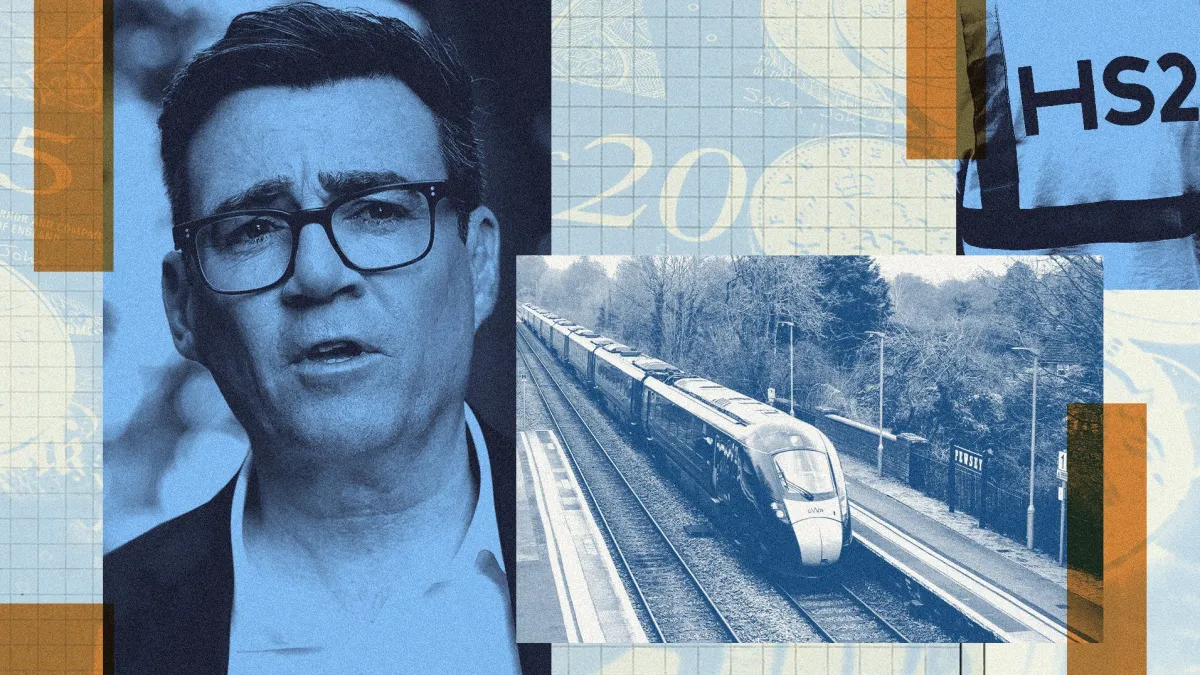
Just south of Wigan, you find the “flashes”, lakes formed by mining subsidence, once surrounded by Somme-like industrial wasteland, now transformed into rural nature reserves and a refuge for the willow tit, Britain’s most threatened bird. A tenth of this species’ entire UK population lives around the flashes, but perhaps not for much longer.The area is also home to an even more rare creature than the willow tit: a Labour by-election winner, Andy Burnham, whose constituency, Makerfield, this is. And when he becomes prime minister, he wants to drive a new high-speed railway right through it.Burnham pledged to reinstate HS2’s second phase, between the West Midlands and the North West, in an interview with The i Paper last month. As well as the route to Manchester, Phase 2 also includes the “Golborne link”, a branch for trains to Preston and Scotland, joining the West Coast Main Line at Bamfurlong, in Burnham’s seat. There was, he said, “a cleverer way of funding” Phase 2 through “contributions from business and residents” or “the increase in land values created by the [new] infrastructure… captured to pay back the cost”.Henri Murison, of the Northern Powerhouse Partnership, a lobby group for high-speed rail, says a “make-do and mend approach doesn’t work – you end up having to build new lines anyway”. A “significant proportion” of costs could be raised privately, Murison adds, or through measures such as devolved income tax, though he won’t say how much.But the sums required are genuinely massive. At the official price, HS2’s first phase, from London to the Midlands, is now costing between £626m and £734m a mile. On this basis, Phase 2, 89 miles with the Golborne link, would cost up to £65bn. In practice, it should be slightly cheaper, since there is less tunnelling – around 17 per cent of the route, versus 23 per cent in Phase 1 – and fewer cuttings. But that assumes that HS2’s costs rise no further: bold, given its record.
Burnham’s HS2 promise is dead on arrival – here’s how to really fix Britain’s railways
Planners say reviving HS2 would be a costly mistake, adding there is a cheaper way to fix the problems it was meant to solve
1,125 words~5 min read