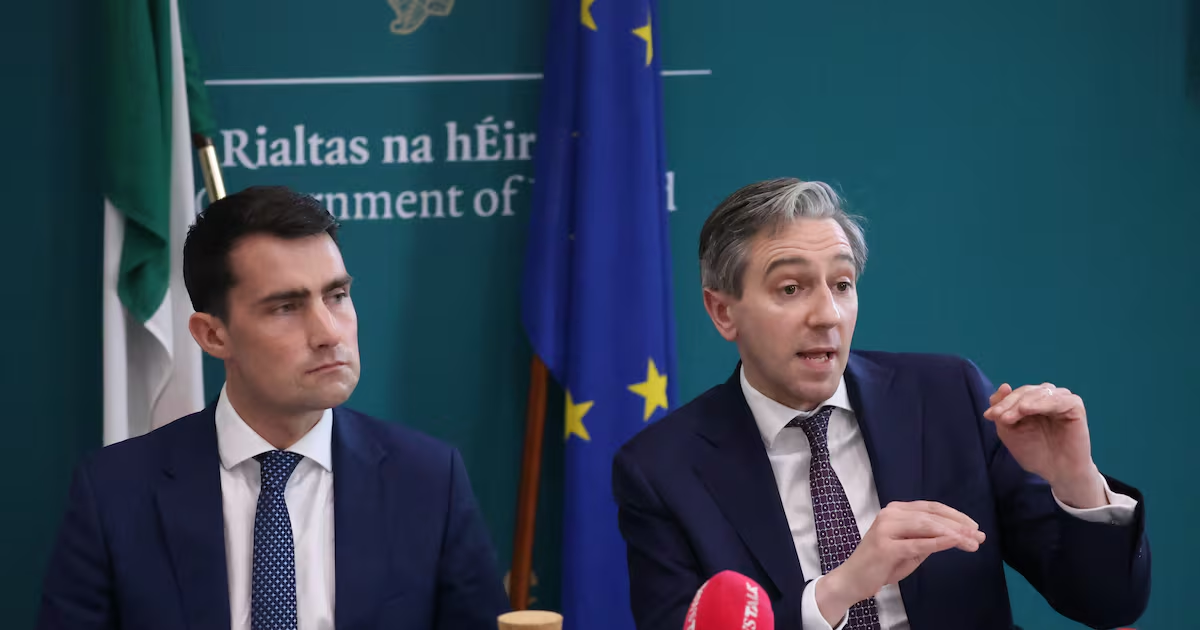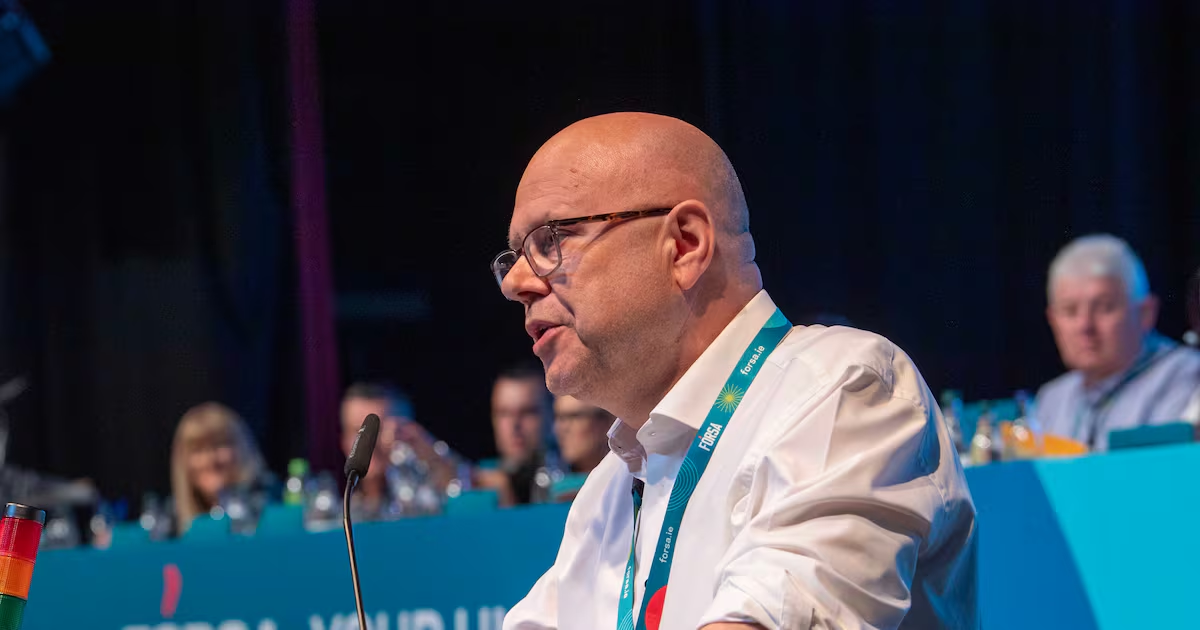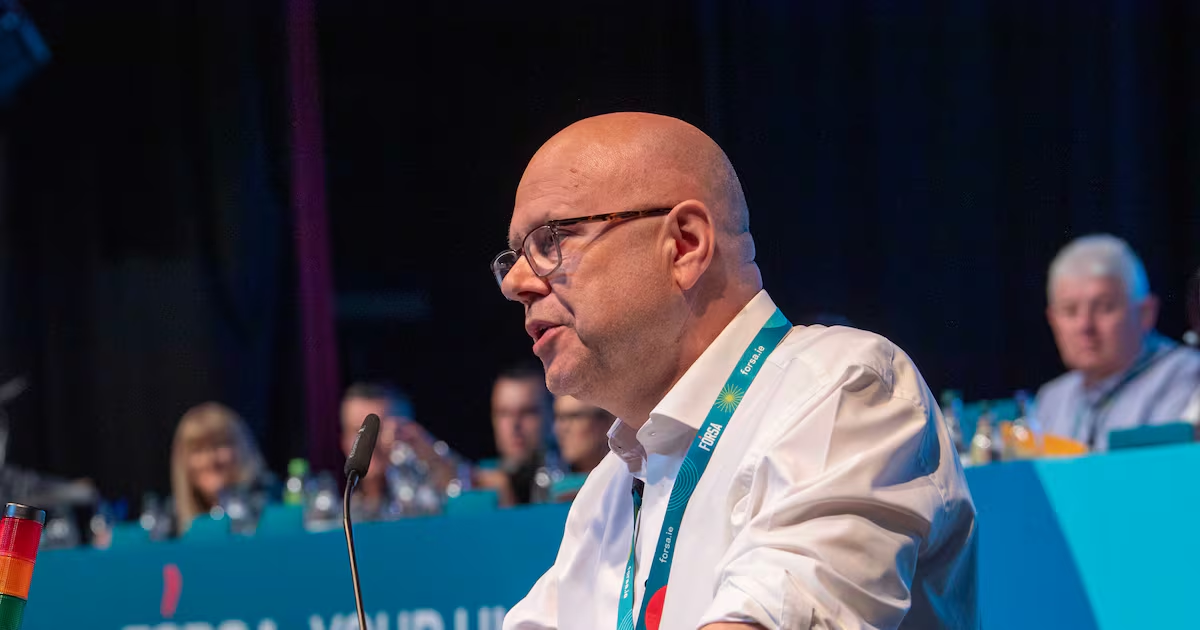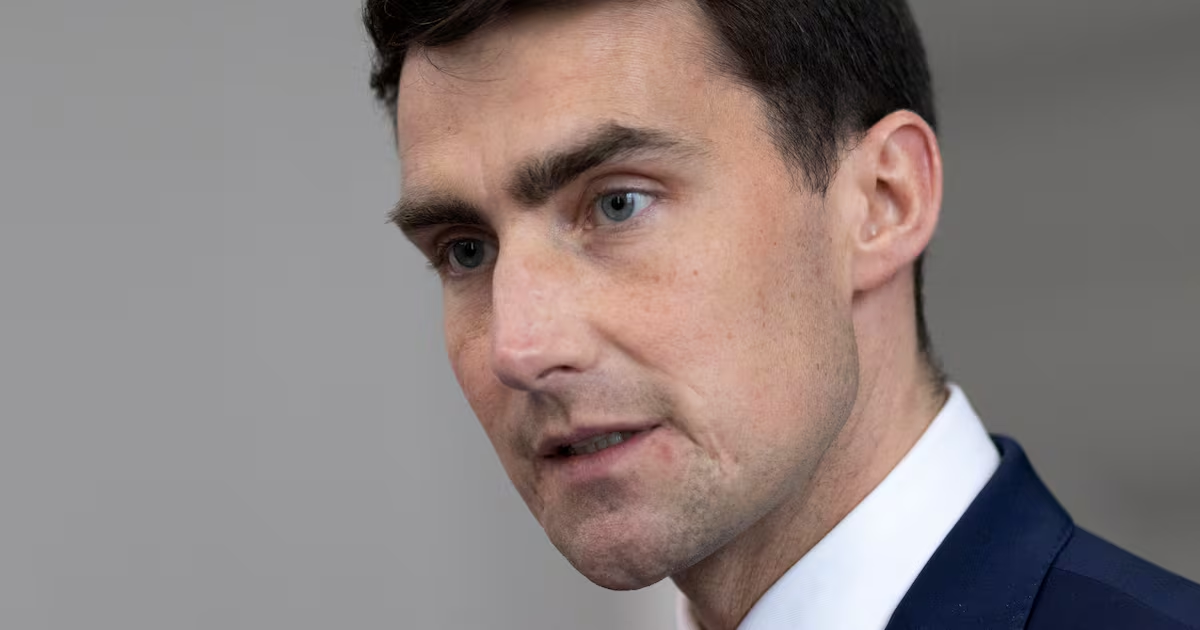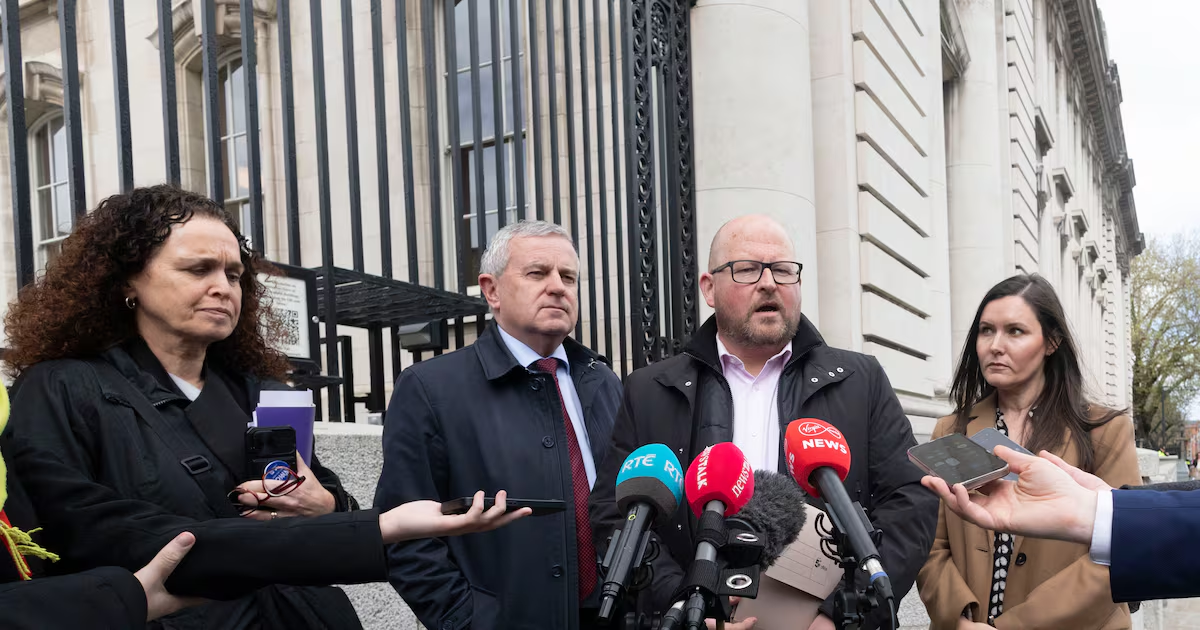
With fewer than 90 days until Budget 2027 is announced in the Dáil, talks on a public pay deal are going nowhere fast. In fact, they haven’t started, against a backdrop of increased militancy from public-sector unions and heightened Government caution.Meetings of the two sides to thrash out a multibillion-euro accord every few years have become a well-established part of the choreography of Irish public administration. But after abortive efforts to kick things off, talks have not even reached first gear and the unions are publicly flirting with the idea of no deal being struck at all. Fórsa general secretary Kevin Callinan said it was probably “better for the country” if a multiyear public pay deal was struck, “but if it can’t be agreed, we don’t have to have one”.The unions are not against dangling the prospect of industrial action and a future where traditional industrial relations battlegrounds are not tackled within the confines of an overarching agreement. This, Callinan says, would leave the State without certainty regarding the scale of the public pay bill, or any guarantee of co-operation when it comes to public service reform. All these things would “have to be bargained and are potential flashpoints” should a deal not be reached. It is not a promising start to a process in which both sides have a lot on the line. The most recent pay deal expired at the end of last month, and Callinan is one of four senior trade unionists – the leadership of the public services committee (PSC) of the Irish Congress of Trade Unions – who will lead the negotiations.This delegation sits down with Department of Public Expenditure and Reform (DPER) officials, and ultimately the Government, to grind out agreements which are then put to hundreds of thousands of public servants for approval. These overarching accords have for years guaranteed a degree of industrial peace for the State side and pay security for its employees. However, the union side left a preliminary series of discussions with DPER officials unconvinced that a basis exists for proceeding further.They say the Government is seeking a new multiyear deal but the unions want some form of commitment on pay before moving on to other matters, such as public-service reform and efficiencies. This is an inversion of the usual approach where pay is the last thing agreed. The unions also want the pay element to include a formula to protect living standards in the face of inflation. “We have to make sure that if we do enter into [talks] that we have a mechanism to adjust if inflation spikes or inflation falls,” says Phil Ní Sheaghdha, head of the Irish Nurses and Midwives Organisation (INMO) and another PSC member.In May, Minister for Public Expenditure Jack Chambers, who has ultimate political responsibility for shepherding a deal through, said the Government wanted an agreement but it would not be “at any price”. He said “very challenging discussions” were happening while Ireland faced a volatile international environment. Minister for Public Expenditure Jack Chambers has ultimate political responsibility for getting a public pay deal over the line. Photograph: Sam Boal/Collins
‘It’s part of the dance’: State and union sides posture over new public-service pay deal
Industrial action threats mounting since accord expired in June, but Coalition will want to know exposure before Budget 2027
1,332 words~6 min read