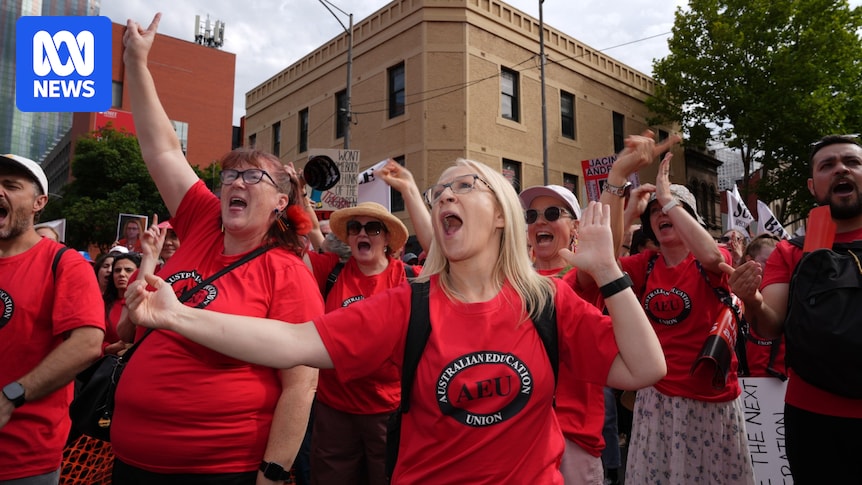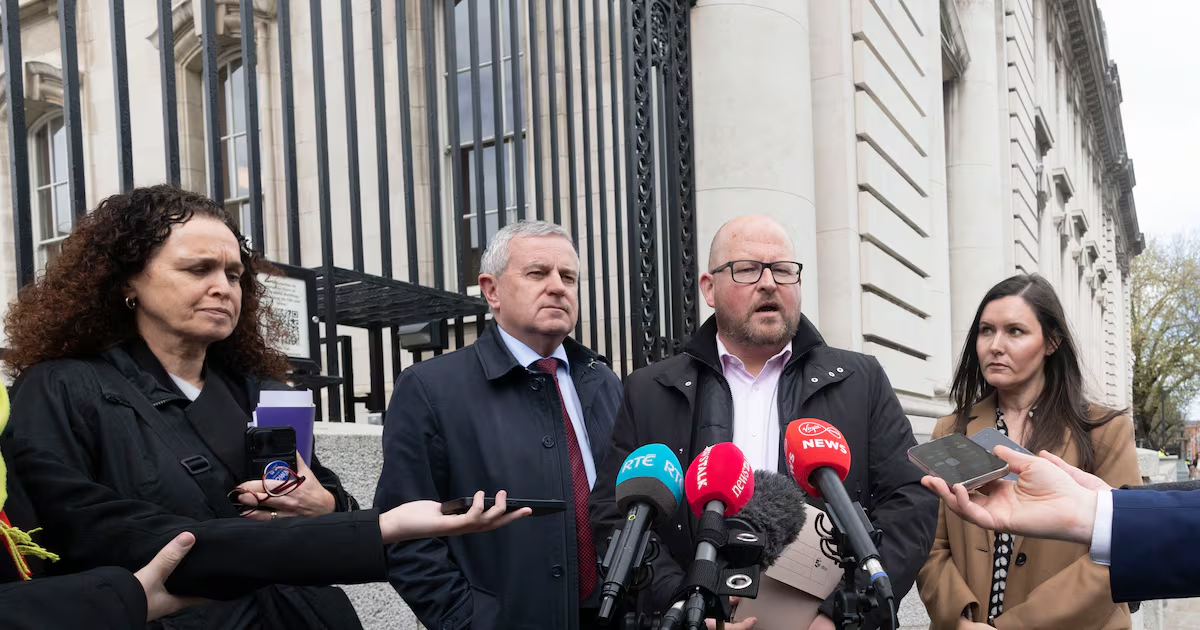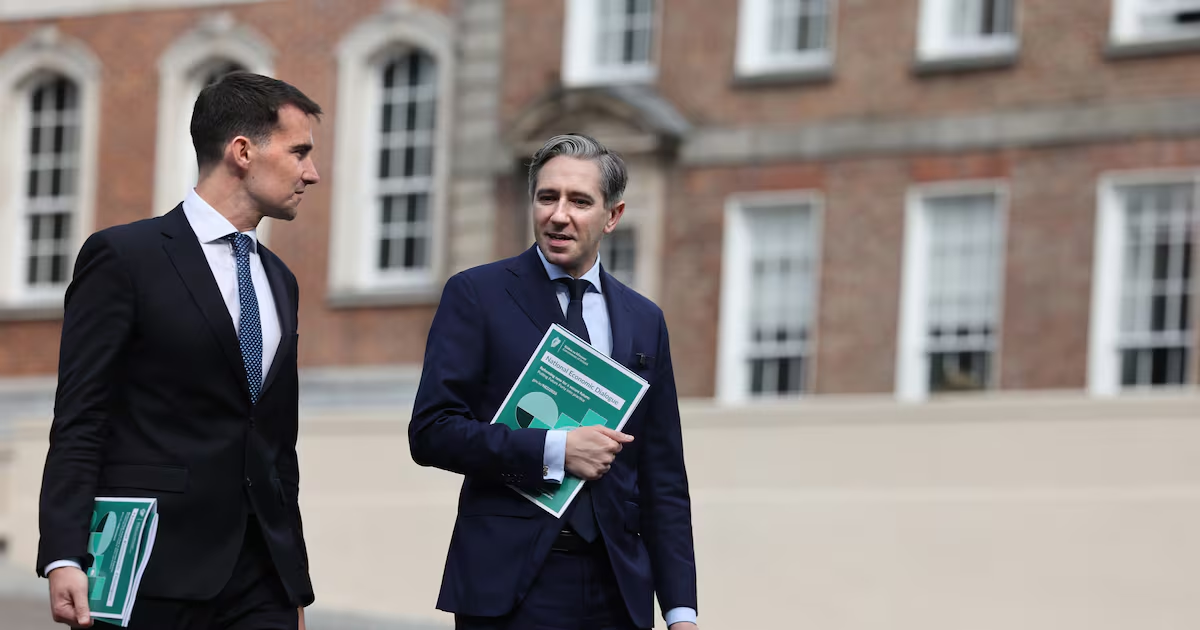
Is social partnership on the way back? The weather may be unseasonably chilly, but there’s a good chance of a long hot summer on the industrial relations front. Ambulance crews were out on the picket lines this week, and recent union conferences have been humming with a growing clamour for hefty pay increases. The State’s 400,000 public servants reach the end of their current pay agreement when the final 1 per cent is paid from June 1st. Talks are expected to begin soon, though no invitations have issued as yet, so the two sides are staking out their positions. The unions will seek above-inflation pay rises, aside altogether from any increases based on productivity. Union sources also indicate that they are minded to seek catch-up increases, to compensate them for the failure to index tax bands in the last budget, as well as the surge in inflation since then.In that context, pay demands are likely to be steep. The Department of Public Expenditure will lowball its initial offers. I’d be surprised if there aren’t more strike ballots.There is another possibility shimmying into view in the middle distance, though. Kevin Callinan, boss of Fórsa, the largest public sector union, has tentatively raised the prospect of a renewal of some sort of social partnership deal between the Government, unions and other stakeholders, in which pay would only be one element of a broader national agreement.I understand there is some interest in the idea in Government Buildings. This week, Taoiseach Micheál Martin went to the Fórsa conference in Killarney and made some encouraging noises. “One of Ireland’s real strengths in navigating change is our tradition of social dialogue and partnership,” Martin told delegates.[ Public pay talks must address concerns of ordinary workers, says trade union bossOpens in new window ]“And it is precisely because of the uncertainty we face globally that this model matters more than ever.”He went on to say: “This social partnership approach is, in my opinion, one of the foundations upon which we have been able to make the social and economic progress we have as a nation.”And while he praised the current structures for union-employer-government dialogue, the Labour Employer Economic Forum (the LEEF), Martin also said that “we need to go further than the current model of social dialogue. I believe there is scope to agree deeper shared understandings about the way forward.”If this isn’t showing a bit of leg to the unions, I don’t know what is.Social partnership gets a bad rap because it was one of the most prominent features of the late-stage political Bertie-nomics that preceded the economic crash in 2008. By then, it had long since become just a forum to pressure the Government to buy off vocal special interests – not just the unions and employers but farming organisations and a bewildering array of NGOs and pressure groups.No one was more adept at playing the process than the representatives of public sector workers, who used their clout and contacts to obtain a series of generous pay deals, including special “benchmarking” payments at the height of the Celtic Tiger period. They were accurately characterised by teachers’ union boss Joe O’Toole as “an ATM machine for public servants”. (For younger readers, an ATM is a machine that dispensed cash money.) Unfortunately the ATM was emptied soon afterwards.But the earlier incarnation of social partnership, pioneered in the Haughey era, where public sector pay restraint was traded for tax cuts, certainly had its advantages – not least because it was predicated on the idea that there was such a thing as the national interest, and that historically contending interests such as workers and employers could work together to agree on what that was. Whether this is possible in an era of more fractured politics and sharply defined sectional interests is debatable. It might be worth trying to find out, though.If there is a return to some sort of social partnership, its participants must also deal with the structural inability of successive governments to get appreciable returns for vastly increased public spending. The recent writings of Sineád O’Sullivan in The Irish Times have brought a fresh focus on this subject. This week she noted that in response to the fuel protests, the Government introduced a €500 million package – “a subsidy to cushion a price shock instead of building the energy infrastructure that would have prevented it.”She cited other examples of the same thing: “Help to Buy subsidising developers with up to €30,000 per unit instead of building the social housing that would bring prices down; the National Treatment Purchase Fund subsidising private hospitals to clear waiting lists instead of building public capacity; childcare subsidies flowing to private operators charging €1,200 a month instead of investing in public provision.”[ Ireland’s population is told it has never been richer, yet it has never felt poorerOpens in new window ]She’s right, but it’s not quite the whole story. Because all of these expensive short-term solutions are a response to a public and political clamour for the Government to spend money to help with the cost of living, or cut healthcare waiting lists, or reduce childcare costs, or help people buy homes – and so on.To spend money on long-term projects – such as, for example, a national service to provide affordable childcare – governments would have to restrain themselves from spending available resources on short-term measures such as childcare supports, fuel supports, VAT cuts for hospitality and constantly increasing current spending year after year and big pay deals for public servants.Ultimately, these are choices and there is no avoiding the trade-offs. If some new iteration of social partnership helps us face the reality that we can’t have all the short-term solutions we want and all the long-term investment we want – that we can’t have our cake and eat it – then it might be worthwhile. But if it turns into a machine for special deals for the public sector, it will leave us worse off than ever.
Pat Leahy: Social partnership can work - but not if it becomes another magic ATM for public servants
We can’t have all the short-term solutions we want and all the long-term investment we want
997 words~5 min read