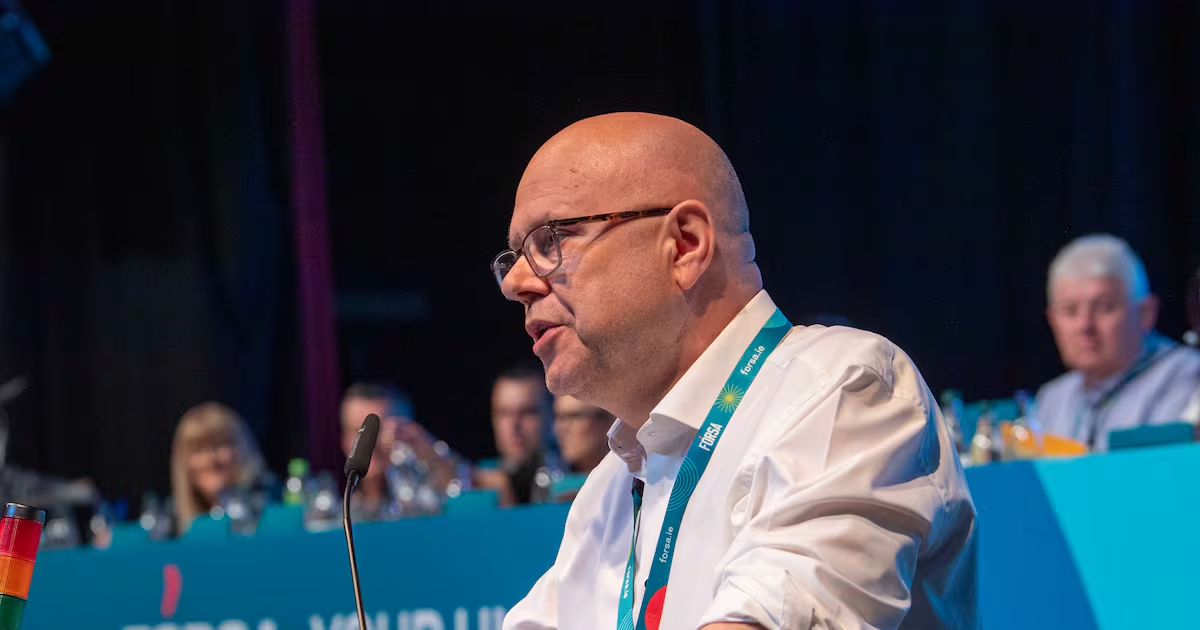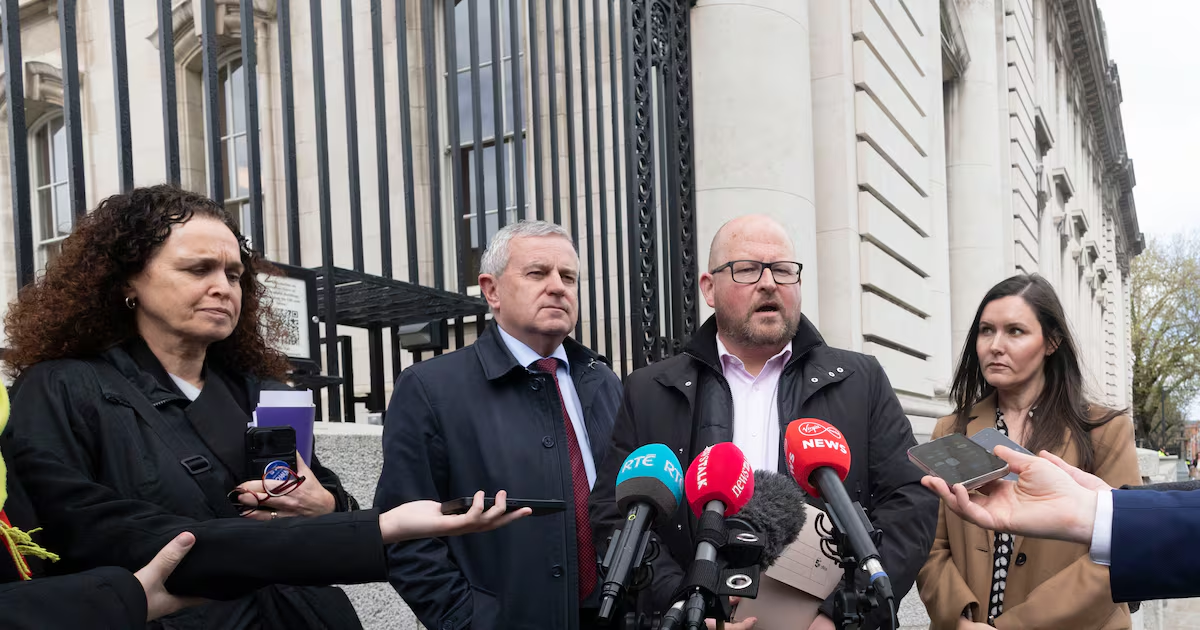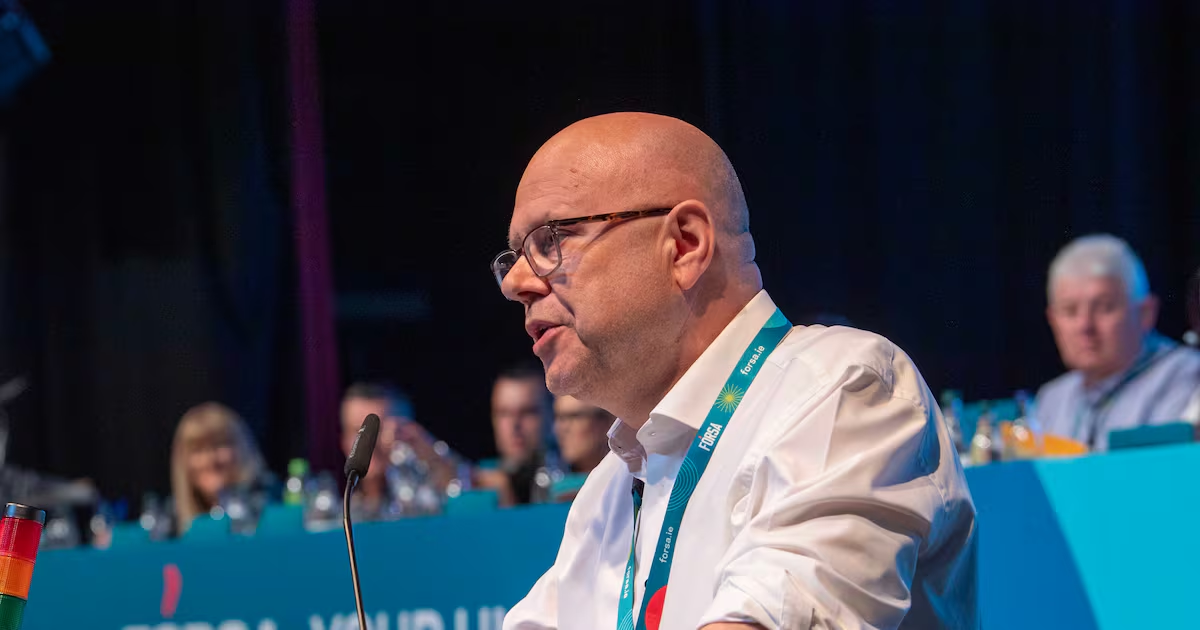
Exploratory meetings on a new public sector pay deal have concluded, with union negotiators telling colleagues they should be ready to ballot members on industrial action as there is currently no basis for full-scale talks to take place.The two sides have met twice since the Cabinet approved engagement on the issue on Tuesday.In a letter sent on Thursday to the 19 unions that have members in the public sector and are affiliated to the Irish Congress of Trade Unions (Ictu), Kevin Callinan, chair of the Ictu public services committee, said the two sides failed even to agree whether to deal with pay first or last and the meetings ended without any agreement on how to proceed.“Accordingly, we have to prepare for the likelihood there will be no agreement in place from July 1st (when the current deal runs out) and the possibility that this will be the case for an indefinite period,” he wrote.He says the committee is “preparing a proposed industrial strategy aimed at protecting and improving living standards” and pursuing individual claims.He suggests that, based on legal advice, some unions’ rules may have to be amended so that a common approach can be taken in the event a ballot on industrial action is called, and says he will provide a further update next week.The two sides have said they will remain in contact but it not clear at this point whether the Government will agree to address pay early in any process and include the sort of social partnership-style elements Callinan has said he believes are essential.In addition to chairing the committee, Callinan is general secretary of the largest public sector union, Fórsa, the second-largest union of any kind in the country after Siptu.There are some differences between the various unions involved based on the different interests of their members but there is a common desire to see significant pay rises, with leaders suggesting that inflation around core areas such as food, fuel and housing have been running well ahead of wider inflation rates. It is not uncommon for talks on a new deal to involve a couple of false starts as the two sides set out their stalls but Callinan has repeatedly said the union side is prepared to live without an all-encompassing deal if it believes there is not enough on the table to justify another multiannual pay agreement.The one about to expire, however, delivered basic pay increases of 9.25 per cent to most public sector and Civil Service staff with an additional one per cent in “local bargaining” (essentially a fund to resolve outstanding local issues).The lowest-paid staff received increase of more than 17 per cent during the deal’s 2½-year lifespan.
Unions told to prepare for strike ballot as no basis for public sector pay talks in place
Preliminary meetings fail to find common ground, with current deal set to expire on July 1st
446 words~2 min read