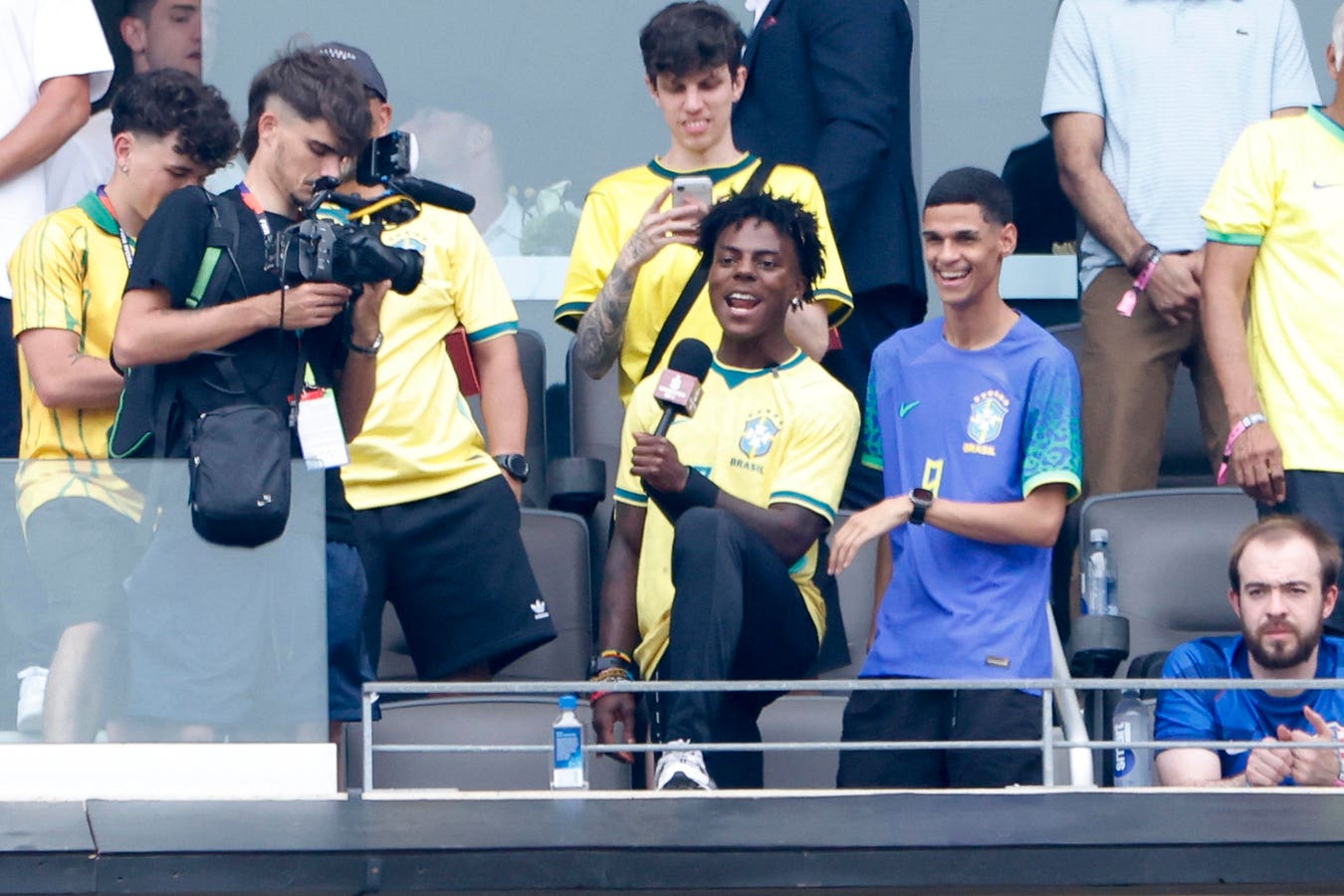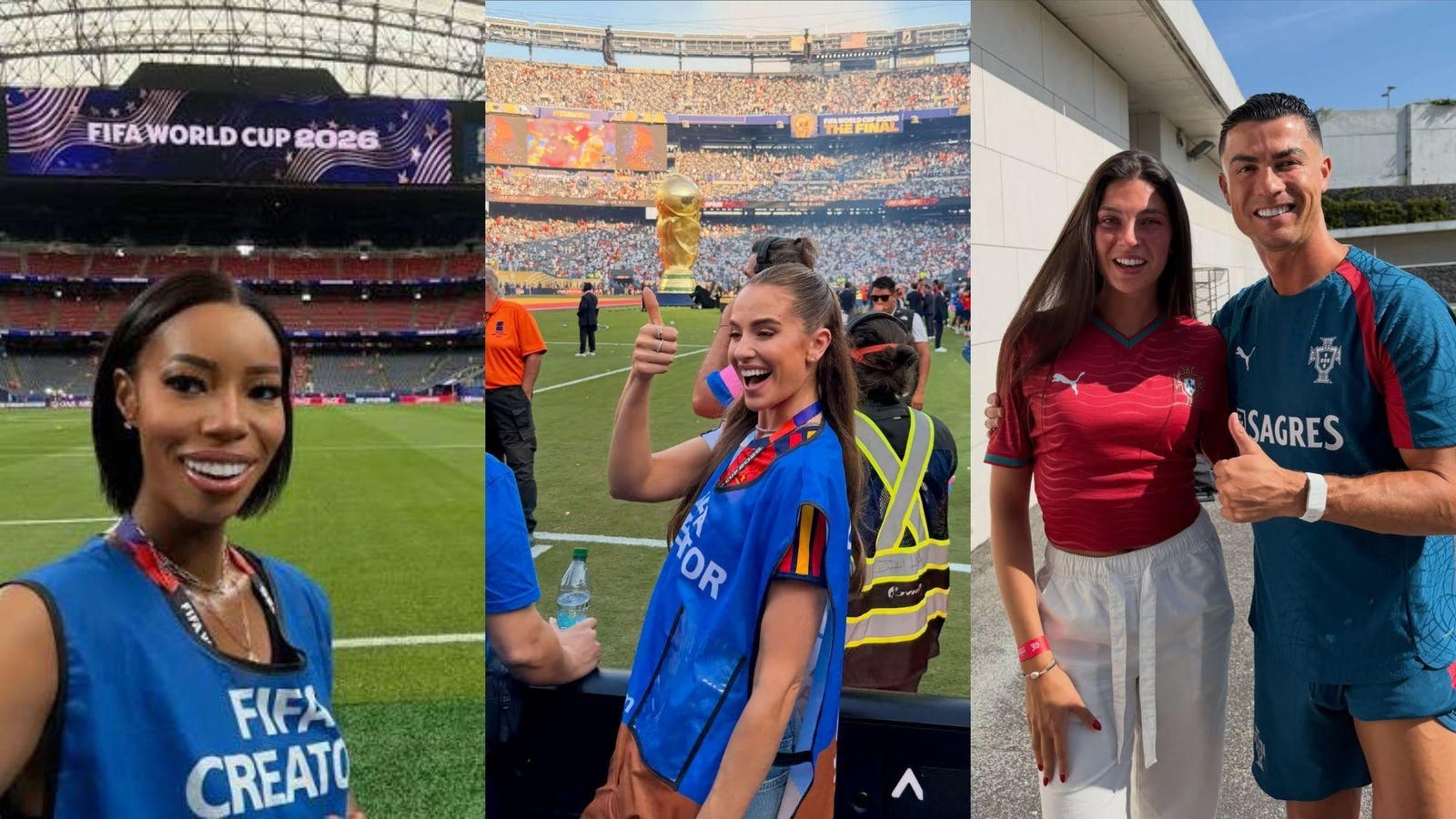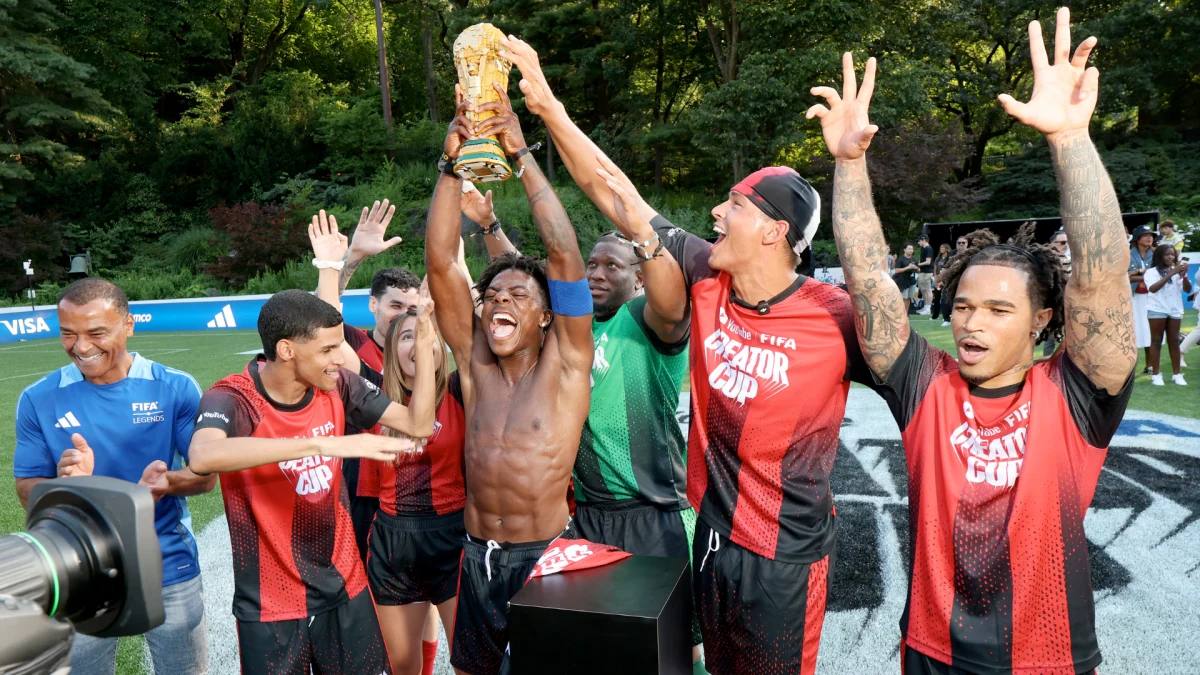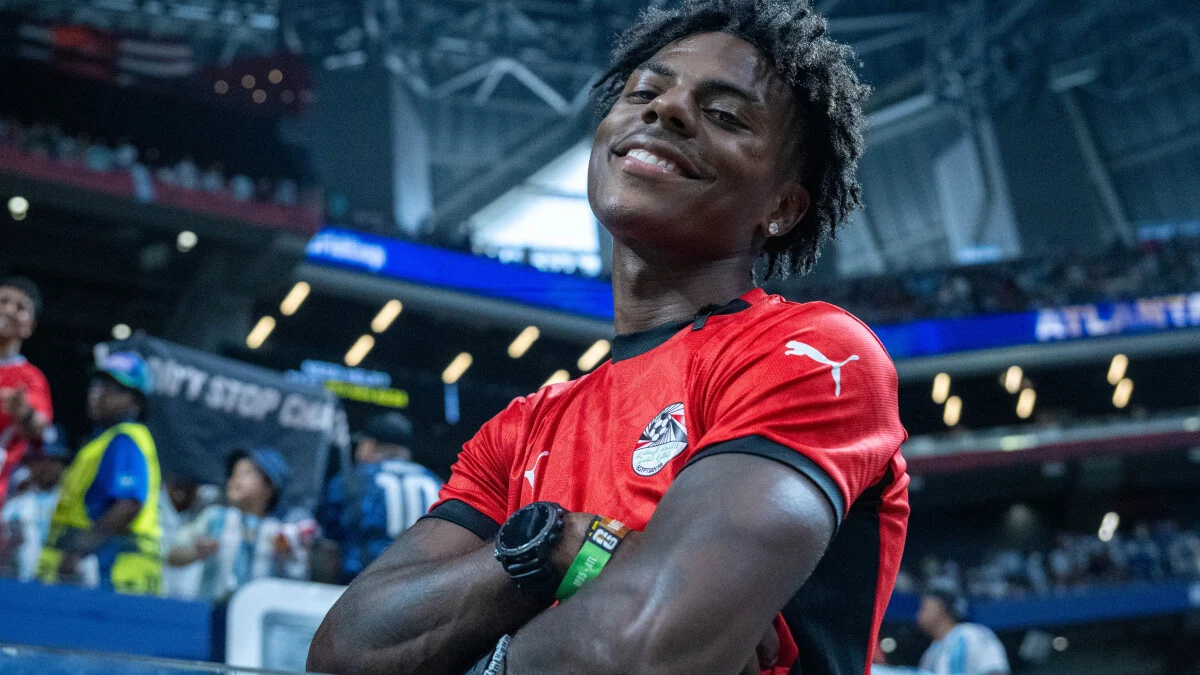
As the 2026 FIFA World Cup nears its conclusion, a parallel broadcast has emerged alongside the official TV feed: creator-led livestreams from inside the stadiums and FIFA fan zones on Twitch and YouTube. This creator coverage isn’t color on top of the main feed — it’s a new broadcast layer built around community, drawing in younger viewers who show up for the streamer first and the soccer second. For FIFA, Twitch and brands, that shift is meaningful. Creator-led streams have helped FIFA reach younger, global audiences that traditional sports coverage has struggled to reach, opened up new inventory for advertisers that don’t hold official World Cup rights, and given platforms like Twitch a template they now want to apply to other major leagues and tentpole events.
Anticipating the power of that shared communal experience and armed with the results of a new survey in which 44% of Twitch viewers said they wanted sports coverage on the platform that wasn’t available on traditional media, Twitch set up a special “Football Fest” category on its front page. Since then, 29% of viewers said they increased their fandom when comparing this World Cup to the one in 2022.
For Twitch CEO Dan Clancy, those numbers validate a long-held notion: viewing is fundamentally about community, and creator-led streams are better built for that than traditional, one-way broadcasts.