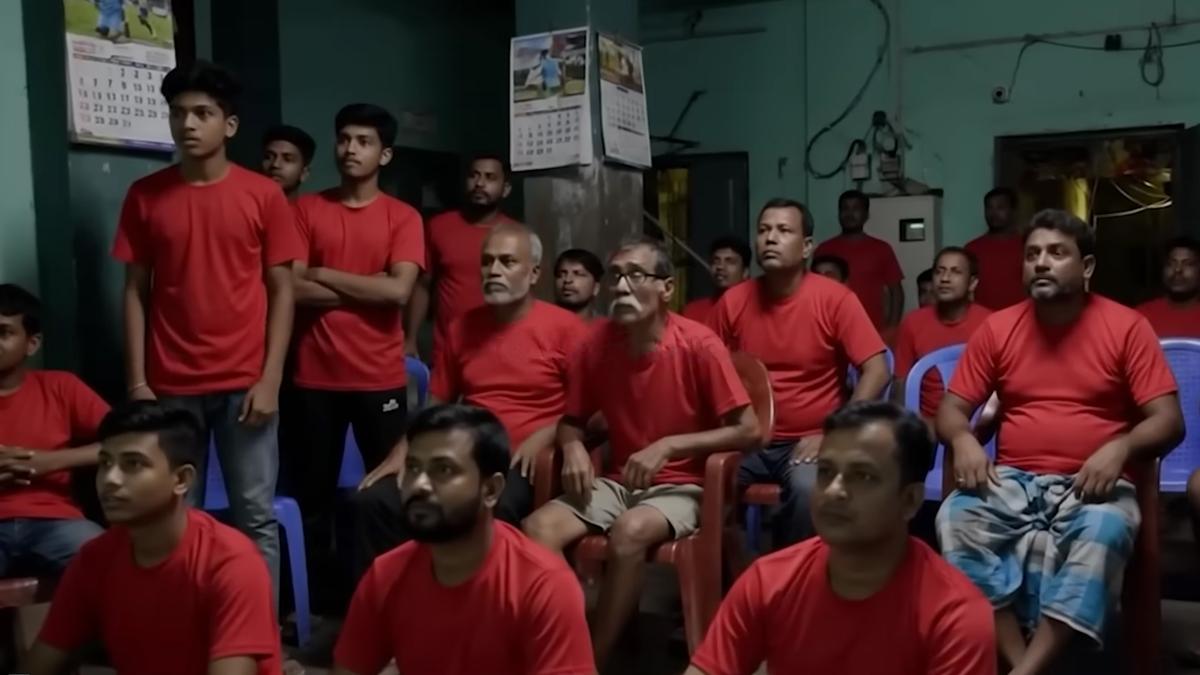
Coca-Cola’s football World Cup-themed ‘Lost Voices’ ad
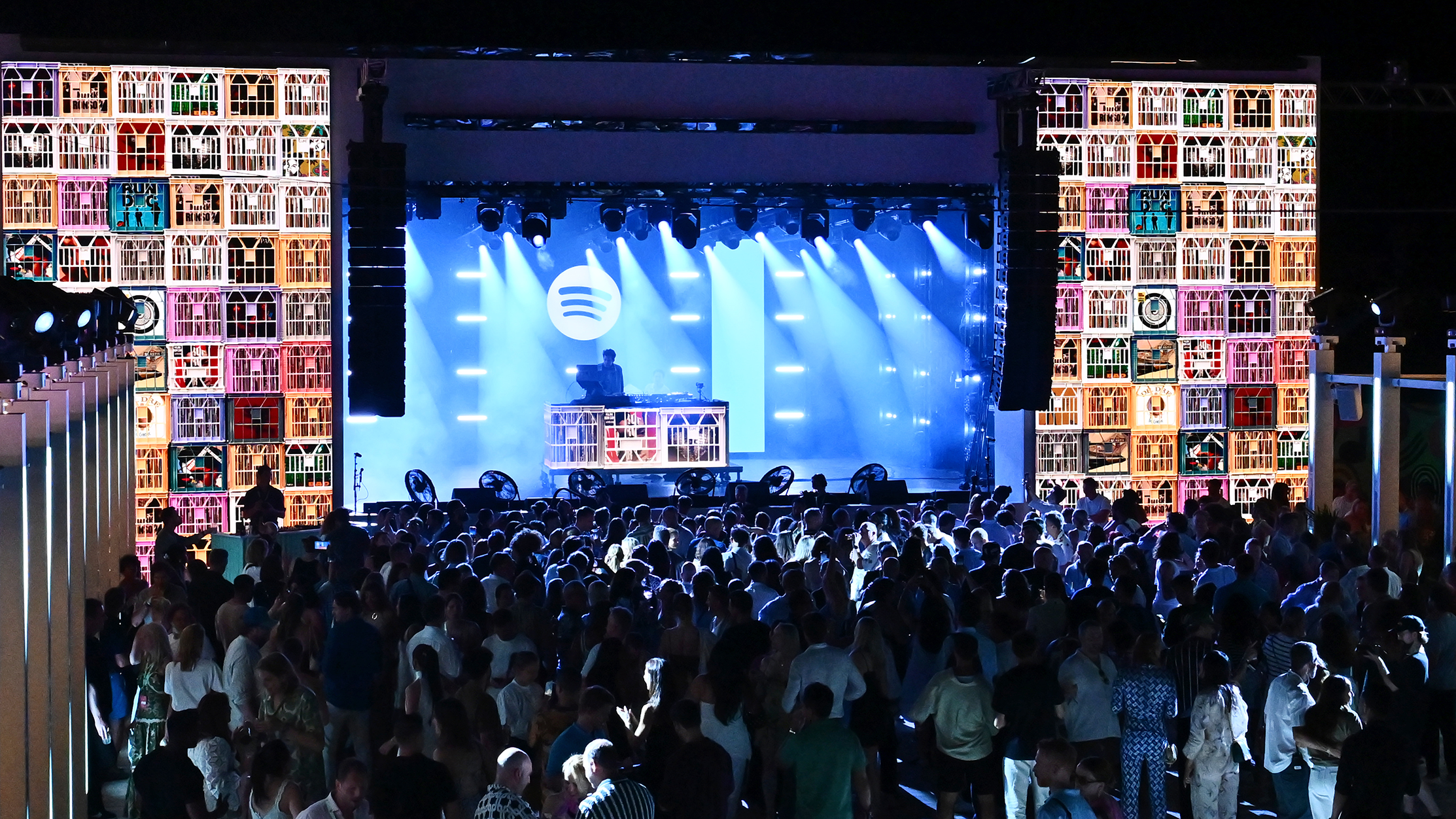
This year’s Cannes Lions handed its Film Grand Prix to an advertisement for Anthropic’s Claude, an AI assistant whose promise is that it won’t show you ads. There was something ironic there. One of advertising’s biggest prizes went to a commercial celebrating the banning of advertising.That paradox defines the moment marketing finds itself in.Every June, Cannes becomes advertising’s global town square. Agencies, brands, creators and platforms descend on the French Riviera to celebrate creative excellence. Yet, walk along the Cannes palm-lined boulevard, the grand Palais des Festivals multi-purpose venue for the Cannes ad awards, and another story emerges.Meta, Amazon, YouTube, Spotify and Reddit dominate the beaches, conversations and business meetings while inside the Palais, the biggest prizes still largely celebrate campaigns.Neither is wrong. They’re simply measuring different things.For decades, marketing’s primary output was communication: A television commercial, a print campaign, a radio spot or an outdoor idea. Today, creativity increasingly lives inside products, interfaces and systems. A recommendation engine, an AI assistant, a frictionless checkout or a brilliantly designed loyalty programme can create more lasting value than even the most memorable 30-second film.Now wait. That doesn’t make advertising less important. Good advertising is a critical part of marketing. You need to enter the customer’s mind and stay there. That’s the reason Coca-Cola or Haldiram keep winning. But advertising is no longer the only place where creativity generates competitive advantage.I just saw an Ogilvy film on the World Cup that celebrates fans who “lost their voices” cheering for their teams — totally brilliant and involving, and no UI/UX can top that. But then no TV ad can top the Amazon user experience — and that’s where it’s at now.This difference also explains why Cannes — the place — sometimes feels split in two. The awards celebrate traditional communication. The beaches celebrate platforms, technology. If the Palais is still the Durga Puja, the beaches increasingly resemble the streets with golgappa and chaat sellers, shoot-the-balloon stalls and nervous couples out on first dates.The same contradiction appears in who wins. Large holding companies like WPP, IPG and Havas continue to dominate the medal tables. That isn’t necessarily bias. Big networks, big brands can afford higher entry fees, dedicated awards teams and multiple submissions across categories. The Olympics isn’t unfair because large countries win more medals — scale matters. Cannes is no different.(On a side note, India’s relatively lean performance this year deserves similar understanding. Fewer entries, tighter budgets, more selective participation, changing jury preferences and stricter evidence requirements probably all played a role.)Yet, the boundaries are blurring. As my young marketing friend Shubhangi says, increasingly the most creative marketing isn’t just a campaign people watch — it’s also a product people use. The industry’s own evolution has started acknowledging this. The Creative Brand Lion, for example, recognises organisations that build enduring creative capability rather than producing a single standout campaign.Maybe that’s where the conversation should move — not from “old advertising” versus “new technology”, but from campaigns to capabilities.Creative excellence today probably needs two lenses. One asks: Did we tell a remarkable story? The other asks: Did we build something that changed the business? The strongest organisations increasingly do both.Take the quick commerce platform Blinkit, for instance. Its yellow delivery maps, playful notifications and 10-minute promise are now as recognisable as any television campaign. Much of the brand is experienced before a single advertisement is seen. Zomato remains one of India’s best advertisers, but its creativity extends well beyond campaigns. Live order tracking, witty app copy, restaurant discovery and product design are all part of the brand experience.Skincare and haircare brand Minimalist spent relatively little on advertising mythology. Instead, clear packaging, transparent ingredients and a frictionless online experience became much of the marketing.Cannes remains one of the world’s most influential creative institutions. But as marketing expands into products, AI and customer experience, no single festival can be the sole arbiter of creative success.The lion still matters. It may simply have to learn to share the stage with the login screen.(Shubho Sengupta writes about marketing, technology and culture from an intergenerational perspective)Published on July 13, 2026