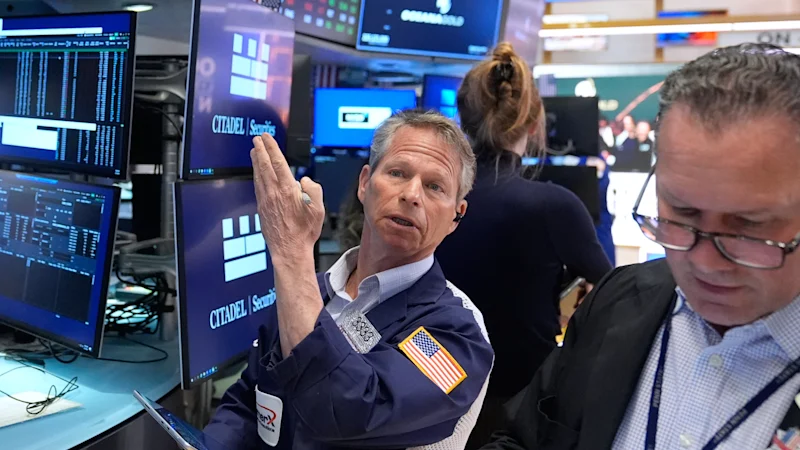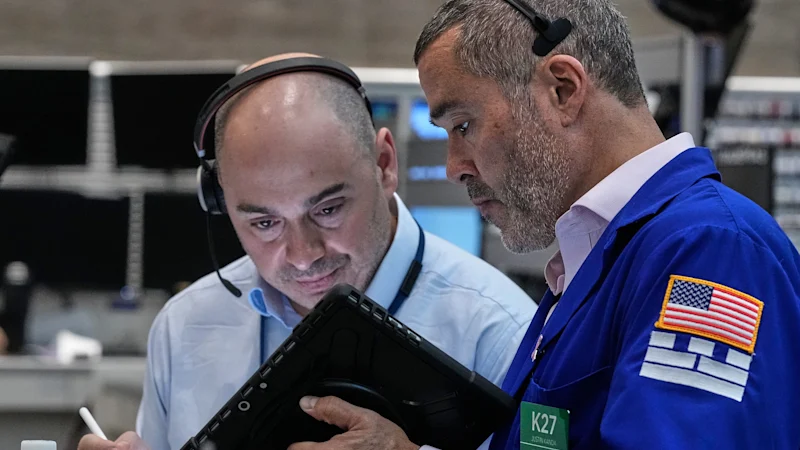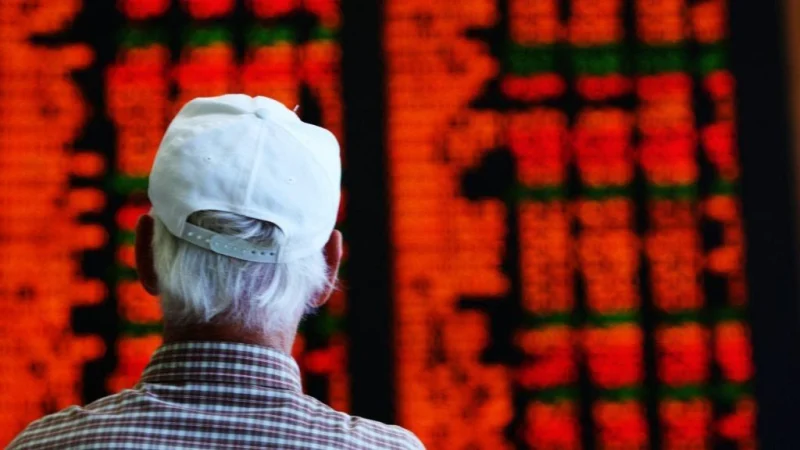
Staff reportersJuly 13, 2026 — 6:25amVolatility following US strikes on Iran and Tehran’s closure of the Strait of Hormuz whipsawed the local sharemarket where some initial gains were quickly erased as stocks slid lower.The S&P/ASX 200 rose around 12 points shortly after opening on Monday before slipping well below where it started. Oil jumped in early trading, with Brent crude climbing 3 per cent at the open and the dollar fetching US69.39¢ at around 10.30 AEST.Markets face more uncertainty after a wave of strikes on Iran over the weekend and Tehran closing the Strait of Hormuz to shipping. Peter BraigMost sectors gave ground but energy stocks followed oil’s upward trajectory.Woodside and Santos rose 0.52 per cent and 0.13 per cent respectively. Iron ore and copper miners – BHP, Rio Tinto and Fortescue – held their ground with marginal gains, but gold producers Northern Star Resources (-2.73 per cent) and Evolution Mining (-2.19 per cent) fell.Tech stocks also gave ground. WiseTech was down 1.82 per cent, Zero fell 3.5 per cent and NextDC lost 1.51 per cent.The US military launched strikes Sunday aimed at further weakening Iran’s ability to attack civilian vessels transiting the Strait of Hormuz, the US Central Command said. The latest action followed Iranian drone and missile attacks on US allies including Kuwait, Jordan and Qatar in response to earlier US strikes.Confusion over the status of the Strait of Hormuz added to the uncertainty, with Iran saying it had closed the waterway while the US military and maritime authorities said shipping continued through its southern route.“The latest developments over the weekend suggest markets may face a volatile start to trading, which could test the glass half full mentality we have seen recently,” Nick Twidale, chief market analyst at AT Global Markets, wrote in a note to clients.Investors are also bracing for a pivotal earnings season, with results from Goldman Sachs and JPMorgan Chase due Tuesday (US time). S&P 500 companies are expected to post a 24 per cent jump in second-quarter profits, though the benchmark’s rally has become increasingly reliant on gains outside the technology megacaps that have driven markets in recent years.In Europe, Deutsche Bank strategists expect Stoxx 600 firms to report a 12 per cent jump in second-quarter earnings, following a 7 per cent rise in the first quarter. Profits for MSCI Asia Pacific constituents are estimated to rise 39 per cent, up from 6.9 per cent in the previous three months, data compiled by Bloomberg shows.The outlook is being tested by persistent inflation, higher energy prices and growing expectations the Federal Reserve may resume raising interest rates, threatening corporate margins. With US and global equities trading near record highs and valuations elevated, investors see little room for disappointing results.Investors will closely gauge this week’s US inflation data, after oil’s biggest weekly gain since mid-May revived concerns that higher energy costs could further complicate the disinflation story. Consumer and producer price reports — the last inflation readings before the Fed meets later this month — will offer fresh clues on the path of interest rates.Oil traders continued parsing every signal from Washington and Tehran while equity investors look to quarterly results.ReutersTraders have ramped up bets on further tightening, with swaps pricing almost 40 basis points of Fed hikes by December, up from about 15 basis points in early June. Economists surveyed by Bloomberg expect both headline and core inflation to have eased slightly in June, though both are forecast to remain well above the Fed’s 2 per cent target.Florian Ielpo, head of macro at Lombard Odier Investment Managers, argues markets are still pricing expansion rather than stagflation. AI investment is lifting expectations for earnings even as it pushes up demand for capital, allowing equities to absorb higher borrowing costs more easily than gold does.“Higher real yields are not yet simply a tightening shock for equities: they are also the price of a stronger investment and profit cycle,” Ielpo said. “The risk would emerge if real yields continued to rise after expected earnings stopped improving.”Fed Chair Kevin Warsh will also make his first congressional appearance since taking the helm after pledging to scale back forward guidance on the rate outlook.Elsewhere this week, Tuesday’s release of the July Westpac consumer sentiment survey and June NAB business conditions report will give indications of cost-of-living impacts in Australia, as will the closely watched July MI inflation expectations gauge. Asian markets will look to China’s second quarter growth data for fresh signs of a slowing economy from sluggish domestic demand. Growth is estimated to have slowed to 4.5 per cent year-on-year, dragging the year-to-date rate to 4.8 per cent.Traders will also be watching the Bank of Korea’s policy decision on Thursday after Governor Shin Hyun Song warned that inflation, solid economic growth, a weak won and surging home prices all point to tighter monetary policy. All economists in a Bloomberg survey expect the BOK to lift its base rate to 2.75 per cent.With BloombergThe Market Recap newsletter is a wrap of the day’s trading. Get it each weekday afternoon.More:SharemarketInvestingAussie dollarSharesBondsCommoditiesCurrenciesFrom our partners
ASX slides as gold miners, tech stocks fall
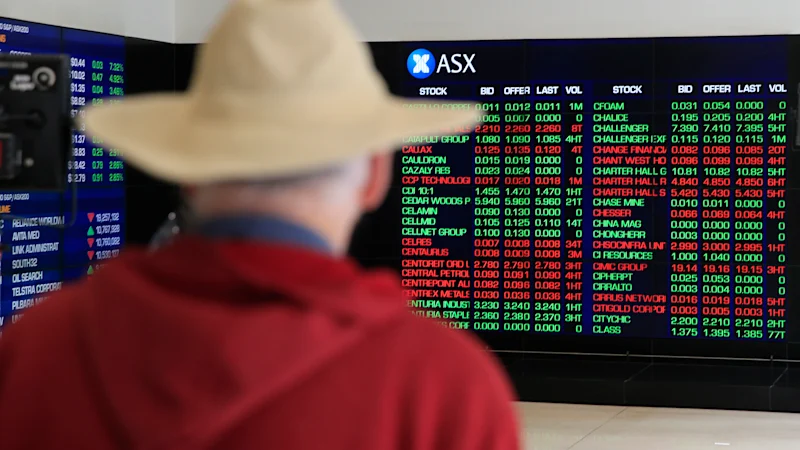
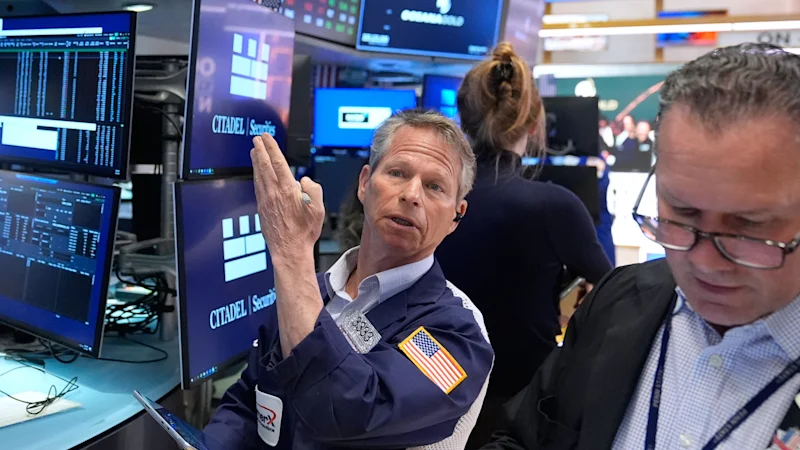
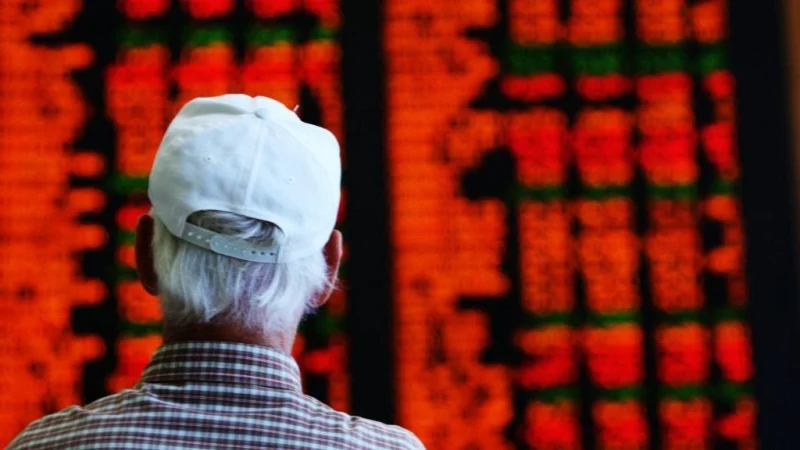
Markets face more uncertainty after a wave of strikes on Iran over the weekend and Tehran closed the Strait of Hormuz to shipping.
841 words~4 min read