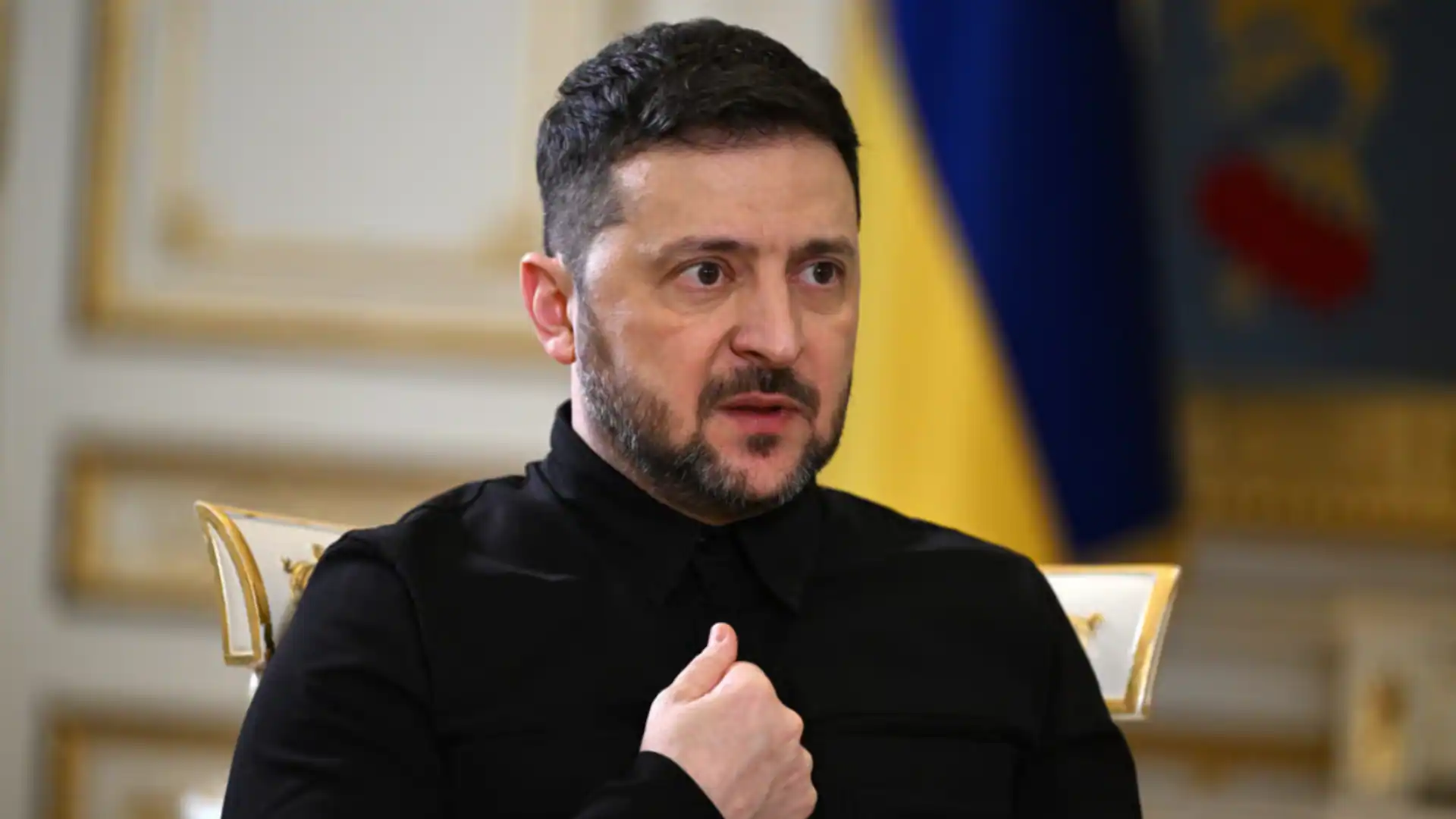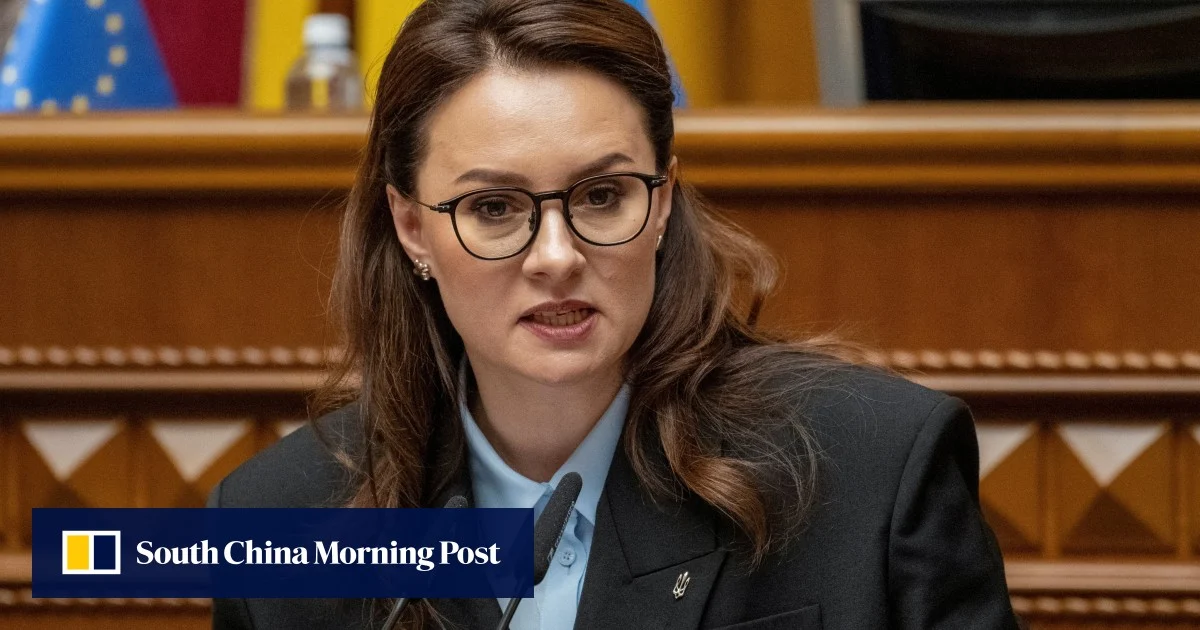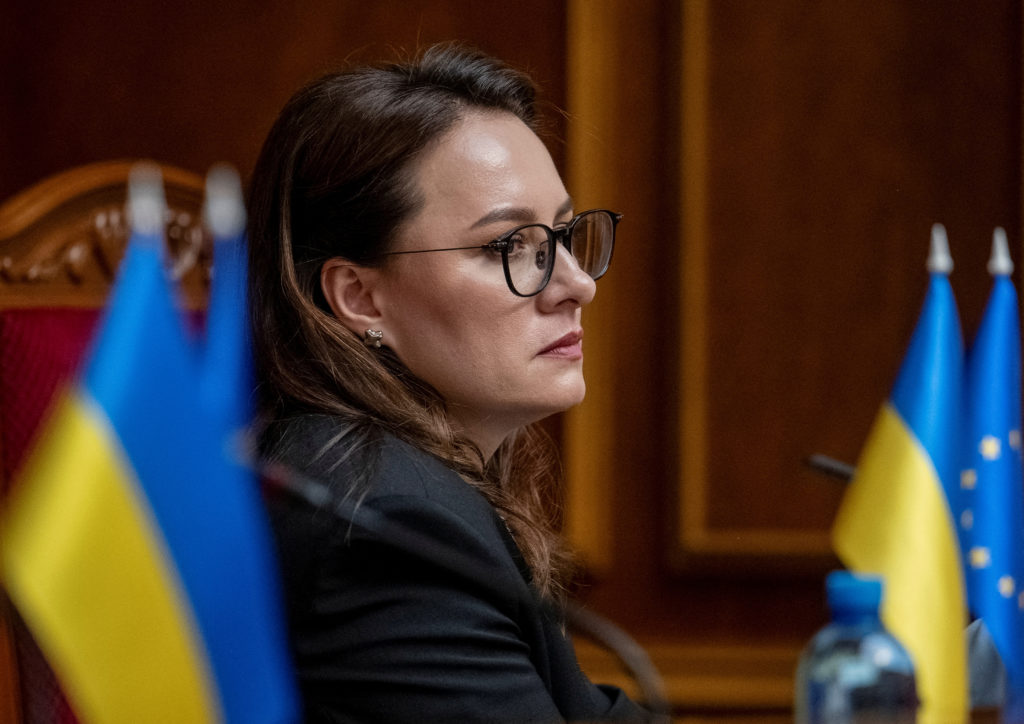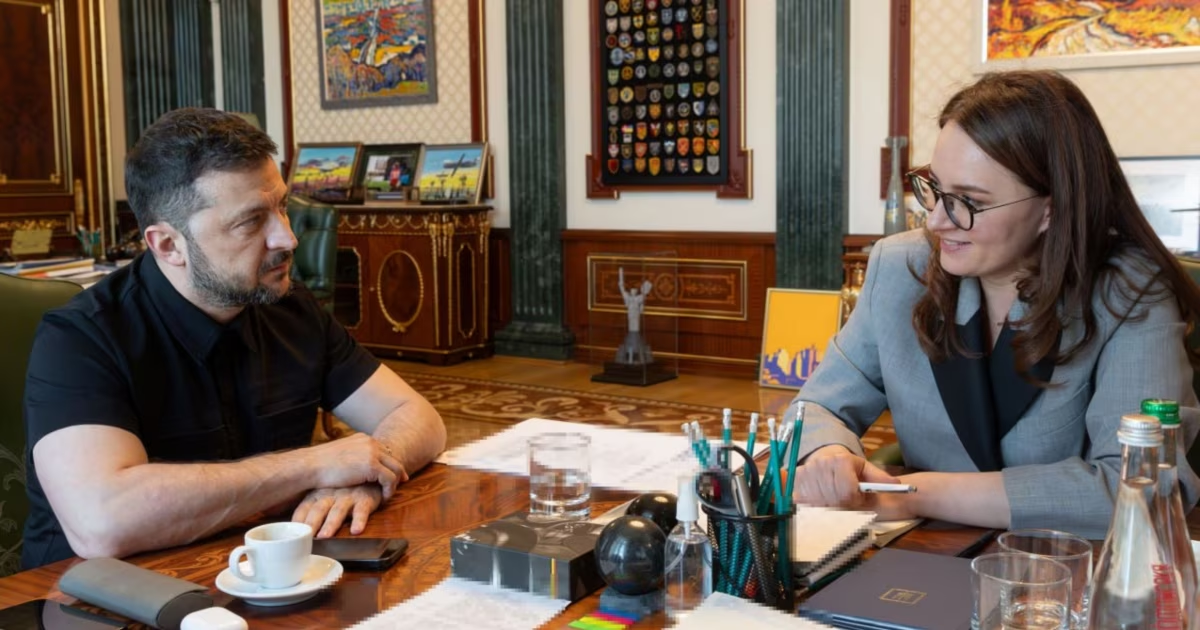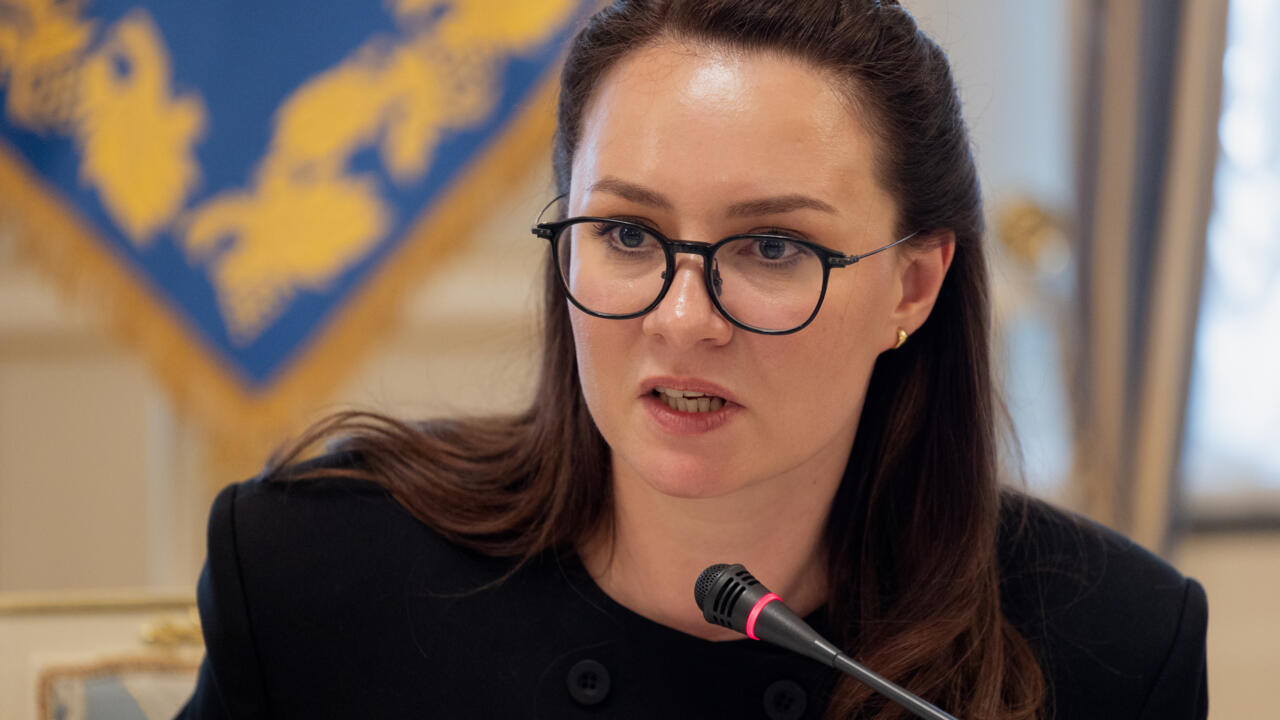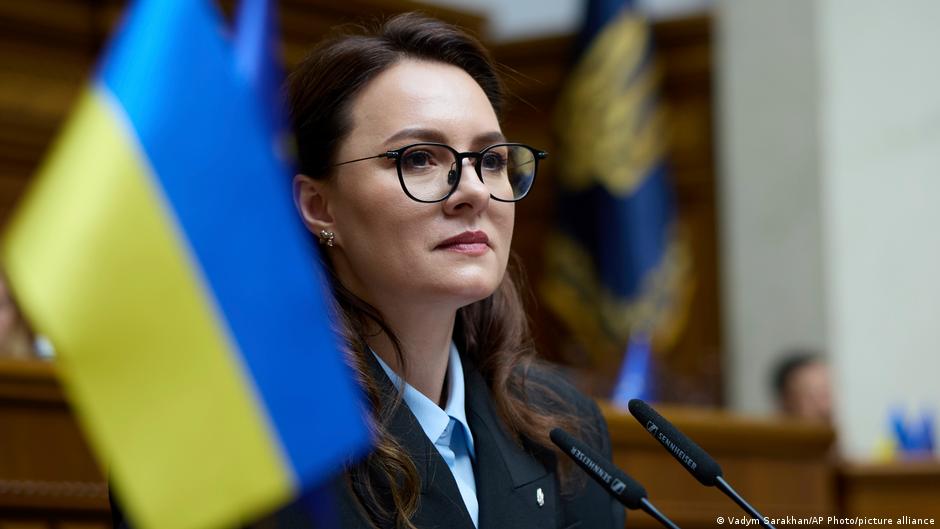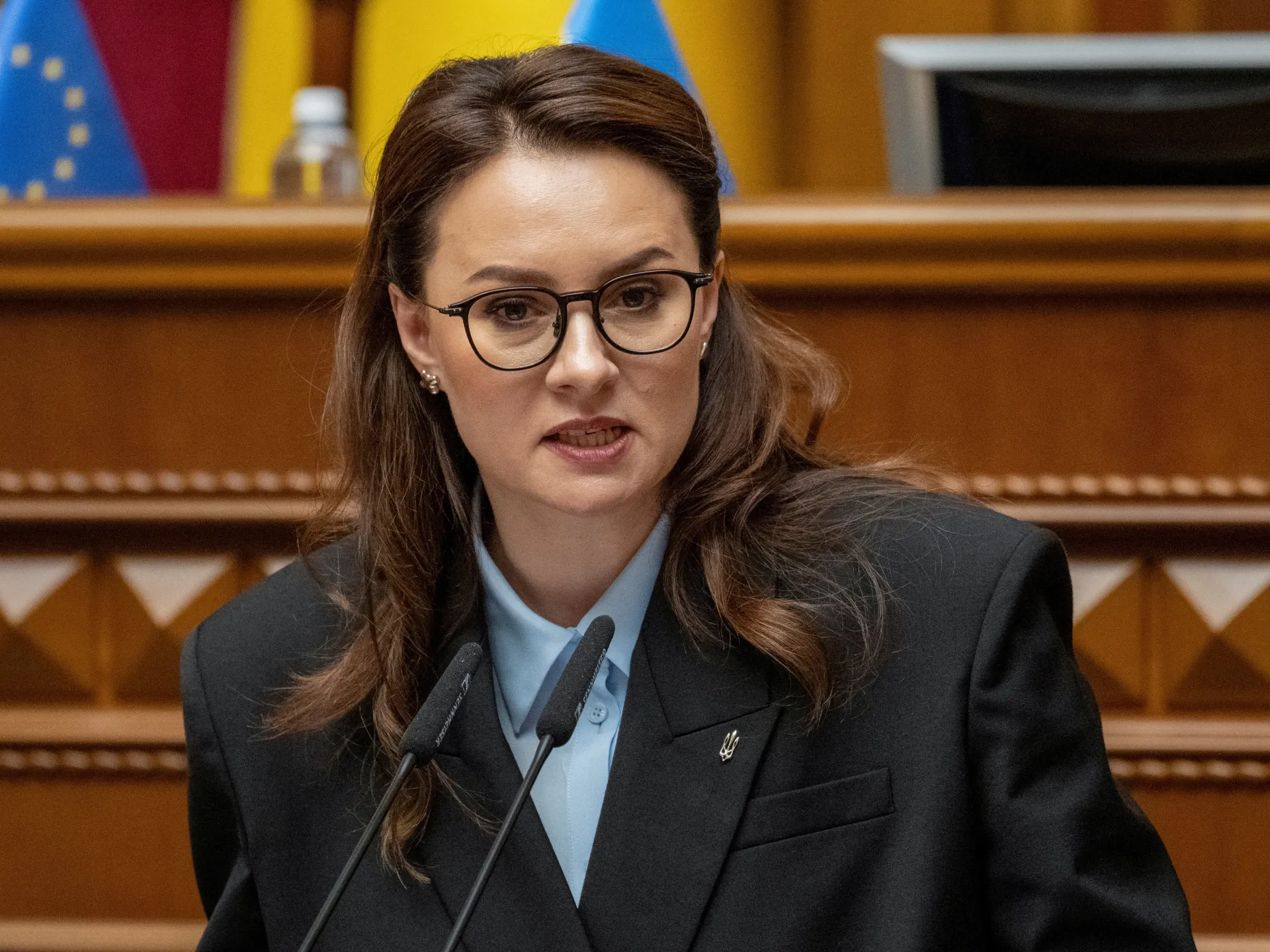
Ukrainian President Volodymyr Zelenskyy has executed a significant government reshuffle, replacing Prime Minister Yulia Svyrydenko, amid ongoing military and diplomatic challenges. Svyrydenko’s resignation comes as she is projected to take on the role of Ukraine’s ambassador to the U.S. This political shake-up coincides with Ukraine’s intensified maritime campaign against Russian shipping in the Sea of Azov, part of a strategic effort to disrupt supply lines to Russian-occupied territories. Market participants appear to interpret these developments as introducing uncertainty into Ukraine’s political landscape, potentially impacting the likelihood of a ceasefire agreement between Ukraine and Russia by the end of 2026.
Key Takeaways
The removal of Ukraine’s Prime Minister Yulia Svyrydenko appears to introduce uncertainty into the political landscape, suggesting a decreased likelihood of reaching a ceasefire agreement with Russia.
Ukraine’s strategic operations in the Sea of Azov, targeting Russian logistics, may indicate an intensified military posture rather than a move towards diplomatic resolution.
Current market pricing reflects a decrease from 42% to 40.5% in the likelihood of a ceasefire agreement by December 31, 2026, suggesting participants view recent developments as less supportive of a near-term resolution.