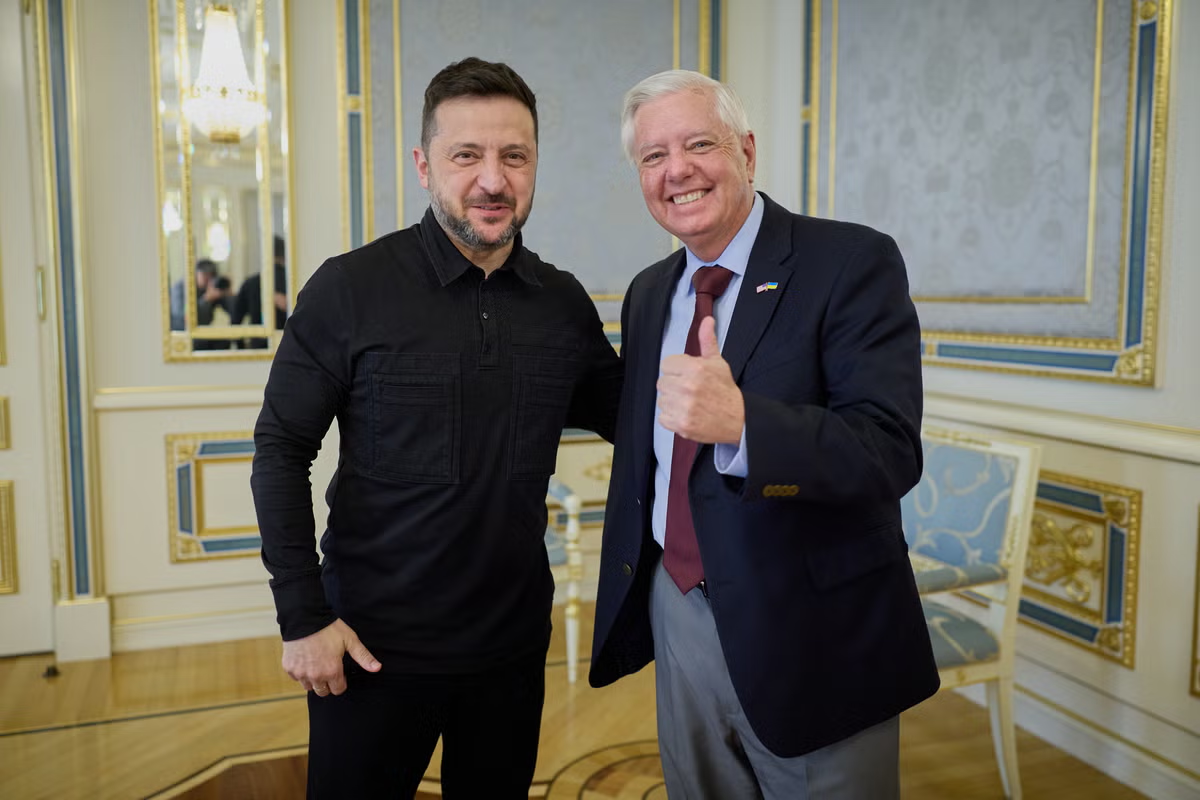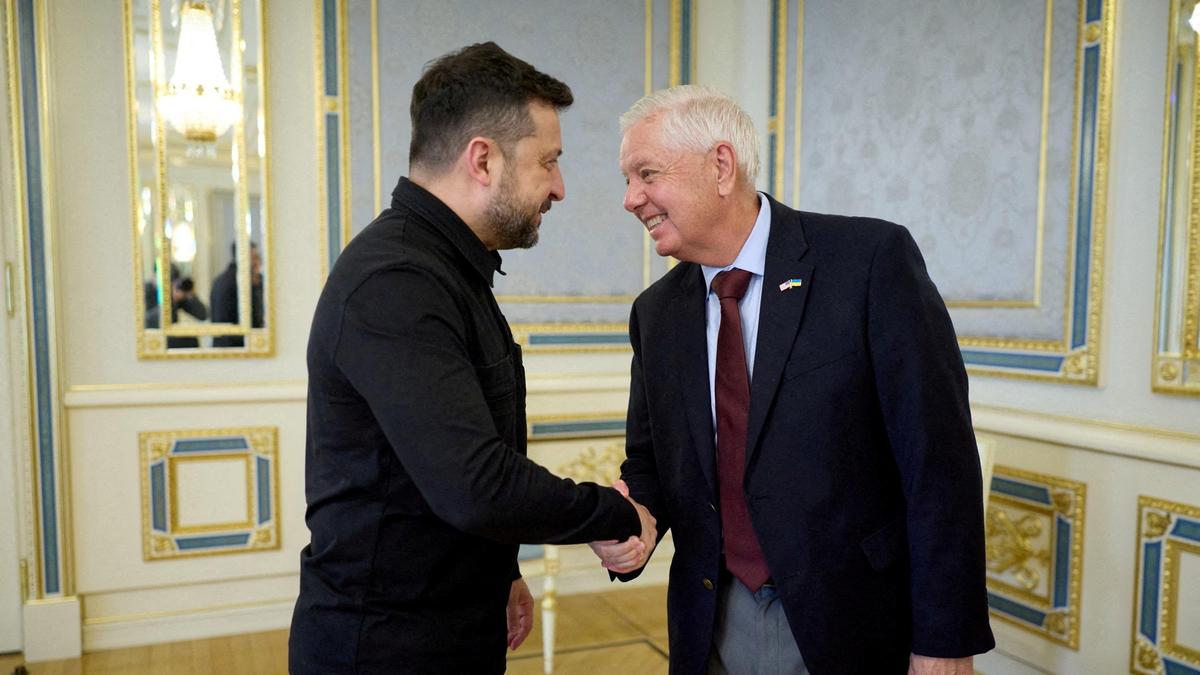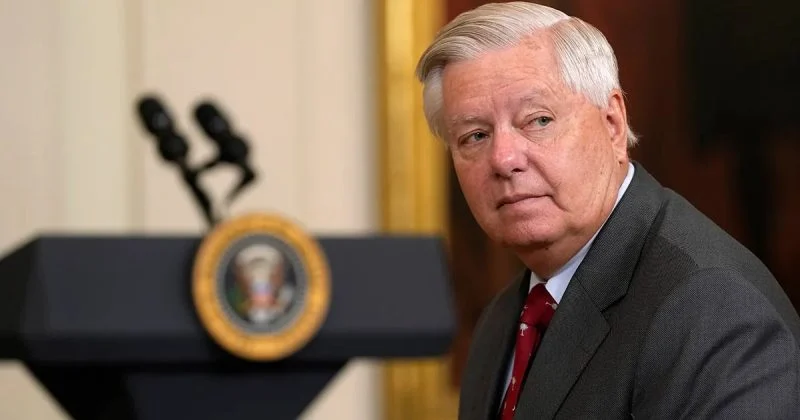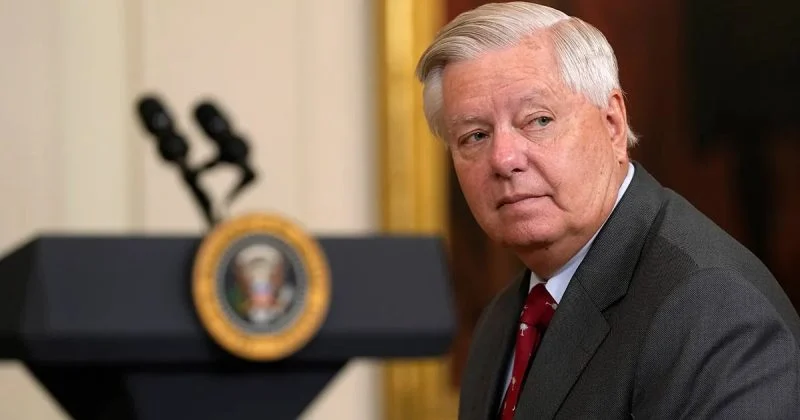
Senator Lindsey Graham’s recent passing removes a major advocate for Ukraine in Washington, particularly within the Trump administration. Graham, who had just finalized a diplomatic agreement securing U.S. support for a new Russia sanctions bill, was a key figure in maintaining strong U.S. backing for Ukraine amidst ongoing Russian aggression. His involvement in persuading the Trump administration to target countries purchasing discounted Russian oil was seen as a strategic move to pressure Russia towards peace negotiations. Markets appear to interpret Graham’s absence as potentially weakening Ukraine’s influence in U.S. foreign policy circles, which may affect the likelihood of a ceasefire agreement in the ongoing Russia-Ukraine conflict.
Key Takeaways
Graham’s departure appears to reduce Ukraine’s diplomatic leverage in the U.S., potentially impacting broader strategic decisions.
Market pricing suggests a decreased likelihood of a Russia-Ukraine ceasefire agreement by the end of 2026.
The current odds of a ceasefire agreement by December 31, 2026, have decreased slightly to 41% as of the latest data.