Great wars do not begin where the first shots are fired. The front line is merely the point where accumulated pressure finally breaks through to the surface. By that moment the foundation has already been destroyed: the language of mutual security, trust in commitments, a shared understanding of what is permissible, the capacity to perceive the other side as part of a common system rather than a threat to be eliminated. When these bonds break, politics does not direct events; it is led by them.
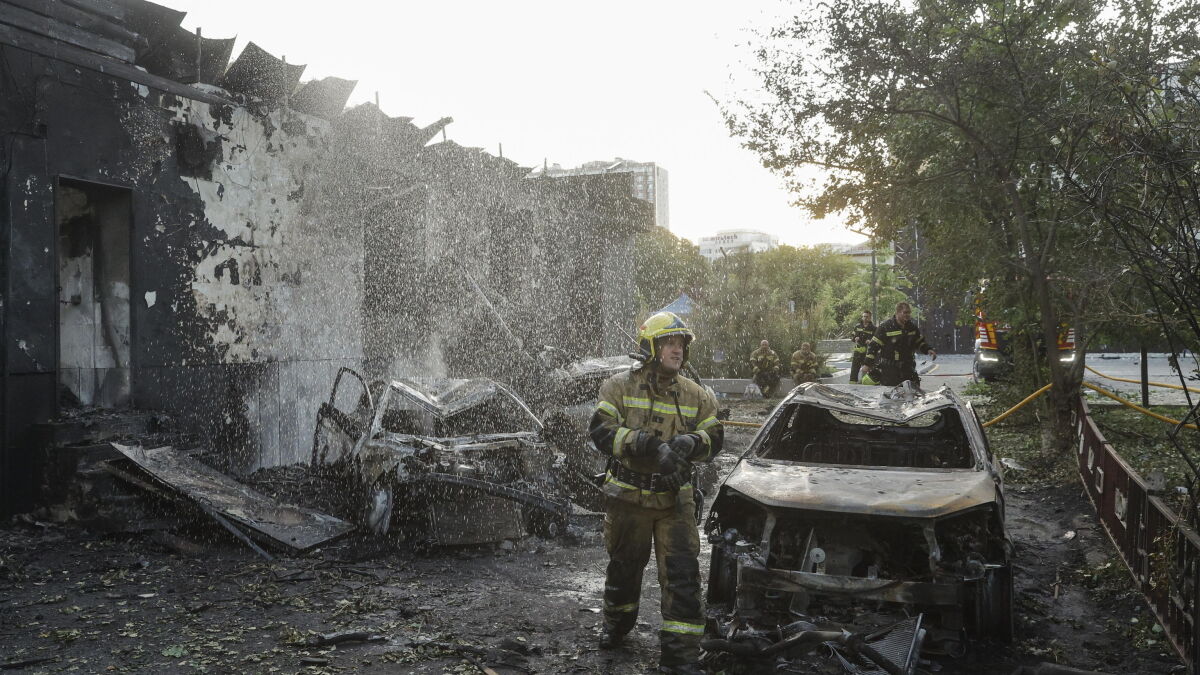
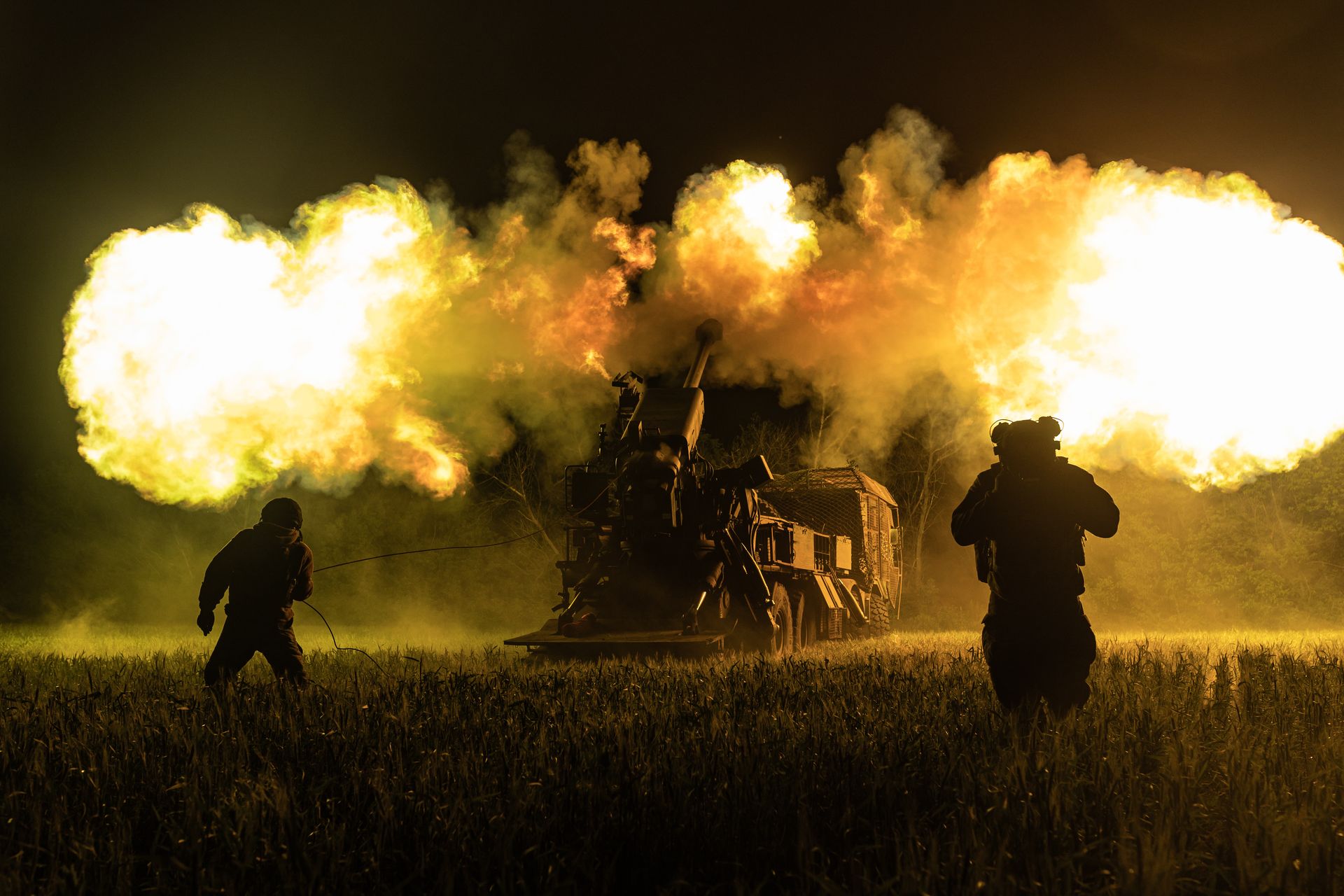
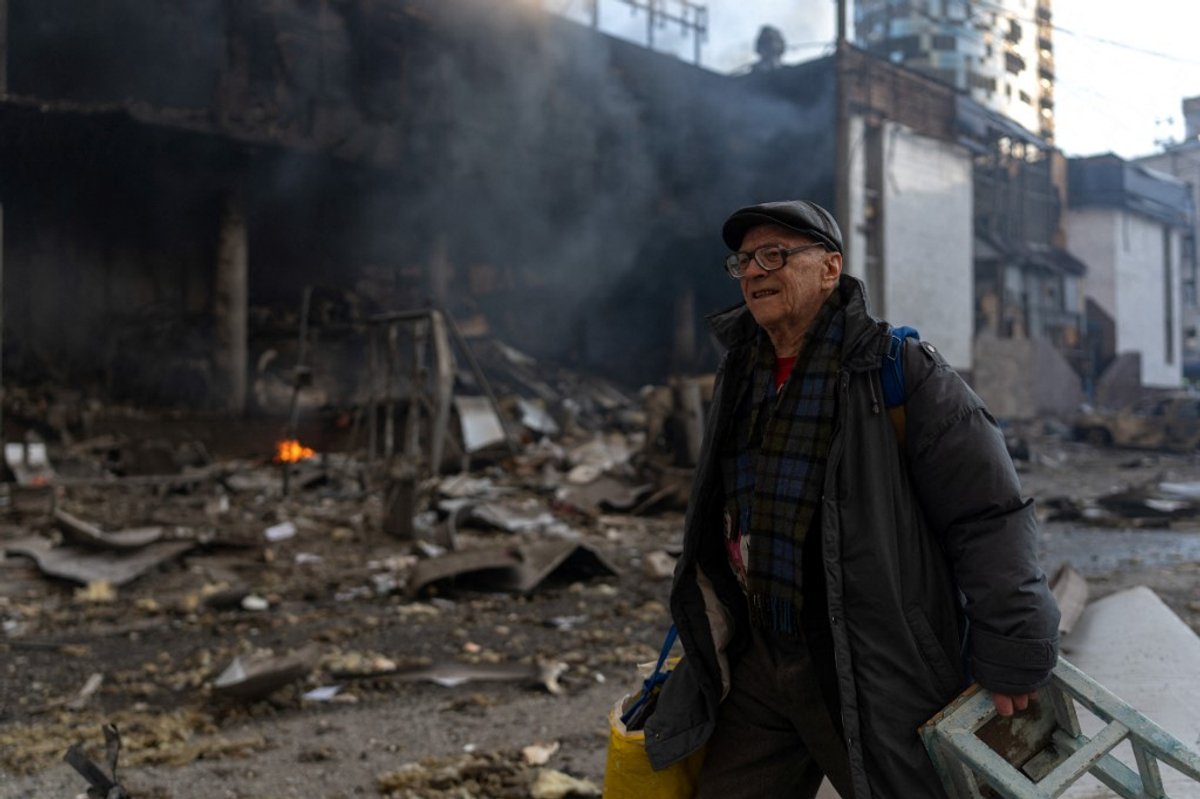
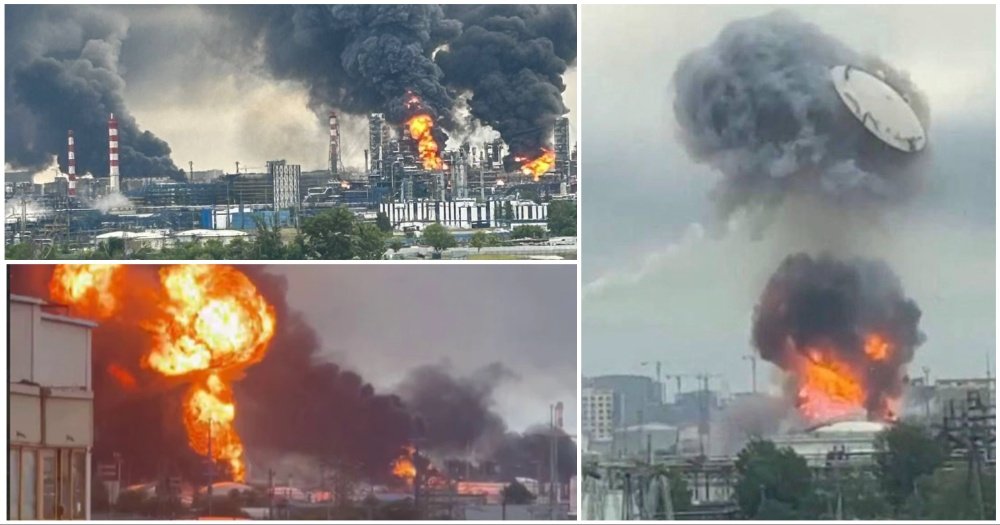
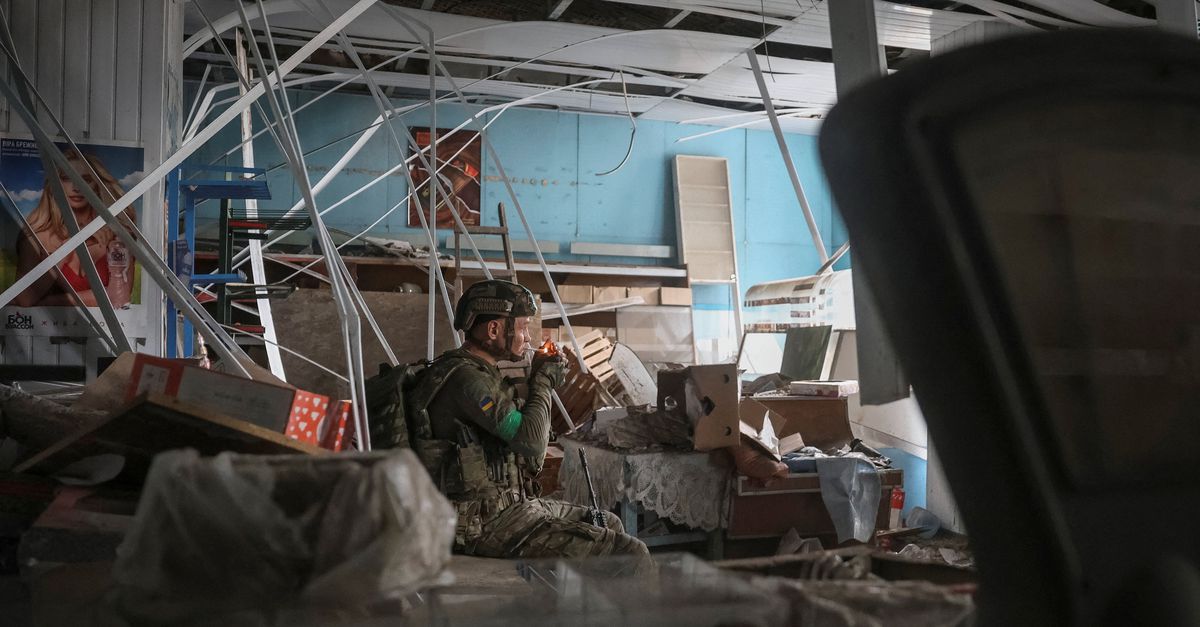
The war in Ukraine is such a case. It comprises several layers: the tragedy of peoples who lived for centuries within a shared historical space; a conflict between Russia and the West—a dispute over territory, alliances, historical memory and the future of the world order.
De redactie van NRC selecteert de beste artikelen uit The Economist voor een breder perspectief op internationale politiek en economie.
But a deeper failure underlies these: the modern world has lost the mechanism that once allowed major powers to exist within a single security system without denying each other’s status. When that mechanism breaks down, moral formulas begin to substitute for architecture, and punishment is mistaken for strategy.