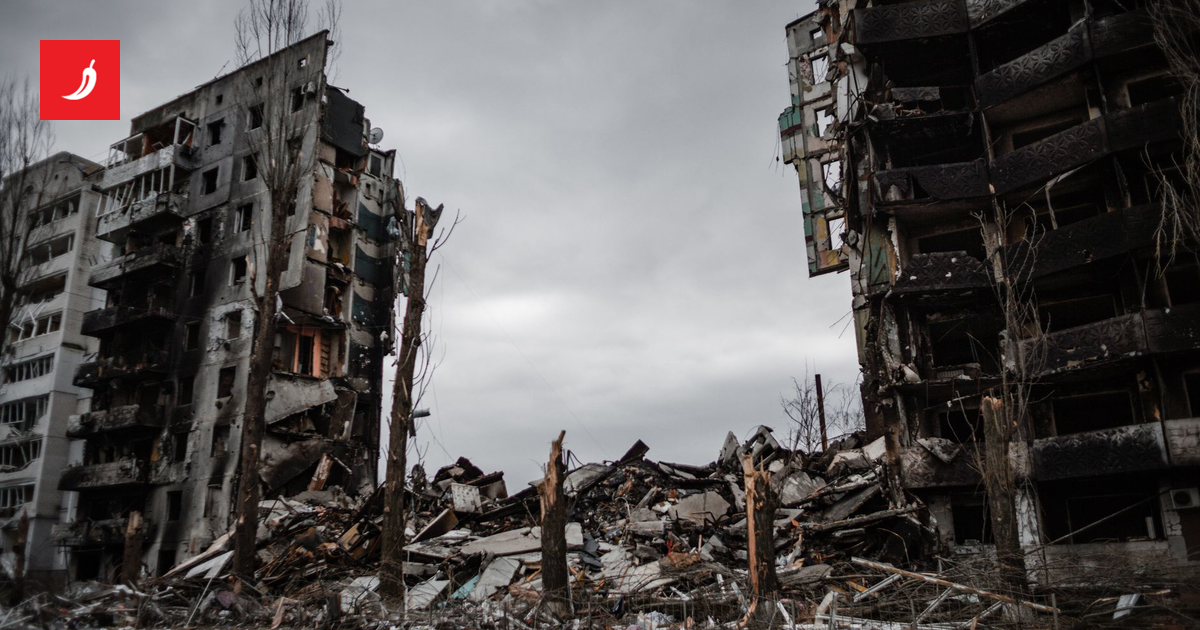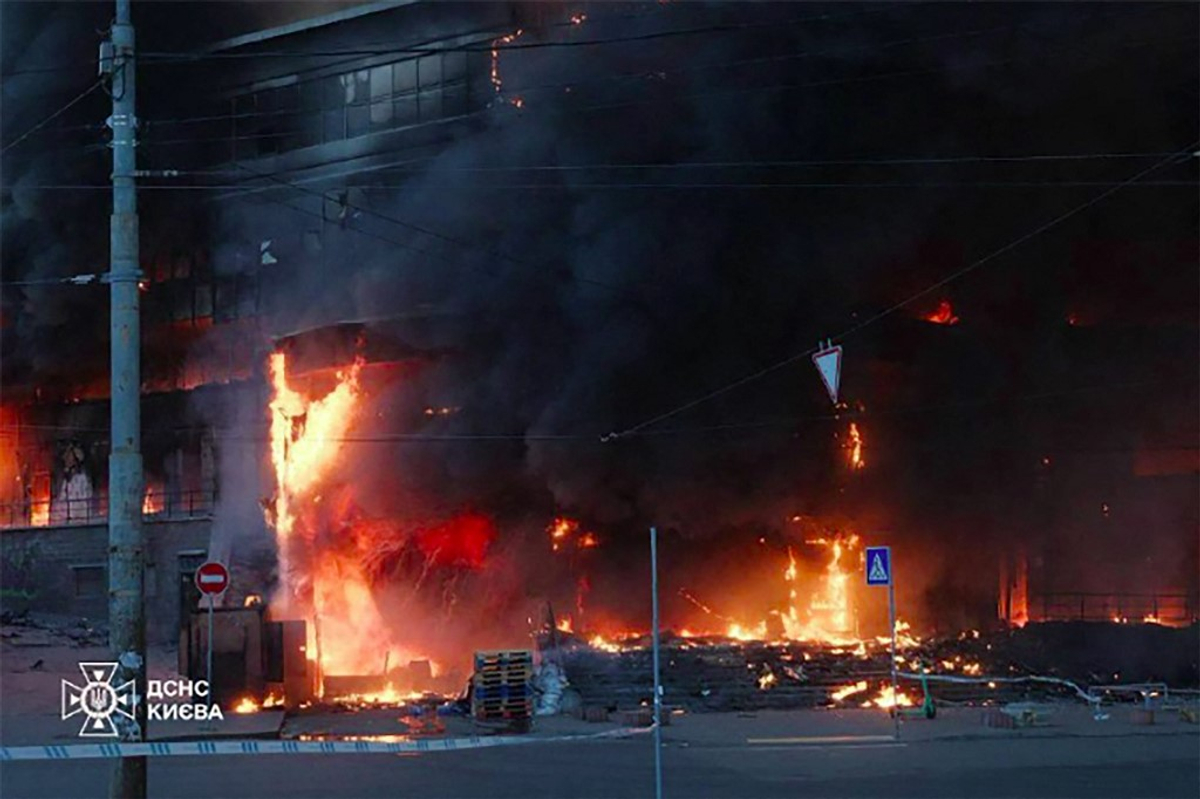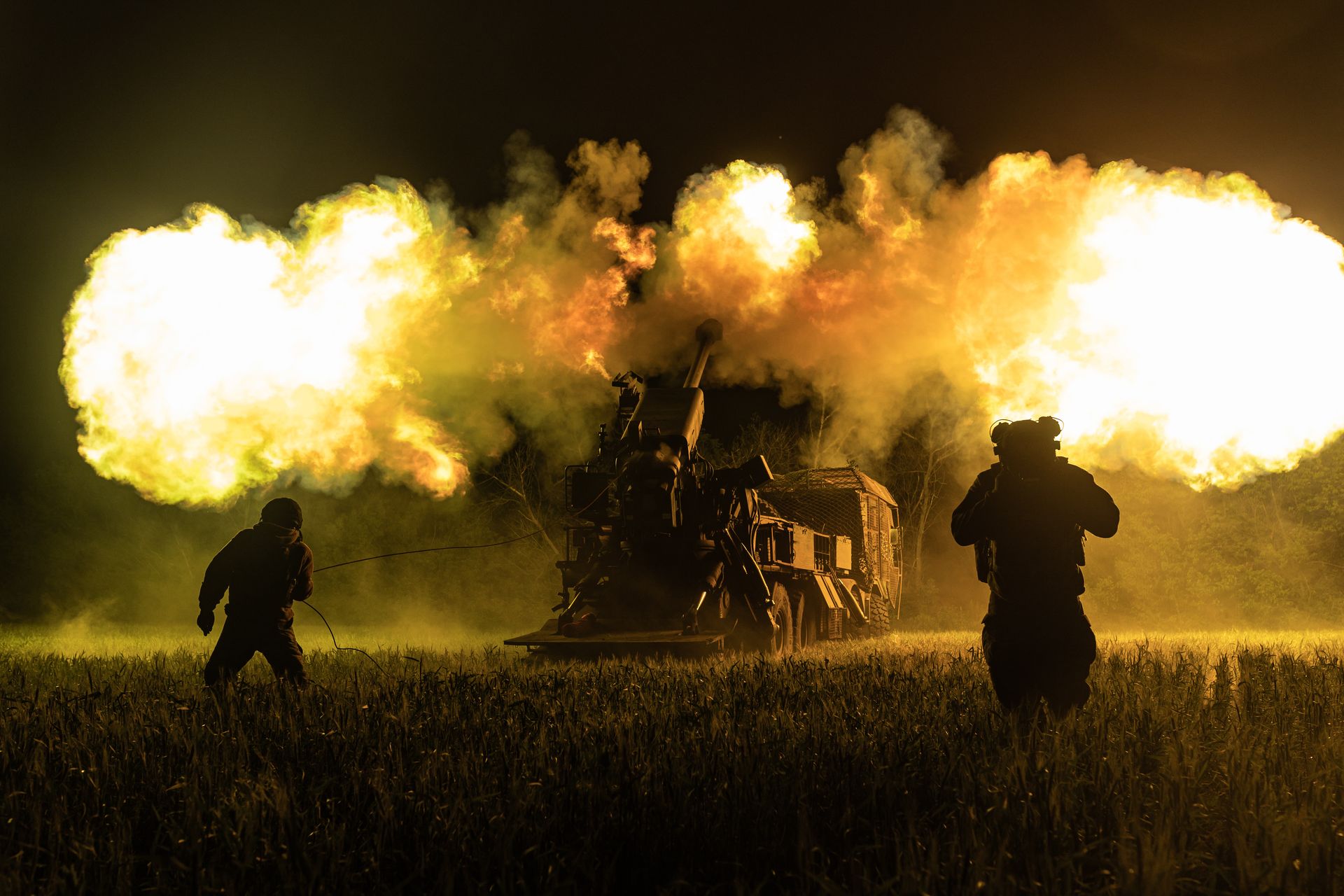
Ukrainian soldiers from the 30th Brigade fire a Bohdana artillery system at Russian positions in Donetsk Oblast, Ukraine, on May 31, 2026. (Diego Herrera Carcedo / Anadolu / Getty Images)Joni AskolaFinnish geopolitical analystA negotiated ceasefire that produces a de facto freeze of the war would be the worst outcome for Ukraine and the best outcome for Russia.To understand why, one needs only to look at what the war itself is revealing. Moscow is on a losing trajectory, and a freeze would lock in conditions that let Russia avoid the political and economic costs of defeat, while denying Kyiv the space it needs to prevail and rebuild.The human impulse to stop the fighting is understandable, but ending active combat without a credible, enforceable pathway to a durable settlement would institutionalize aggression and consign Ukraine to prolonged insecurity.On the battlefield, the picture has shifted in Kyiv's favor. Over recent months, Ukrainian forces have regained the strategic initiative.The growing use of mid-range strike drones and precision fires has allowed Kyiv to target logistics hubs, rear areas, and lines of communication, complicating Russian supply chains and blunting the prospect of sustained advances.Russian loss ratios are rising, and unit competence is eroding when recruits reach the front after only days of training. Moscow still does not control any of the regional capitals and special-status cities it sought to subdue, and its proclaimed strategic aims remain out of reach.
If Europe wants real peace, it must make a frozen war unattractive
A negotiated ceasefire that produces a de facto freeze of the war would be the worst outcome for Ukraine and the best outcome for Russia. To understand why, one needs only to look at what the war itself is revealing. Moscow is on a losing trajectory, and a freeze would lock in conditions that let Russia avoid the political and economic costs of defeat, while denying Kyiv the space it needs to prevail and rebuild. The human impulse to stop the fighting is understandable, but ending active comba
856 words~4 min read