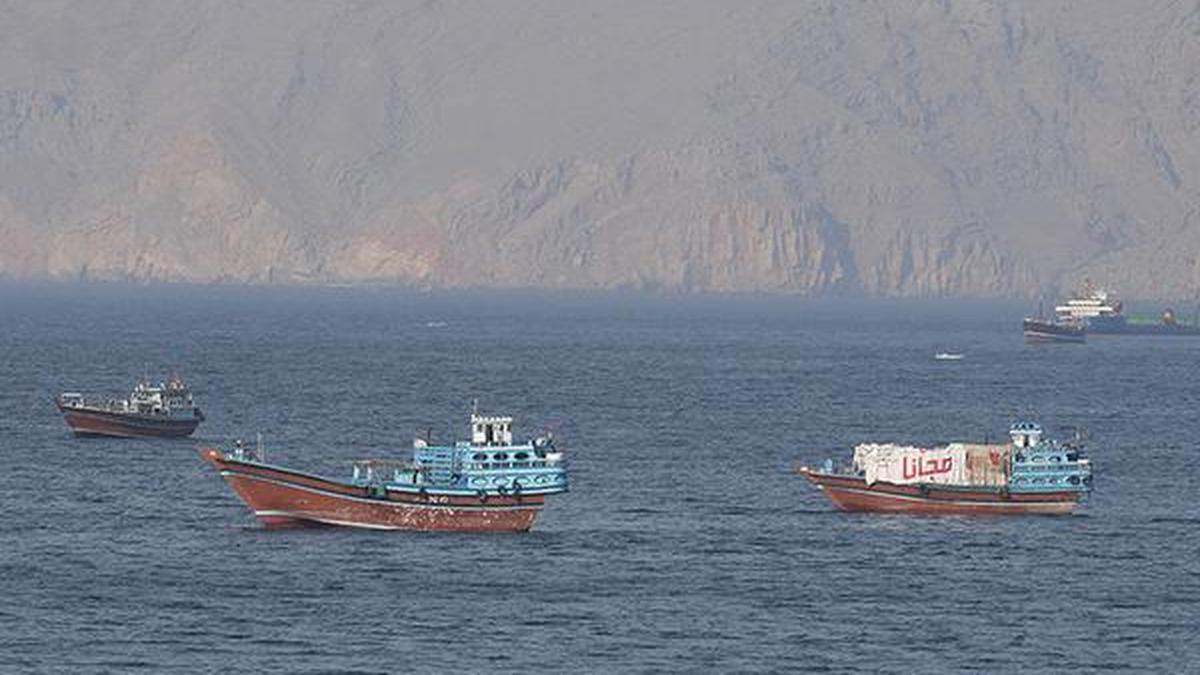
Exporters said the biggest immediate fallout would be through energy prices rather than shipping disruptions.
| Photo Credit:
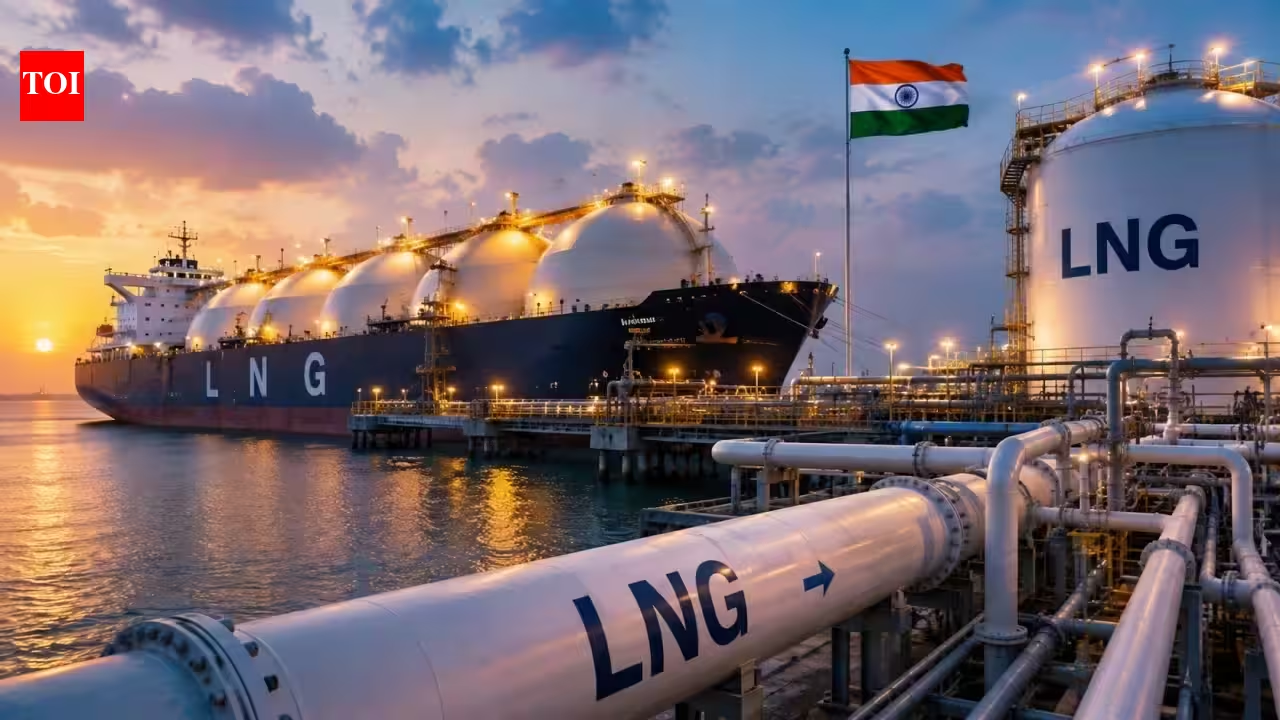
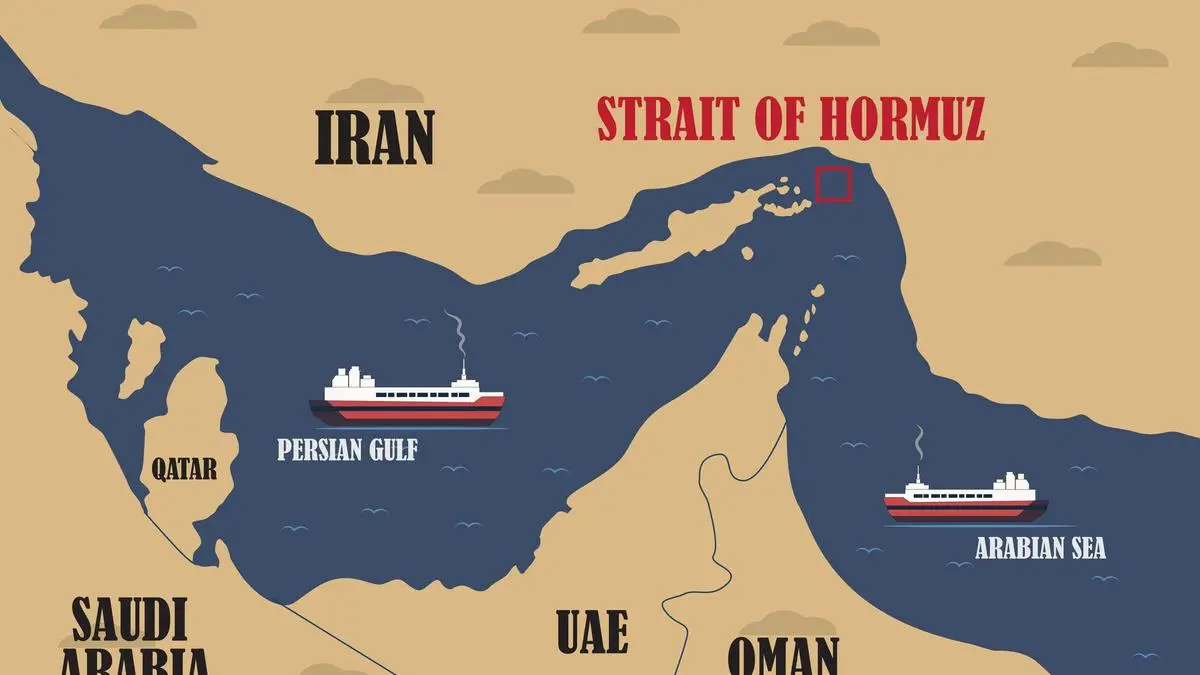
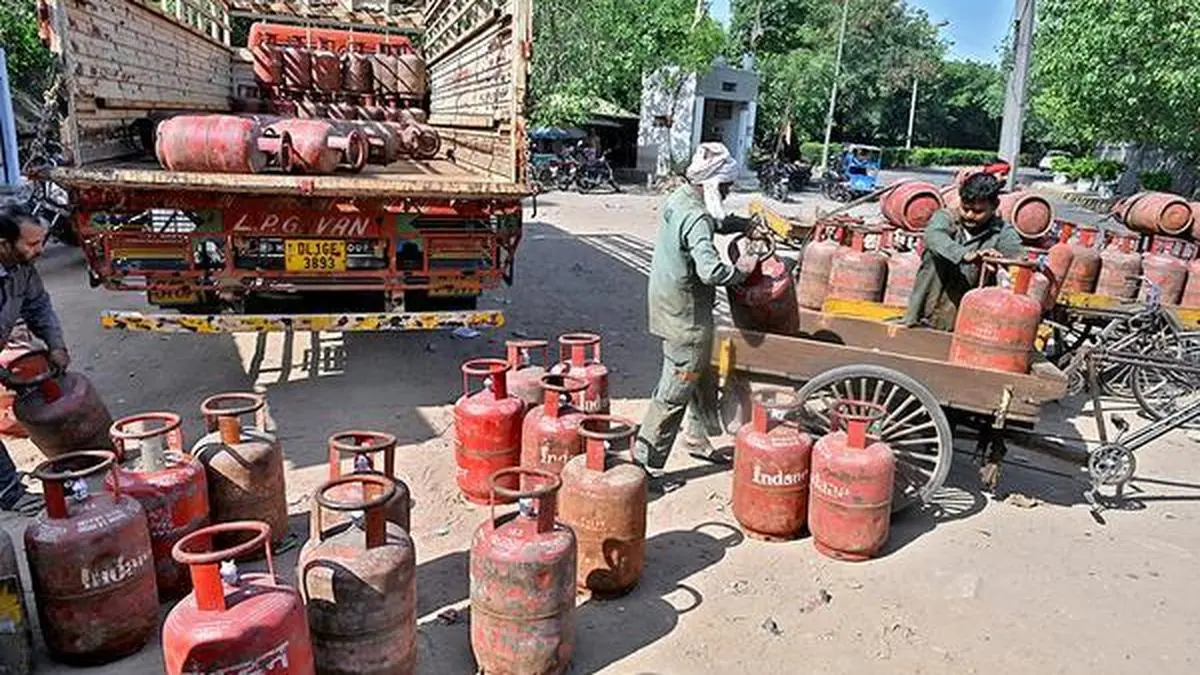
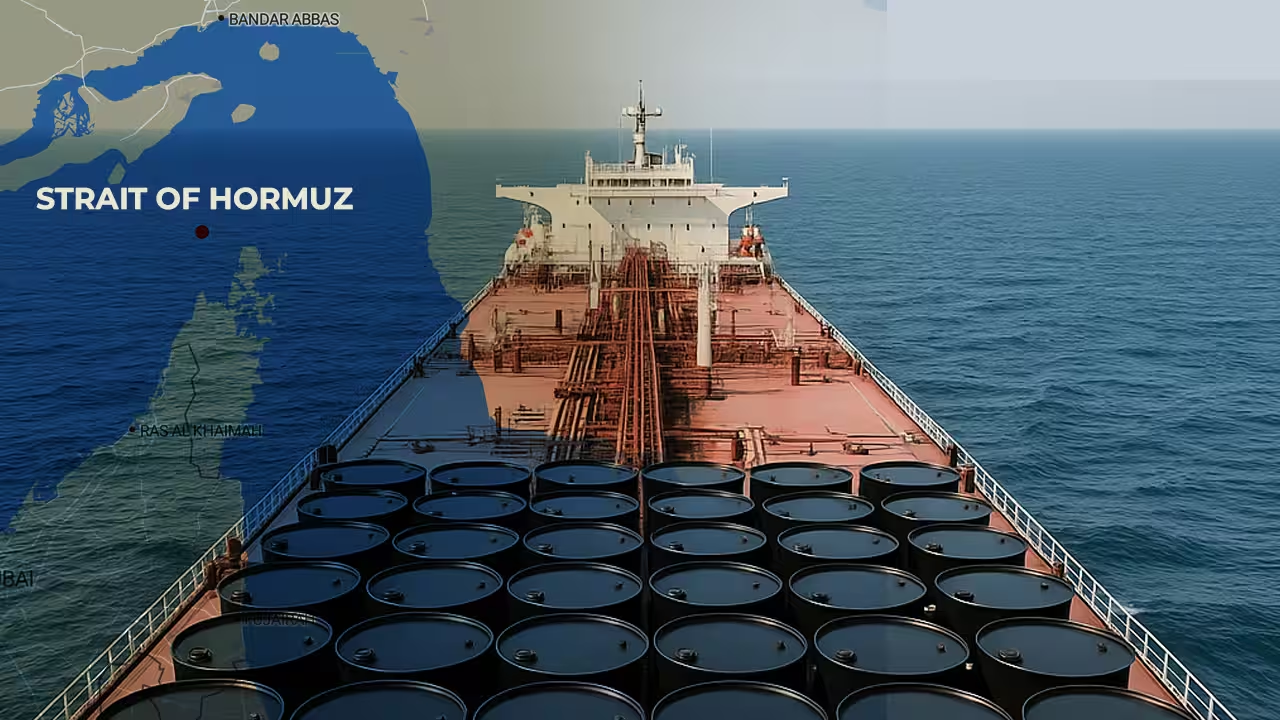
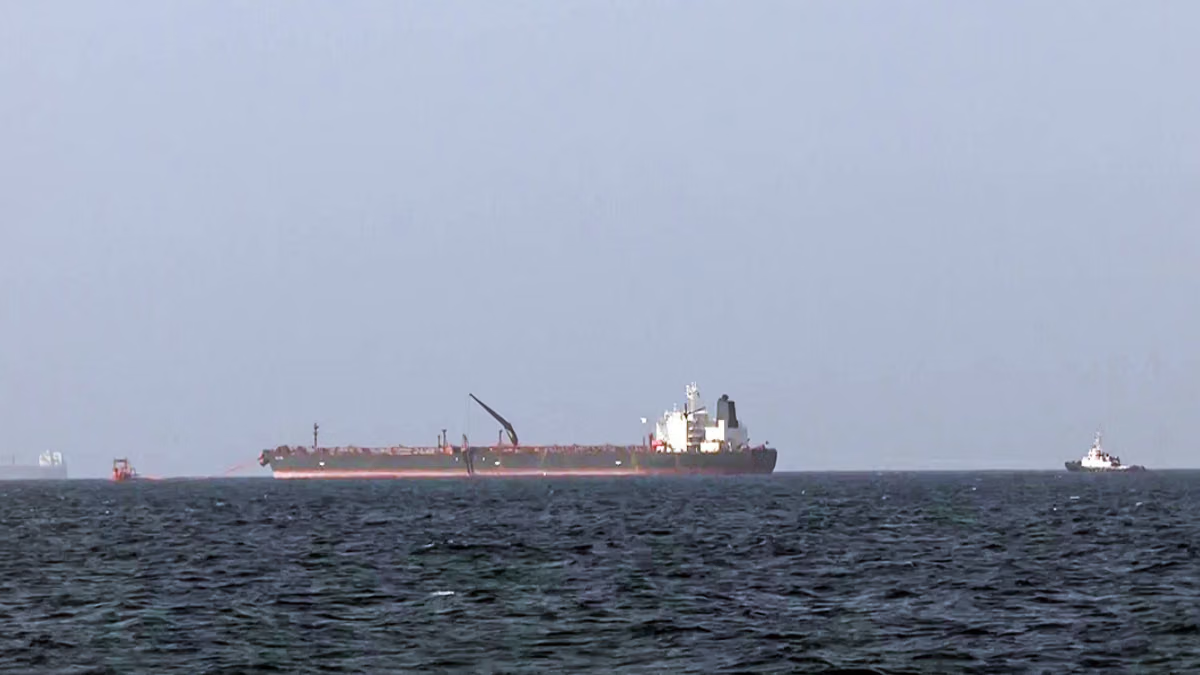
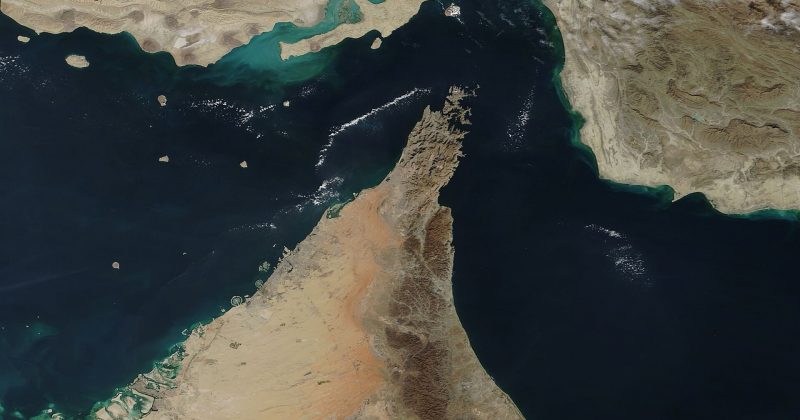
Fresh escalation in West Asia following the US attack on Iran and Tehran’s declaration that it has again shut the Strait of Hormuz threatens to disrupt India’s hydrocarbon supplies, particularly liquefied natural gas (LNG) and liquefied petroleum gas (LPG), while also raising concerns over crude oil imports and higher costs for exporters.Government and industry officials said India has some immediate buffer as refiners had topped up crude, LPG and LNG cargoes during the recent sanctions reprieve. However, a prolonged disruption to shipping through the strategic waterway could recreate the supply tightness witnessed in March-April this year.“India has been able to make up for some lost cargoes of LPG and LNG. For now, there are supplies. However, if this escalation extends leading to the SoH becoming un-navigable, the March-April 2026 shortage scenario can return,” a government source said.Close watchAnother senior official described the situation as “tense and fluid”, saying the government is monitoring developments closely and is in touch with stakeholders to ensure the safe movement of crude oil, LPG, LNG and chemical cargoes.A refinery official said, “At present, vessel traffic is not happening through the SoH. There will be shadow tanker activity. No one can say for sure what will happen next or how will the conflict de-escalate. For now, it’s wait and watch.”He added that refiners would continue relying on crude from Russia, the US, West Africa and South America, and LPG and LNG imports from the US, reverting to sourcing arrangements that existed before the Iran sanctions reprieve.The Strait of Hormuz carries roughly a fifth of global crude oil trade and a substantial share of the world’s LNG shipments, making any prolonged disruption a major concern for energy-importing countries such as India.Disruptions seenExporters said the biggest immediate fallout would be through energy prices rather than shipping disruptions. Since commercial container traffic had not resumed through the Strait even after the temporary ceasefire, the latest escalation has mainly extinguished hopes of an early return to normalcy while threatening to raise fuel and freight costs.Federation of Indian Export Organisations Director General Ajay Sahai said there would be no immediate deterioration in container movement because commercial cargoes were already avoiding the Strait. “The disruption is simply getting prolonged,” he said.EEPC India Chairman Pankaj Chadha said engineering exporters were more worried about gas availability than shipping. “Container traffic through the Strait never really reopened. The difference now is that whatever hope we had of normal shipping resuming has disappeared.”He added that manufacturers had begun receiving better gas supplies after the initial truce and gas prices had started softening from July 1. “Now, it appears the situation will reverse again. Gas prices are likely to rise and industries that had just begun recovering from shortages may once again face the same problems,” Chadha said.Published on July 12, 2026