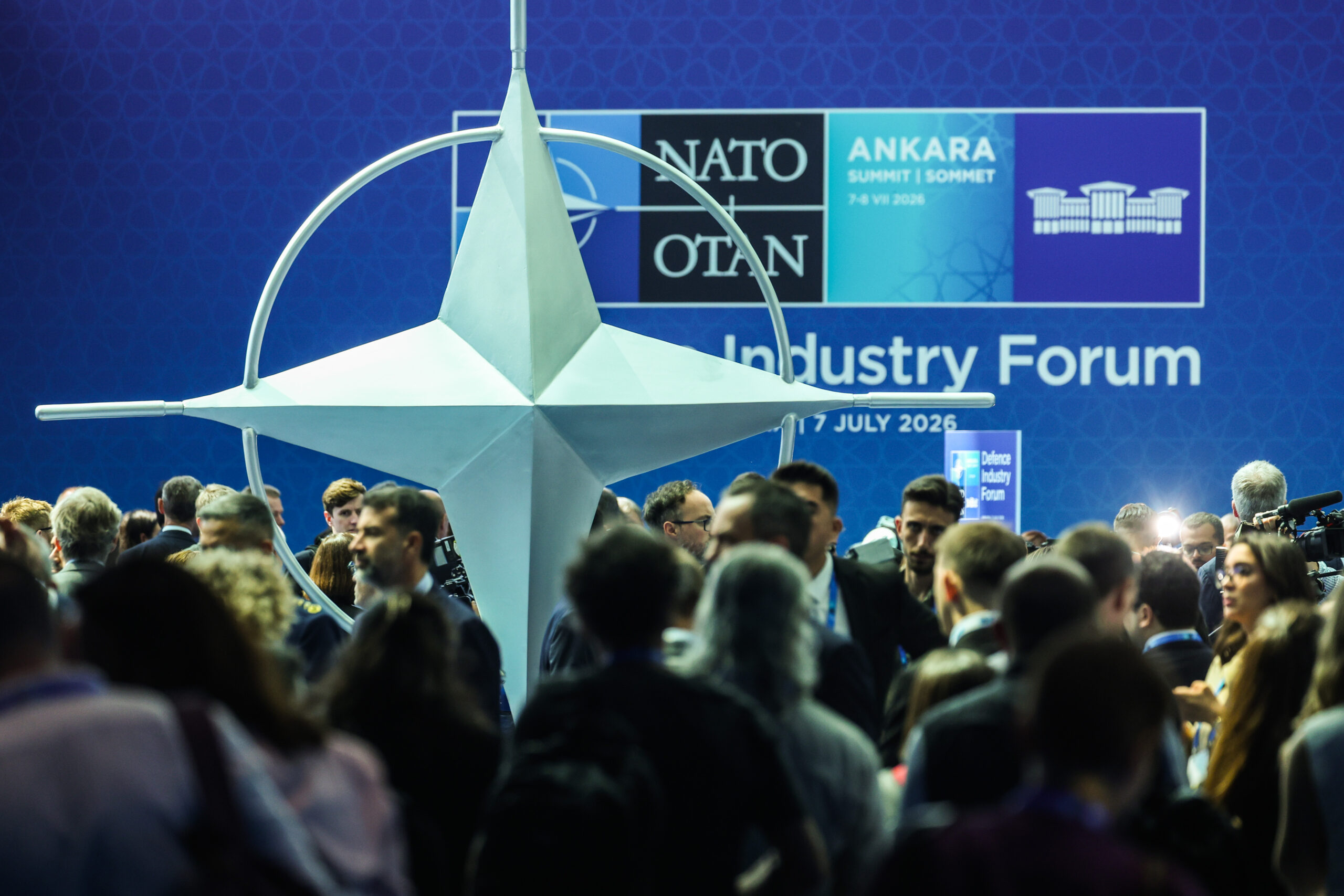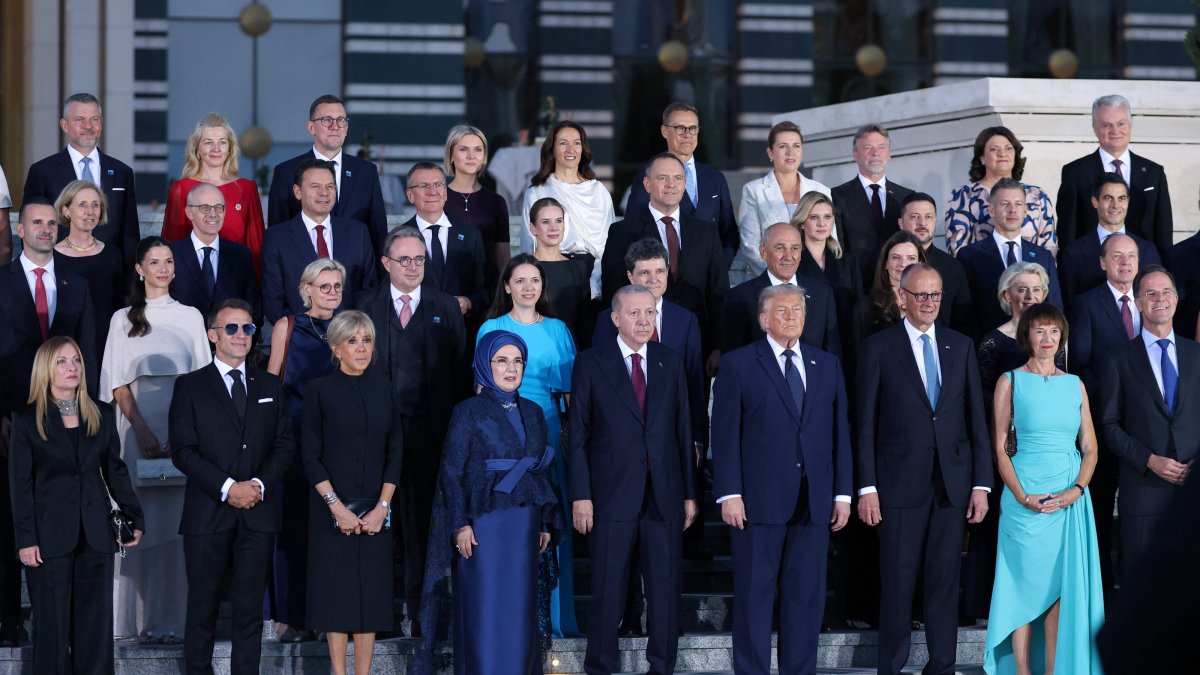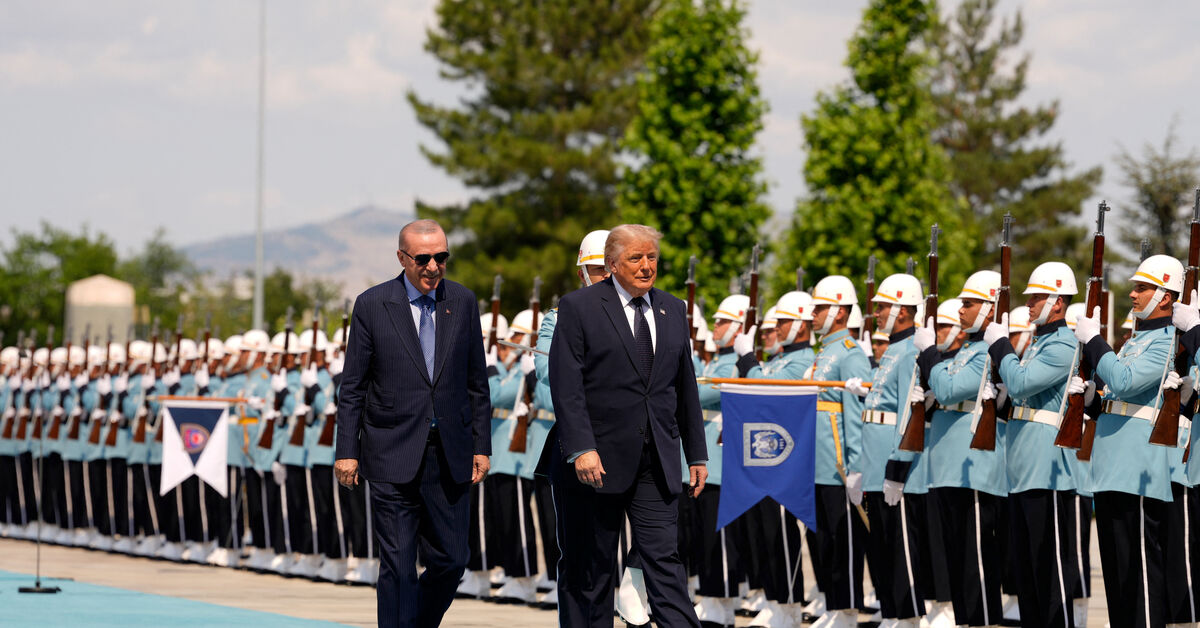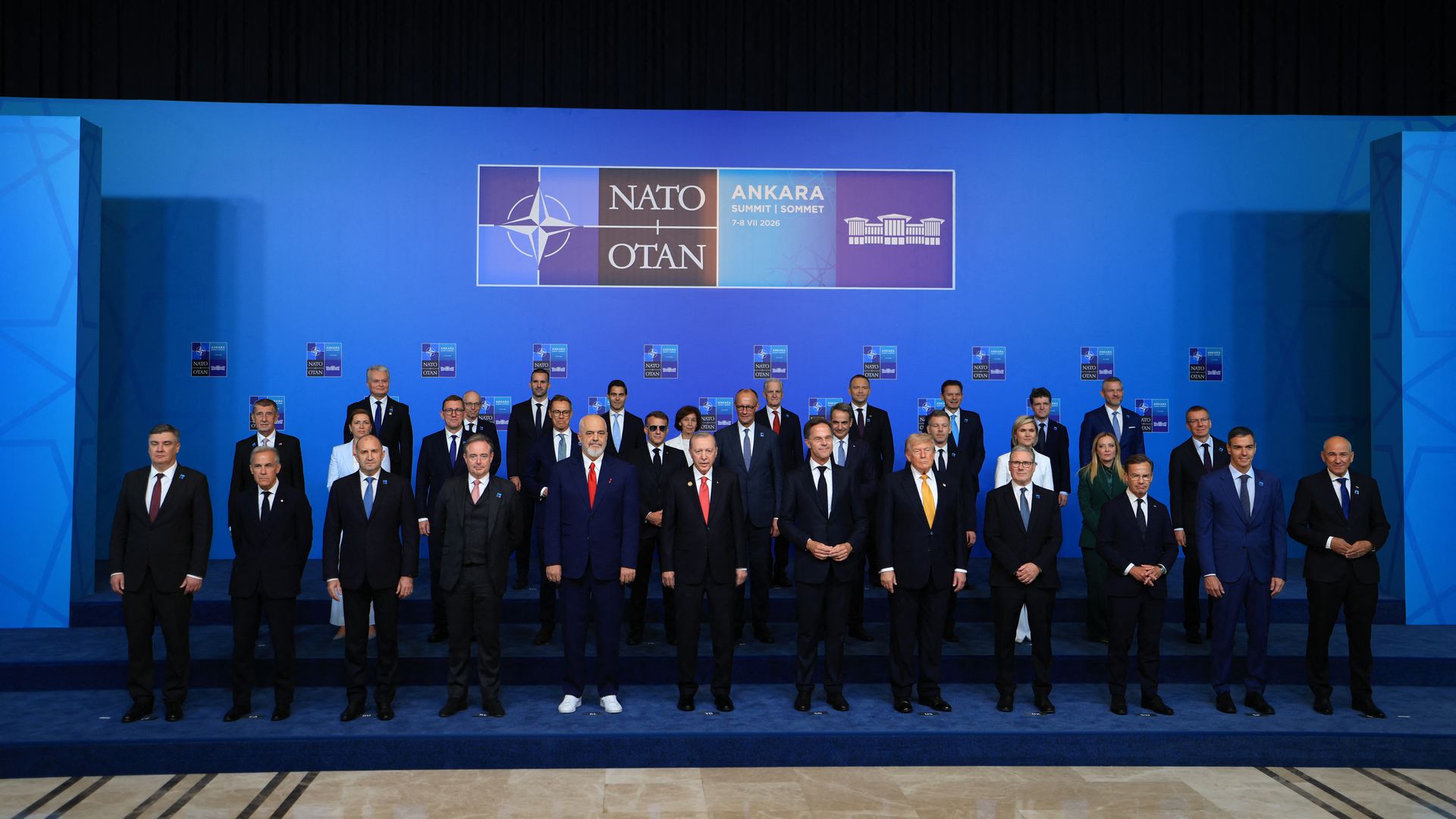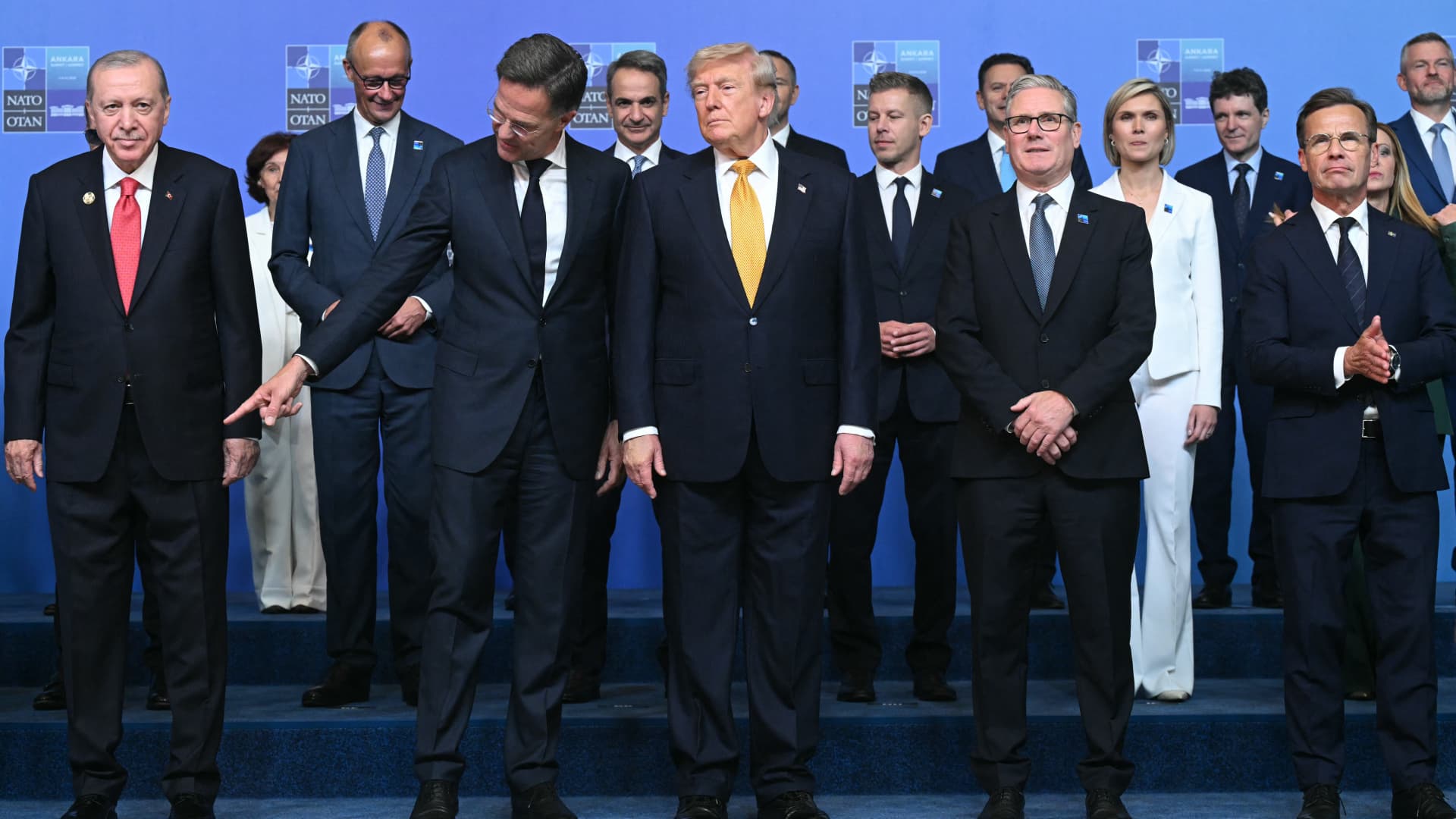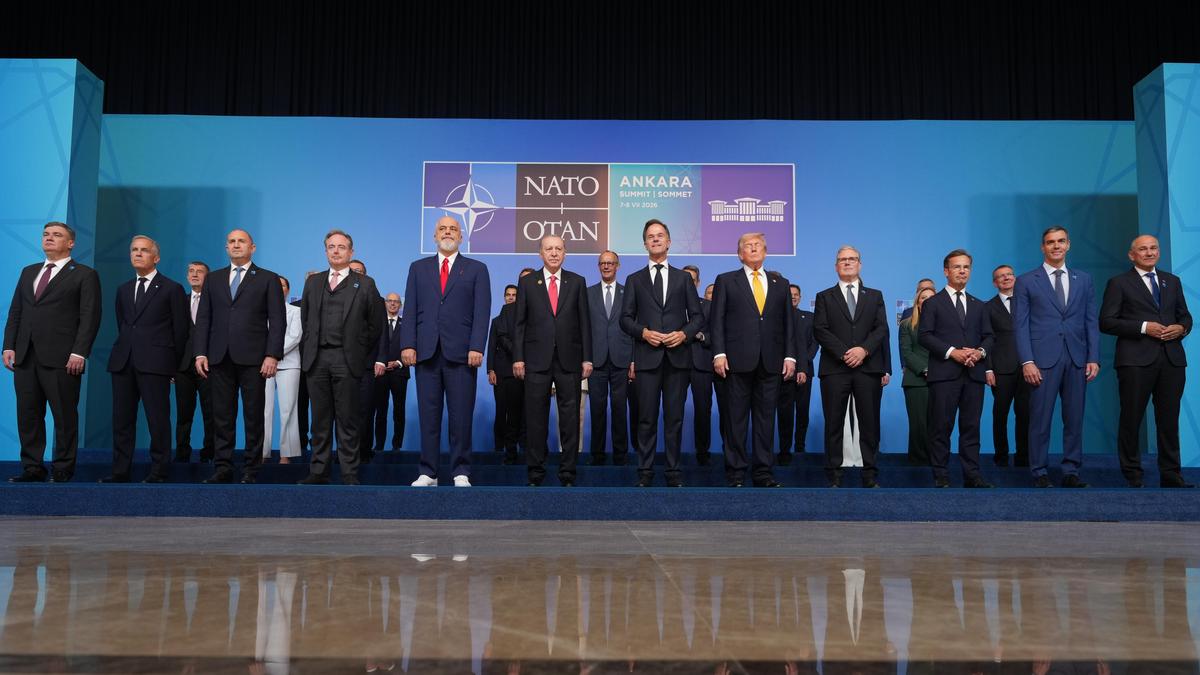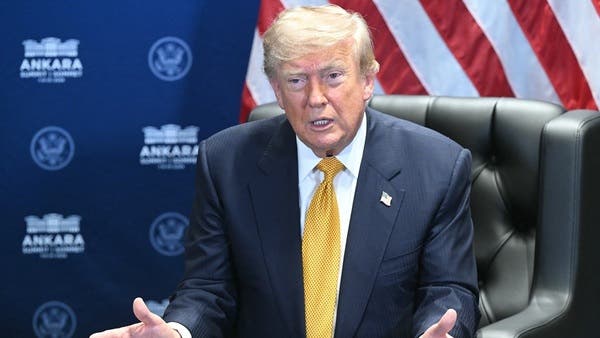
The NATO summit in Ankara marked the moment the United States shifted from fighting a mutilated war with Iran to pursuing a strategy of sustained attrition – one that combines recurring military strikes, economic strangulation, and the gradual erosion of Iran’s ability to use the Strait of Hormuz and its regional proxies as instruments for imposing its terms on Washington.For all the latest headlines, follow our Google News channel online or via the app.
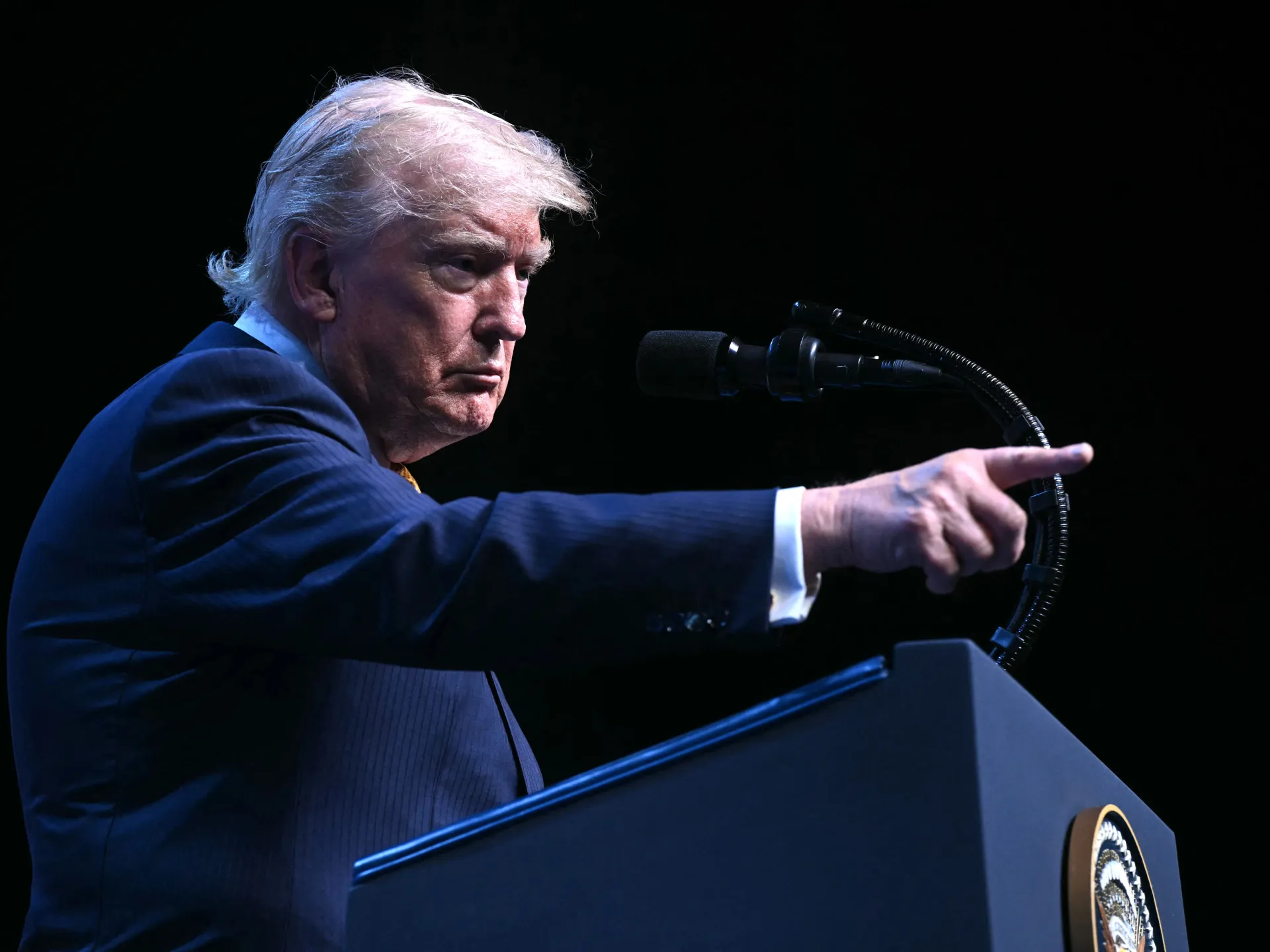
That was the strategic transformation that emerged from Ankara. Donald Trump did not announce a new war. He did not return to the policy of retreat that characterized earlier phases of the confrontation, nor did he cling to the memorandum of understanding with Tehran.
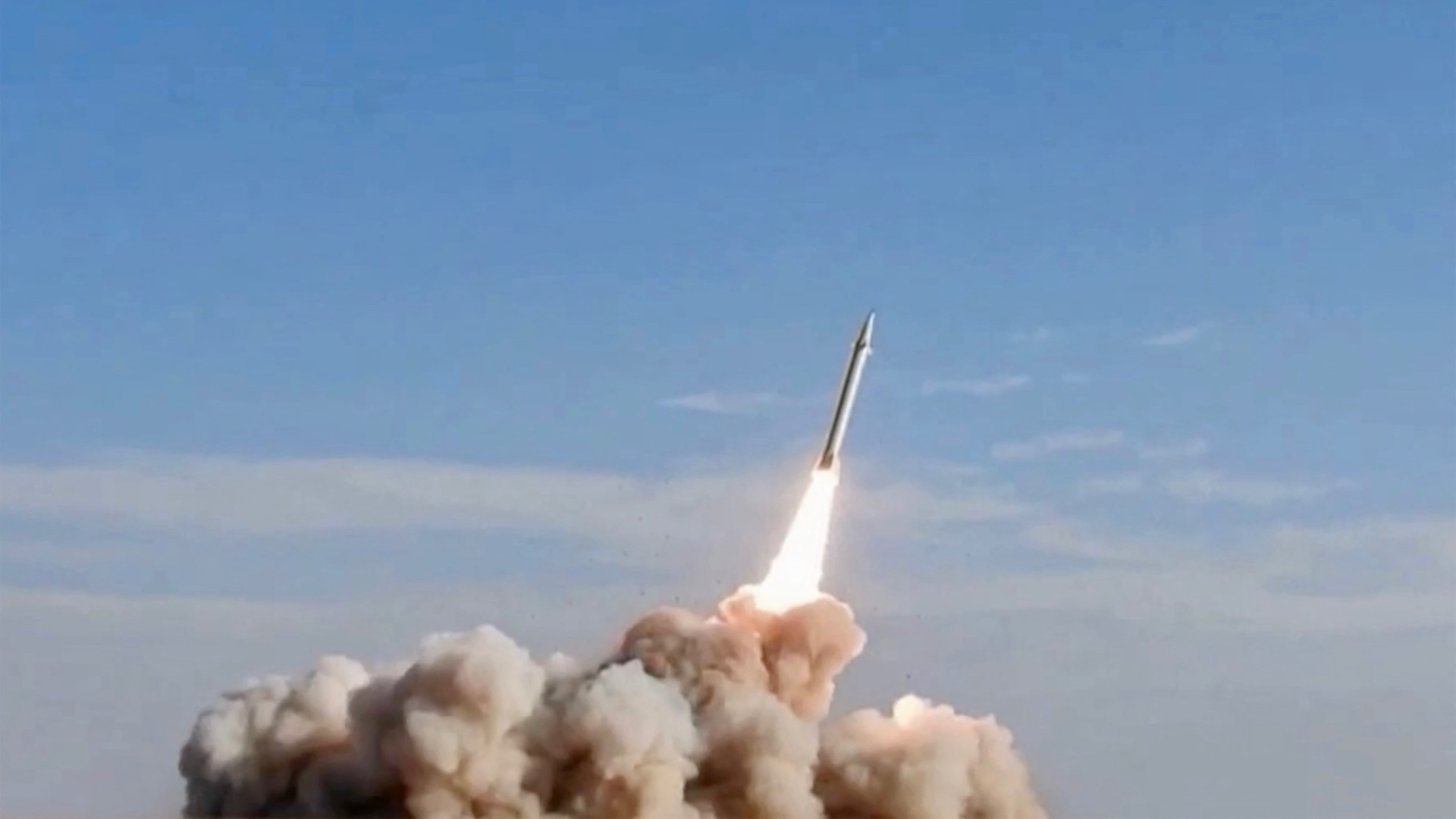
Instead, he launched a different approach: Successive waves of military strikes, followed by pauses designed not to give Iran more time, but to test whether Tehran was prepared to negotiate seriously. If Iran continues to stall and buy time, another wave follows, and then another. Washington can now sustain such a strategy because its military forces remain deployed across the region, maritime sanctions can be reimposed, and the Strait of Hormuz no longer appears to be firmly under Iran’s strategic control.