Here’s a fun thought experiment: imagine buying what you think is a front-row ticket to the biggest concert of the decade, only to discover you actually purchased a share in a company that owns a stake in another company that has a contractual right to maybe, eventually, get you into the venue. That’s roughly what happened to a significant number of SpaceX pre-IPO investors.
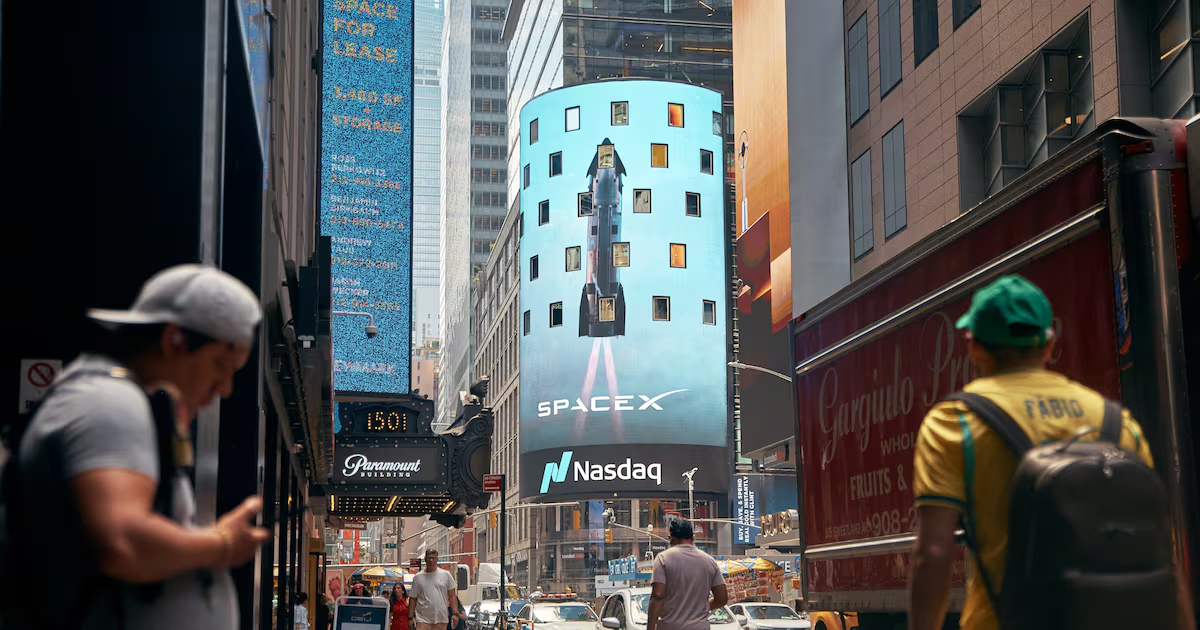
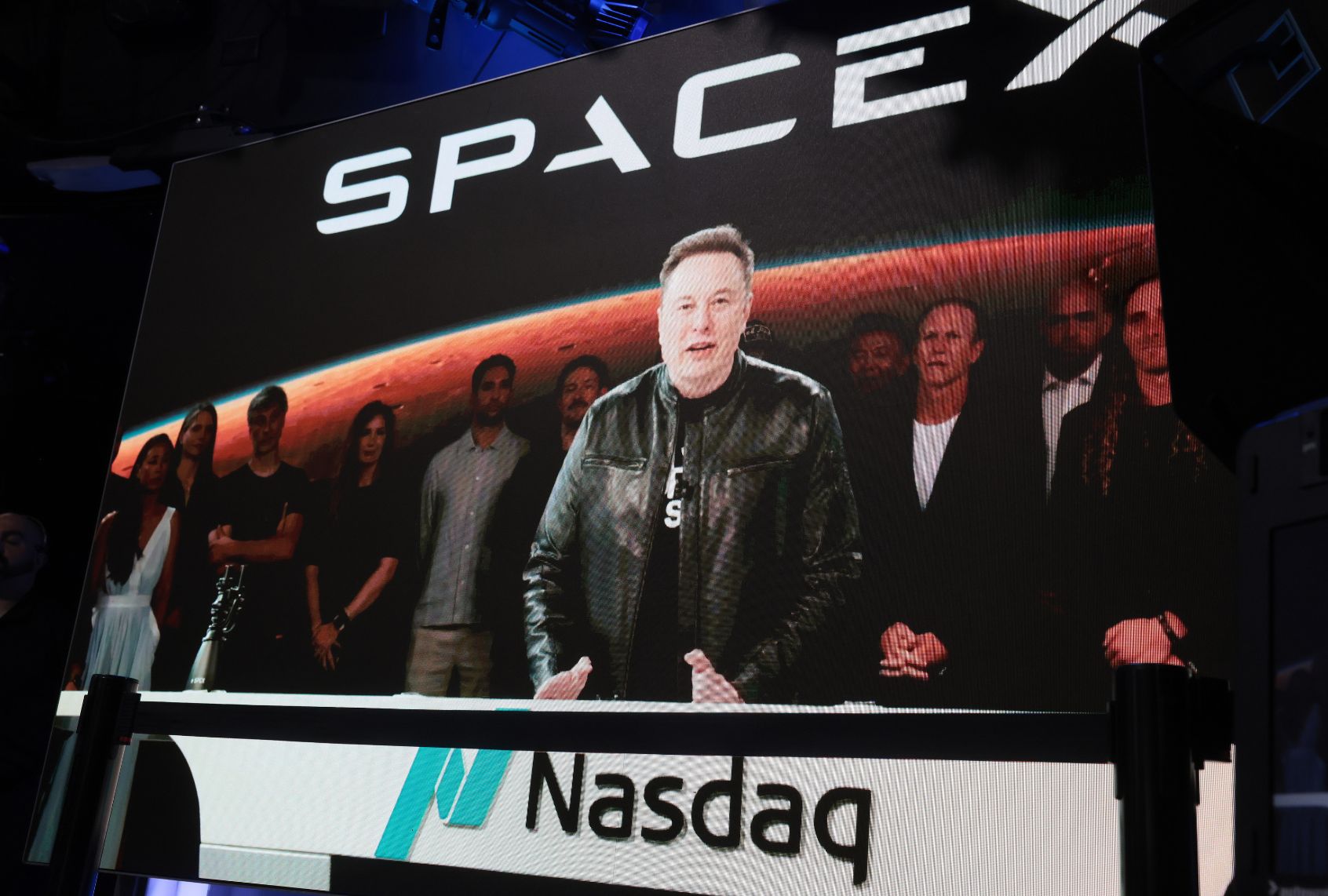
As SpaceX went public on June 12, 2026, under the ticker SPCX, a wave of retail investors discovered that their “SpaceX shares” were actually positions in complex special purpose vehicles, multi-layered financial structures that sit between the investor and the actual equity.
The SPV problem, explained
In the years leading up to SpaceX’s IPO, secondary market platforms became flooded with SPV offerings that promised exposure to one of the most anticipated public listings in history. As a dozen SPV managers cautioned around June 2026, lower-level investors in these layered structures might receive fewer shares than expected due to the sheer complexity of the ownership chains. Fees stack up at every layer. Administrative costs compound.
One investor reportedly flagged over $500 million in transactions where anticipated discrepancies in post-IPO exposure were expected.