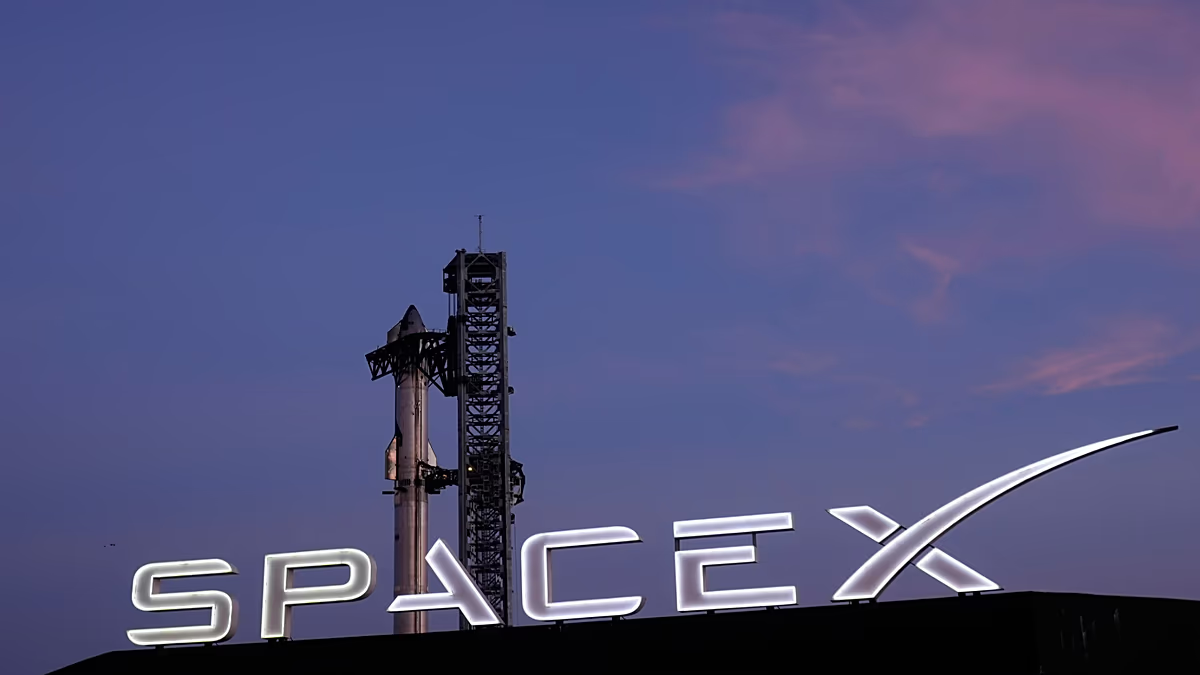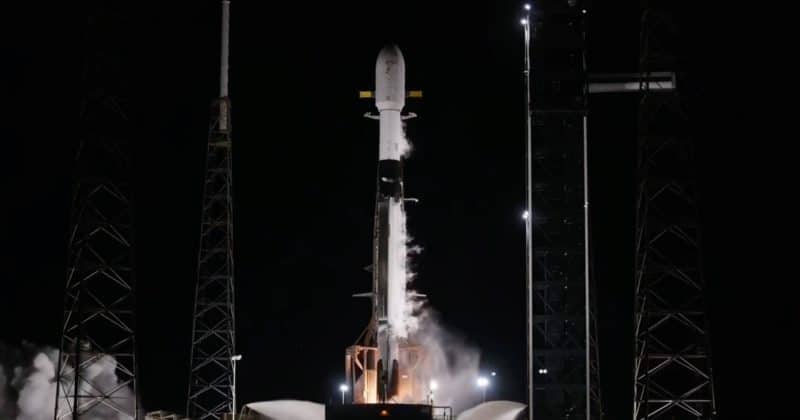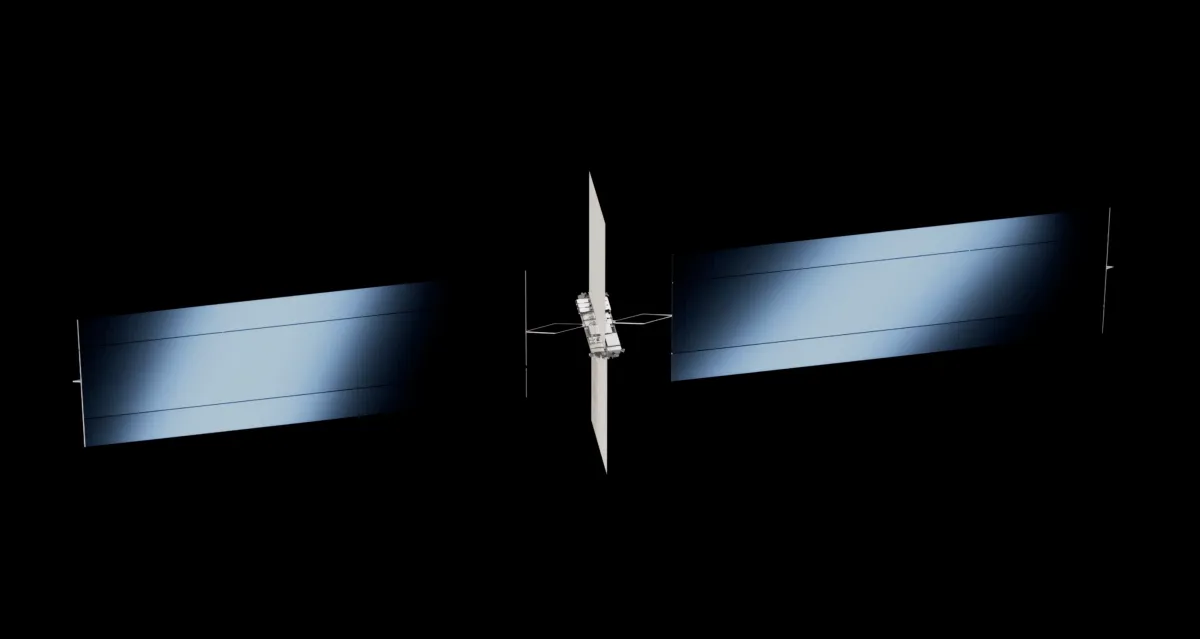
A day ahead of the spectacle of SpaceX’s IPO, the much-anticipated trillion-plus valuation of the company—a Frankensteined creature of Elon Musk’s dreams and realities—is emerging as an investor Rorschach test. Some will see cosmic potential, while others will see science-fiction red flags.
But for one group of investors—those who purchased SpaceX stock on the overheated and shadowy market for “secondary” shares, the company’s listing day will initiate a nerve-wracking moment of truth. For those anxious investors, here’s what will happen: SpaceX will go public, the lockup period will end, and they’ll find out whether they hit the jackpot, were taken in by a scam, or something in between.
The line between the public and private equities has been blurring over the last 20 years, and nowhere has this been more true than in the secondaries market—the parallel and sometimes-fraud-riddled financial market where investors buy, sell, and effectively gamble for shares of the world’s sexiest private companies.
Given the mammoth size of the U.S. venture secondaries market—an elephant-sized black box that, in 2025, was estimated at somewhere between $62.5 billion and $120.9 billion—it’s not a question of whether fraud will be uncovered when SpaceX IPOs; it’s a question of how much fraud will be uncovered.