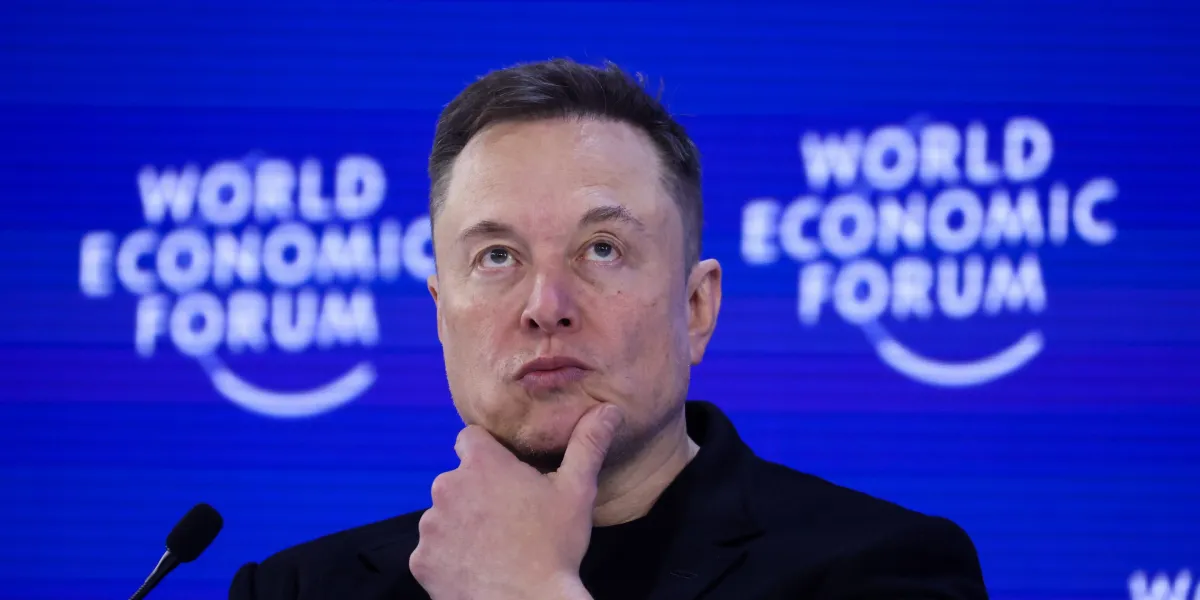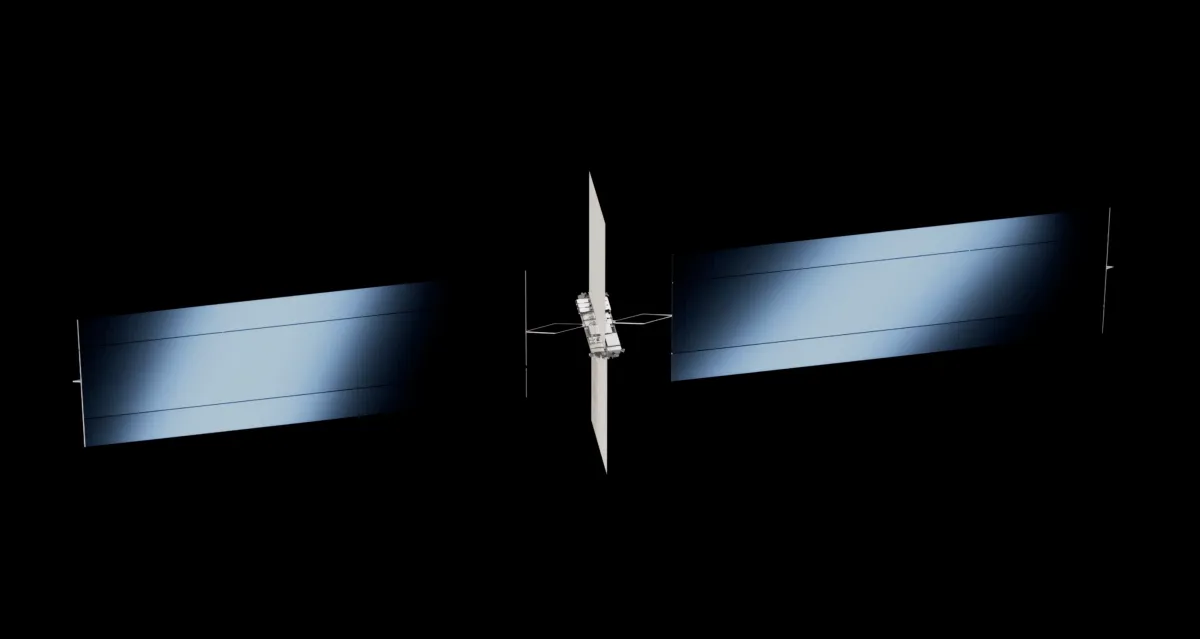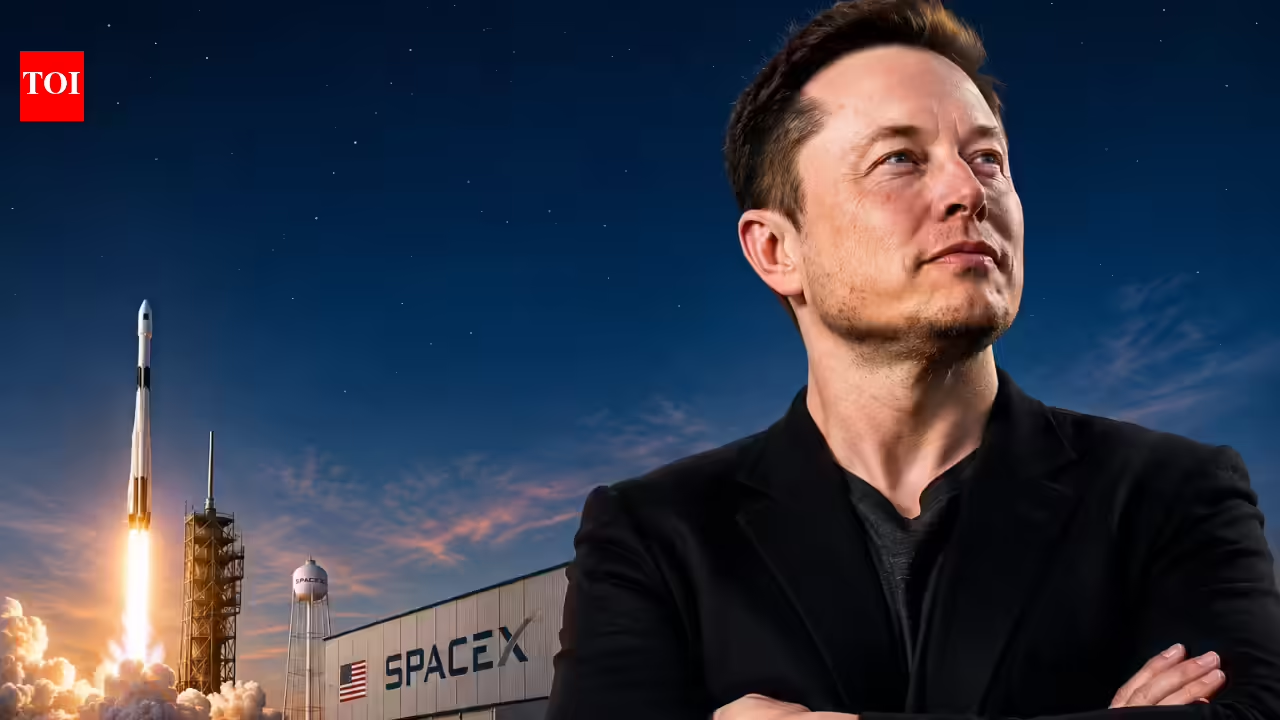
It’s nearly here – the biggest initial public offering (IPO) in history, with Elon Musk’s SpaceX expected to make its market debut on Friday.Regular readers will know this columnist is sceptical about SpaceX’s expected $1.75 trillion (€1.5 trillion) valuation. So is New Constructs’ David Trainer, who describes it as “truly out of this world”, with the IPO looking “like a way to lure unsuspecting investors into paying off” debt, “fund an increasingly costly AI race, and lock in a trillion-dollar pay-day”.Morningstar is more polite about it, but its verdict is similarly sceptical, valuing SpaceX at about $780 billion, or less than half the IPO target. Why? Morningstar is wary on multiple fronts, saying xAI’s Grok is not “one of the leading AI labs today”, and expressing scepticism about SpaceX’s “lofty” goals around orbital data centres.Even Starlink, the satellite broadband arm that anchors much of the company’s commercial promise, faces “significant regulatory and technological uncertainties, many of which are outside management’s control”.Overall, SpaceX looks “significantly overvalued”, and would-be investors should wait for “opportunities to buy the stock at more attractive levels after the IPO”.[ SpaceX’s IPO is a disaster waiting to happen and Irish pension funds will be exposedOpens in new window ]The experience of recent IPOs suggests that may be good advice. Research by Truist finds major technology IPOs have tended to endure severe first-year turbulence, with average drawdowns of about 55 per cent and lacklustre returns even six and 12 months after listing. Who knows, SpaceX may prove the sceptics wrong, but recent IPO history suggests there is no great need to rush into finding out.
SpaceX prepares for lift-off, but investors should pause
Analyst says IPO looks ‘like a way to lure unsuspecting investors into paying off’ debt, ‘fund an increasingly costly AI race and lock in a trillion-dollar pay day’
267 words~1 min read