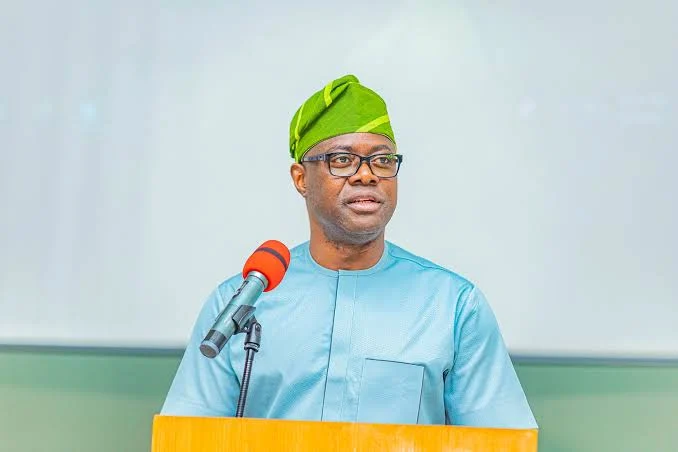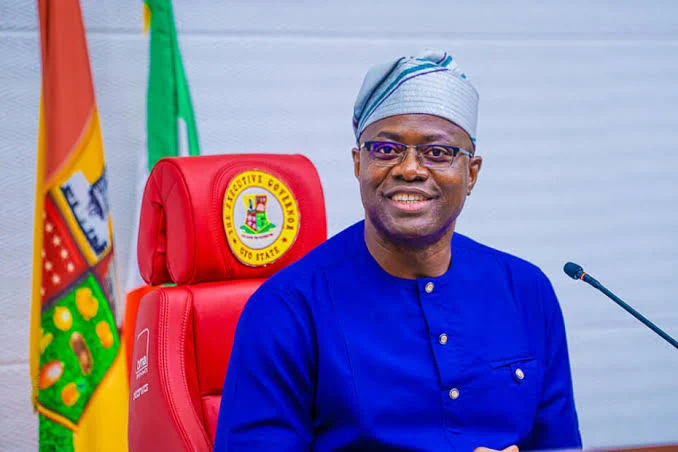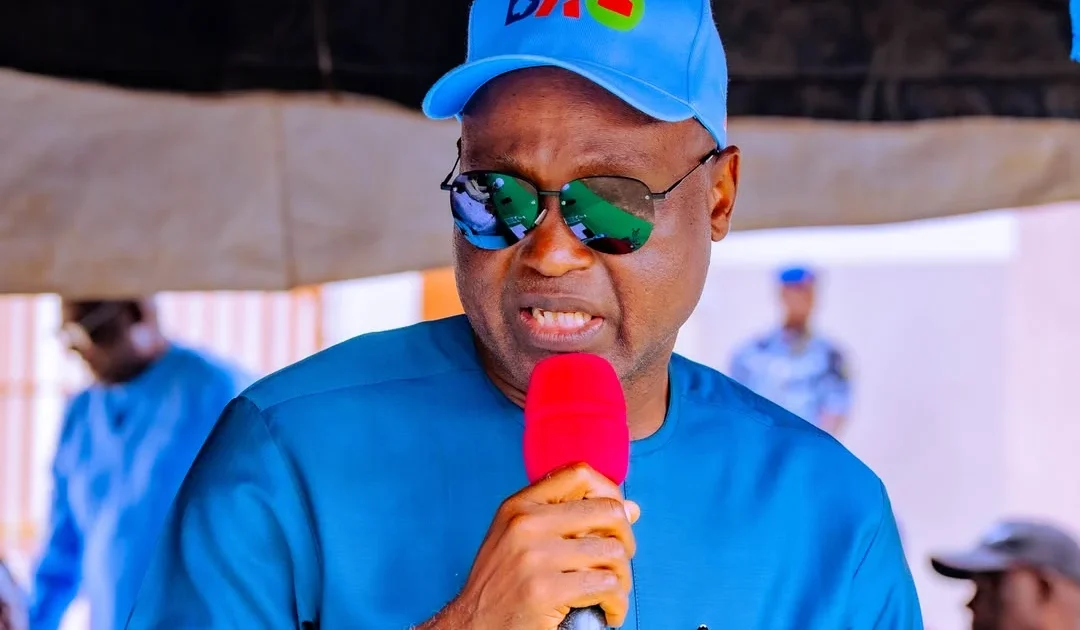
As Governor ‘Seyi Makinde’s two-term tenure in Oyo State, enters its final phase, national and international observers are assessing the true weight of his administration’s legacy. In this exclusive interview, Mr. Olufemi Aduwo, Permanent Representative of the Centre for Convention on Democratic Integrity (CCDI) to the United Nations ECOSOC and Chairman of the World Bank CSO, African Countries Group, delivers a rigorous, data-driven assessment of Oyo State’s seven-year evolution. Rejecting superficial political metrics, Aduwo explores how strategic infrastructure, the AfCFTA-targeted upgrade of the Samuel Ladoke Akintola Airport, and a deliberate shift from subsistence farming to commercial agribusiness have fundamentally repositioned Oyo State, under Makinde’s watch, as an economic powerhouse in Nigeria. Excerpts…
The two-term tenure of the Governor ‘Seyi Makinde-led administration will come to a close in less than 11 months. What is your general assessment of Oyo State in the past seven years, in terms of socio-economic and infrastructural development?
My overall assessment is that Oyo State has undergone one of the most deliberate and structured transformations since the return to democratic rule in 1999. Every administration leaves its imprint, but what distinguishes Governor Seyi Makinde’s tenure is that development has not been approached as a collection of isolated projects. Rather, there has been a conscious effort to build the institutional and physical foundations for long-term economic growth.