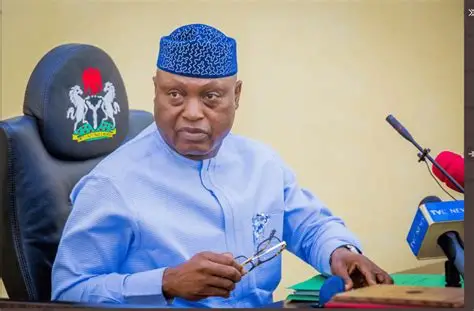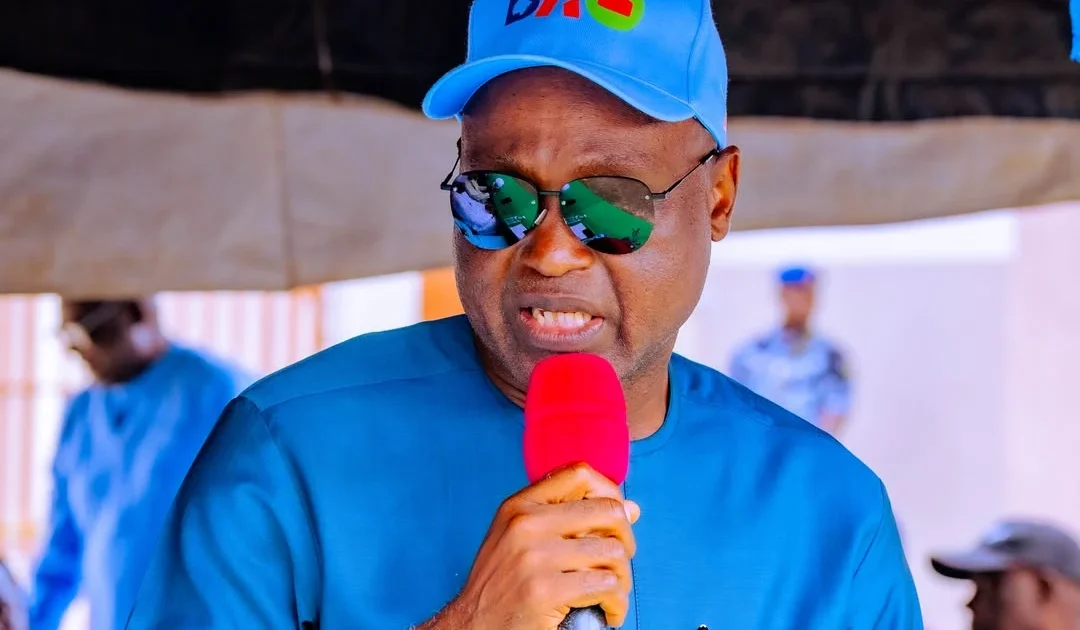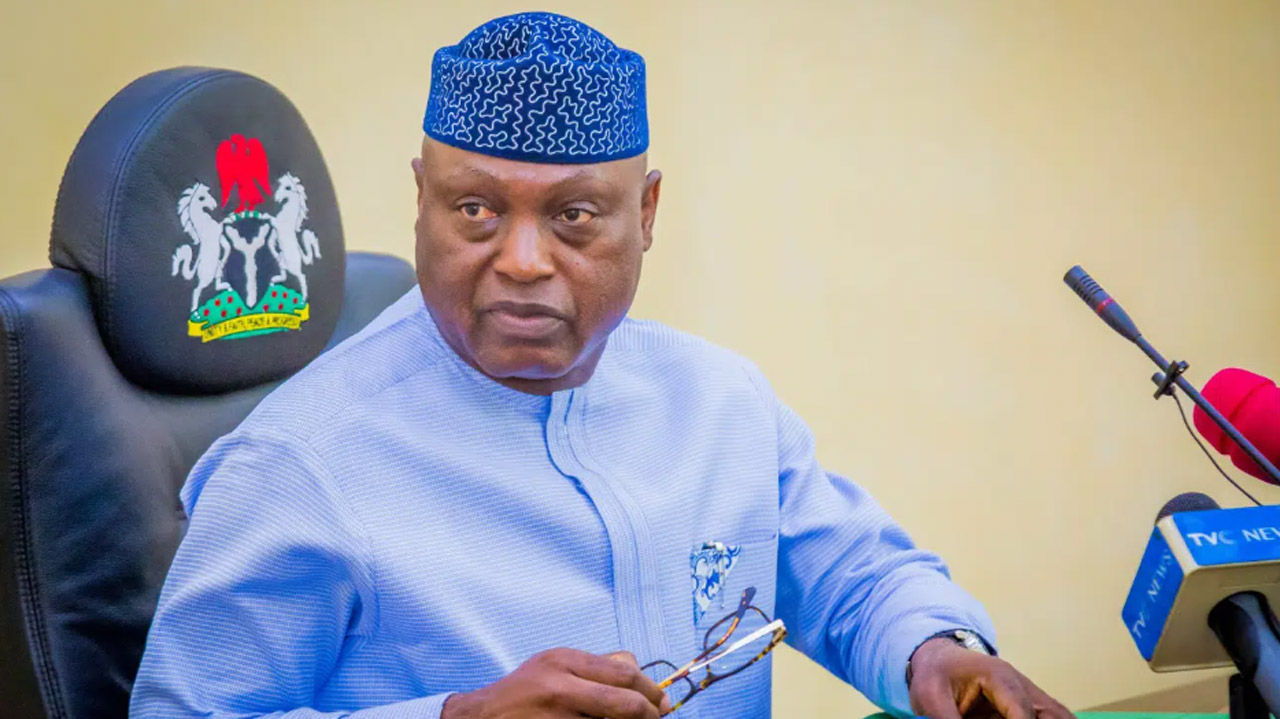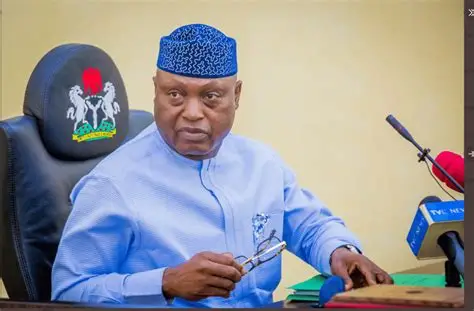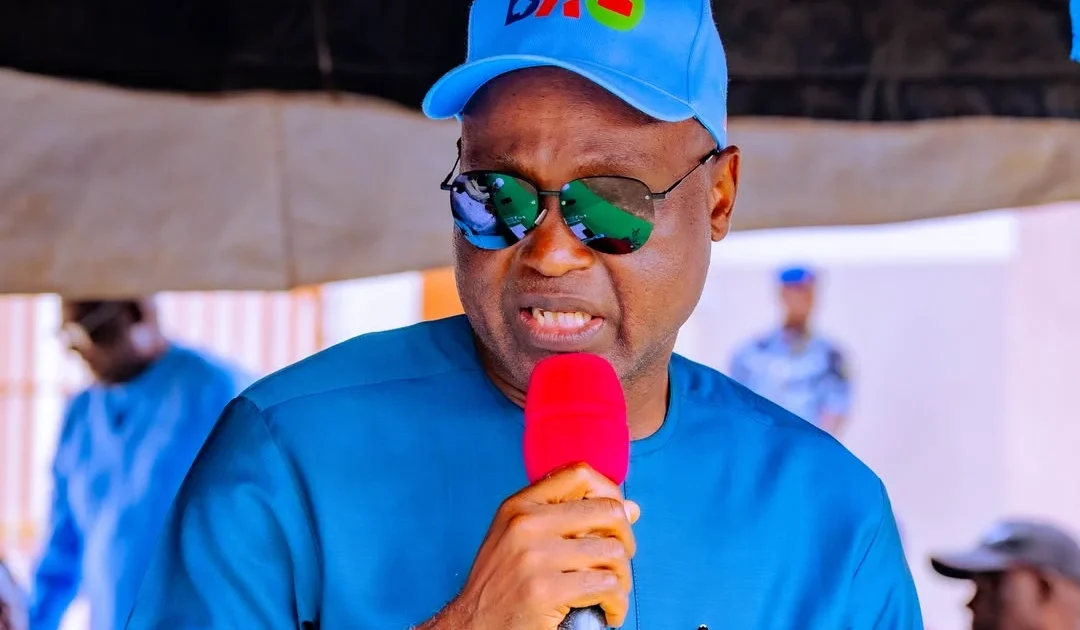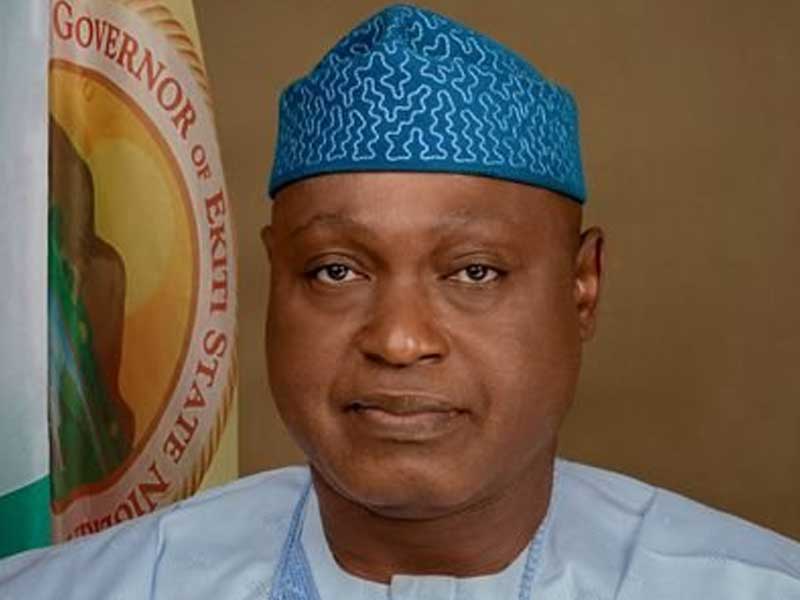
From flyovers and functional airport to hospitals, schools and social inclusion, Governor Biodun Oyebanji’s first term has become a key reference point in Ekiti’s development debate. Raheem Akingbolu reports.
Politics is judged not by promises but by proof. In Ekiti today, the proof is visible and evidence – based: roads that ease movement, hospitals that save lives, schools that nurture learning, and opportunities that empower citizens.
As the June 20, 2026 governorship election approaches, the conversation has shifted from rhetoric to reality. The question echoing across the state is no longer abstract, it is whether the progress already achieved should be consolidated into a second term.
Every election cycle carries a moment when citizens pause to weigh ambition against evidence. For Ekiti, that moment has arrived. Governor Biodun Oyebanji’s first term has become the central reference point in this debate, not because of slogans, but because of projects, policies and programmes that have reshaped daily life and altered the state’s developmental trajectory.
Since assuming office on October 16, 2022, Oyebanji has governed under the banner of Shared Prosperity. This philosophy insists that growth must be balanced with social investment, and that development must be felt not just in statistics but in the lived experiences of ordinary people. Three years on, that philosophy has translated into a broad programme of interventions across infrastructure, healthcare, education, agriculture, energy and inclusion, redefining the contours of Ekiti’s economy and society.