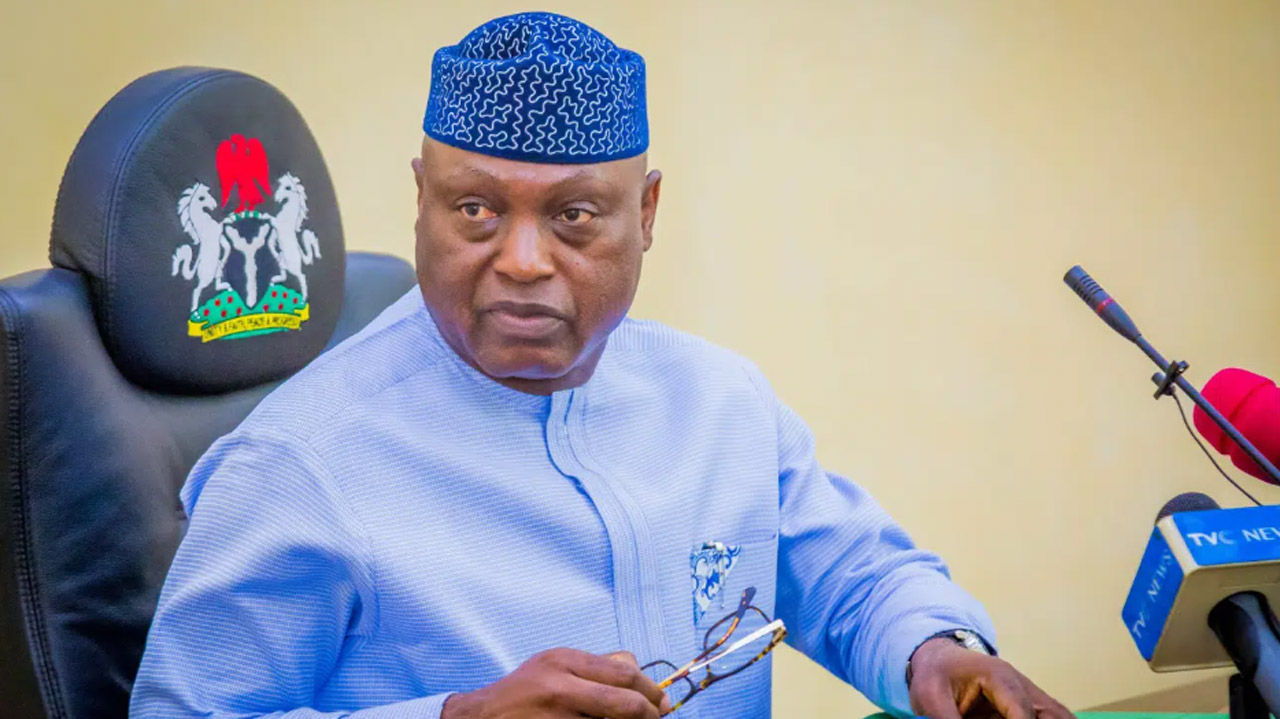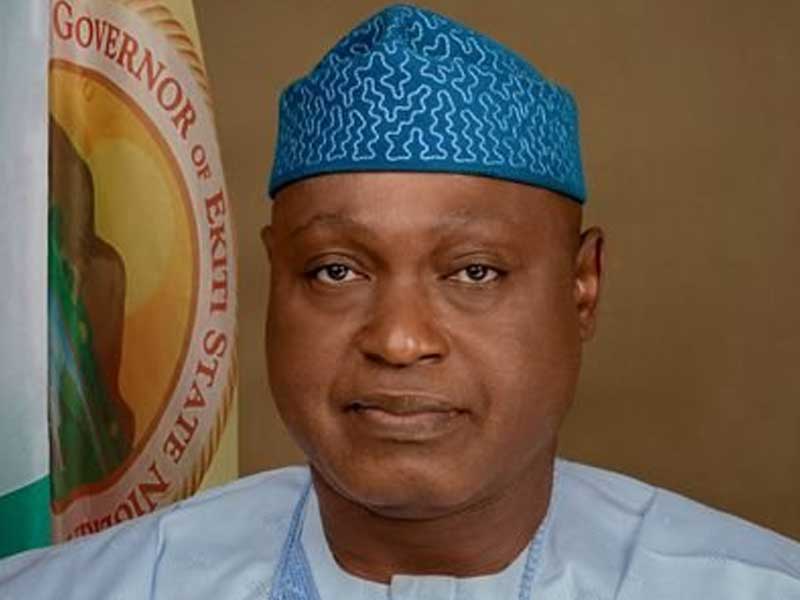
As Governor Abiodun Oyebanji becomes the first Ekiti state governor to secure re-election without interruption since the state’s creation, the outcome raises a bigger question: what exactly did he do differently from his predecessors? Raheem Akingbolu examines the political design, governance choices and elite consensus that shaped a historic victory.
In politics, patterns often harden into prophecy until someone quietly breaks them.
For nearly three decades since its creation, Ekiti State’s governorship had followed an almost ritualistic cycle of disruption. Governors emerged, governed for a single term, and exited either through electoral defeat, political realignment, or judicial intervention. The state became, in political folklore, a place where incumbency offered little protection and continuity was the exception rather than the rule.
That assumption, long held by analysts and actors alike, was finally tested and overturned last Saturday.
Governor Abiodun Abayomi Oyebanji not only secured re-election under the All Progressives Congress (APC), he did so with a level of political consolidation that has now repositioned him as the first elected governor in Ekiti’s history to win a second consecutive term without interruption.