AI + ML
The RAMpocalypse may be the precursor to the AIpocalypse
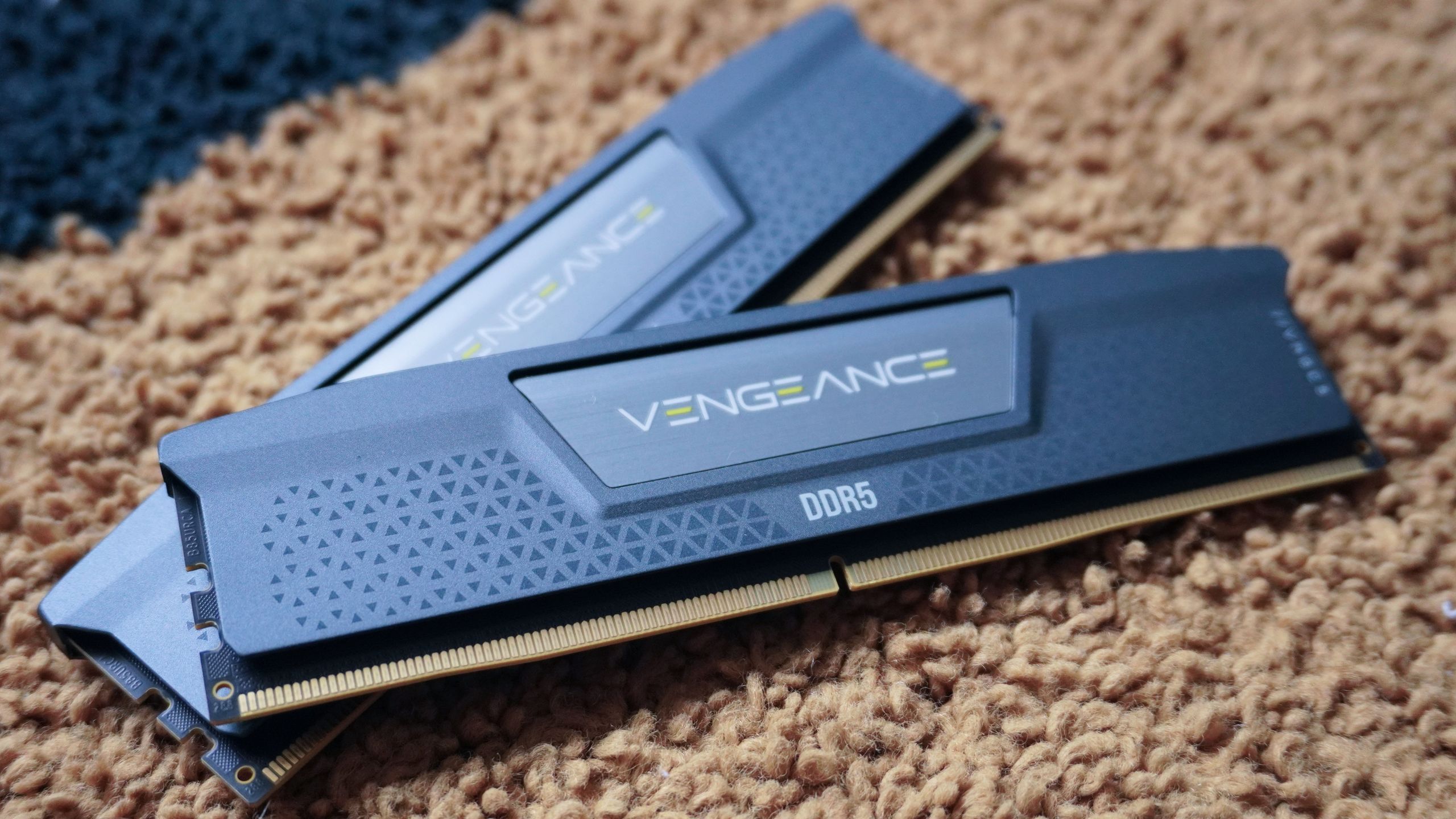
It’s a good time to be in the memory business. As the AI datacenter business booms, SK Hynix and Micron’s revenues have tripled in the last year, and Samsung’s has roughly doubled.But while the trio have the AI revolution to thank for their good fortune, the deck is stacked for a reversal. Such is the memory business historically.Today, sky high demand for high-bandwidth memory (HBM), DDR5, and NAND flash memory needed for GPU servers has devoured any remaining capacity, leading to shortages that have driven up prices on everything from consumer electronics to AI infrastructure. You can't even buy a budget smartphone these days.
The big three memory vendors are now in the process of investing hundreds of billions of dollars to bring new fab capacity online.
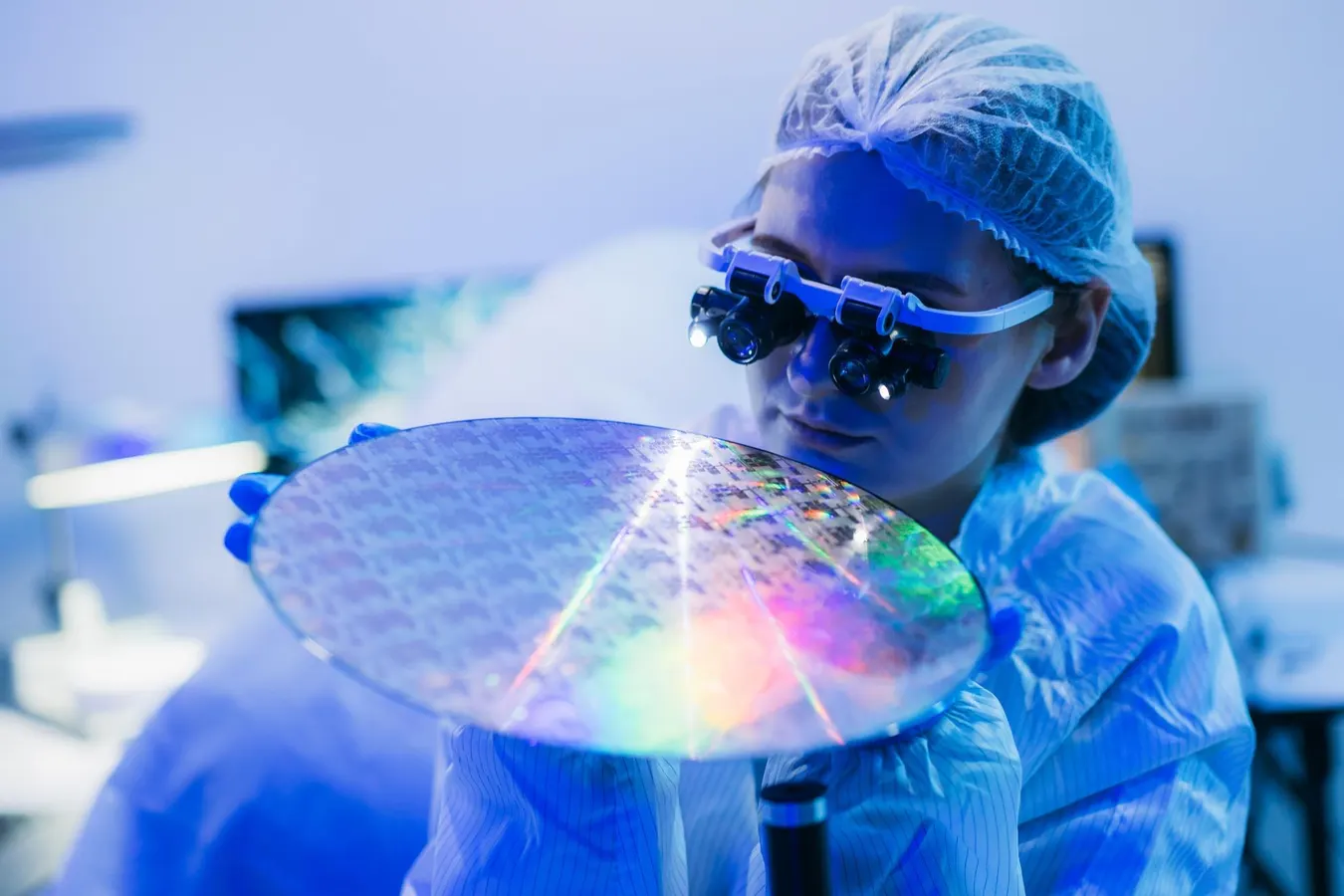
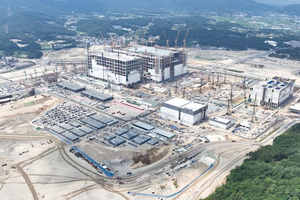
In June, South Korean President Lee Jae Myung announced a $576 billion investment led by SK Hynix and Samsung to bolster chip production and shore up AI supply chains.On Thursday, Micron said that it would invest up to $3 billion to strengthen the US semiconductor supply chain, and according to recent reports, the Idaho-based chipmaker is also working to boost production across its Singapore, Taiwan, and Japan sites.Unfortunately, it's a slow process.Semiconductor manufacturing is among the most complex and resource-intensive industries in the world, and building a new DRAM or NAND flash wafer fab is not a trivial endeavor. Before the first chip can roll off the production line, financing must be secured, a location must been selected, permits must be won, and tens of millions of dollars of support facilities ranging from power conditioning and air handling to the ultra-pure water filtration systems must be deployed.Even after the clean rooms are completed, hundreds of millions of dollars of specialized lithography, wafer transport, and test equipment must be installed and validated. And once everything is ready to be powered on, it can take months to dial everything in and bring yields to acceptable levels. This process often takes years even without delays.So while there are a handful of new memory fabs already under way, anything SK, Samsung, or Micron starts today will take at least three years to bring online, and even longer to ramp production.That means memory prices are going to stay high for the foreseeable future. A recent IDC report warns that we may not see relief from the RAMpocalypse until at least 2028.