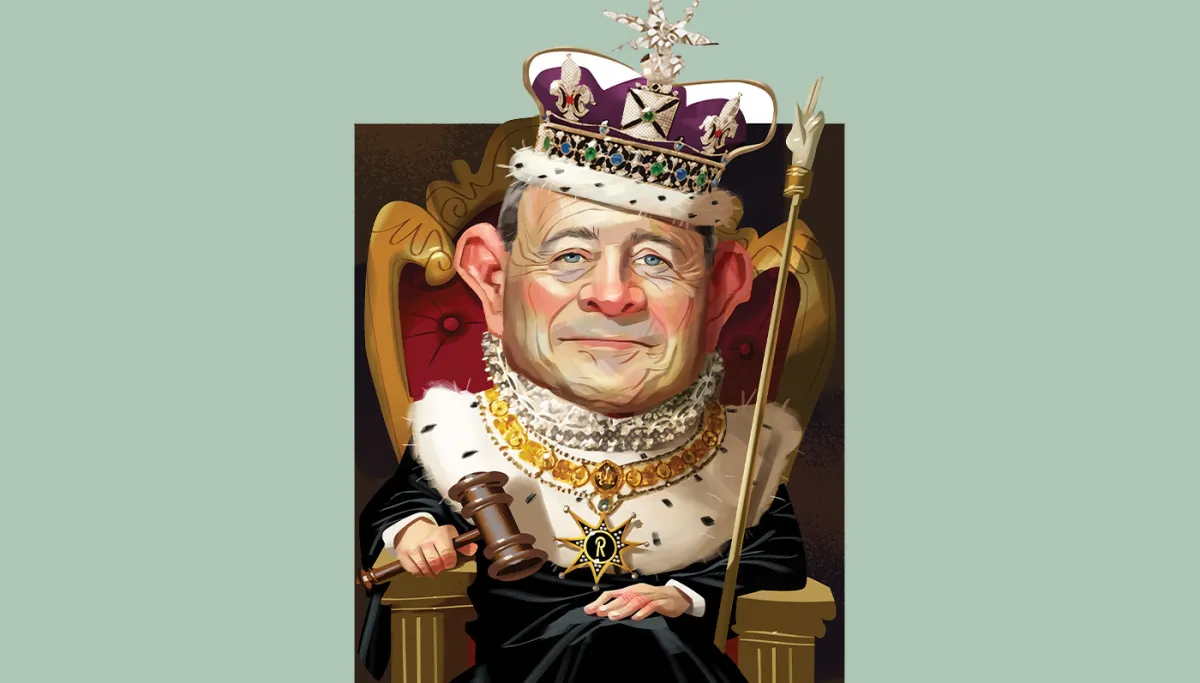
The recently concluded Supreme Court term was a blockbuster and, on balance, a victory for conservatives. While the Trump administration lost its birthright citizenship case, the Right scored victories on transgender athletes, gun rights, and campaign finance. Yet a pair of cases illustrates the massive power of the contemporary court, and calls into question its competency to wield such authority, especially in a republic where the people are supposed to rule.In Trump v. Slaughter, the court ruled that the president has the power to remove a Federal Trade Commission commissioner. In Trump v. Cook, the court limited the power of the president to remove a member of the Federal Reserve. If that seems like a tension, several justices pointed it out in dissents, and only two justices — Chief Justice John Roberts and Justice Brett Kavanaugh — ruled with the majority in both cases. Roberts, writing for the majority both times, tried to reconcile these seemingly contradictory positions but ultimately demonstrated the reality that his court is fundamentally unbound, free to act as an unelected policymaker.Trump v. Slaughter was a sweeping ruling. The court held that the president could fire a commissioner of the FTC, who was protected under the authorizing statute. In doing so, it overturned not only Humphrey’s Executor (1935), the original case that limited him, but also revised in substance the Federal Trade Commission Act of 1914. Roberts, writing for the conservative majority, cited historical precedent dating to 1789 to vindicate the theory of the unitary executive. James Madison, then a member of Congress, offered a compelling argument on the question of whether the president might fire the secretary of foreign affairs (now state): If the Constitution requires the president to take care that the laws be faithfully executed, he must have the authority to remove senior officials. That the political independence of the FTC is a century-old precedent is not relevant to Roberts because, as he writes, “No branch may rely on adverse possession to claim power that the Constitution vests elsewhere.”
Supreme Court justices aren't policymakers
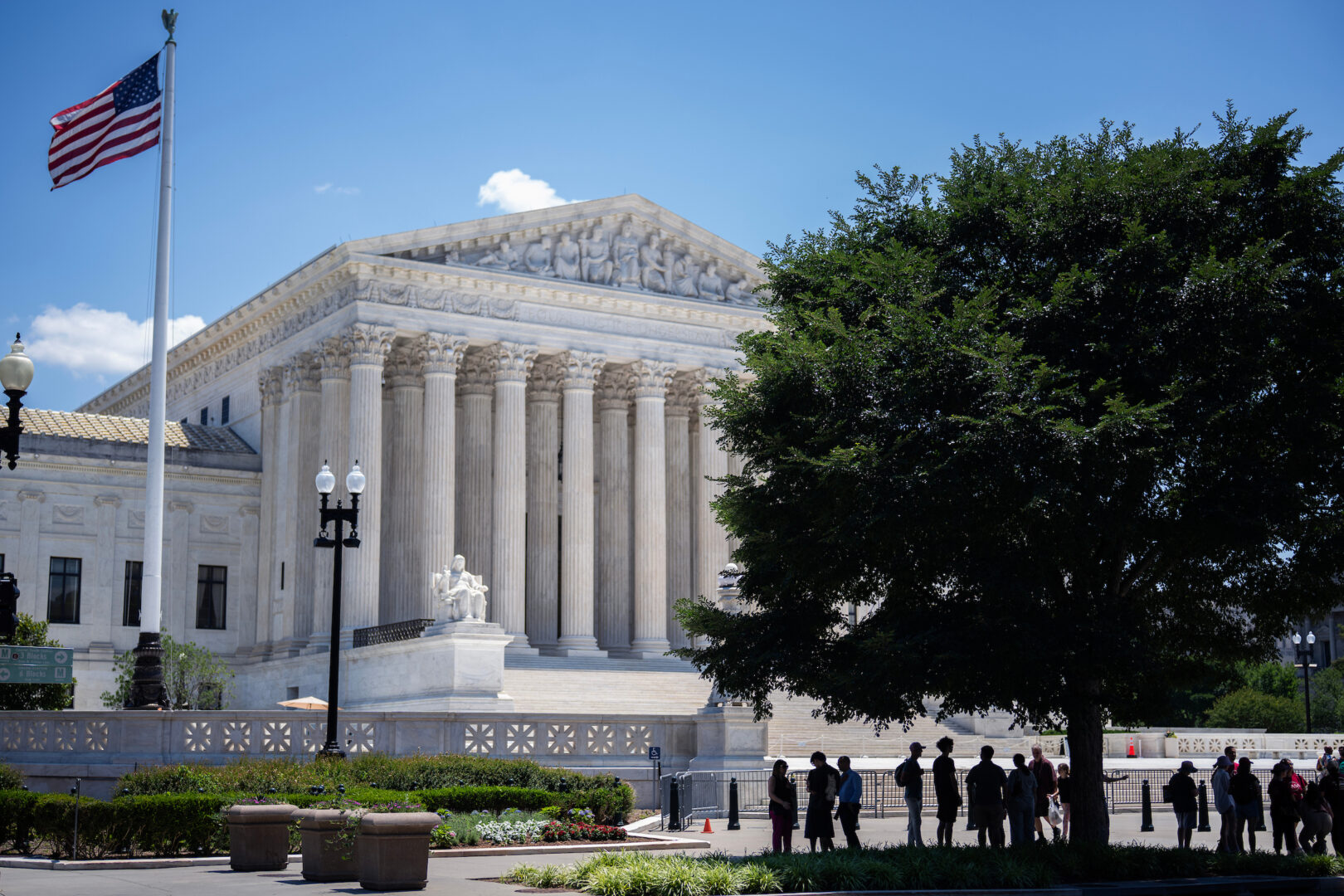
The Supreme Court held that the president could fire a commissioner of the Federal Trade Commission, who was protected under the authorizing statute.
1,539 words~7 min read