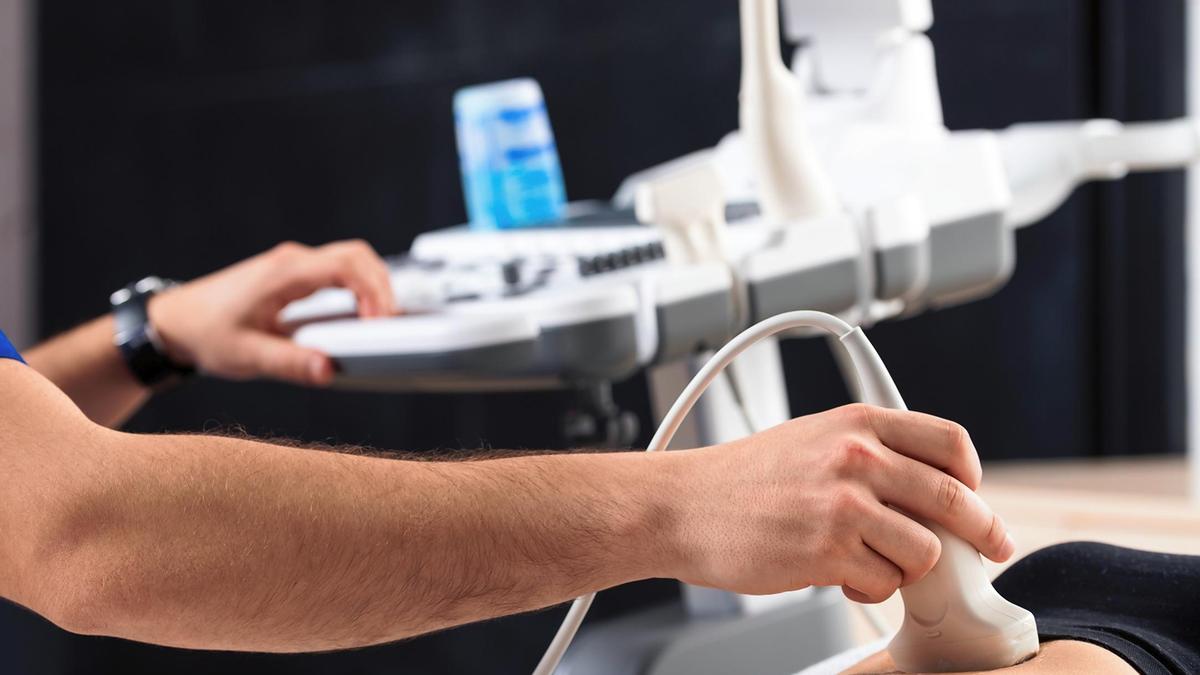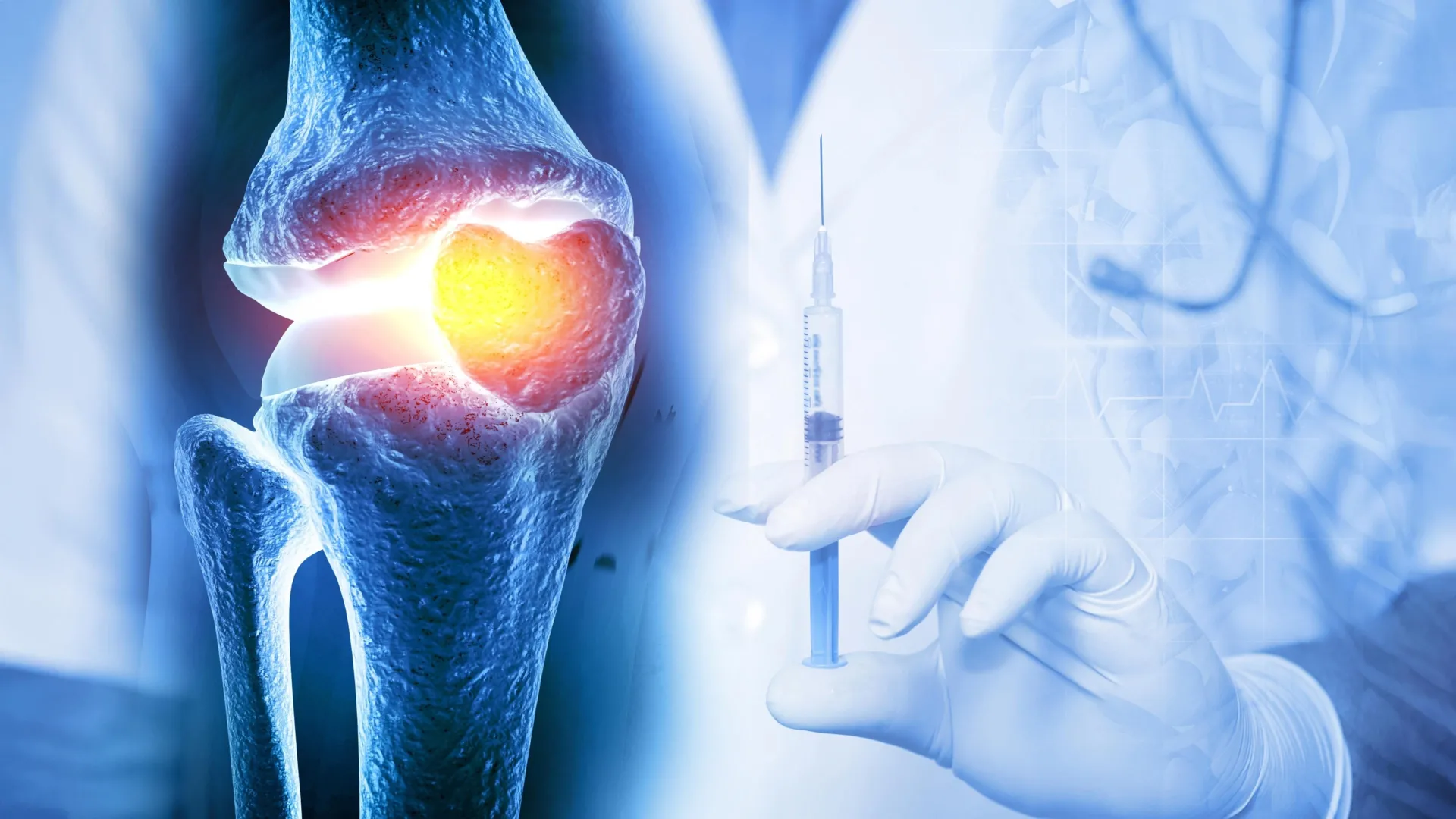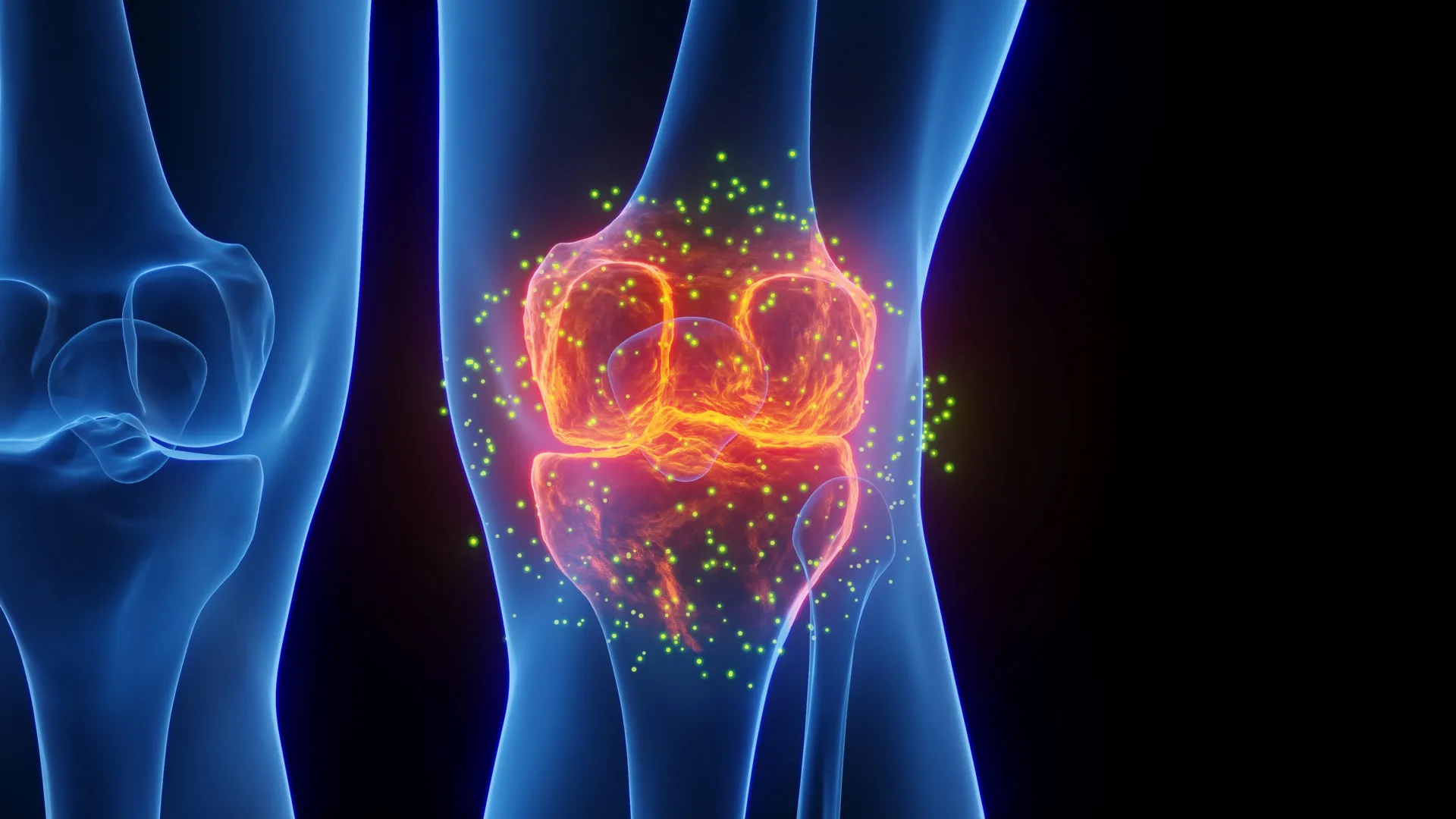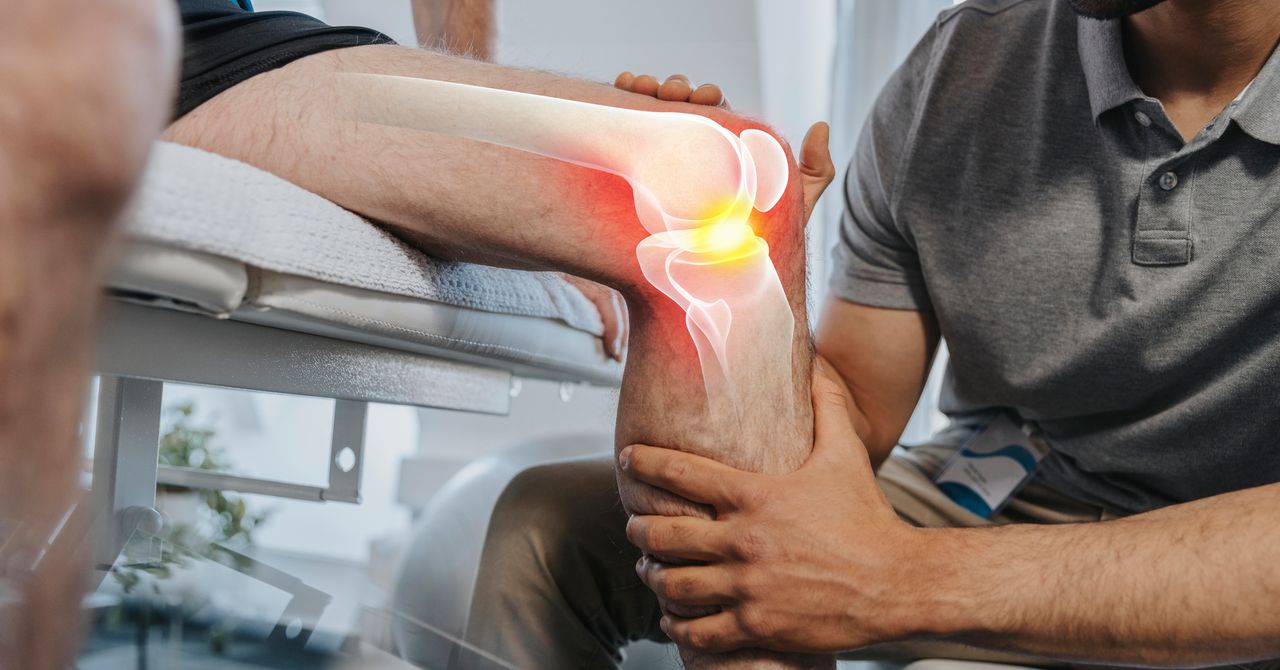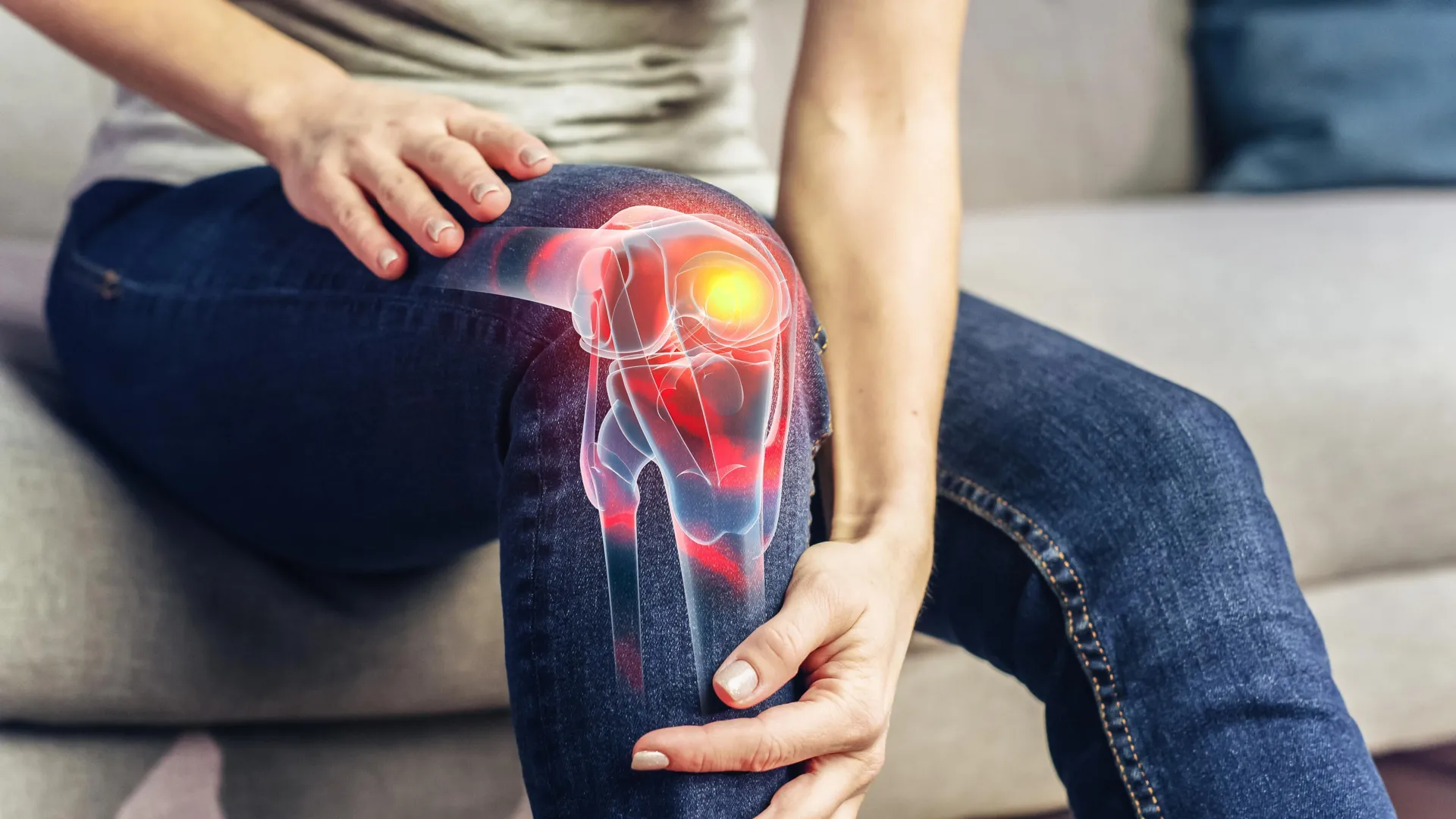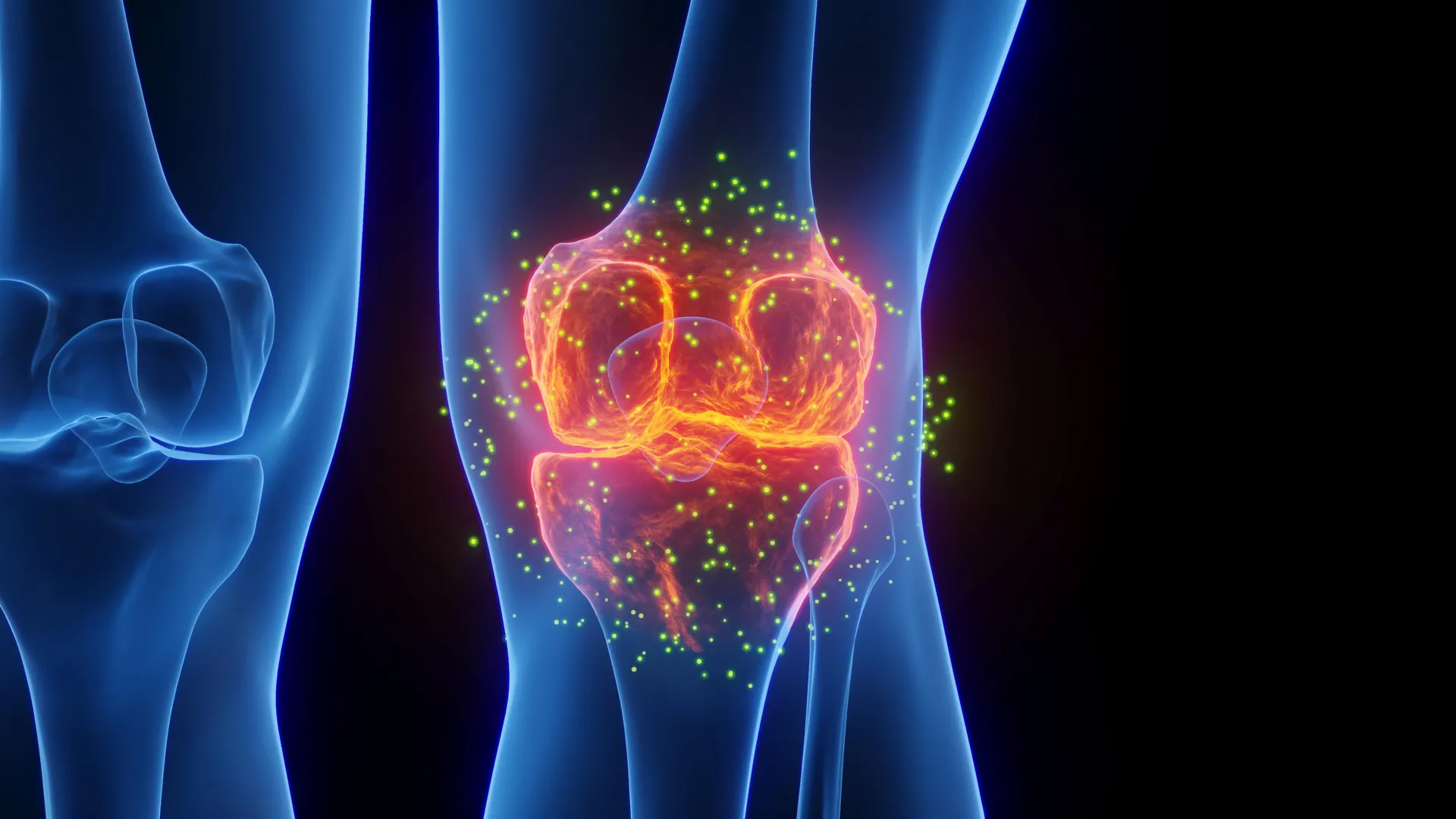
Researchers at The University of Alabama in Huntsville (UAH), part of The University of Alabama System, have identified a promising new use for continuous low-intensity ultrasound that could one day help treat joint injuries and reduce the risk of post-traumatic osteoarthritis. Their findings suggest the non-invasive approach may shift the body's immune response away from long-lasting inflammation and toward tissue repair, offering a potential drug-free strategy for improving healing.
The study, published in the Nature journal Scientific Reports, was led by Dr. Anuradha Subramanian, professor of chemical and materials engineering. It combined biological research conducted by Dr. Shahid Khan during his doctoral studies with computational and statistical analysis developed by Dr. Satyaki Roy, professor of mathematical sciences, along with contributions from graduate student Owen Trippany. The research was funded by the National Institutes of Health through an R01 grant awarded to Subramanian.
How Ultrasound Influences Immune Cells
The team focused on macrophages, specialized immune cells that play a key role in both inflammation and tissue repair, to understand how they respond to continuous low-intensity ultrasound.