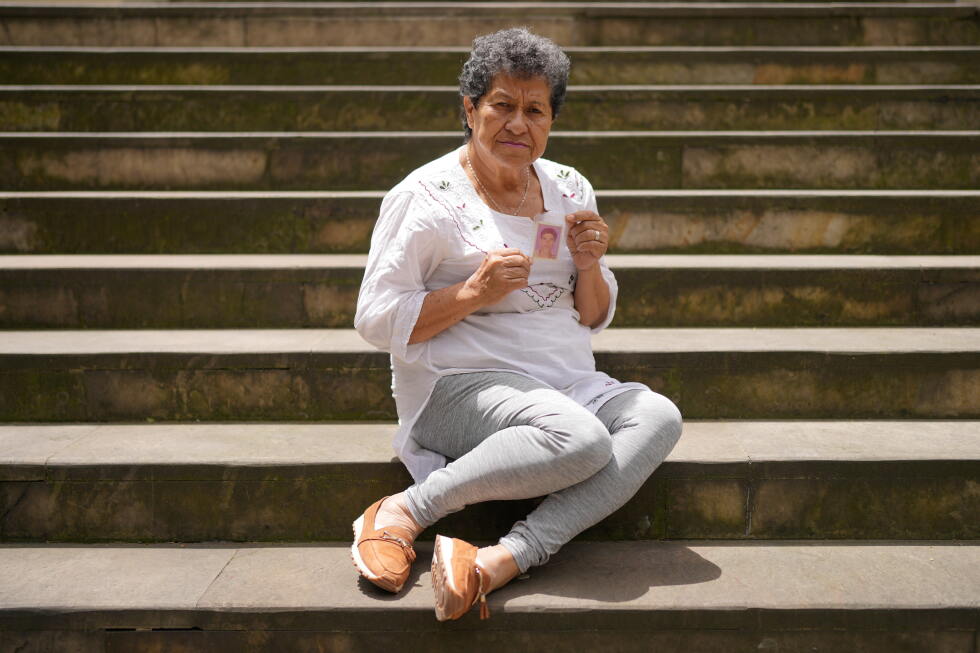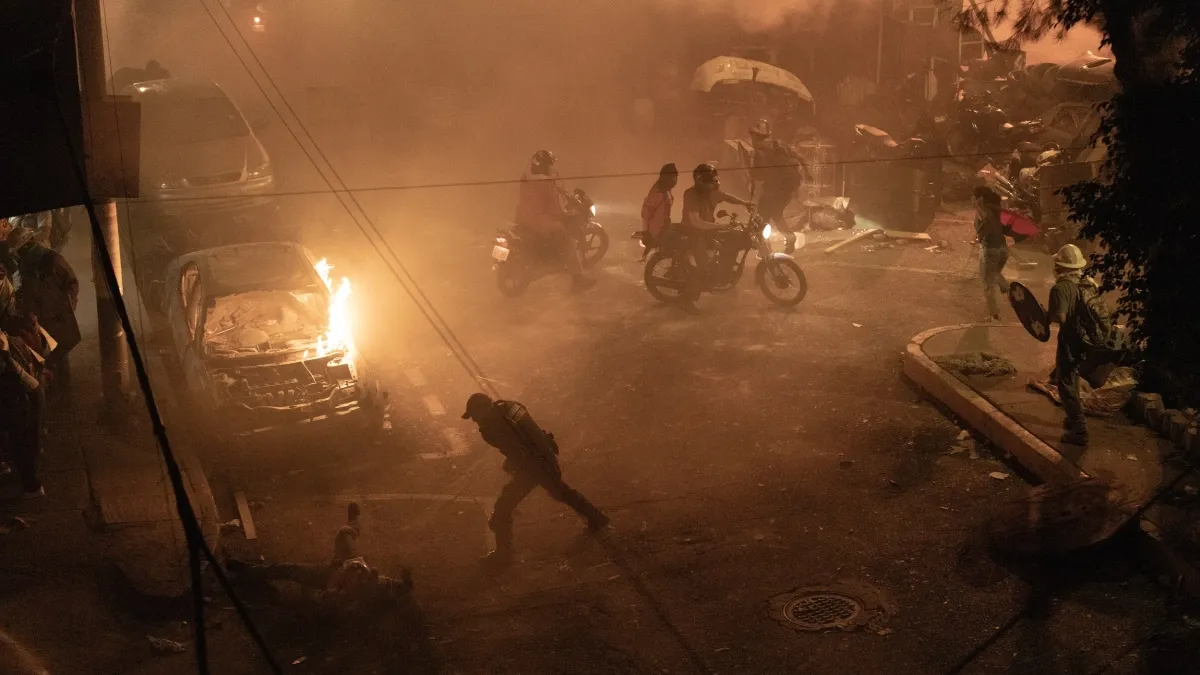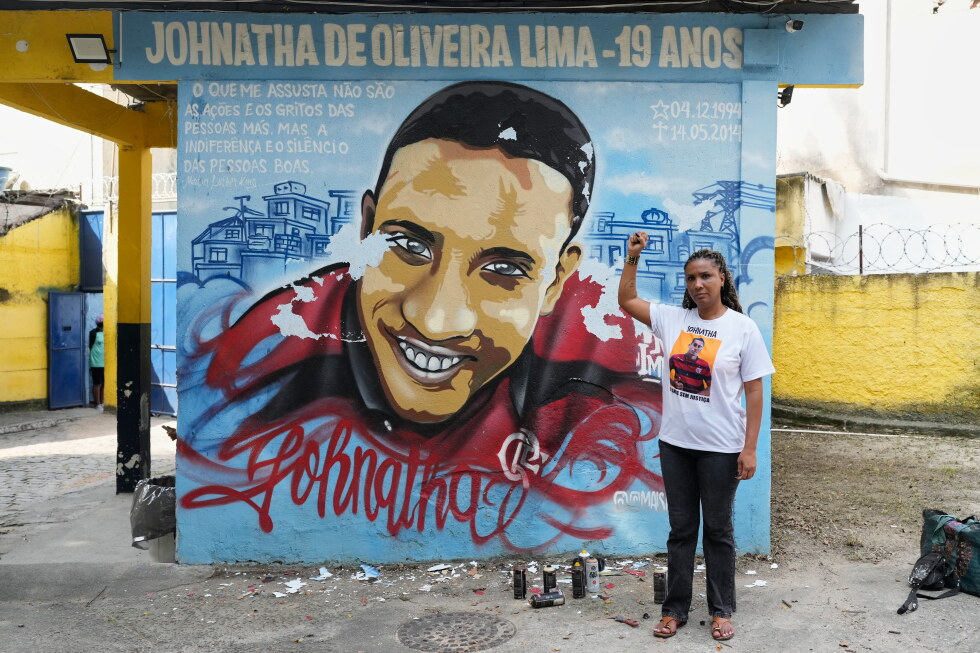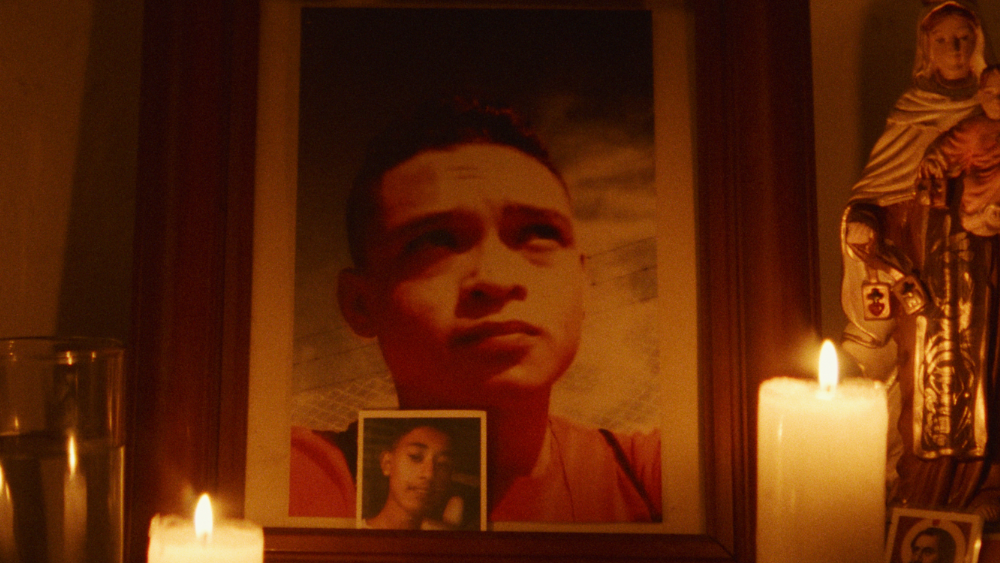
Thousands of people in Colombia have been “forcibly disappeared”, as the euphemistic expression goes, since conflicts began in the mid-1960s between the Colombian government and various paramilitary and guerilla groups. This reality is well-known, and has been so for a while — an awareness that, over such a long period of time, may dim the horror of the facts for some. But for the mothers of the missing, as portrayed in “Five Years, Four Months,” the pain never stops, it transforms. The years do not heal, they only dig deeper that dizzying gulf between the grieving, still looking for answers, and those lucky others for whom the present isn’t a constant reminder of what has been lost.
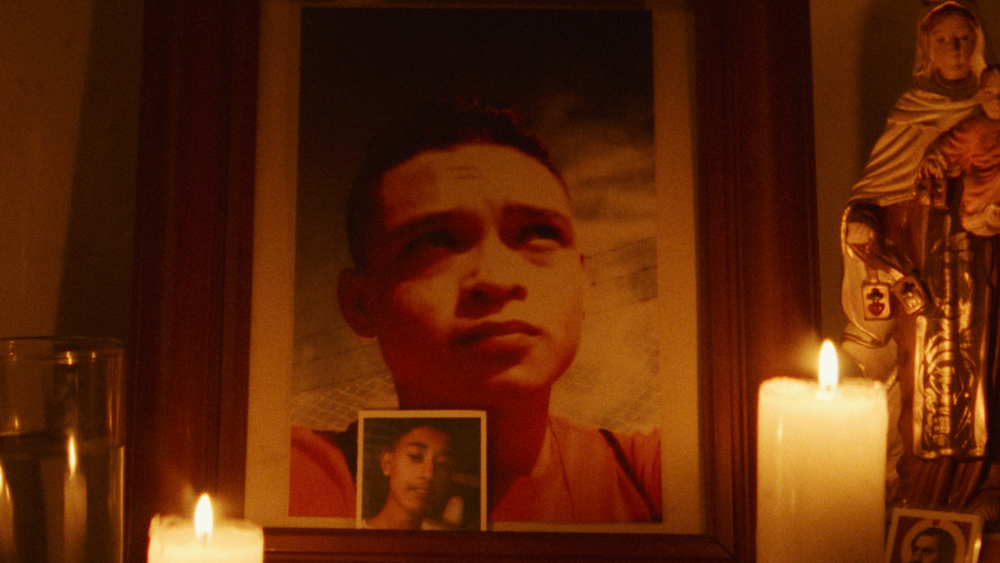
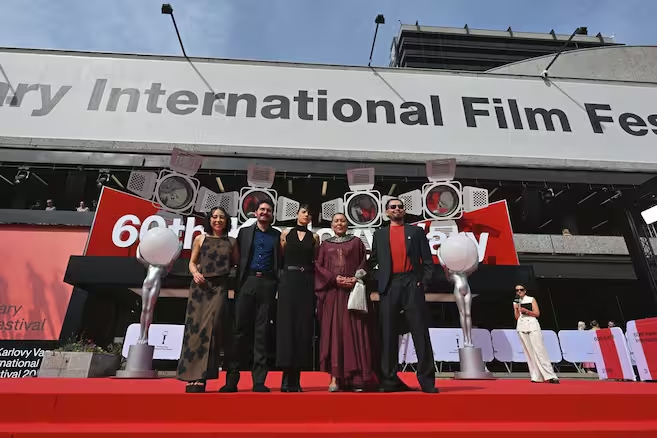
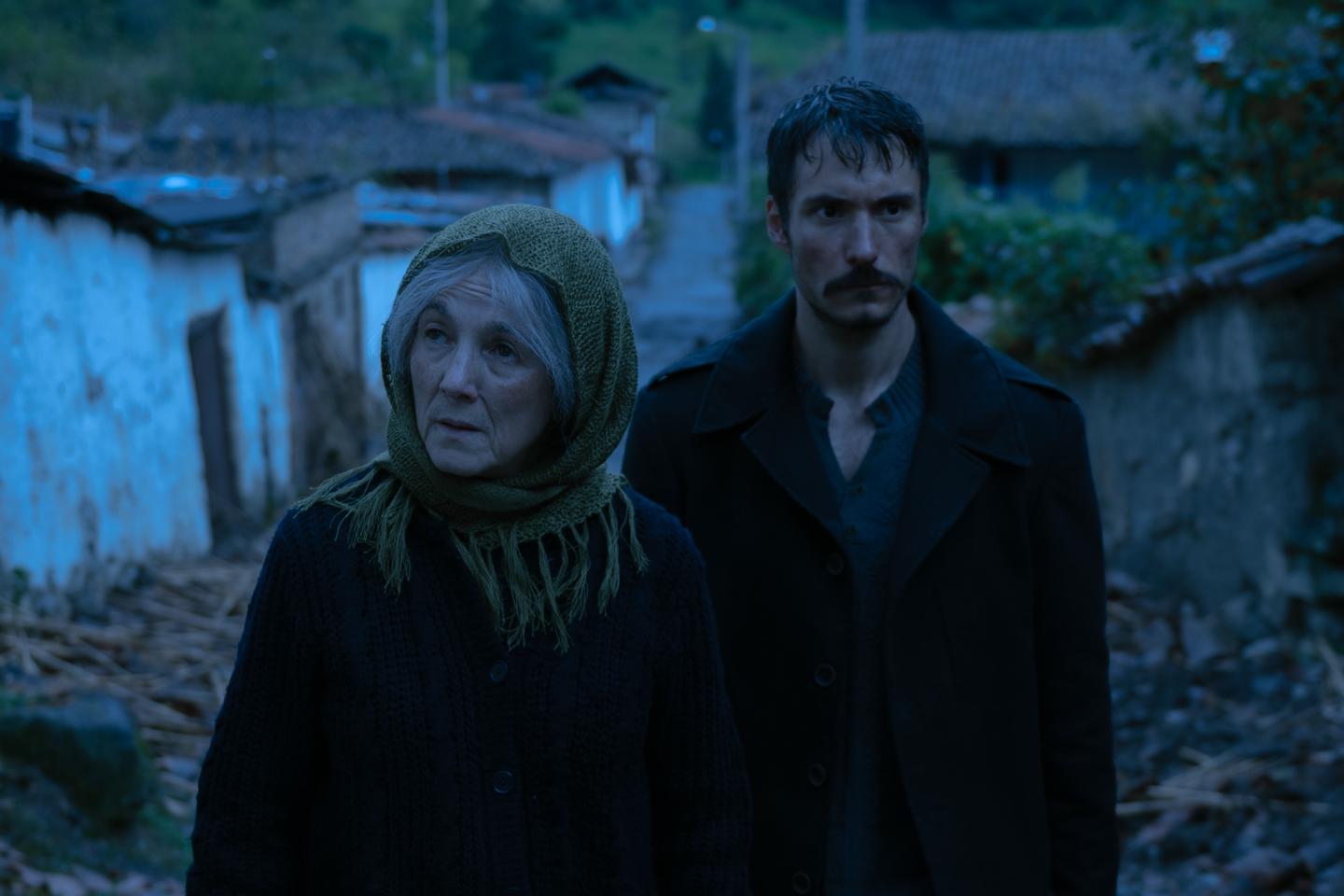
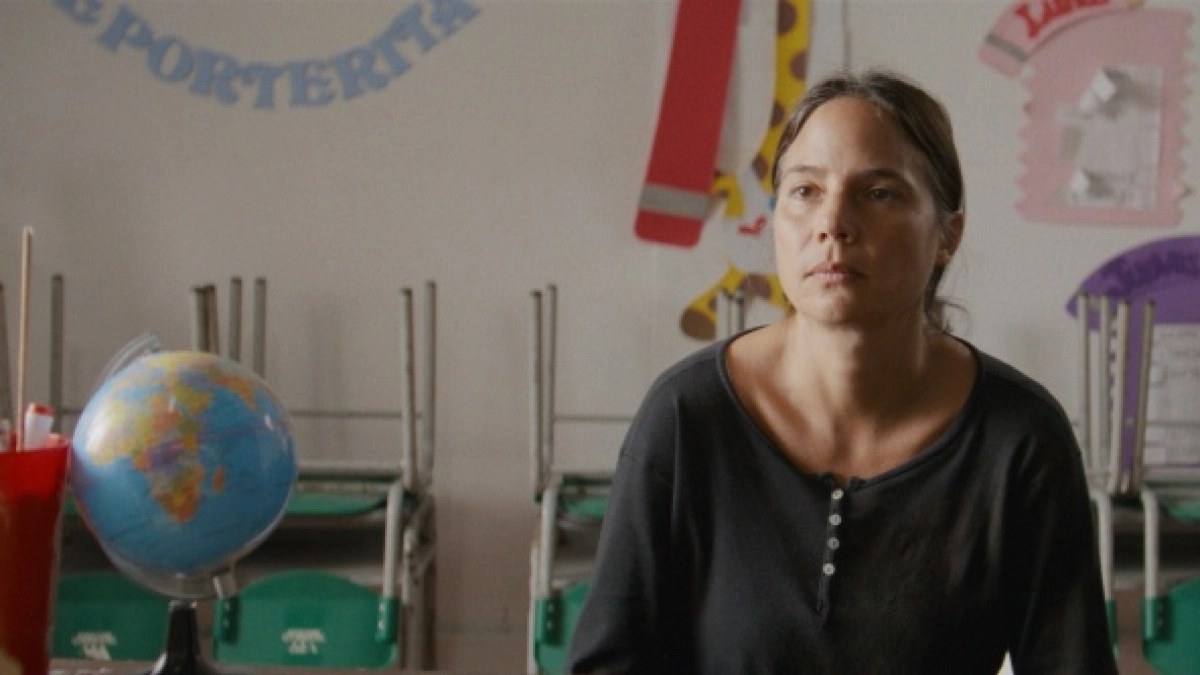
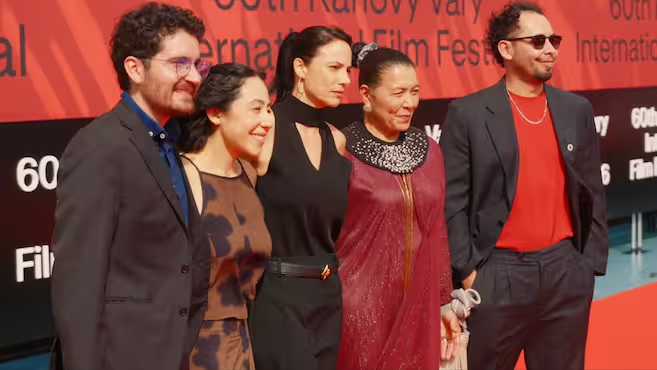
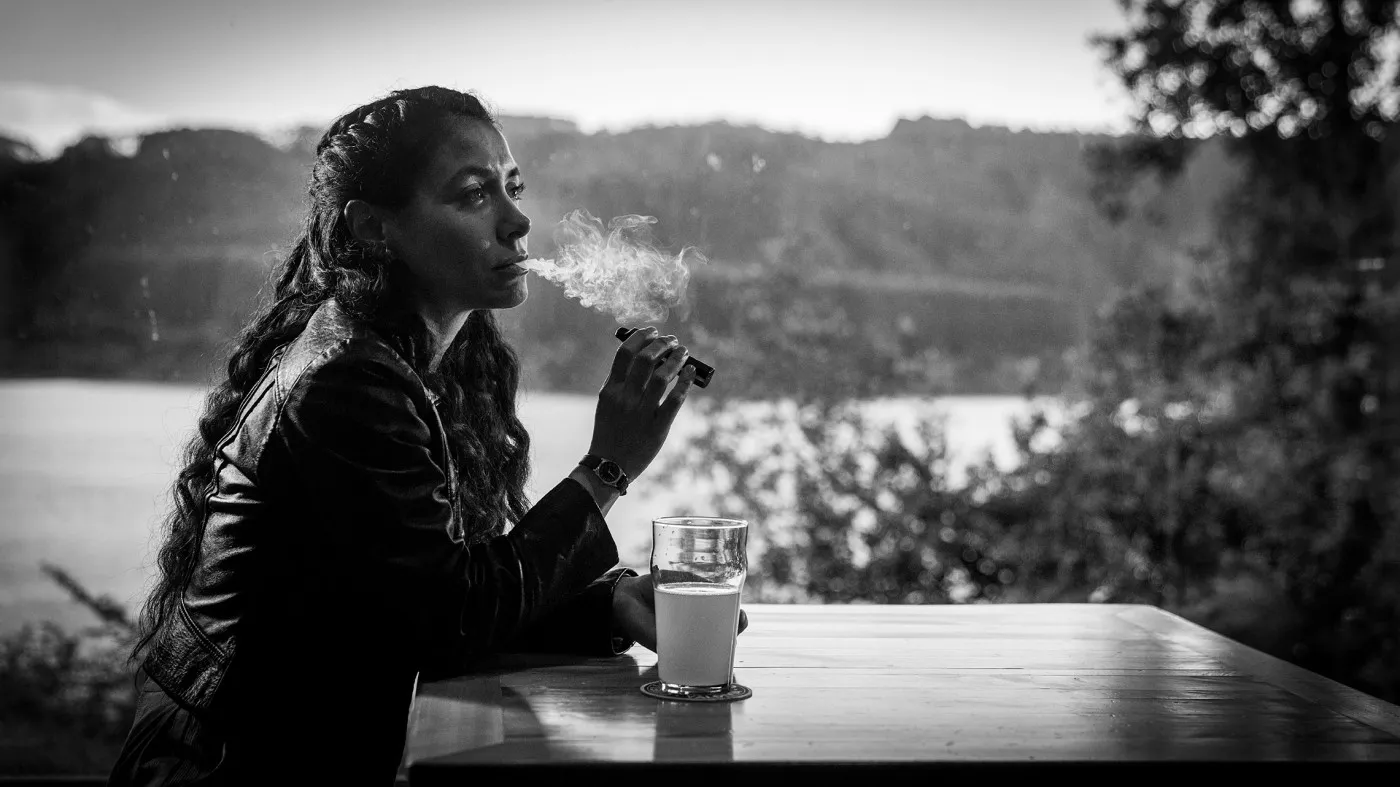
With understated but very effective filmmaking, directors Juan Miguel Gelacio and Esteban Hoyos García create an all-encompassing feeling of alienation in their portrait of Martha Baquero, a fictional character based on the real stories of women who worked with with the filmmakers on this project. Premiering in the Crystal Globe competition at the Karlovy Vary International Film Festival, this second feature confirms the duo’s impressive control of cinema’s visceral, affective powers.
At first glance, the film’s aesthetic seems purely realist, documenting the drawn-out processes that make up Martha’s search for the remains of her son, Fabian. She takes several long bus journeys across the country, on her way to painstakingly dig into potential burial sites as part of nationwide exhumation projects, or to fill out endless paperwork. But Gelacio and García also use these scenes to evoke the sensorial and emotional landscape of Martha’s life. The inclusion of these narratively uneventful sequences, stitched together into a calm and steady rhythm, subtly emphasizes the in-between feeling that defines her existence.