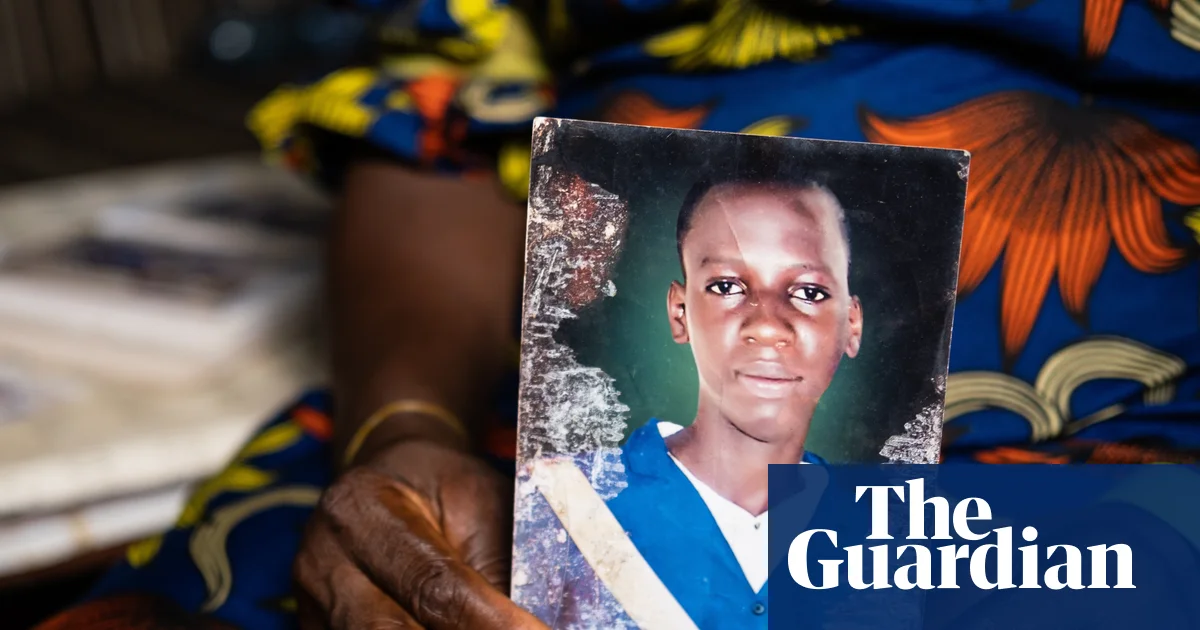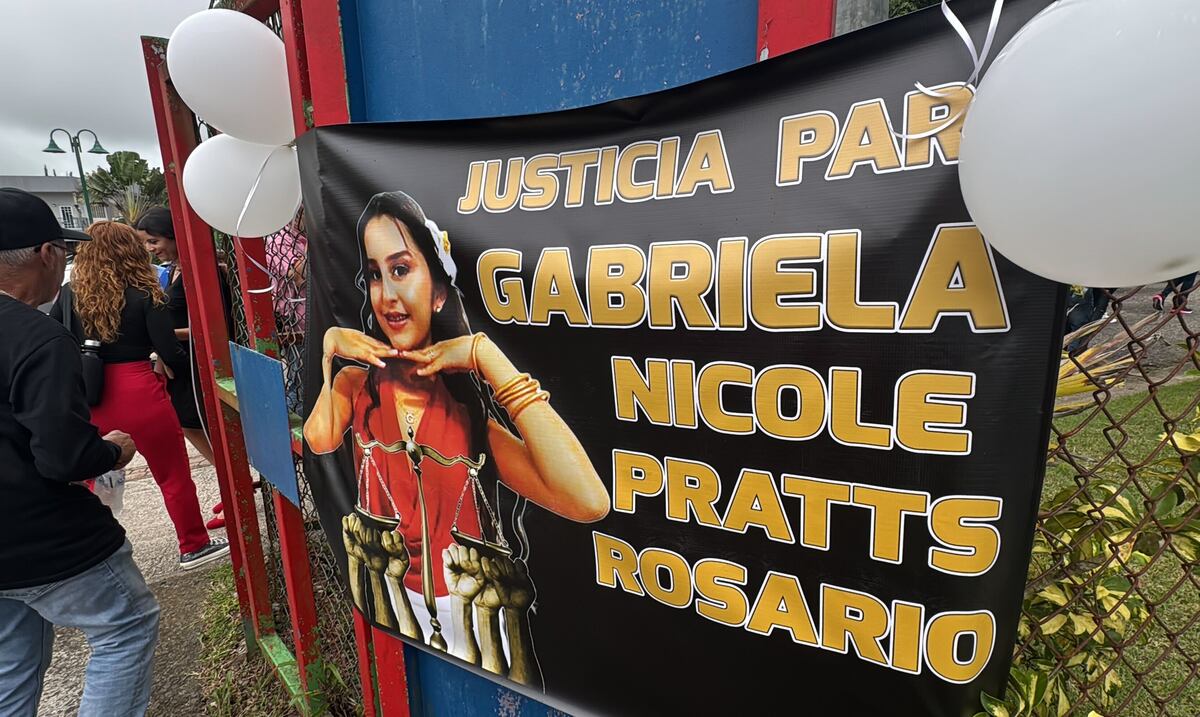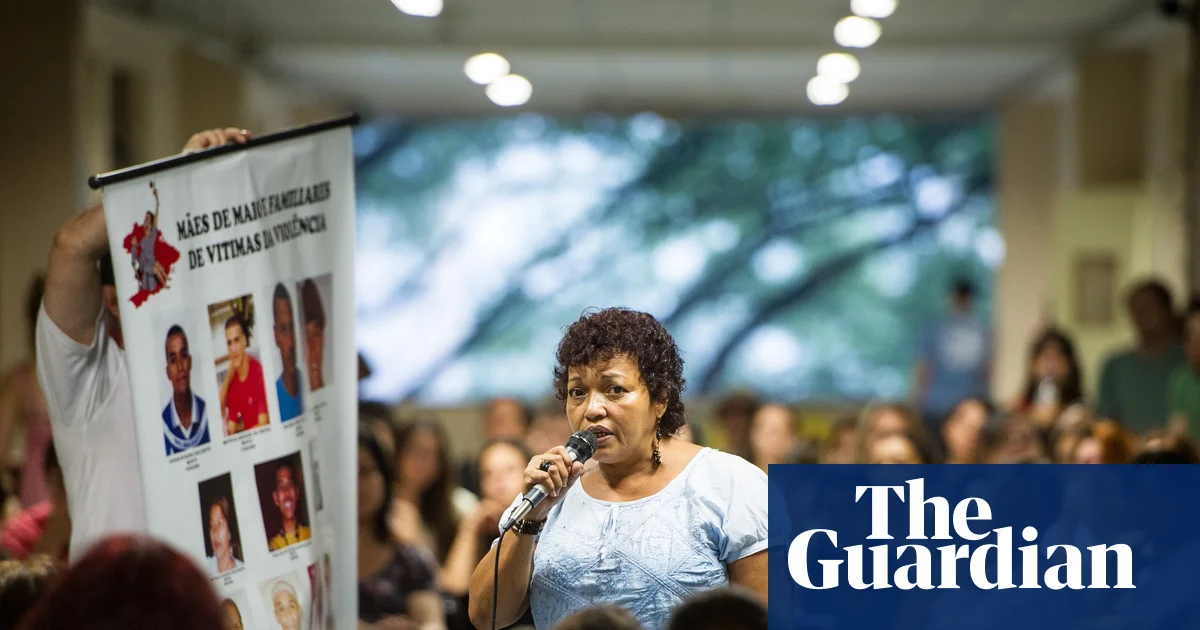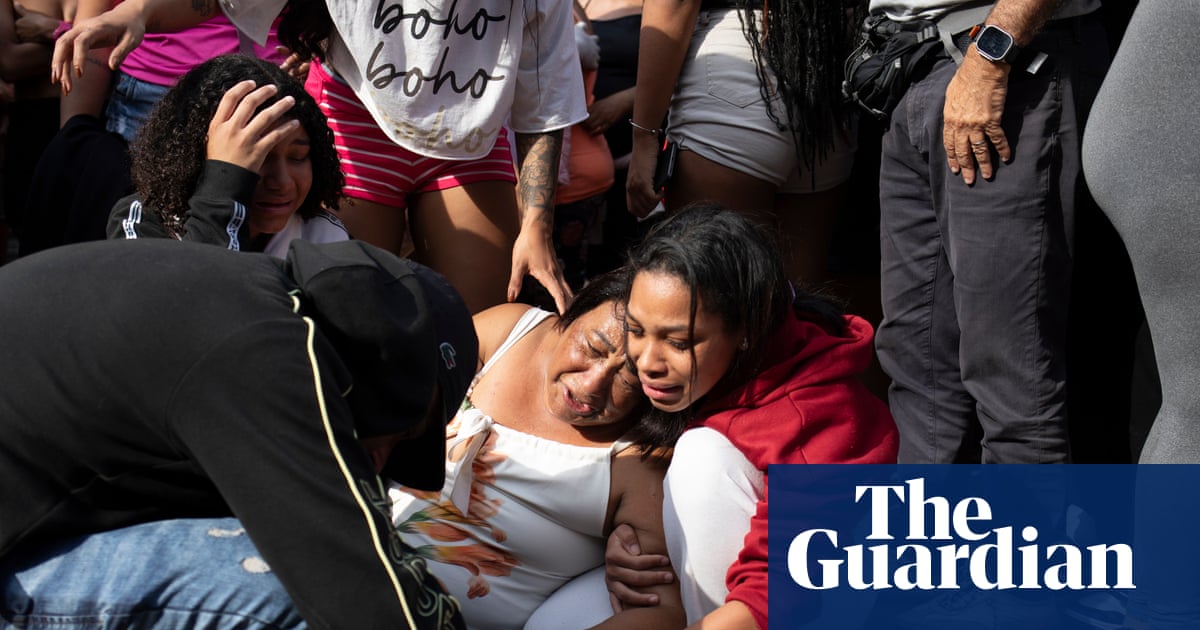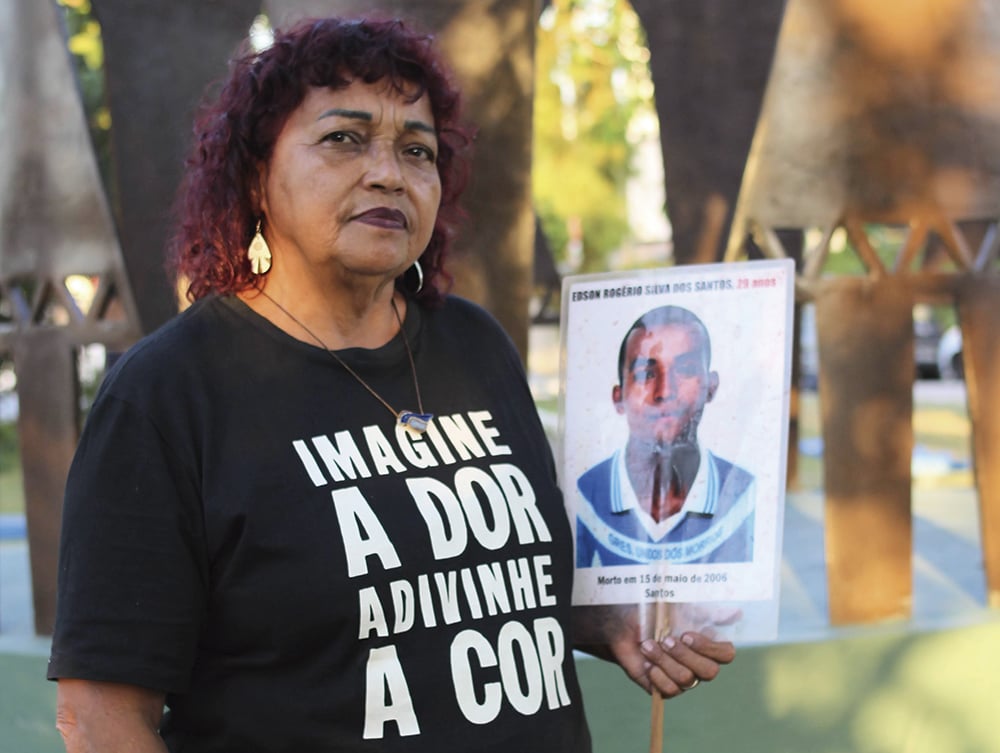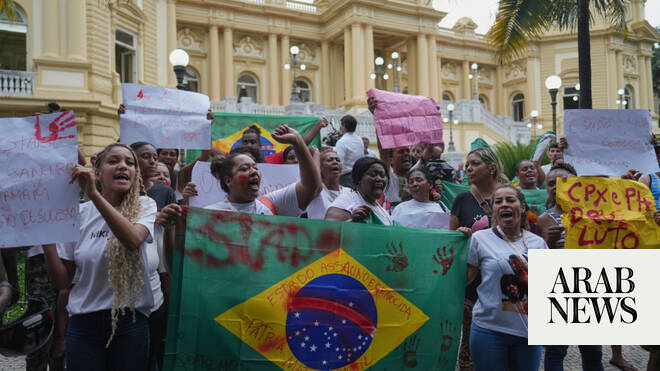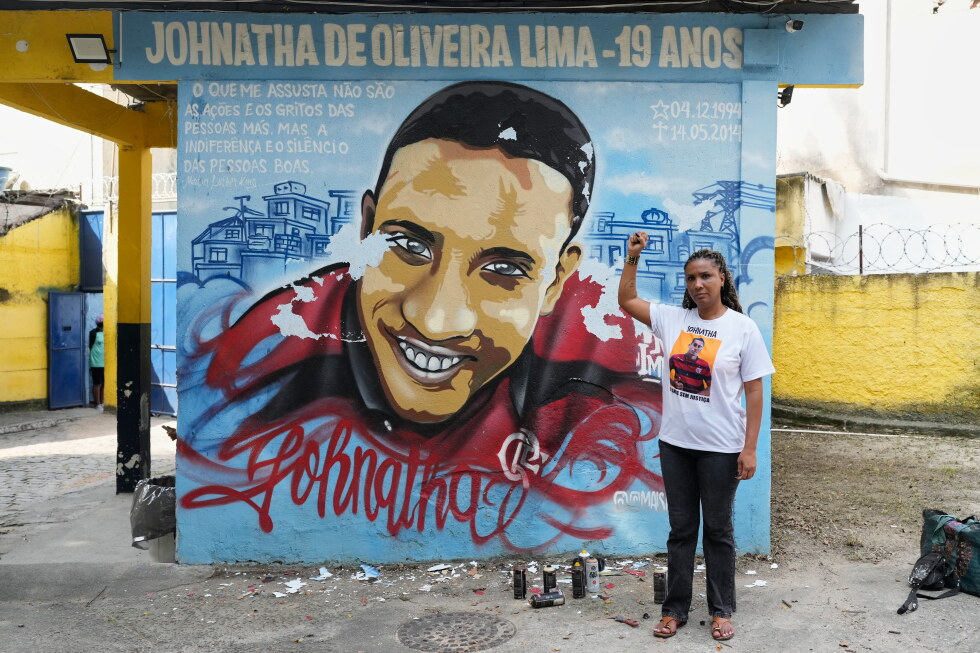
RIO DE JANEIRO (AP) — When a Brazilian police officer killed Ana Paula Oliveira’s 19-year-old son in a Rio de Janeiro favela in 2014, the mother of two didn’t think she would survive the grief.Founding a group with other grieving mothers — attending judicial hearings, protests and commemorative events together and providing essential psychological support to one another — saved her life, Oliveira says.“Without any doubt, if I had been alone I wouldn’t have made it here, 12 years later,” she said, at a recent event at her son’s old school marking the anniversary of his death. “We need one another to cry together, to smile together and to fight together.”Oliveira and other Brazilian mothers turn to activism to ensure that their sons are remembered as more than a statistic. Now, they are demanding a nationwide policy to support relatives of victims of state violence and are seeking public funding to finance their activities.The nonprofit Crossfire Institute said 460 people died during police operations in Rio last year, the highest number since 2016 and a 52% increase from the previous year.
Much like the Mothers of Plaza de Mayo, a human rights organization created by women whose children were kidnapped by the military dictatorship that ruled Argentina from 1976 to 1983, Oliveira and her group draw attention to the pain generated by police killings and seek judicial accountability — sometimes successfully.