(Image credit: Shutterstock)
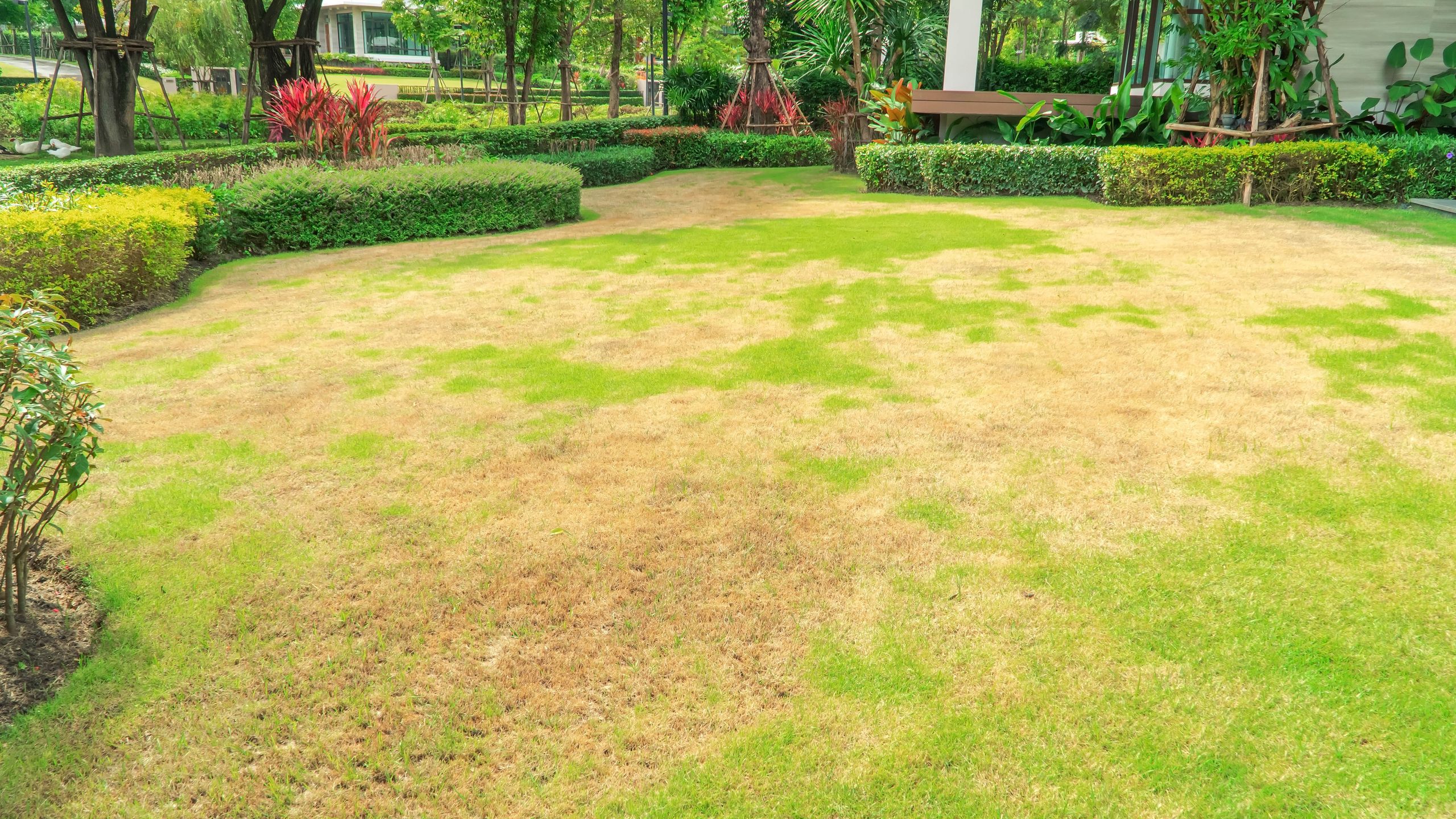
Now that summer has arrived, the scorching temperatures often take their toll on our previously lush and green grass. It’s disheartening to see unappealing yellow patches or spots on your lawn, particularly when you have gone the extra mile to seed bare spots.In addition, you’re probably wondering why grass grows at a faster rate in some bare spots and not in others. Luckily, I’ve called on the lawn care experts to reveal why my grass is still patchy after seeding and to share tips on how to fix it.What causes lawn to be patchy after seeding?
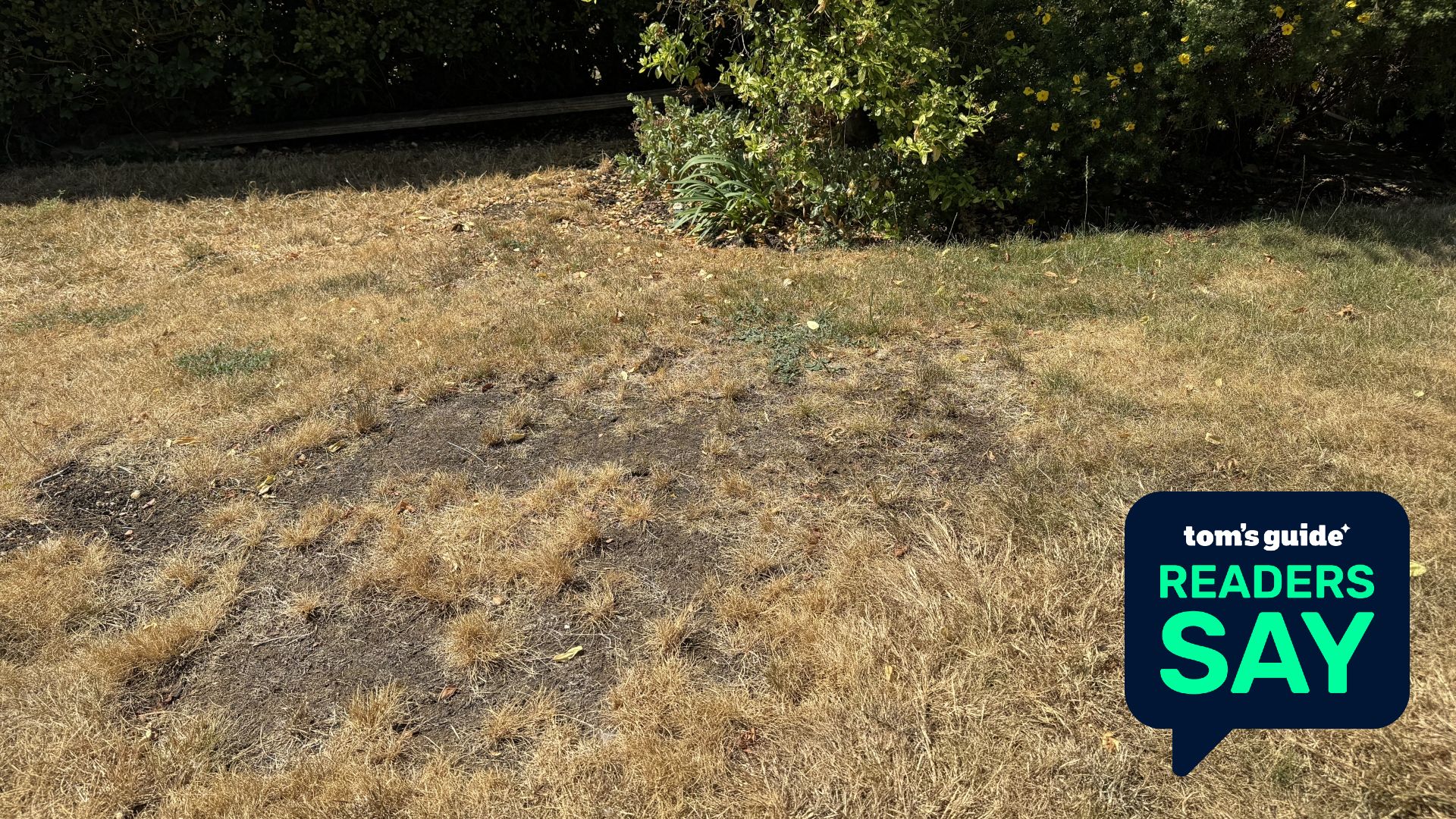
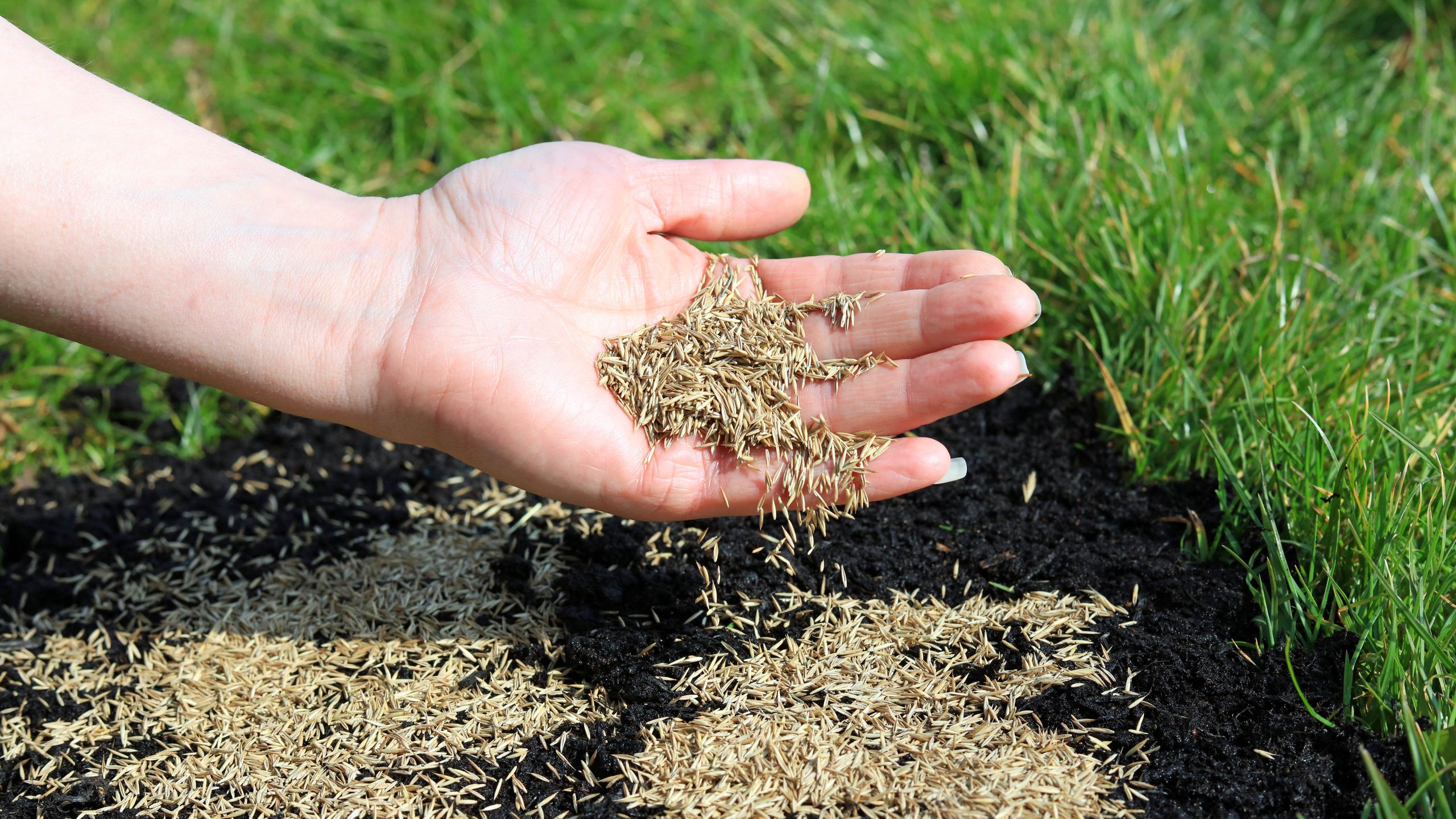
Brown patches in grass (Image credit: Shutterstock)Essentially, overseeding is when you spread a thin layer of grass seed that matches your existing lawn type and climate zone. Experts usually suggest this method to fix bare spots, naked turf, or overrunning weeds, which are clear signs of density issues.But why does your grass still look a little patchy even after you’ve seeded? According to experts, there could be several reasons for this — from birds swiping seeds off the ground to the breeze blowing some away.“It’s quite common for the first go at seeding to come up slightly patchy,” adds Chrissie Handley, lawn care specialist at Online Turf. “You tend to lose some seed either from the birds picking some off the ground, or through wind blowing it away, or heavy rain can also wash some away, giving you a sparse regrowth.”Although it’s advisable to sprinkle the seeds by hand to tackle those smaller areas, you may be spreading it too thin in certain areas — leading to patchy turf after seeding."You tend to lose some seed either from the birds picking some off the ground, or through wind blowing it away"Chrissie Handley, lawn care specialist “Sometimes, the area can appear sparse and patchy if you’ve seeded by hand, as sometimes there will be a higher concentration of seed in certain areas, depending on the way it fell when sown,” adds Handley.Get instant access to breaking news, the hottest reviews, great deals and helpful tips.“You can simply top up these areas with additional seed once you begin to notice the sparse areas. If you do this when the seed is just beginning to germinate, you’ll have a better chance of it blending together quickly.”How do I fix my patchy lawn?So what can I do to fix unsightly patches? Experts advise the best solution is to reseed the affected areas, using lawn repair products or a good fertilizer.“Proper fertilization also encourages dense turf, effectively crowding out weeds and minimizing bare patches, reducing soil erosion and promoting overall lawn stability,” states Allison Koenig, lawn and garden expert at Tractor Supply.