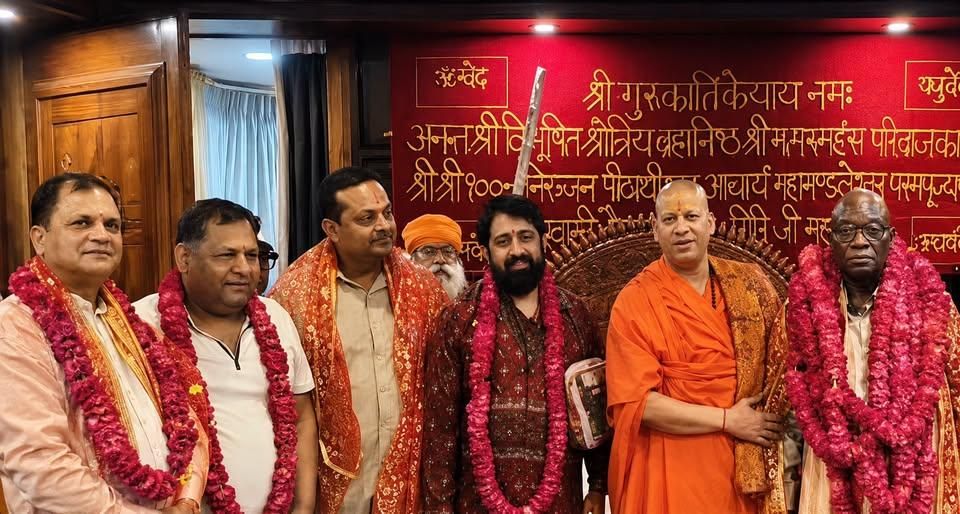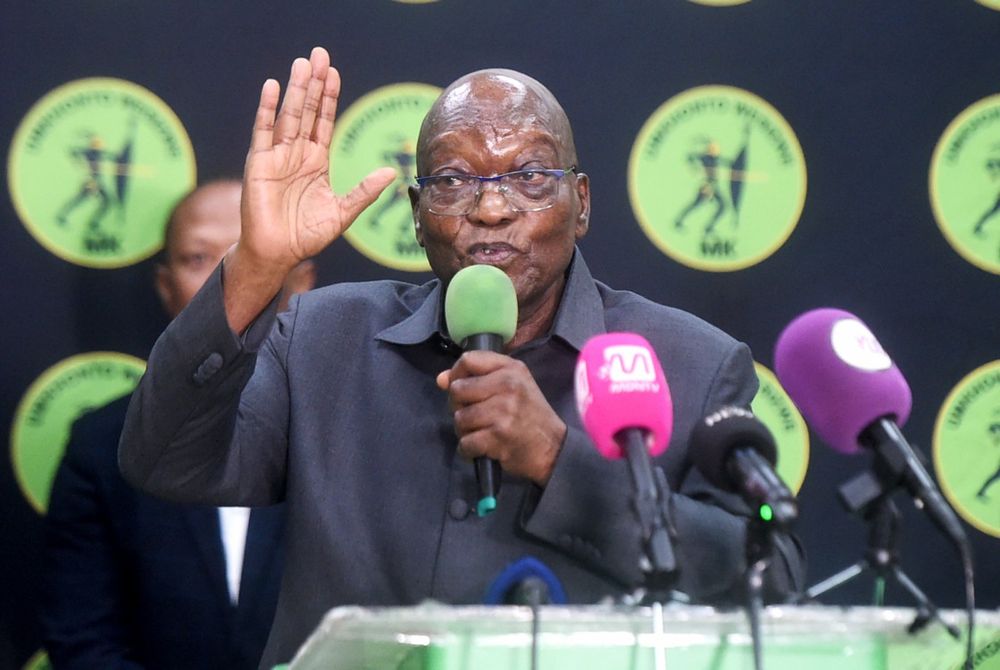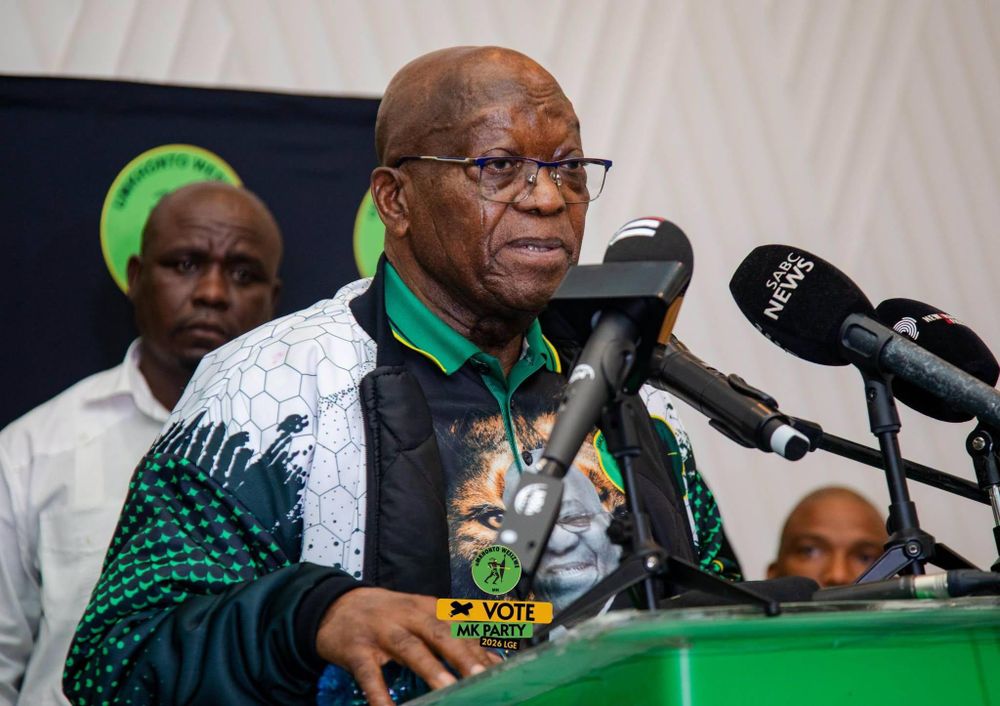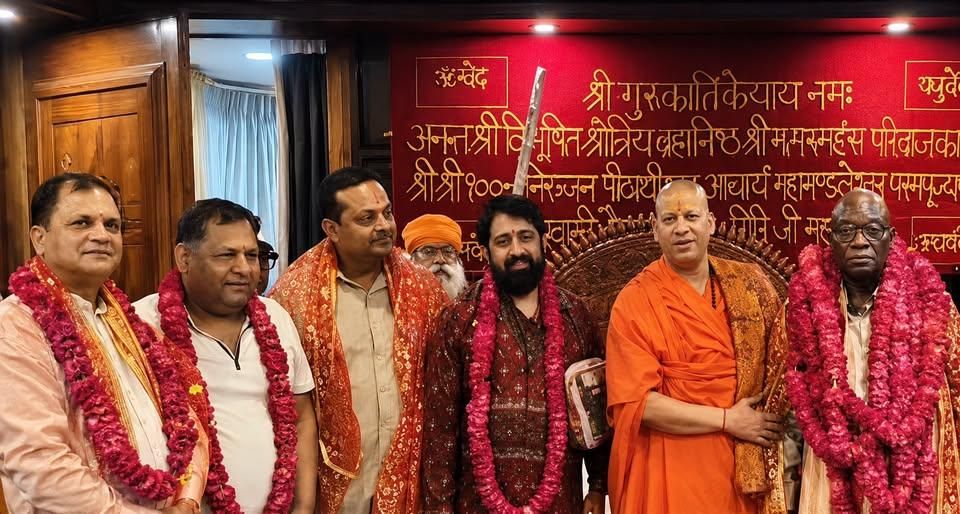
Former President Jacob Zuma’s uMkhonto weSizwe (MK) Party has predictably sought to frame his recent trip to India as a private, long-standing “spiritual pilgrimage”.
While the Siddhpeeth Shri Dakshin Kali Mandir temple in Haridwar regularly welcomes non-Hindu global figures as a gesture of cultural and spiritual diplomacy, treating Zuma’s presence there alongside Ajay Gupta, a figure associated with state-capture allegations and reportedly sought in relation to accountability processes, as a purely religious event requires a generous reading of the circumstances.
The objectionable nature of this trip does not stem from the former president seeking a spiritual blessing. It stems from the political meaning that may be attached to what followed.
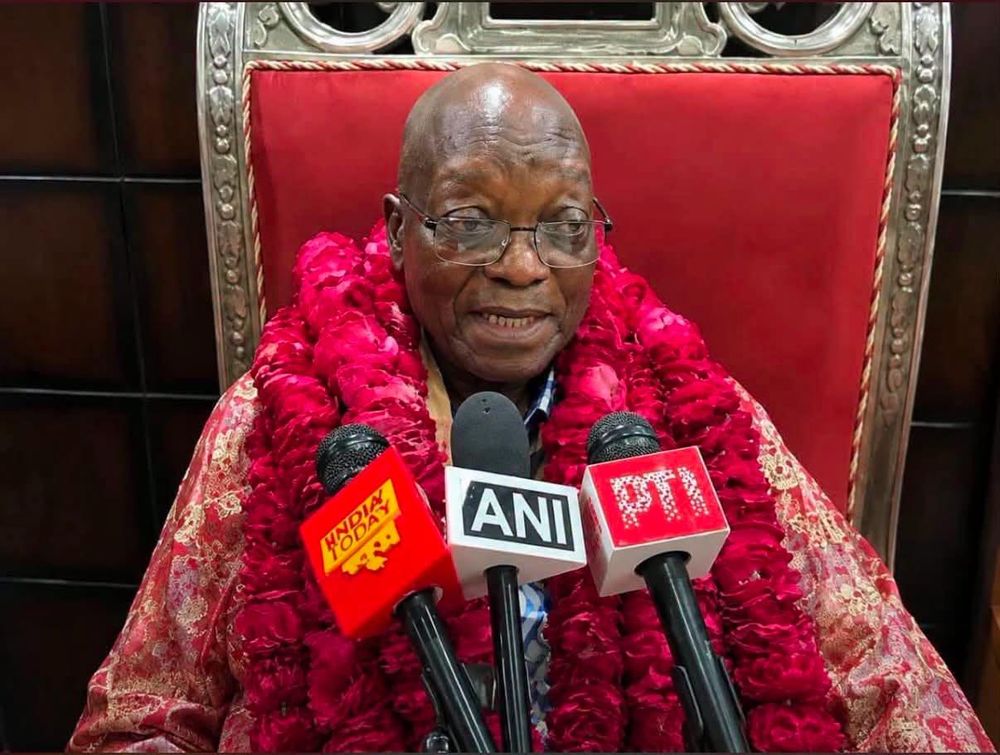
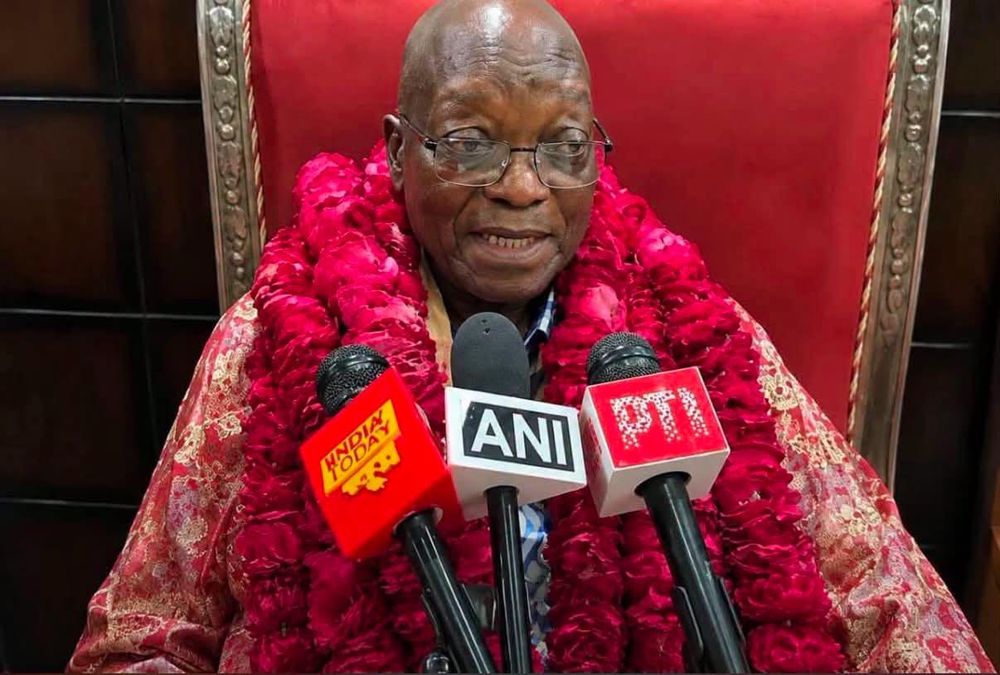
Standing before Indian media, Zuma directly linked his religious surroundings to his secular ambitions. He declared complete certainty that he would win future elections because the temple swami had granted him a divine blessing, claiming that “the people of God” were standing by him to lead South Africans once again.
The use of a sacred setting for political messaging raises legitimate questions about whether the visit was also intended to project religious legitimacy onto his campaign to reclaim power.