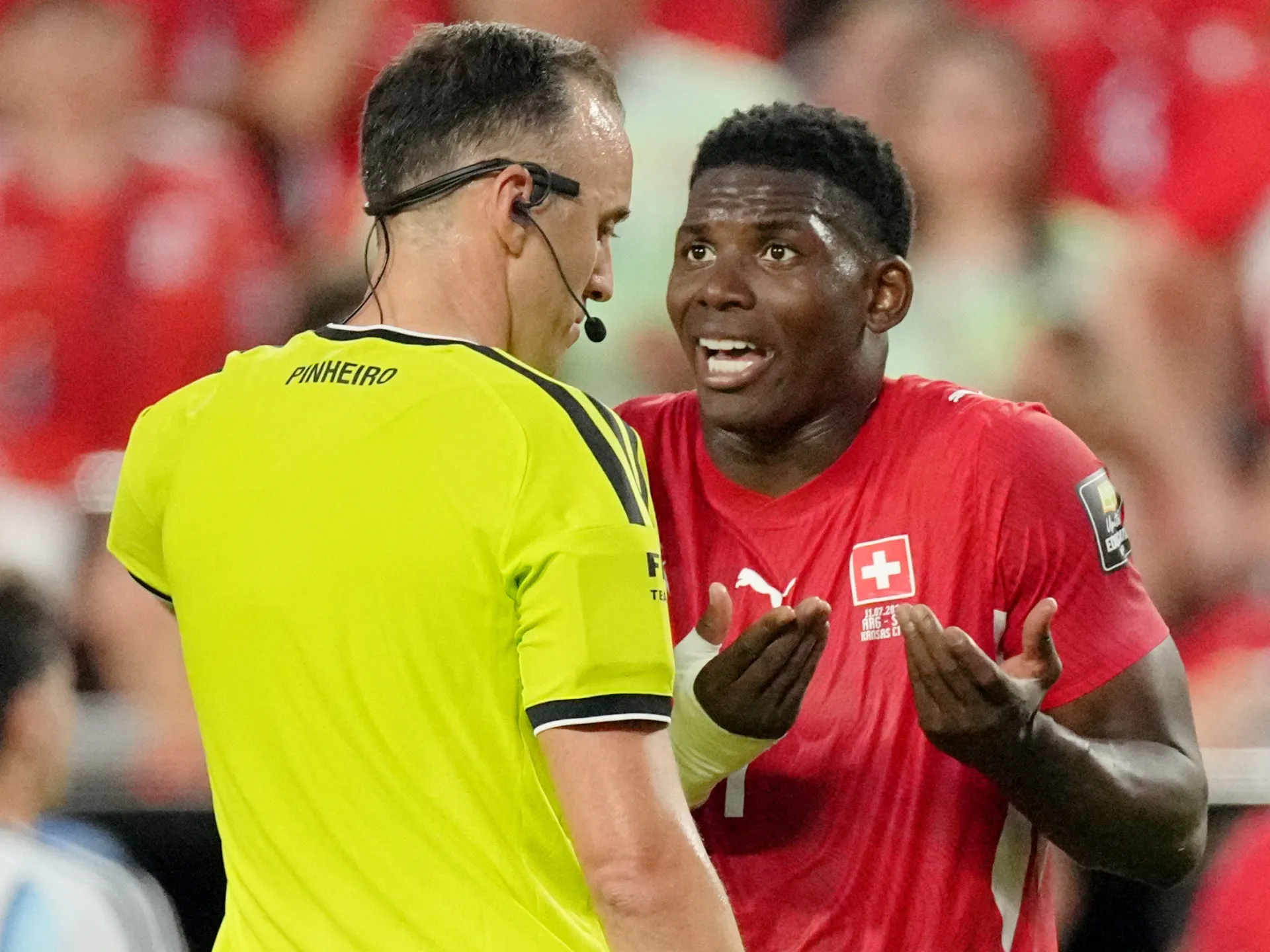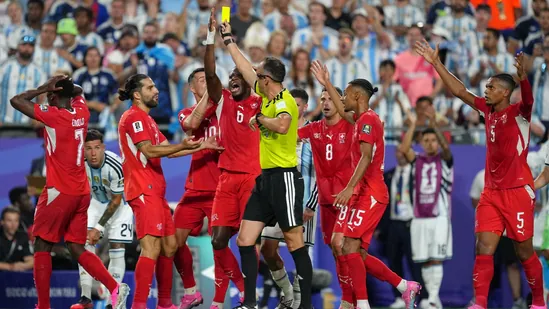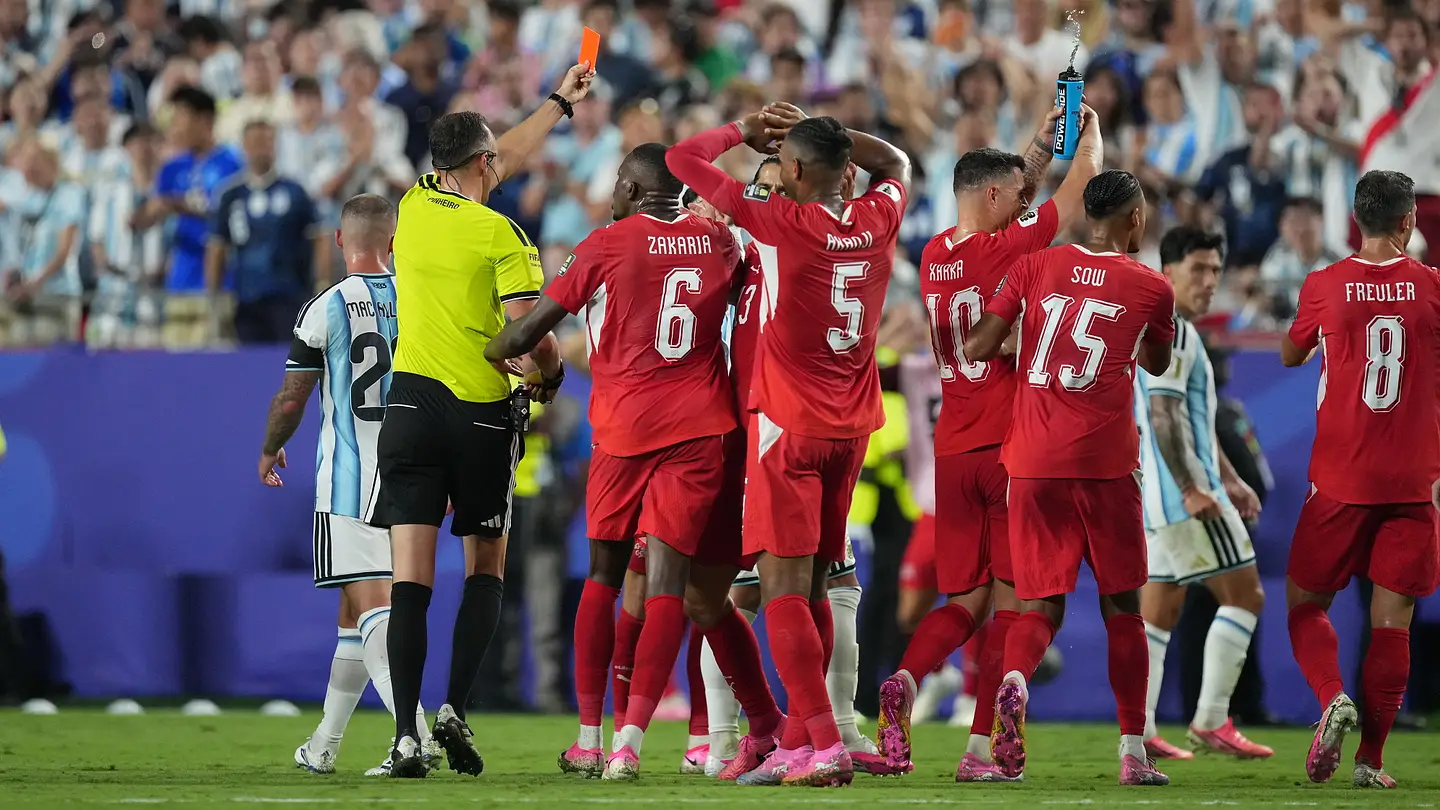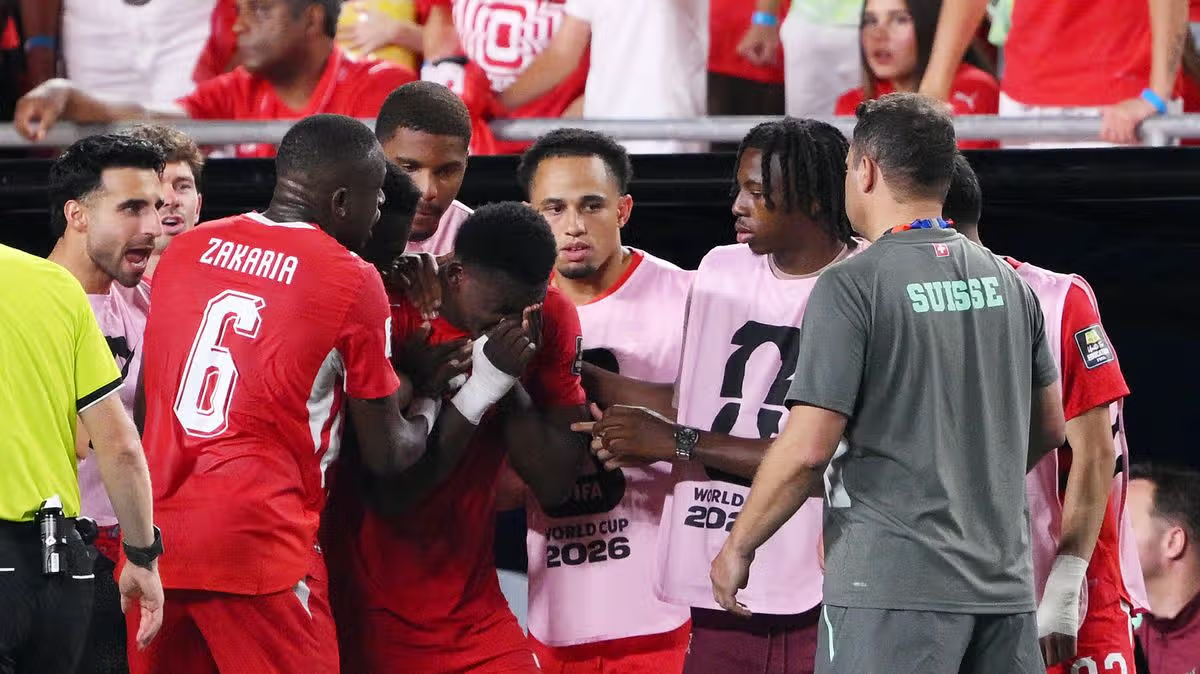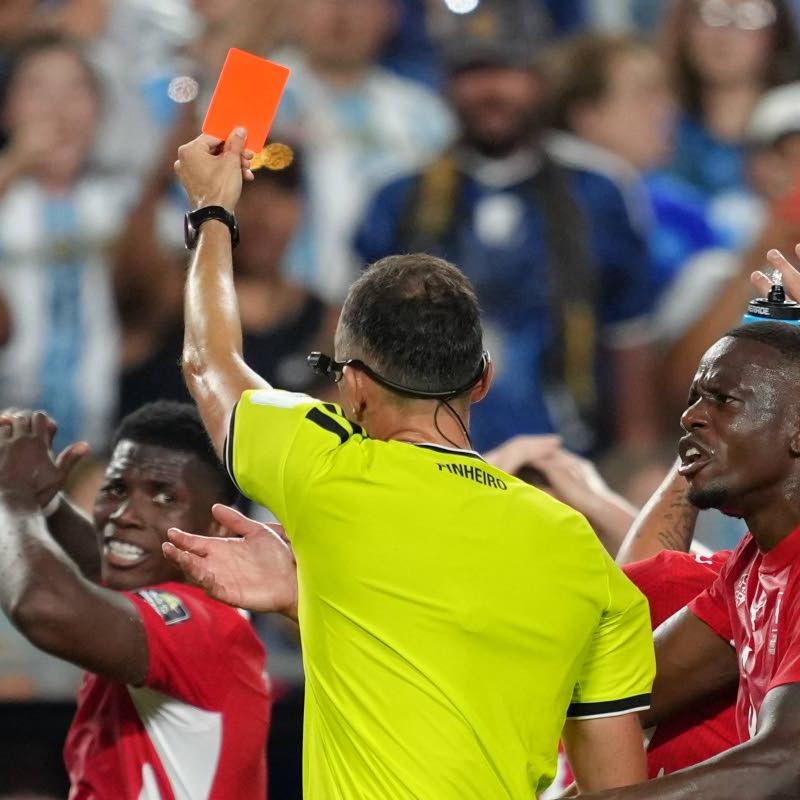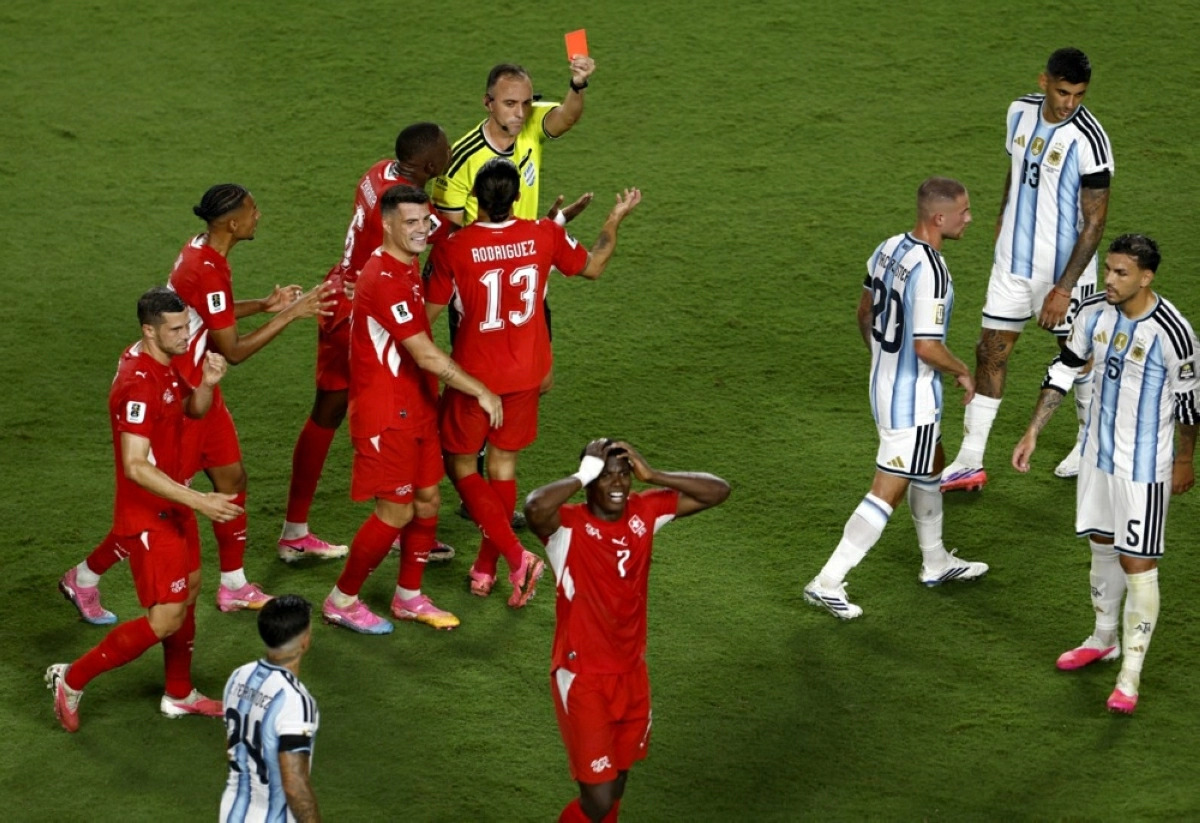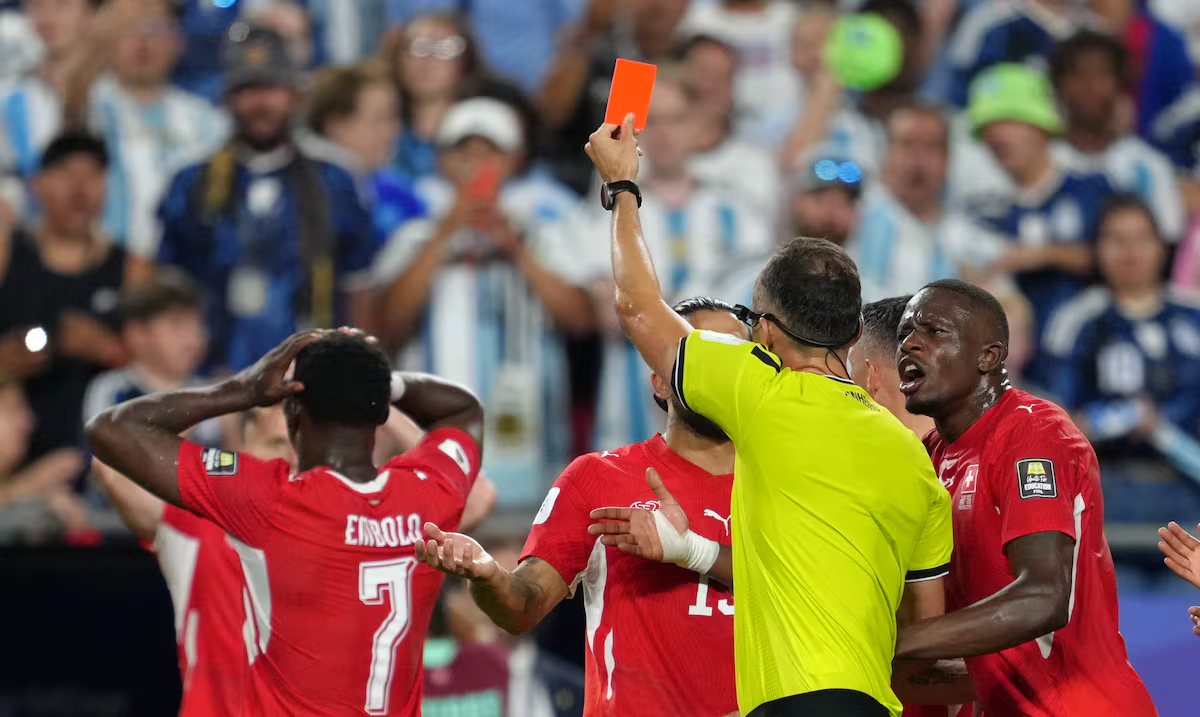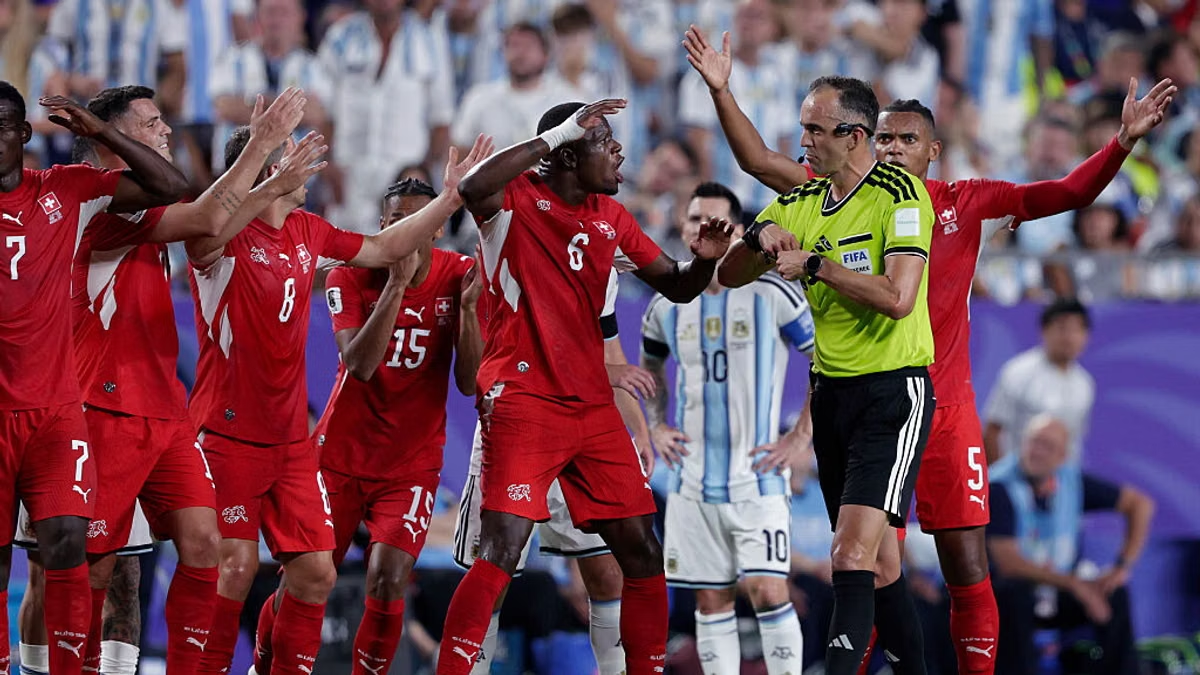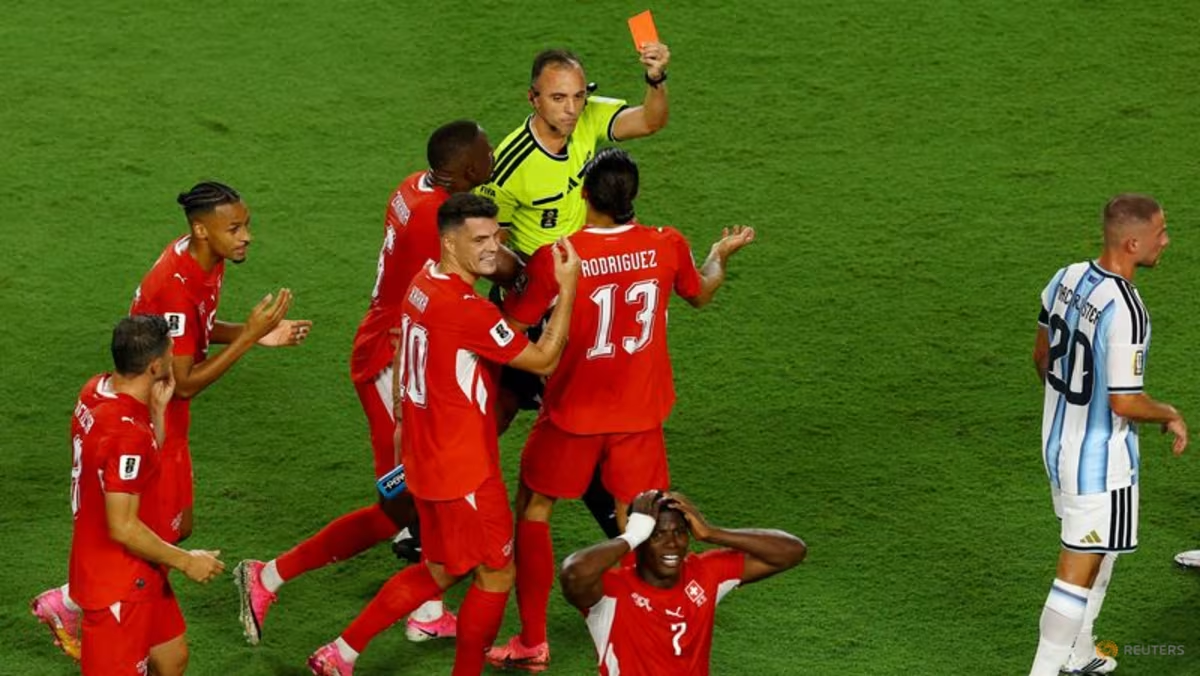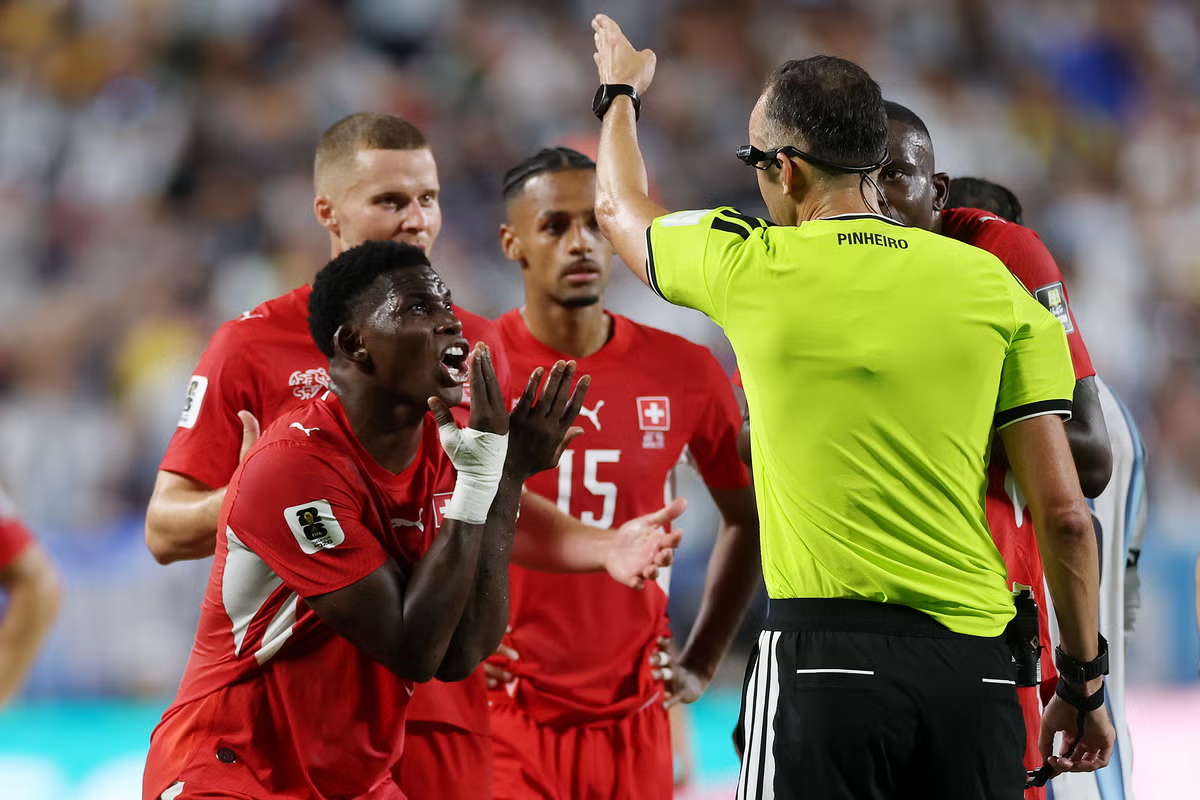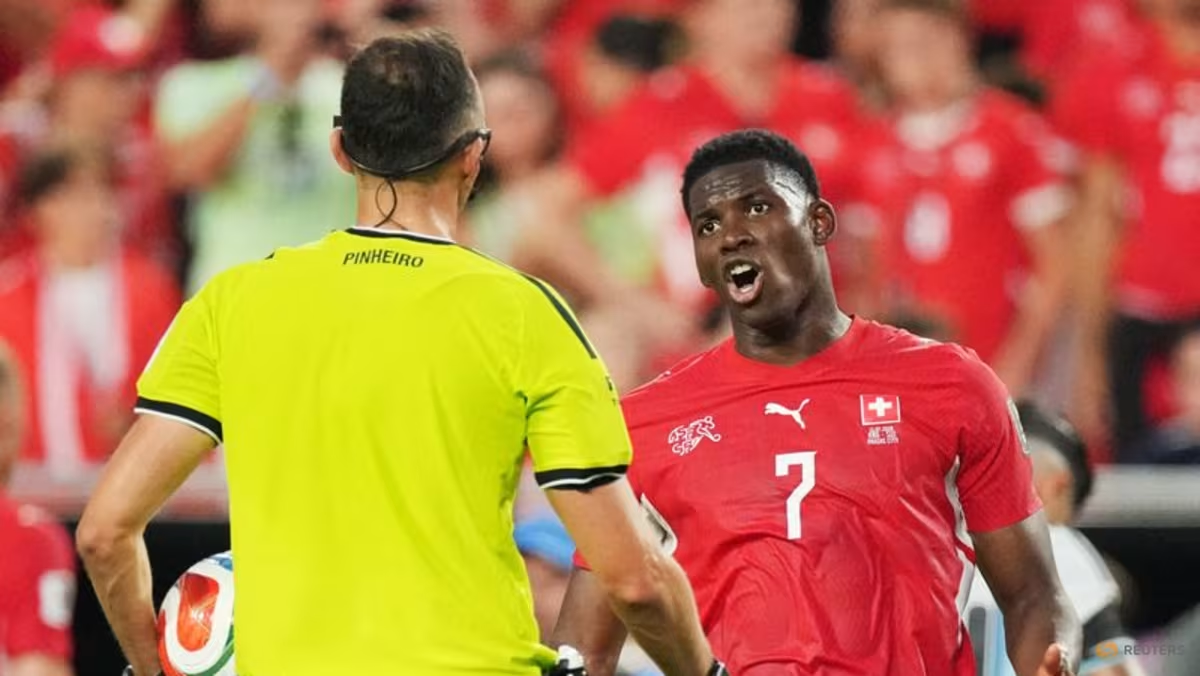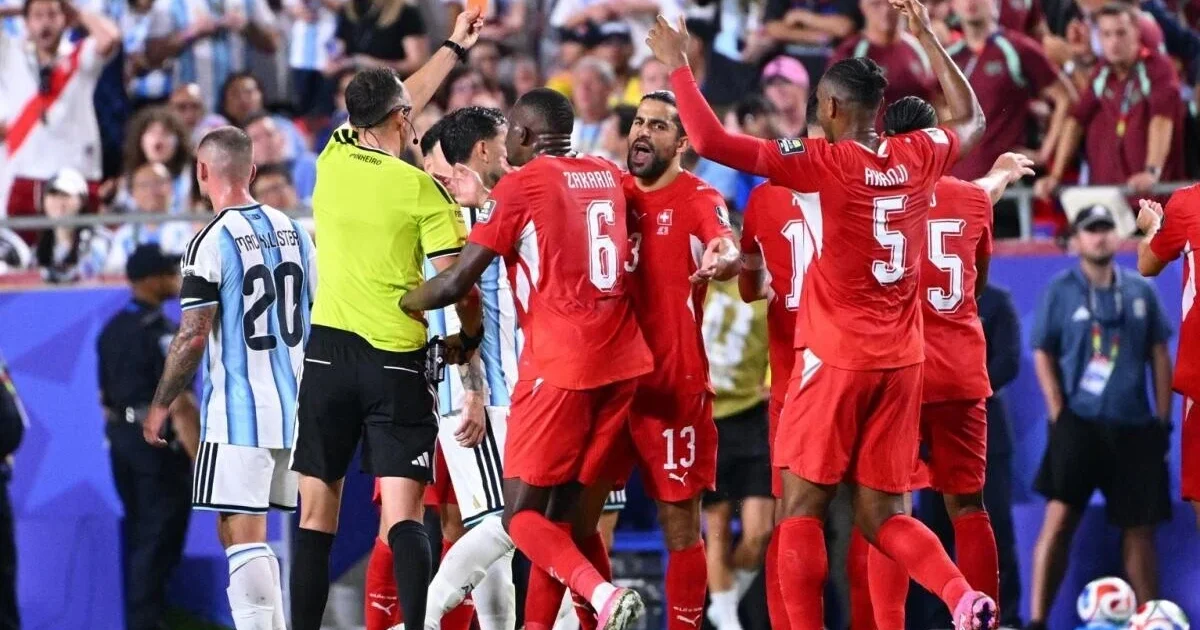
Switzerland forward Breel Embolo just earned a distinction nobody wants. In the 72nd minute of a 2026 World Cup quarterfinal against Argentina in Kansas City on July 11, Embolo became the first player in tournament history to be sent off under FIFA’s new mistaken identity protocol. The score was knotted at 1-1. It didn’t stay that way.
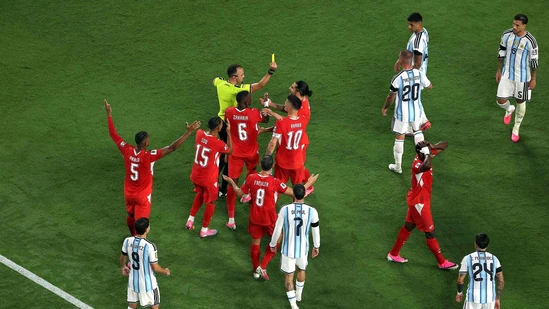
Here’s the thing: the red card wasn’t even supposed to be his, at least not initially. The referee originally booked Argentina’s Leandro Paredes for fouling Embolo. Then VAR stepped in, reviewed the footage, and determined that Embolo had actually simulated the contact. The card assignment was corrected, a yellow was issued to Embolo instead, and because he’d already been carrying a yellow from earlier in the match, the second booking meant an automatic red. Switzerland played the rest of the game a man down, and Argentina advanced to the semifinals.
How a rule designed for fairness created the tournament’s biggest controversy
FIFA introduced the mistaken identity protocol to fix an obvious problem: sometimes referees penalize the wrong player. The rule allows VAR officials to intervene and reassign cards to the correct individual. The intervention was only the second time the mistaken identity protocol had been triggered by VAR during the entire 2026 World Cup. The first instance apparently passed without much drama. This one did not.