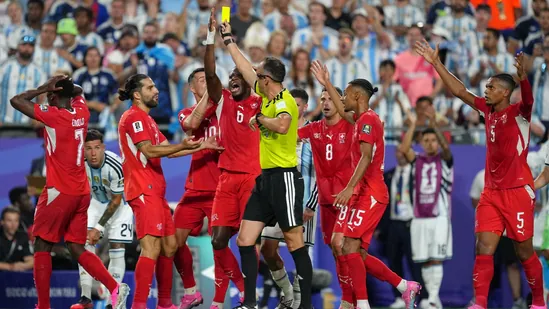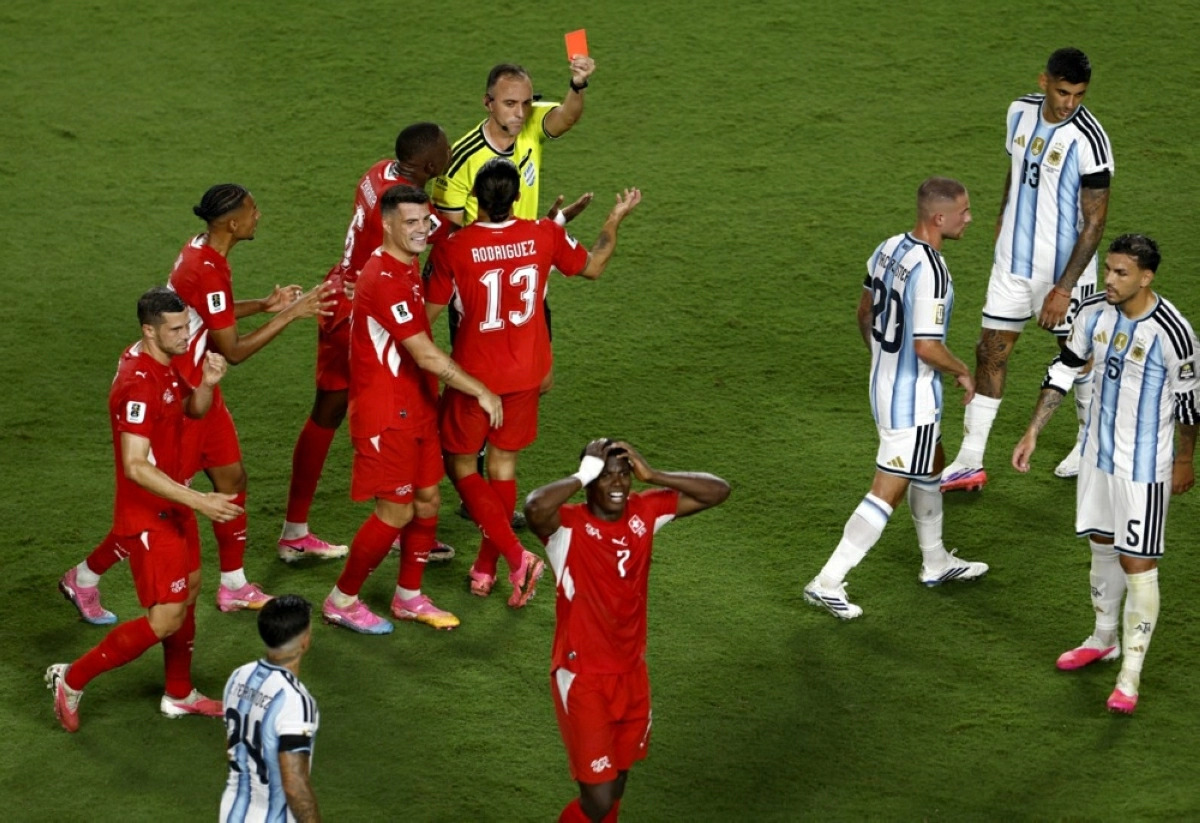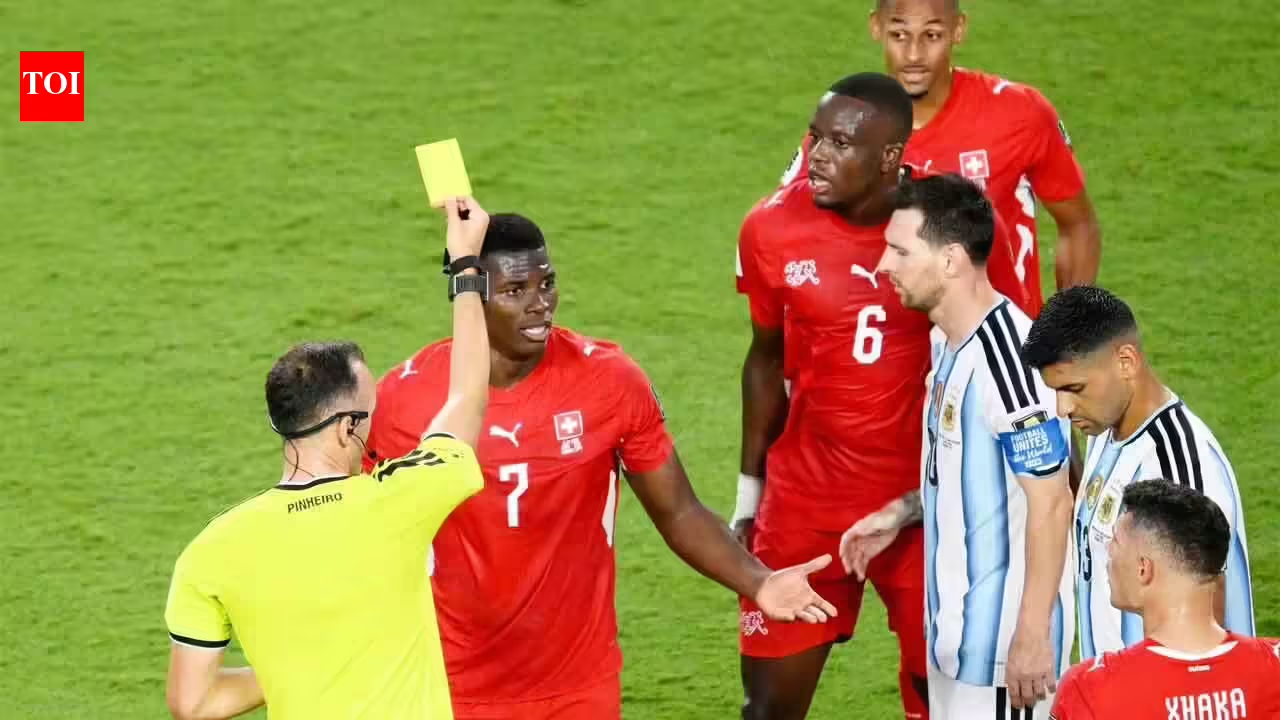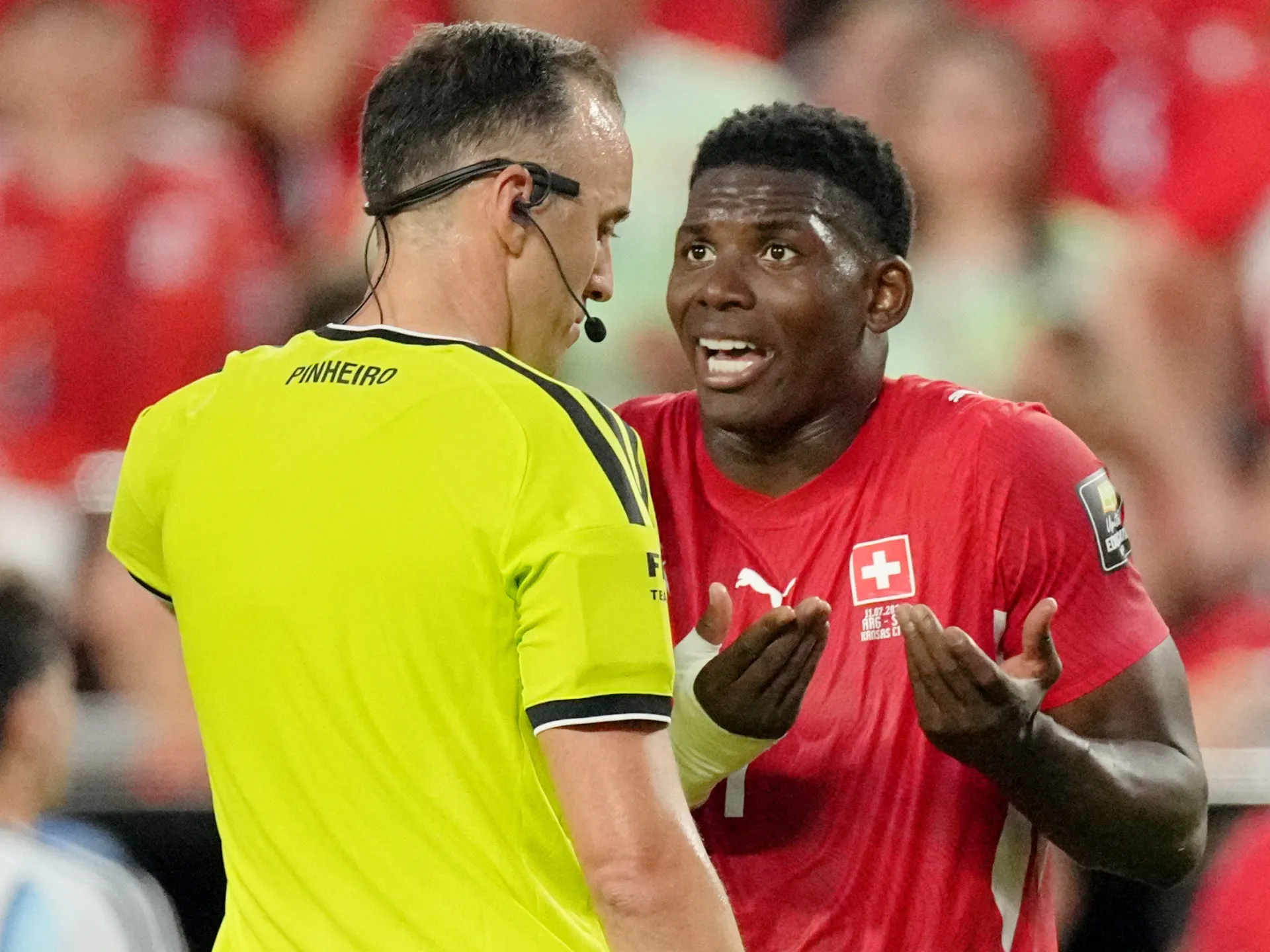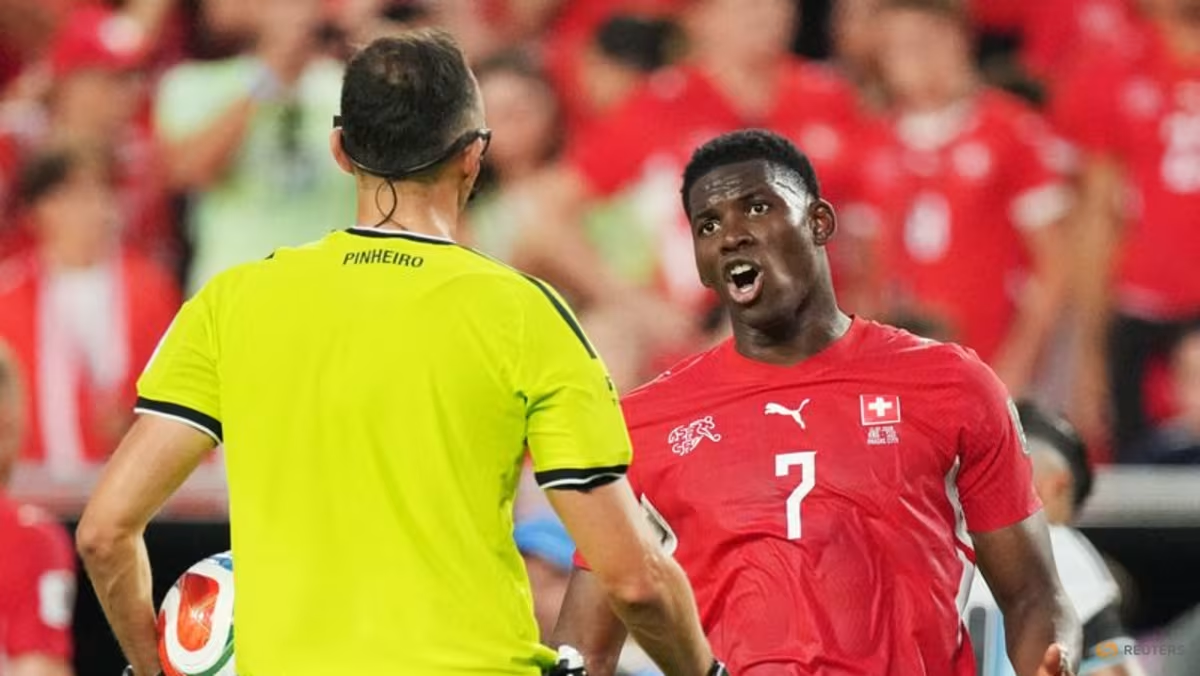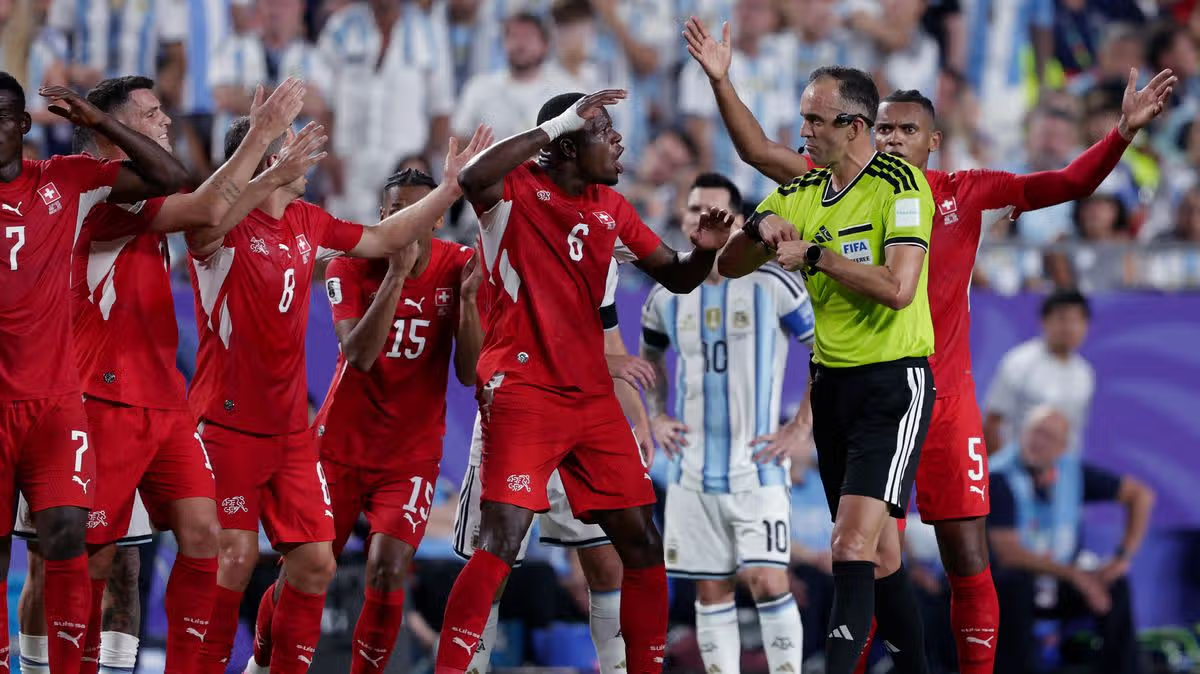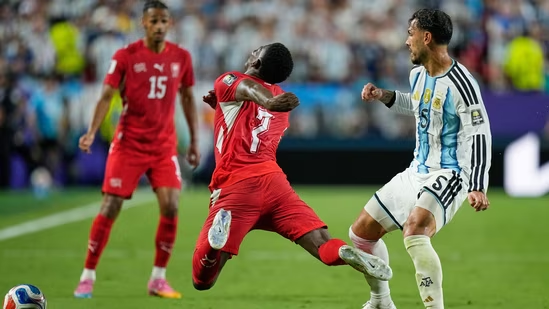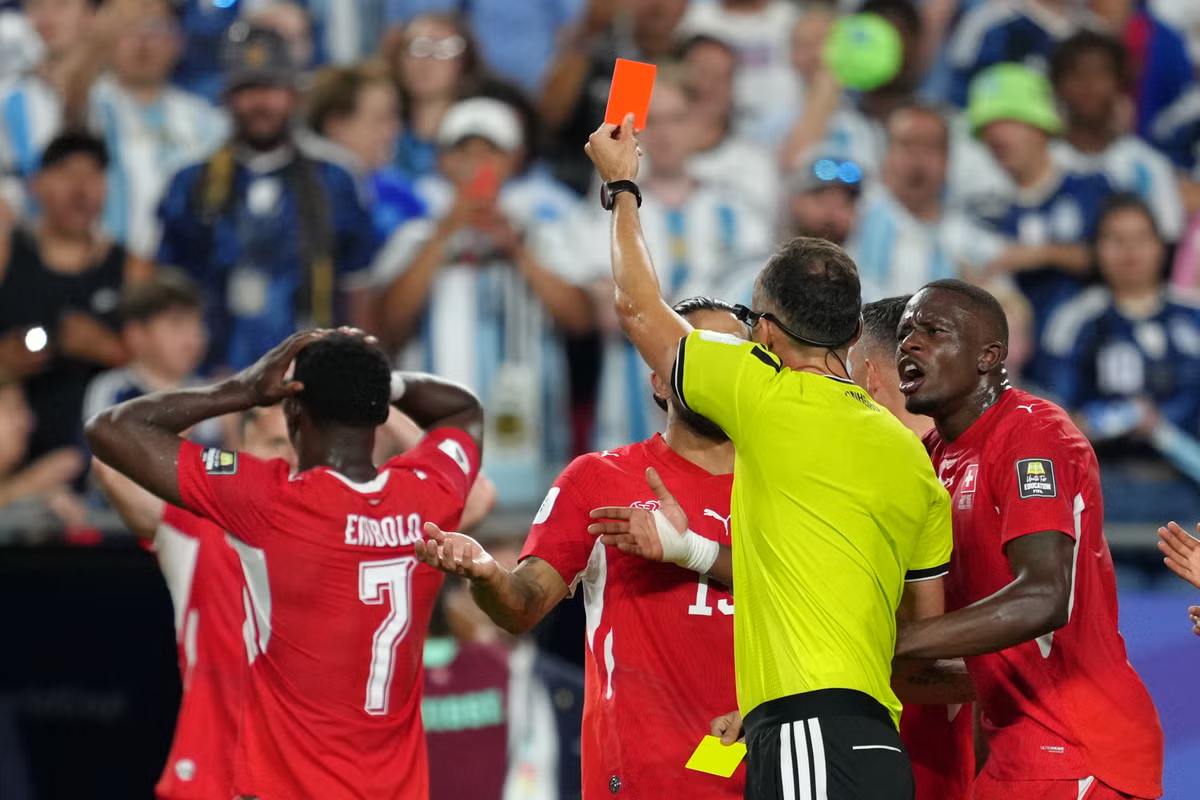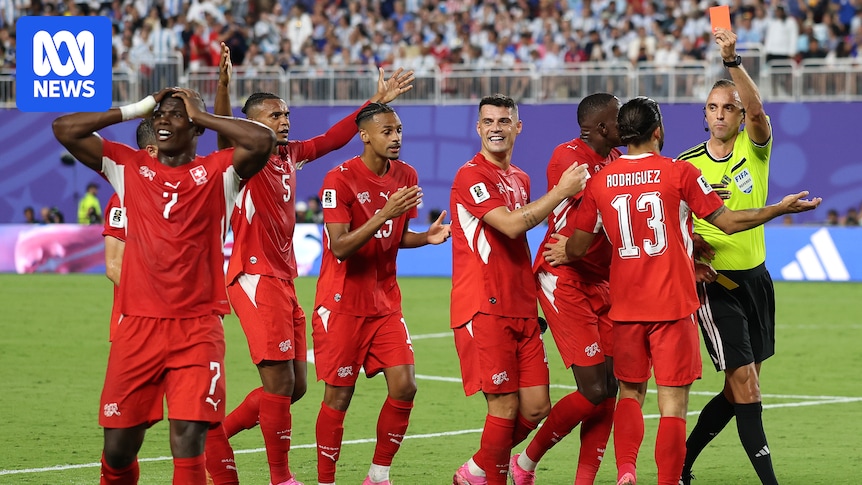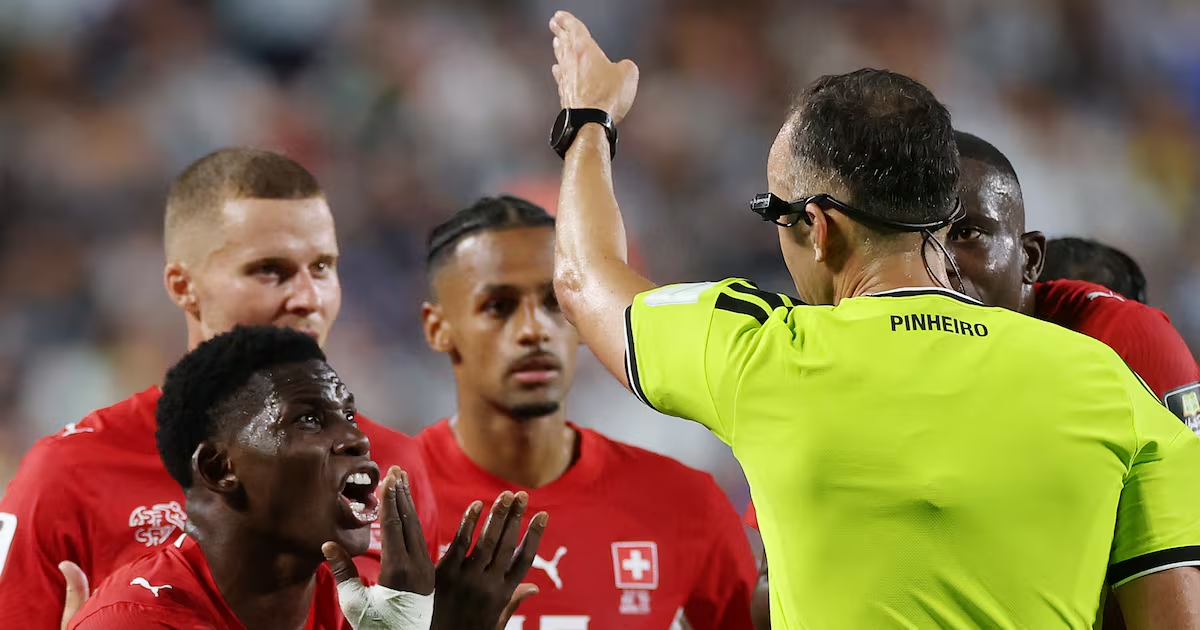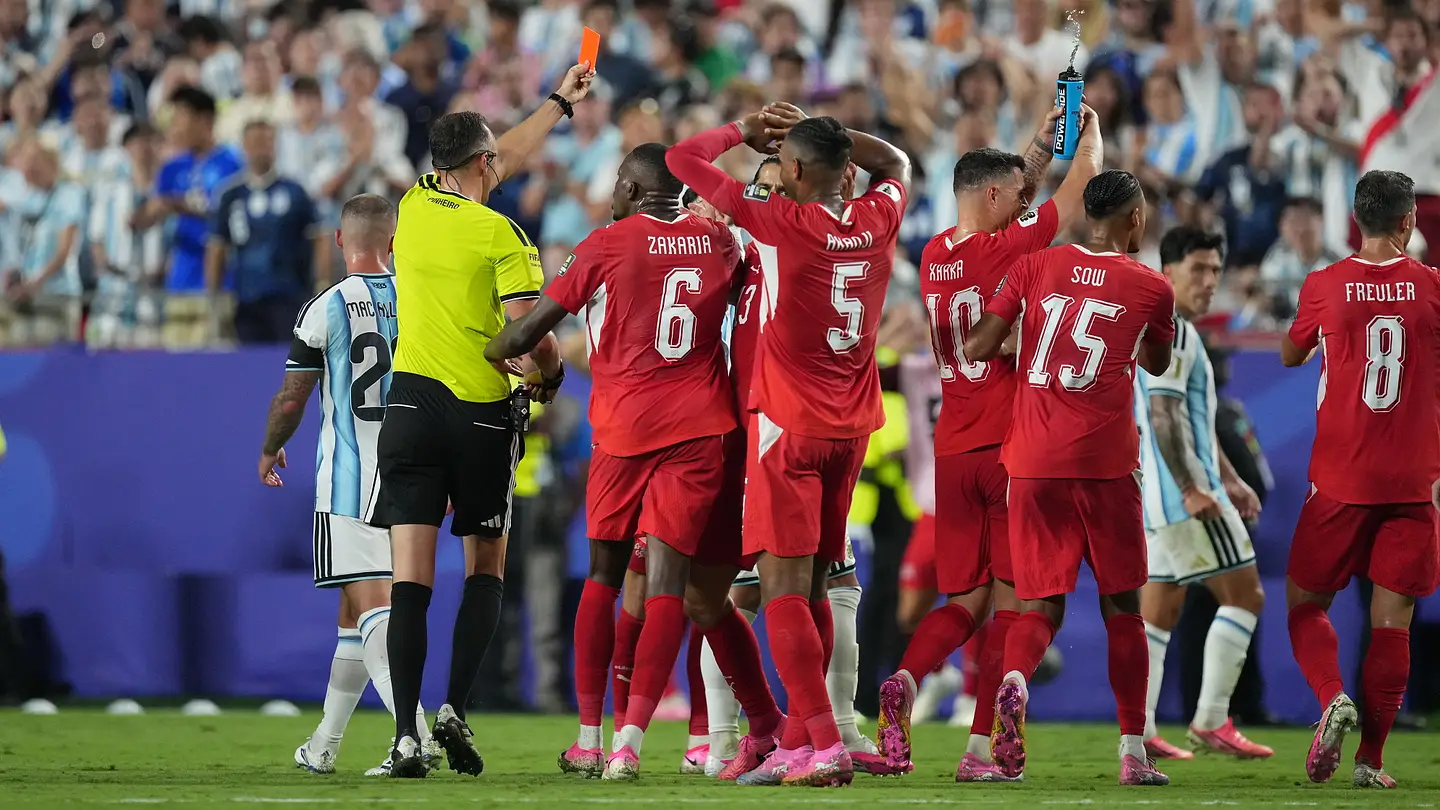
Switzerland striker Breel Embolo became the first player in World Cup history to be sent off after receiving a second yellow card following a VAR intervention for a very specific interpretation of mistaken identity in Saturday’s dramatic quarterfinal against Argentina.With the score level at 1–1 midway through the second half, Embolo tried to shield the ball from Leandro Paredes. The 29-year-old was heading towards the turf without any contact and flung out his right leg which connected with the Argentine midfielder.Referee João Pedro Silva Pinheiro initially booked Paredes for what he believed to have been a foul. That clearly wasn’t the case and the on-pitch official was directed to the touchline monitor by VAR. After a swift review Pinheiro came to a conclusion which incensed everyone in red and confused everyone else.Why Breel Embolo Was Sent Off for Switzerland vs. ArgentinaAfter a VAR review, Embolo is sent off with his second yellow for simulation 🟥 pic.twitter.com/1ljSIAtVRj— FOX Sports (@FOXSports) July 12, 2026Pinheiro explained his thought process on the pitch. “After review,” he announced to the crowd and those watching from afar, “there is no foul for [Argentina’s] No. 5. And [Switzerland’s] No. 7, there is a clear simulation. Final decision: Yellow card to No. 7.”One of the many new rules introduced for the tournament this summer now allows VAR to intervene when it is a case of “mistaken identity.” This was held up by many as the reason for Embolo’s second yellow card—after all, Paredes wasn’t the player that should have been booked.However, mistaken identity can only be used when the referee “has clearly penalized the wrong player” for the indiscretion in question. “The offence itself cannot be reviewed.”Paredes was booked for a foul, Embolo was shown a yellow card for diving—these are two very different offenses. So there was no “mistaken identity,” it was a mistaken identification of what the offense was.Theoretically, Embolo shouldn’t have been punished under the strictest interpretation of these guidelines. However, past precedent was working against him.There’s been plenty of refereeing confusion this summer. | Sarah Stier/FIFA/Getty ImagesIn the first World Cup game on U.S. soil this summer, a near identical scenario played out. Tim Ream was initially booked for what referee Danny Makkelie deemed to have been a foul on Miguel Almirón. However, after a VAR review, the Paraguayan forward was judged to have dived, so Ream’s yellow card was shifted across to Almirón.BBC Sport claimed that multiple “well-placed sources” described the decision as “wrong, even if it felt right.”Yet, the call was lauded—fans love nothing more than diving being punished. The same report theorized that the positive reaction to this technically incorrect decision has seen FIFA stick with this modified interpretation of the rules.Almirón had not yet been booked in that match against the U.S., so his yellow card passed without much notice. Embolo’s was a lot more impactful.READ THE LATEST WORLD CUP NEWS, ANALYSIS AND INSIGHT FROM SI FCAdd us as a preferred source on GoogleFollow
Argentina, Lionel Messi Benefit From Unprecedented World Cup Red Card
Breel Embolo’s second booking came as a consequence of a decision from the first World Cup game on U.S. soil this summer.
494 words~2 min read