The homecoming of Yinka Shonibare’s work from the 2024 Venice Biennale seemed to complete one historical circle while quietly opening another debate. Okechukwu Uwaezuoke argues
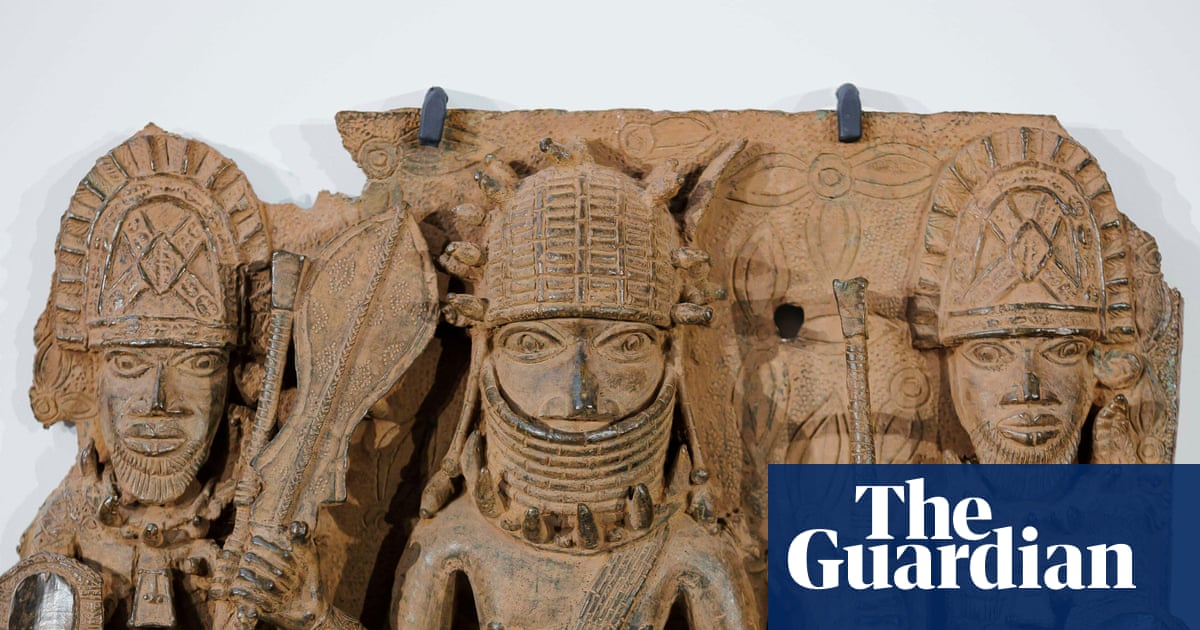
Really, it’s hard not to see the return of Yinka Shonibare’s “Monument to the Restitution of the Mind and Soul” to Benin City—after its acclaimed appearance at the 2024 Venice Biennale—as a victory lap. The installation was, after all, among the standout works of Nigeria Imaginary, the Nigerian Pavilion’s debut presentation at the Biennale. It directly intervened in ongoing debates about the restitution of looted African cultural heritage. Its arrival in Nigeria amounted to more than the relocation of an artwork between exhibition venues. It completed a symbolic circle, bringing the work to the very kingdom from which the Benin objects it references were looted during the British Punitive Expedition of 1897. The irony is difficult to miss: while the original bronzes remain dispersed across museums in London, Berlin, Vienna and elsewhere, their clay stand-ins have arrived home first.
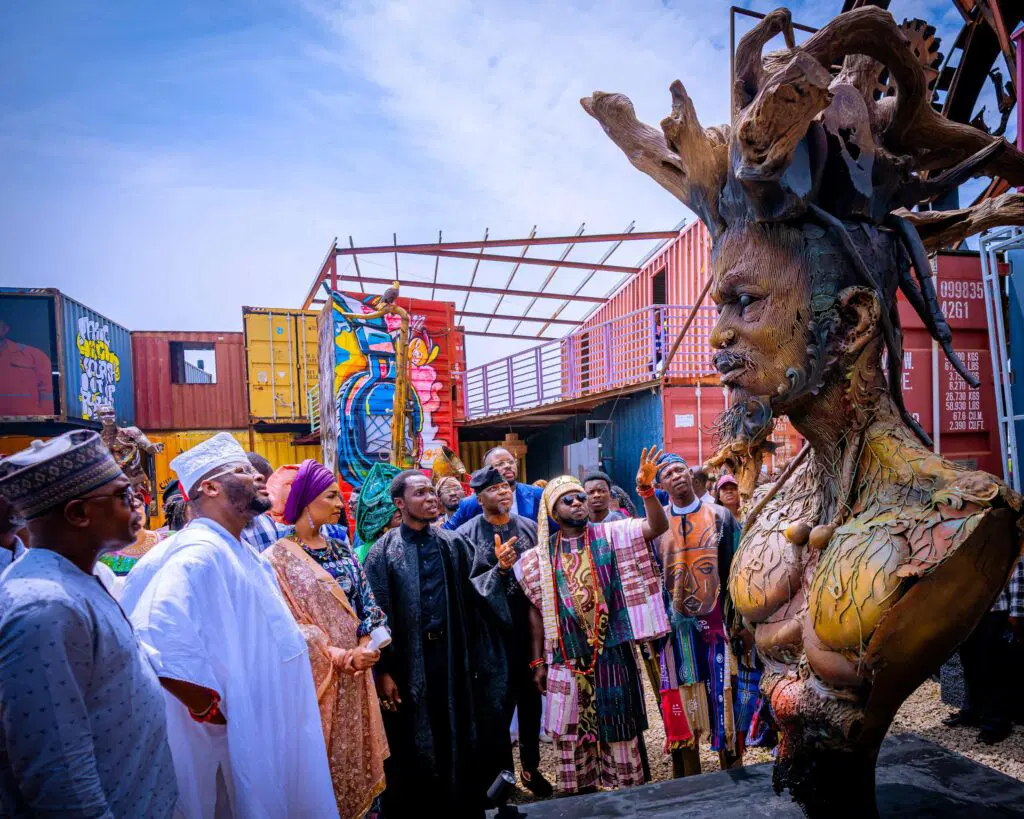
It was only fitting, then, that the work should assume pride of place in Nigeria Imaginary: Homecoming, the inaugural exhibition marking the public opening of the Museum of West African Art (MOWAA) on November 11, 2025. Yet what ought to have stood out as a landmark moment in Nigeria’s recent cultural history flitted by with scant attention within the local art scene. Barely 48 hours before the exhibition opened, the museum campus became the site of a dramatic protest and forcible invasion by a group of protesters identifying as Indigenous Benin Youths and members of the Aiguobasinmwin Movement. Public attention shifted from the exhibition itself to the controversy surrounding the institution’s debut.