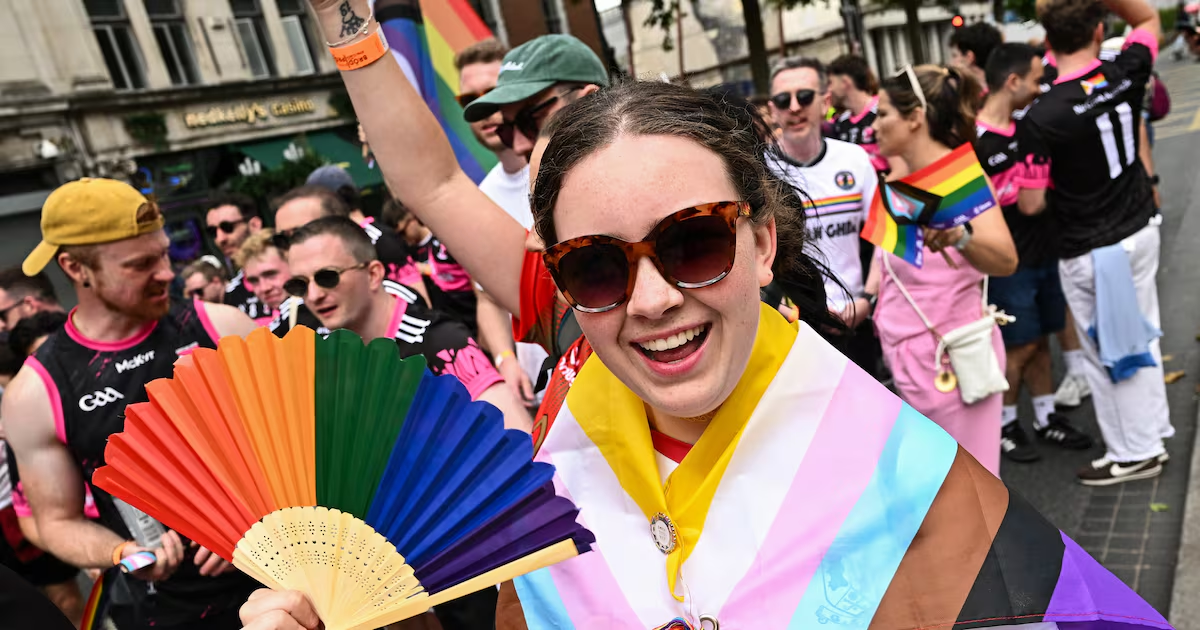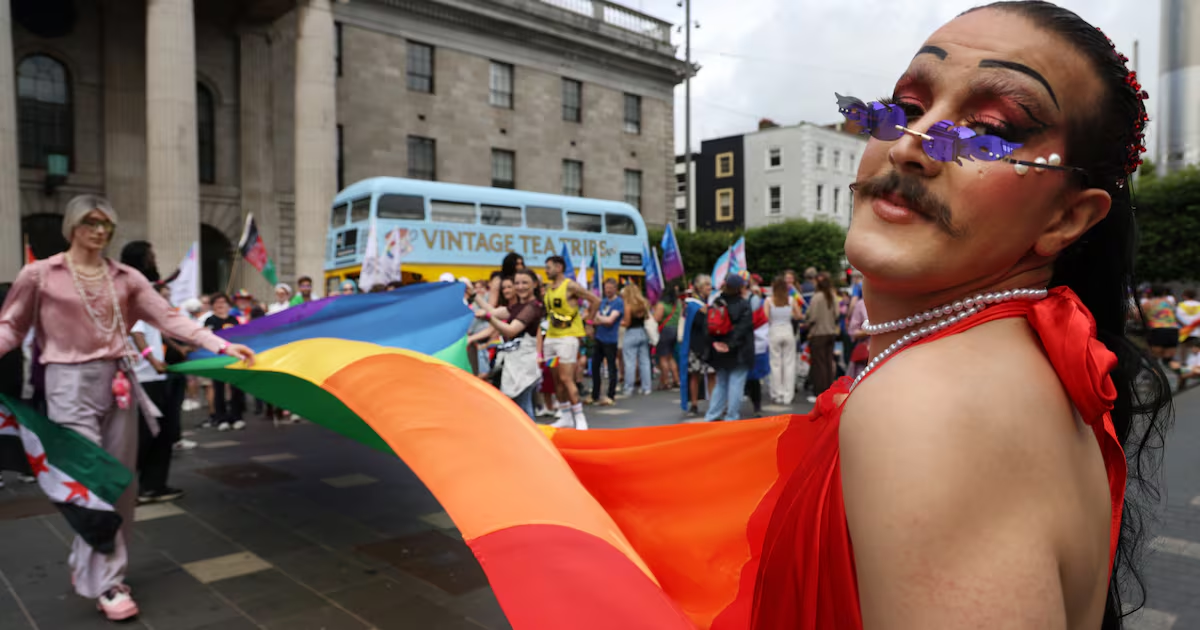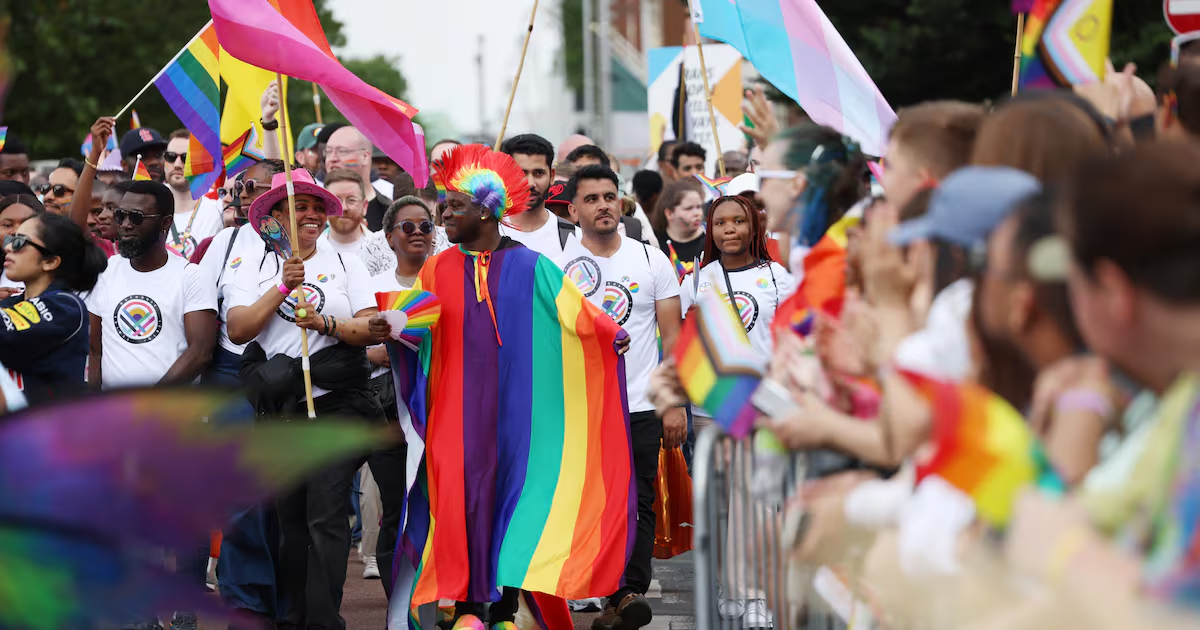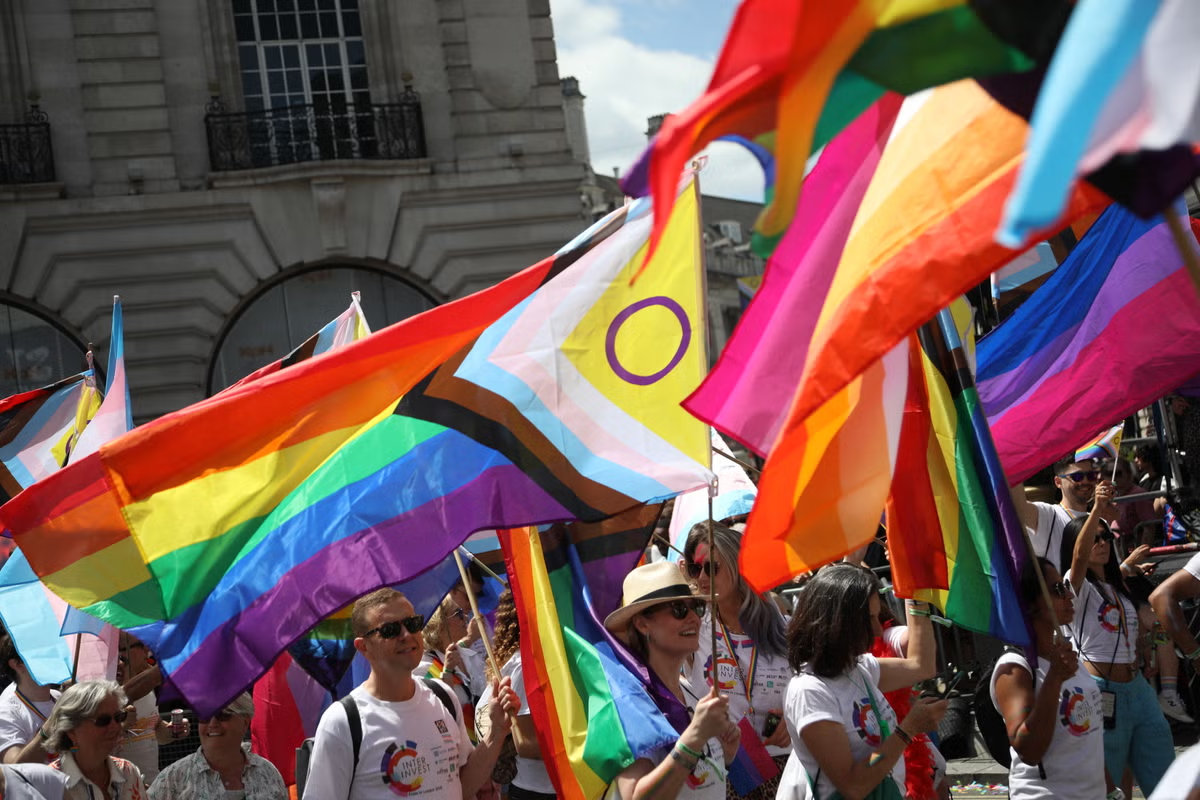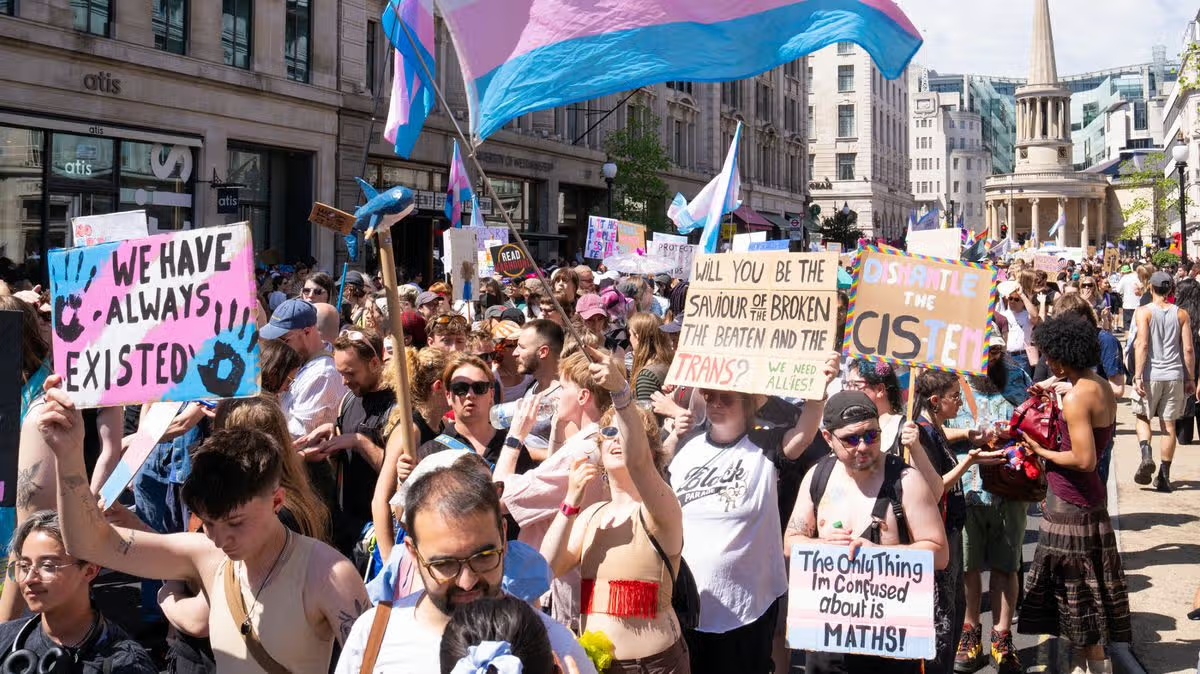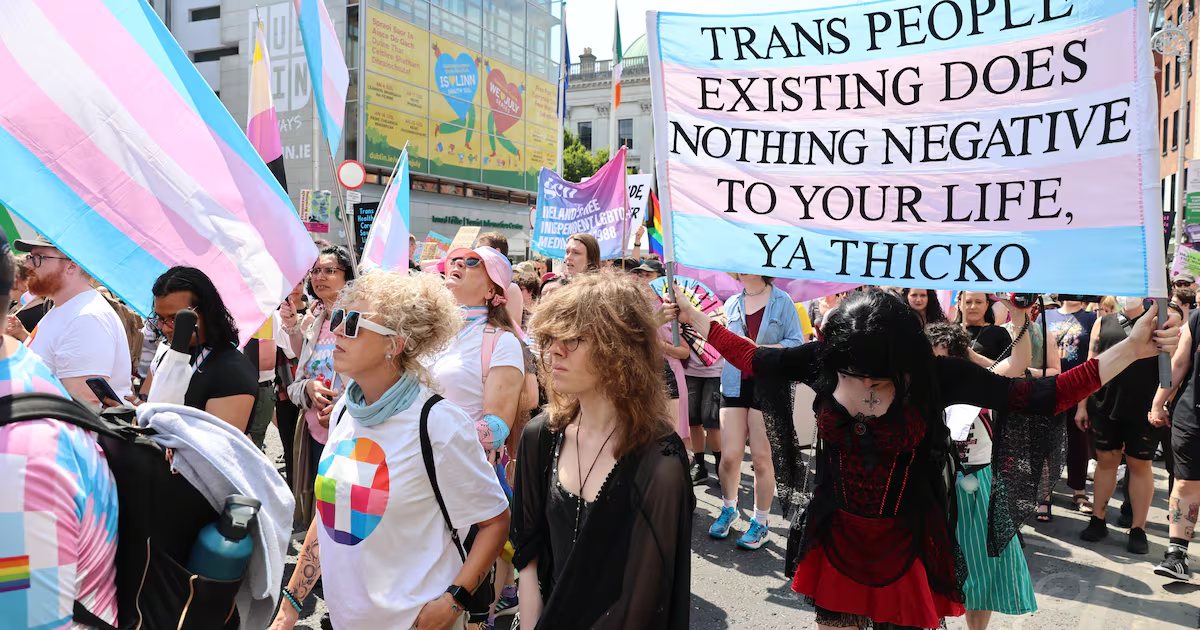
Thousands of people attended the seventh annual transgender and intersex pride march in Dublin on Saturday, calling for better access to healthcare. The crowd chanted “Our bodies, our lives, our right to decide” as people marched from City Hall to Leinster House. Trans healthcare in Ireland is consistently ranked as the among the worst in Europe with people often waiting several years for an initial appointment with the National Gender Service. Morr O’Malley from Trans Healthcare Action told the crowd there is “a desperate need for change and for more models of trans healthcare to be explored”.People on the trans and intersex pride parade marched from City Hall to Leinster House in Dublin. Photograph: Dara Mac Dónaill “The needs and concerns of trans people have long been ignored, which is why the informed consent model based on co-production is the future of gender-affirming care in Ireland,” O’Malley said. Such a model would treat patients as equal partners in decision-making around their healthcare. “We cared for our own sick and dying during the HIV-Aids crisis when clinicians wouldn’t, being radical and finding a path forward together when things seemed hopeless,” O’Malley said.The community needs to come together now in the same way to campaign for healthcare that is “free, safe, local and gender-affirming”, O’Malley said.The crowd chanted “Our bodies, our lives, our right to decide” as people marched from City Hall to Leinster House. Photograph: Dara Mac Dónaill Ollie Bell, trans and intersex pride founder, said they were inspired to start the movement after being active in the campaign to Repeal the Eighth Amendment in 2018. Describing the passing of the referendum which overturned the constitutional ban on abortion as “a historic win”, Bell said trans and intersex people “want the same bodily autonomy, the same choice”.They spoke about the rise in far-right rhetoric and violence in Ireland, saying: “Trans and intersex liberation needs to be anti-racist, to stand in solidarity with our black and brown siblings facing increased racist violence.”Intersex is an umbrella term for people born with biological sex characteristics that do not fit the typical binary notions of male or female bodies. Photograph: Dara Mac Dónaill Bell said they wanted the demonstration to “give everyone hope” amid difficult times.Maca, an intersex advocate, told the crowd the intersex community “is diverse, with many different variations, but our movement is led by shared demands”.These demands include “an immediate ban on all medically unnecessary interventions on intersex infants and children” and “informed consent as the foundation of all medical care for intersex and trans people”.She added: “It might sound obvious, but it needs to be said that intersex bodies are not medical problems to be solved.”Intersex is an umbrella term for people born with biological sex characteristics that do not fit the typical binary notions of male or female bodies.Xiomara Aguirre, Nym and Cat Chadwick at the Pride demonstration in Dublin on Saturday. Photograph: Órla Ryan Attendee Cat Chadwick said an informed-consent model of trans healthcare urgently needs to be introduced in Ireland. Chadwick said events such as trans and intersex pride are necessary because “public pressure” will be required to improve healthcare and other supports for members of the community.“There’s so many of us who all feel the same.”Chadwick called on politicians and healthcare professionals to “listen to trans people and give us the kind of healthcare we want and need”.Xiomara Aguirre, pride events co-ordinator with Scouting Ireland, said it was “very important” that organisations have members who are trans and intersex as that “visibility” will help children and teenagers who are also members of the community.“As a trans woman, who’s also a scout ... I want to be able to be part of the message that Scouting Ireland is doing its absolute damnedest for best practice when it comes to being a youth organisation that has trans and intersex members.”
Thousands attend transgender and intersex pride march in Dublin
‘Our bodies, our lives, our right to decide’: demonstrators call for bodily autonomy and better access to healthcare
641 words~3 min read