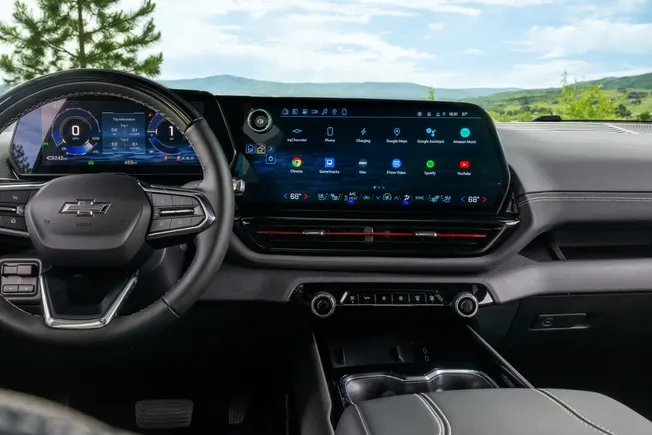
Micron Technology signed long-term supply agreements with General Motors and Ford in early July 2026, committing to deliver memory solutions including LPDRAM, NOR, and UFS NAND for next-generation vehicles. These aren’t handshake deals. They’re part of a broader web of 16 strategic customer contracts across data center, consumer, and automotive segments that collectively represent roughly $22 billion in financial commitments.
The automotive memory business is quietly exploding
Micron’s Automotive and Embedded Business Unit, known internally as AEBU, posted $4.63 billion in revenue during fiscal Q3 2026. That’s a quadrupling compared to prior periods.
Micron’s total revenue that same quarter hit $41.46 billion, meaning the automotive segment now represents a meaningful slice of the pie rather than a rounding error. Unlike AI-driven memory demand, which can swing wildly quarter to quarter, automotive contracts tend to operate on design cycles spanning three years or more.
Once a car manufacturer designs your memory chip into a vehicle platform, you’re locked in for the life of that model. No quarterly renegotiations, no sudden order cancellations because a hyperscaler decided to pause its buildout.