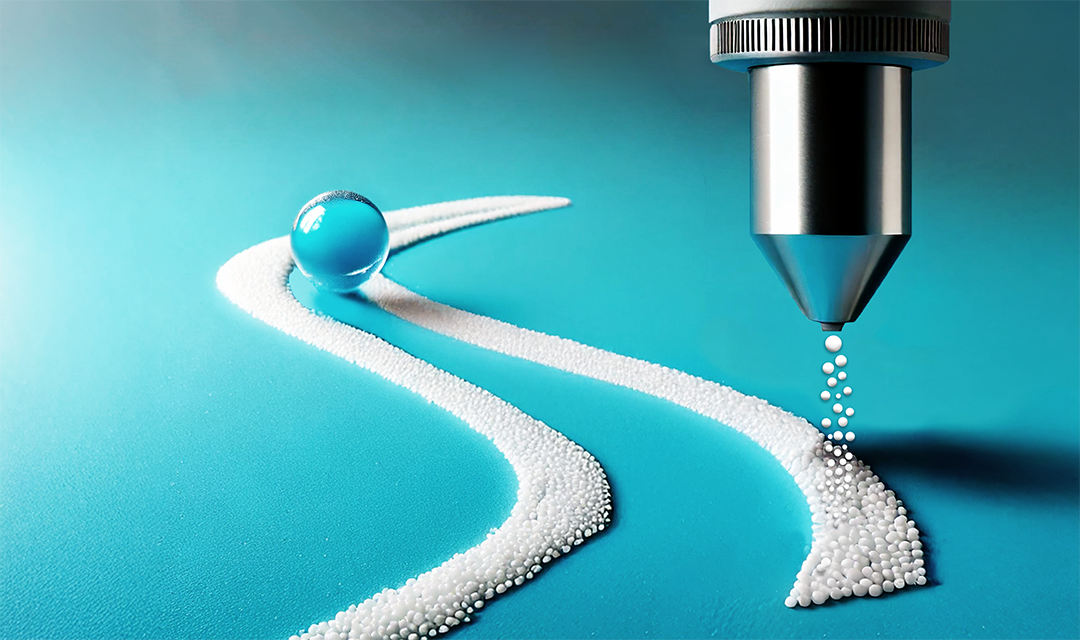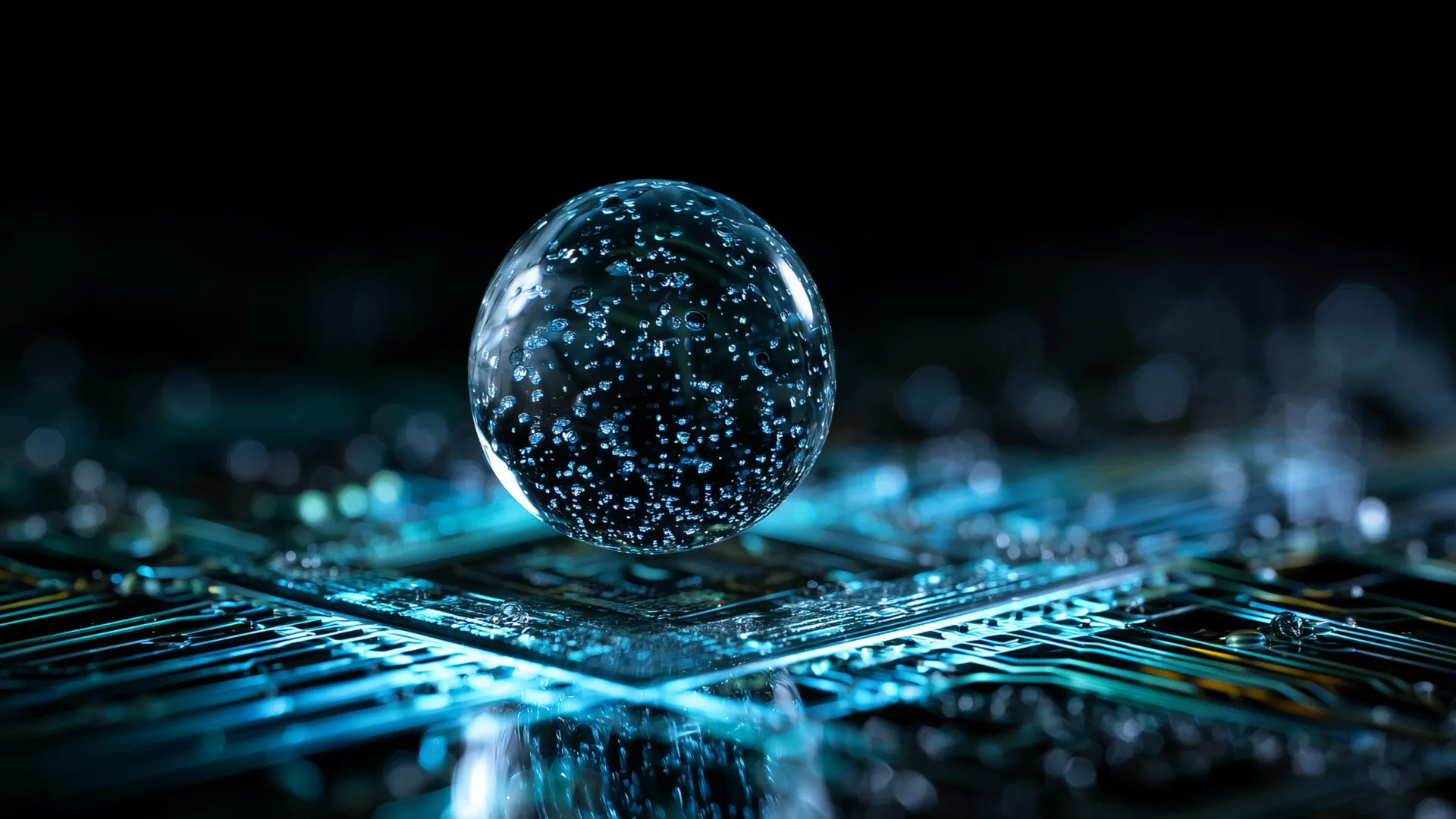
Researchers at Tokyo Metropolitan University have developed a new way to control how ink dries by adding ultra fine bubbles to ink droplets instead of chemical additives. By simply changing the number of bubbles in each droplet, the team found they could dramatically alter the pattern left behind as the liquid evaporated. The approach could be especially valuable for manufacturing tiny electronic devices, where leftover additives can interfere with the performance of printed materials.
Inkjet printing is no longer used only for documents and images. It has become an essential manufacturing technique for advanced technologies such as microelectronics and MEMS (microelectromechanical systems), where microscopic coatings and intricate circuit patterns must be deposited with exceptional accuracy.
A major challenge is controlling what happens after each droplet lands on a surface. As the liquid dries, the suspended particles inside can gather into uneven patterns. One of the best known examples is the "coffee ring" effect, where most of the solid material collects around the outer edge of the droplet, much like the stain left behind by a dried drop of coffee.
Manufacturers often add chemicals that alter the liquid's surface tension to create smoother, more uniform coatings. However, those additives remain behind after drying and can change the behavior of the printed material, which is undesirable for many advanced applications.