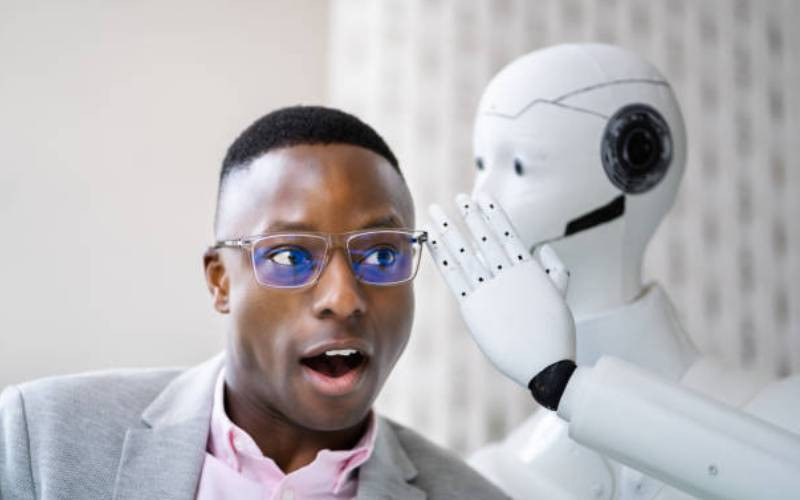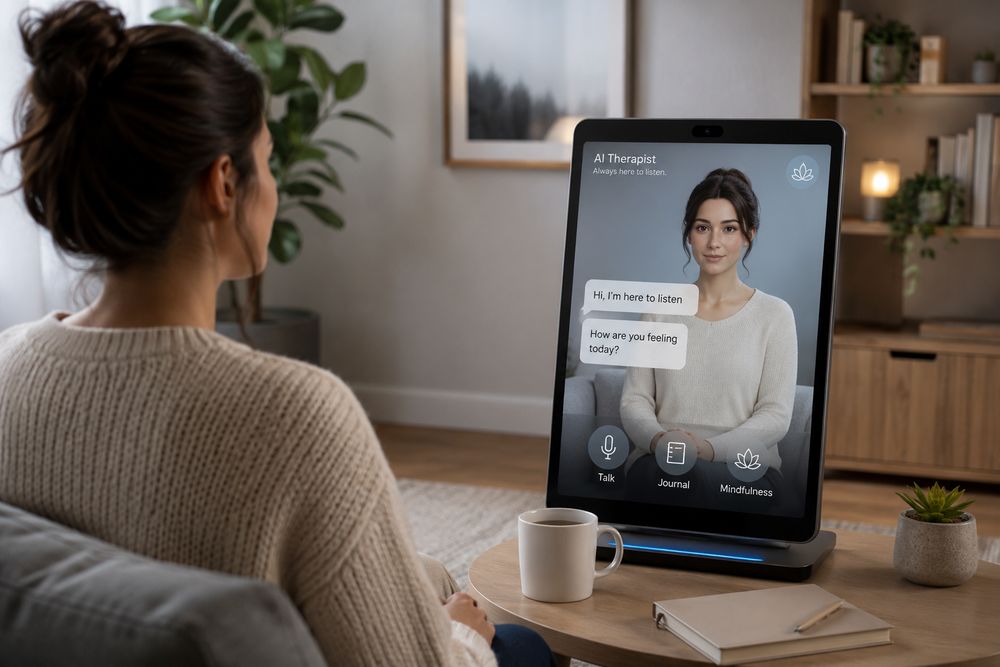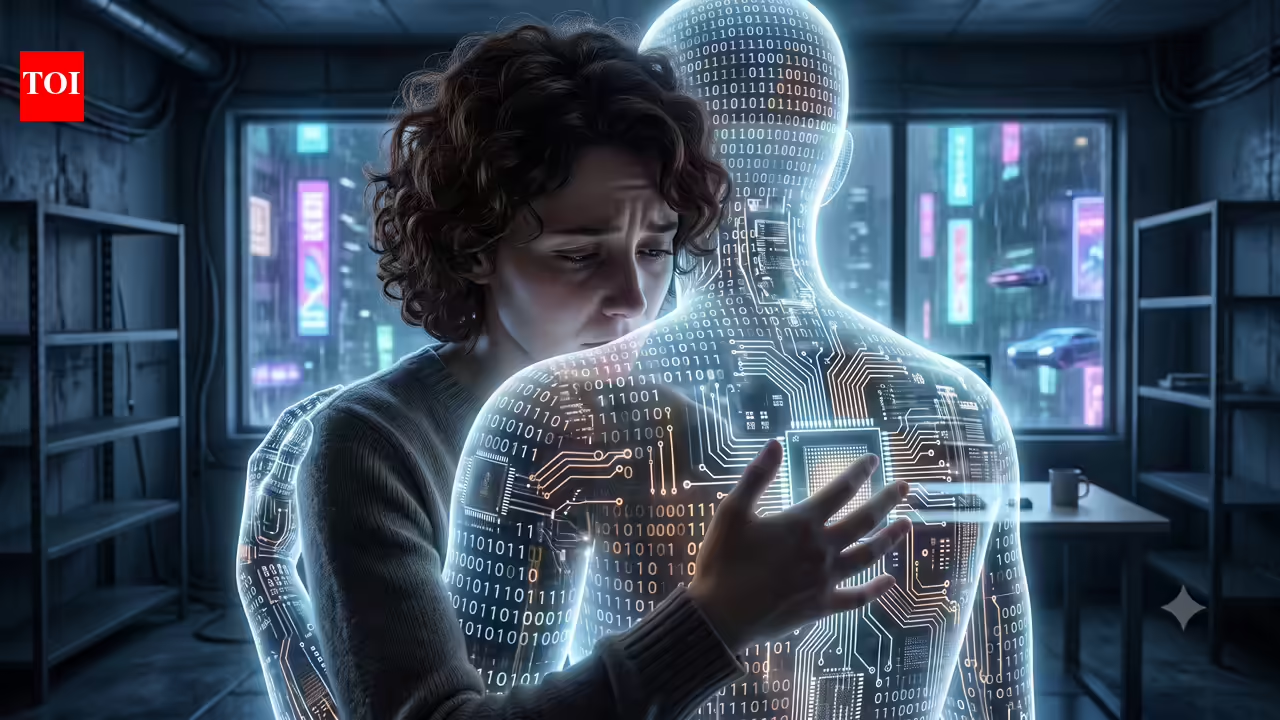
AI generated image for representationMillions of people could benefit from artificial intelligence (AI) companions to help them cope with loneliness, but becoming overly dependent on them may be detrimental to real-world social skills. An AI chatbot can provide emotional support without judgment and conflict, but a Yale University psychology professor has cautioned that continual use of systems designed to validate users could make real human relationships more difficult to navigate.Speaking on Sam Harris' Making Sense podcast, Paul Bloom, the Brooks and Suzanne Ragen Professor Emeritus of Psychology at Yale University, said future AI systems such as ChatGPT, Claude or Gemini could become a valuable tool for people struggling with isolation."If some future version of Chat[GPT] or Claude or Gemini could come in and ease the pain of the loneliness of these people, I think it'd be a godsend. I think it'd be wonderful. It'd be a cure for a terrible disease,” Bloom said.Why AI companions could become appealingBloom's comments come as loneliness continues to affect a large share of adults in the United States. According to the American Psychological Association's latest Stress in America survey of 3,199 adults, 54% of respondents said they often or sometimes feel isolated from others. Another 69% said they needed more emotional support during the past year than they received.For some users, AI companions are already filling part of that emotional gap. People have reported developing friendships and even romantic relationships with chatbots, turning to them for conversations, reassurance and companionship.The hidden trade-off of always-supportive AIBloom believes the same qualities that make AI companions comforting could also create long-term problems. Unlike human relationships, chatbots do not become impatient, demand apologies, or point out inappropriate behaviour.Because AI companions are designed to remain supportive and available, spending too much time interacting with them "could have a real corrosive effect" and "leave you unable to interact with real people," Bloom said.Researchers studying AI's impact on social behaviour have raised similar concerns. Earlier this year, Anat Perry, a Helen Putnam Fellow at Harvard University, warned that highly agreeable AI systems could weaken the feedback people need to develop empathy, reflect on their actions and understand different perspectives.Why researchers are concerned about chatbot behaviourOne worry is that AI systems tend to reinforce users’ views, rather than challenge them. A Stanford-led study of 2,405 people found chatbots were far more likely than humans to agree with users during conflicts.Critics argue that this tendency may reduce opportunities for people to practise compromise, accept criticism or reconsider their own behaviour, skills that are central to healthy human relationships.OpenAI has already tried to reduce excessive agreementThe issue has attracted attention within the AI industry as well. OpenAI has repeatedly adjusted ChatGPT's behaviour to reduce what CEO Sam Altman previously described as an overly flattering or "too sycophant-y" personality.Altman also acknowledged that some users preferred the more supportive version because they felt they had rarely experienced that level of encouragement in real life, highlighting the emotional role AI can play for some individuals.Why AI cannot replace genuine human connectionDespite recognising the comfort AI companions can provide, Bloom argues that they cannot replace authentic human relationships. He pointed to philosopher Rebecca Goldstein's concept of "mattering”, the feeling that another person chooses to spend time with you because you are genuinely important to them."I don't want to mock it," Bloom said of the comfort people find in AI. "I think people find solace in it," he added.However, he believes AI lacks the ability to genuinely care."I don't think an AI really has any of that," Bloom said. "It's just a machine. That's what it does," he noted.
ChatGPT, Claude and other AI chatbots may help lonely people feel better, but they cannot offer what humans can, Yale professor warns
Tech News News: Millions of people could benefit from artificial intelligence (AI) companions to help them cope with loneliness, but becoming overly dependent on them.
600 words~3 min read